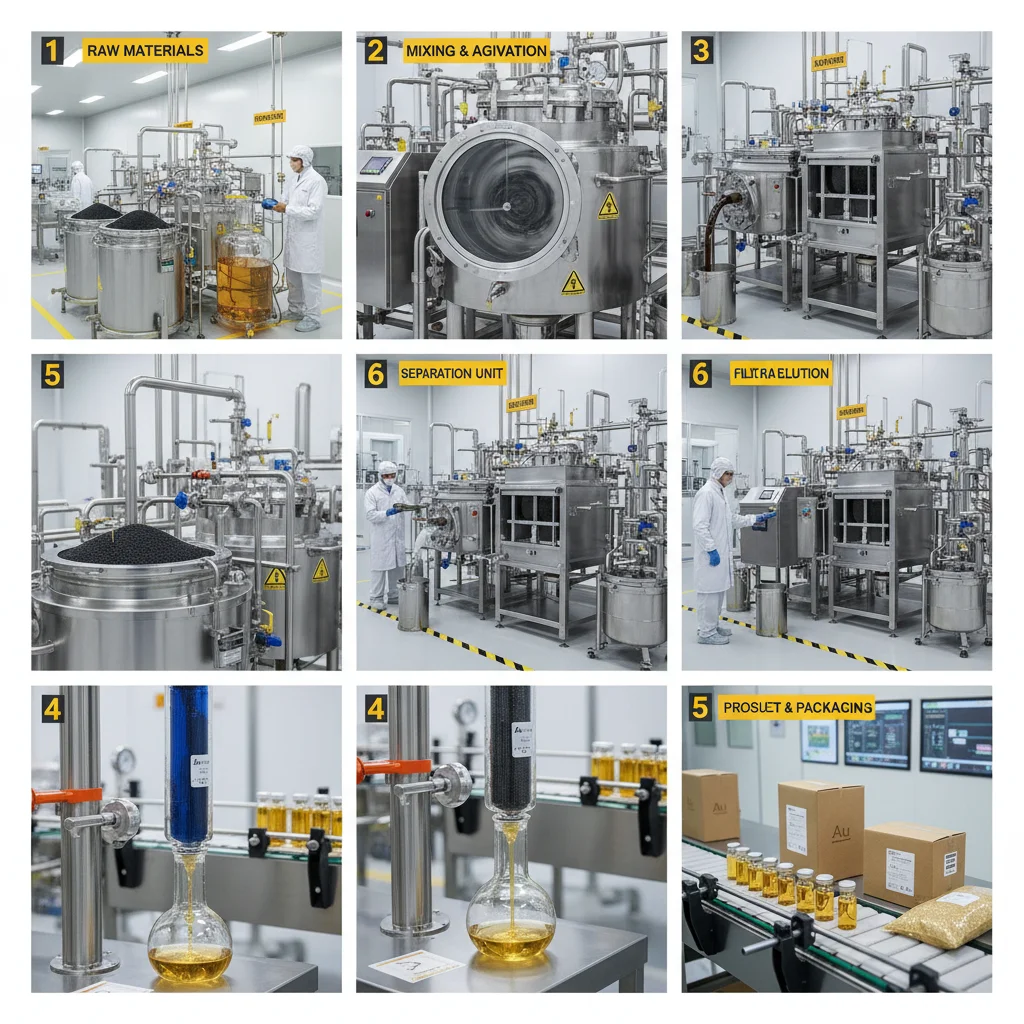
Exploring Different Types of Activated Carbon for Diverse Applications
Different Types of Activated Carbon: A Comprehensive Guide
Activated carbon is a versatile material used in a wide array of applications, from water purification to air filtration. Its exceptional adsorption properties make it a crucial component in many industrial processes. However, not all activated carbon is created equal. There are several different types of activated carbon, each tailored to specific needs and applications. This article will explore these variations, discussing their properties, manufacturing processes, and optimal uses. Understanding these nuances is essential for selecting the right activated carbon for your specific application.
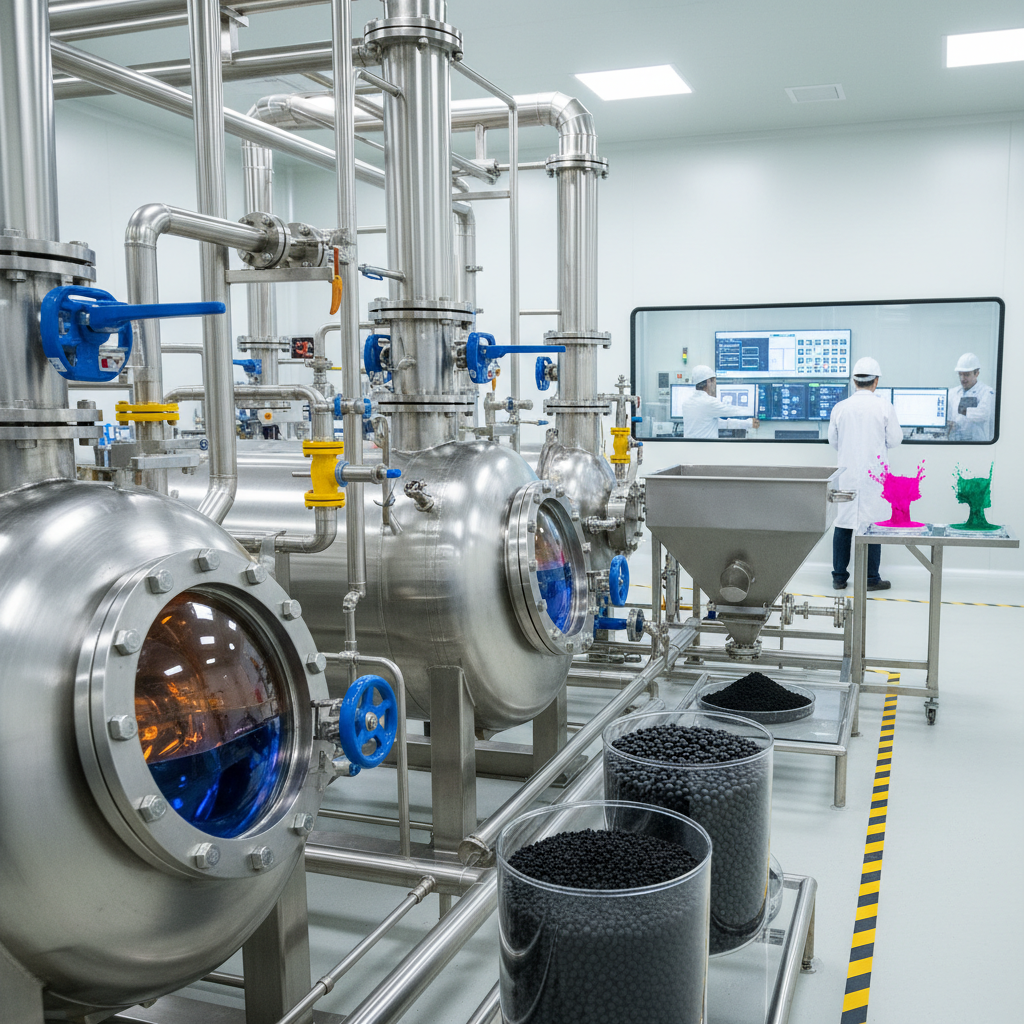
Understanding the Basics of Activated Carbon
Activated carbon's effectiveness stems from its enormous surface area. This is achieved through a two-step process: carbonization and activation. Carbonization involves heating a carbonaceous source material (like coal, wood, or coconut shell) in the absence of oxygen. Activation then enhances this surface area, typically through chemical or physical processes. The resulting material possesses millions of pores, providing a vast area for adsorbing impurities. The source material and activation method heavily influence the final product’s characteristics, leading to the variety of types available. It's important to consider pore size distribution, hardness, and surface chemistry when choosing the right activated carbon for a particular task.
Key Highlights: Activated carbon's effectiveness relies on a large surface area achieved through carbonization and activation. Source material and activation method determine its properties.
Powdered Activated Carbon (PAC): For Rapid Adsorption
Powdered Activated Carbon (PAC) has a very fine particle size, making it ideal for applications requiring rapid adsorption rates. It's commonly used in water treatment for removing taste, odor, and organic contaminants. PAC is typically added directly to the water source and then removed via filtration. Its large surface area to volume ratio ensures efficient contaminant removal. However, PAC requires additional filtration steps and can be more challenging to handle than other forms. Due to its fine particles, PAC is best suited for applications where backwashing is readily available. SDJZ Chem offers a wide range of high-quality PAC products.
PAC Benefits:
• Rapid adsorption rates
• Effective for taste and odor removal
• Cost-effective for certain applications
Granular Activated Carbon (GAC): A Popular Choice for Water & Air Purification
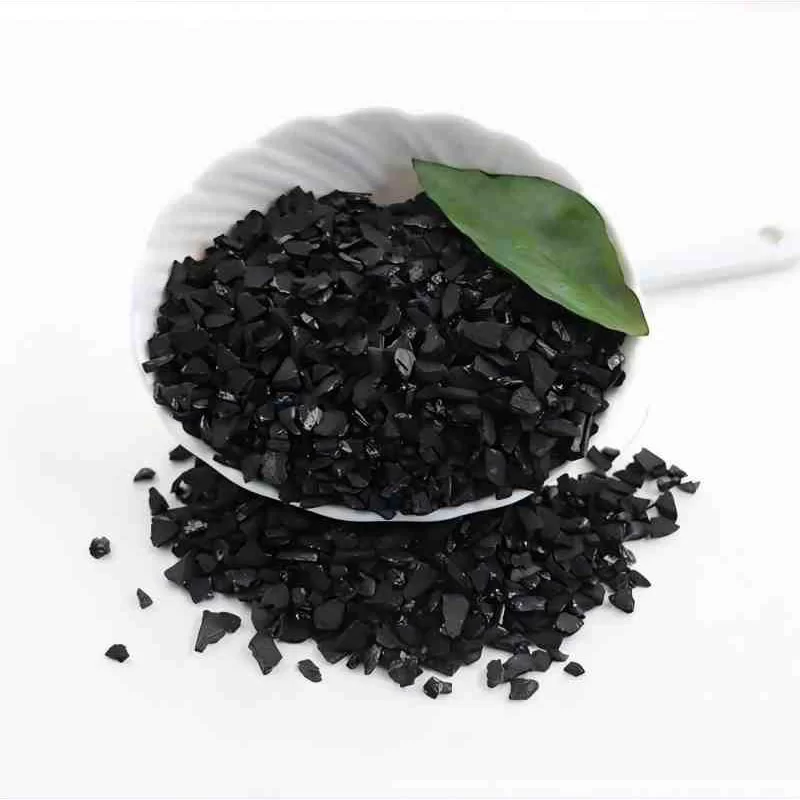
Granular Activated Carbon (GAC) is another widely used form, consisting of larger particles than PAC. This makes it suitable for applications where pressure drop is a concern, such as in fixed-bed filters. GAC is commonly used in water purification, air filtration, and industrial gas purification. It can be regenerated, reducing operational costs. The larger particle size also simplifies handling and reduces dust. GAC from SDJZ Chem is known for its high purity and consistent performance.
Extruded Activated Carbon: For Gas Phase Applications
Extruded activated carbon is formed into cylindrical pellets, providing a low-pressure drop and high mechanical strength. This makes it ideal for gas phase applications, such as air purification, VOC removal, and odor control. It's often used in gas masks, respirators, and industrial air filters. The extrusion process allows for precise control over pore size and density, optimizing performance for specific gas adsorption needs. These are particularly useful in applications demanding consistent airflow and long service life.
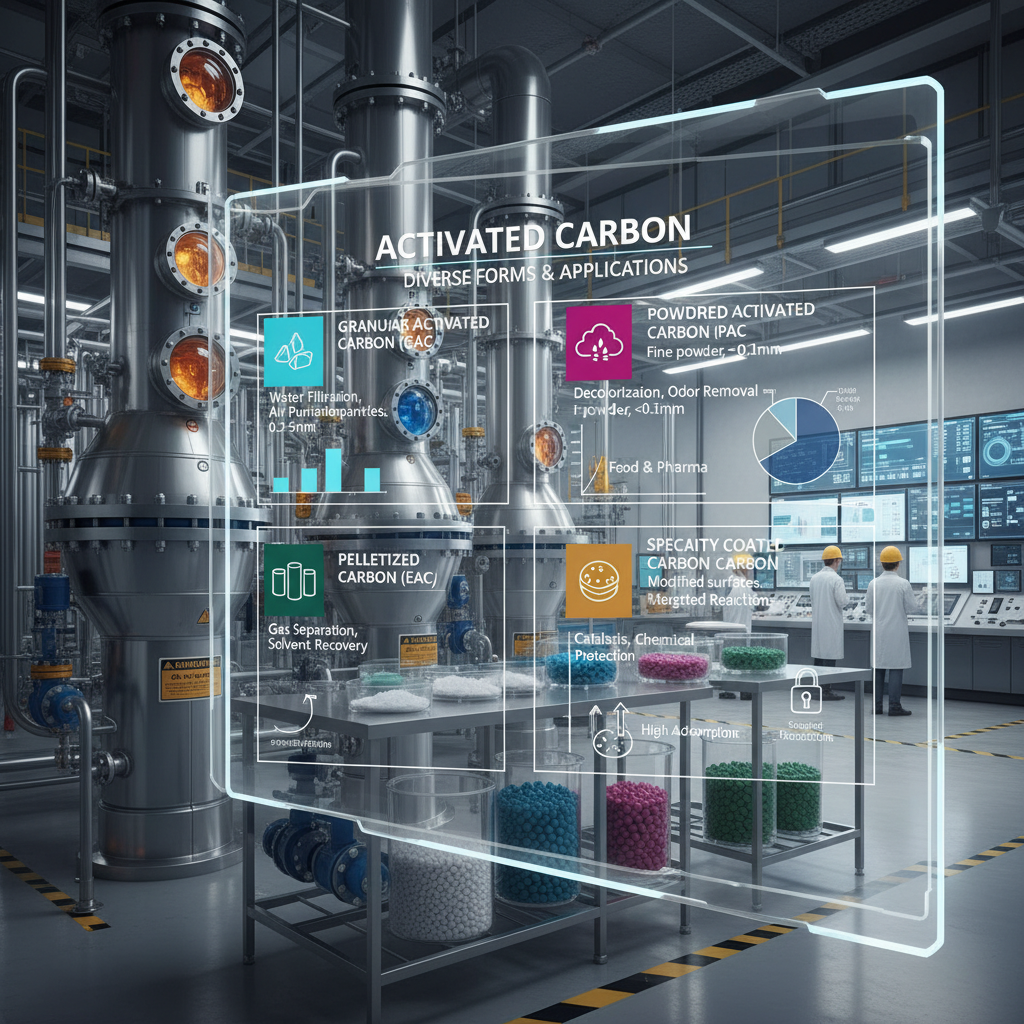
Impregnated Activated Carbon: Targeted Adsorption
Impregnated activated carbon is modified with specific chemicals to enhance its adsorption capacity for particular contaminants. For example, carbon impregnated with potassium iodide is used to remove mercury vapor, while carbon impregnated with silver is used for bacterial control. This technique allows for highly targeted removal of specific pollutants. The impregnant doesn't significantly reduce the overall surface area and adds functionality beyond simple adsorption. This is a crucial choice when dealing with very specific and challenging contaminants.
Fiber Activated Carbon: High Surface Area & Flow Rate
Fiber activated carbon is produced in fiber form, offering a unique combination of high surface area and low pressure drop. This makes it suitable for applications where rapid adsorption and minimal flow restriction are essential. It’s often used in air purification systems, particularly for removing volatile organic compounds (VOCs). The fiber structure also allows for better mass transfer, improving adsorption efficiency. The increased surface area compared to granular forms means less carbon is needed for similar performance.
Conclusion: Choosing the Right Activated Carbon
Selecting the appropriate type of activated carbon is crucial for optimal performance. Consider the application, contaminant type, required adsorption rate, pressure drop limitations, and cost-effectiveness. SDJZ Chem offers a diverse range of activated carbon products and expert guidance to help you make the best choice for your needs.
Frequently Asked Questions (FAQs)
What is the best activated carbon for removing chlorine from water?
Granular Activated Carbon (GAC) is generally the most effective choice for removing chlorine from water. Its larger particle size provides good contact time with the water, allowing for efficient chlorine adsorption. Powdered Activated Carbon (PAC) can also be used, but requires more complex filtration systems to remove the fine particles. The specific type of GAC will depend on the chlorine concentration and other contaminants present in the water.
Can activated carbon be regenerated?
Yes, many types of activated carbon, particularly GAC, can be regenerated. Regeneration involves removing the adsorbed contaminants, restoring the carbon’s adsorption capacity. Thermal regeneration is the most common method, using high temperatures to desorb the contaminants. Chemical regeneration is also used for specific pollutants. However, each regeneration cycle reduces the carbon’s overall lifespan.
What source materials are used to produce activated carbon?
A variety of carbonaceous materials can be used, including coal, wood, coconut shells, peat, and agricultural byproducts like nutshells and fruit pits. The choice of source material influences the pore structure and properties of the resulting activated carbon. Coconut shell-based activated carbon is often preferred for water purification due to its high hardness and micropore content. Coal-based activated carbon is common for industrial applications.
How do I determine the appropriate pore size for my application?
Pore size is crucial. Micropores (50 nm) facilitate access to the smaller pores. Determining the size of the target contaminants will dictate the optimal pore size distribution. Analyzing your feed stream’s composition is the first step in selecting the correct carbon.