Unlocking the Potential of Activated Carbon Gold Applications and Benefits
Unlocking the Potential of Activated Carbon Gold: Applications and Benefits
In the realm of industrial materials, activated carbon gold represents a specialized and high-value product. It’s not merely activated carbon; the incorporation of gold imparts unique catalytic and conductive properties, opening up a range of advanced applications. This article explores the properties, manufacturing processes, key applications, and benefits of activated carbon gold, providing a comprehensive overview for potential users and industry professionals. Understanding its unique characteristics is essential for leveraging its potential in cutting-edge technologies.
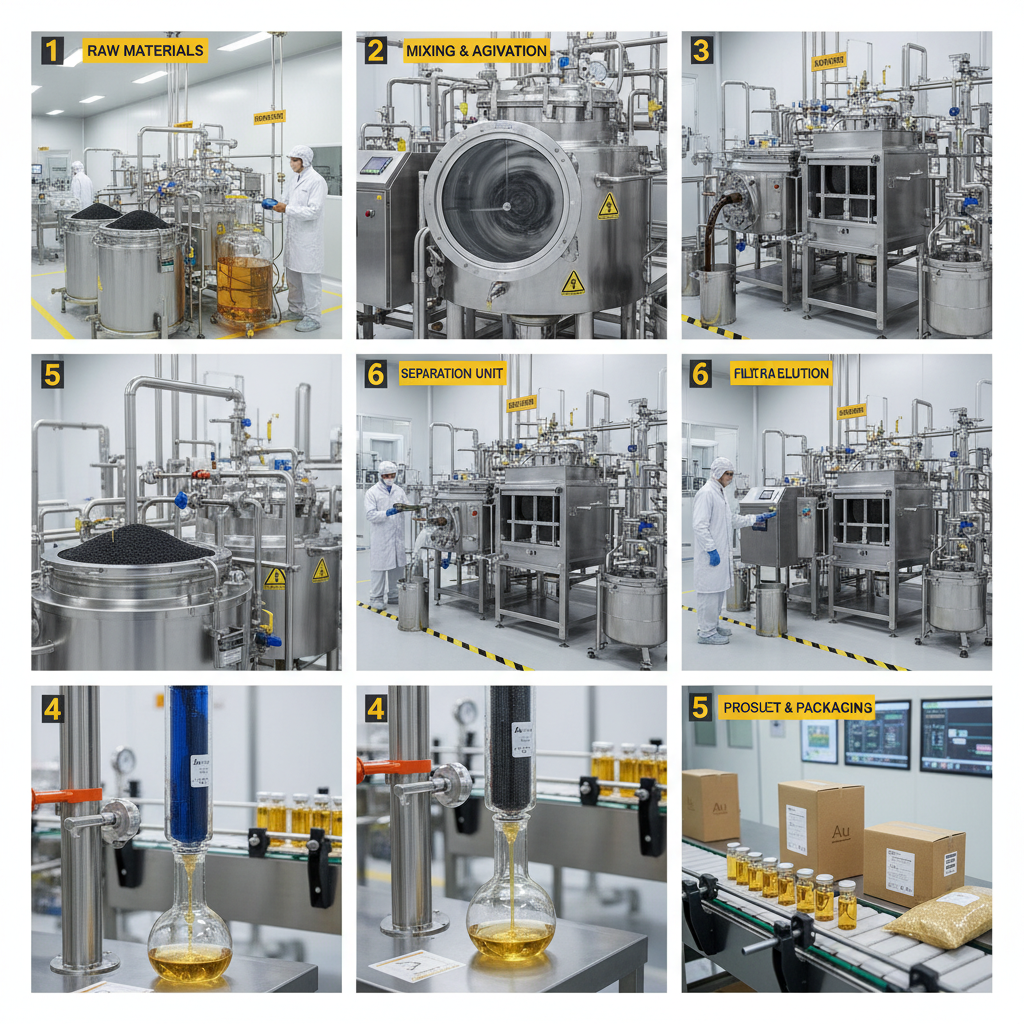
What is Activated Carbon Gold?
Activated carbon gold is a composite material created by depositing microscopic gold particles onto the highly porous structure of activated carbon. This process combines the exceptional adsorption capabilities of activated carbon with the catalytic activity and electrical conductivity of gold. The resulting material boasts a significantly increased surface area and enhanced functionality. The specific method of gold deposition – whether chemical reduction, impregnation, or physical vapor deposition – influences the final product’s characteristics and application suitability. SDJZ-Chem specializes in tailoring the gold deposition process to meet specific client requirements.
Key Characteristics: High surface area, catalytic activity, electrical conductivity, excellent adsorption capabilities, and tunable gold particle size.
Manufacturing Processes of Activated Carbon Gold
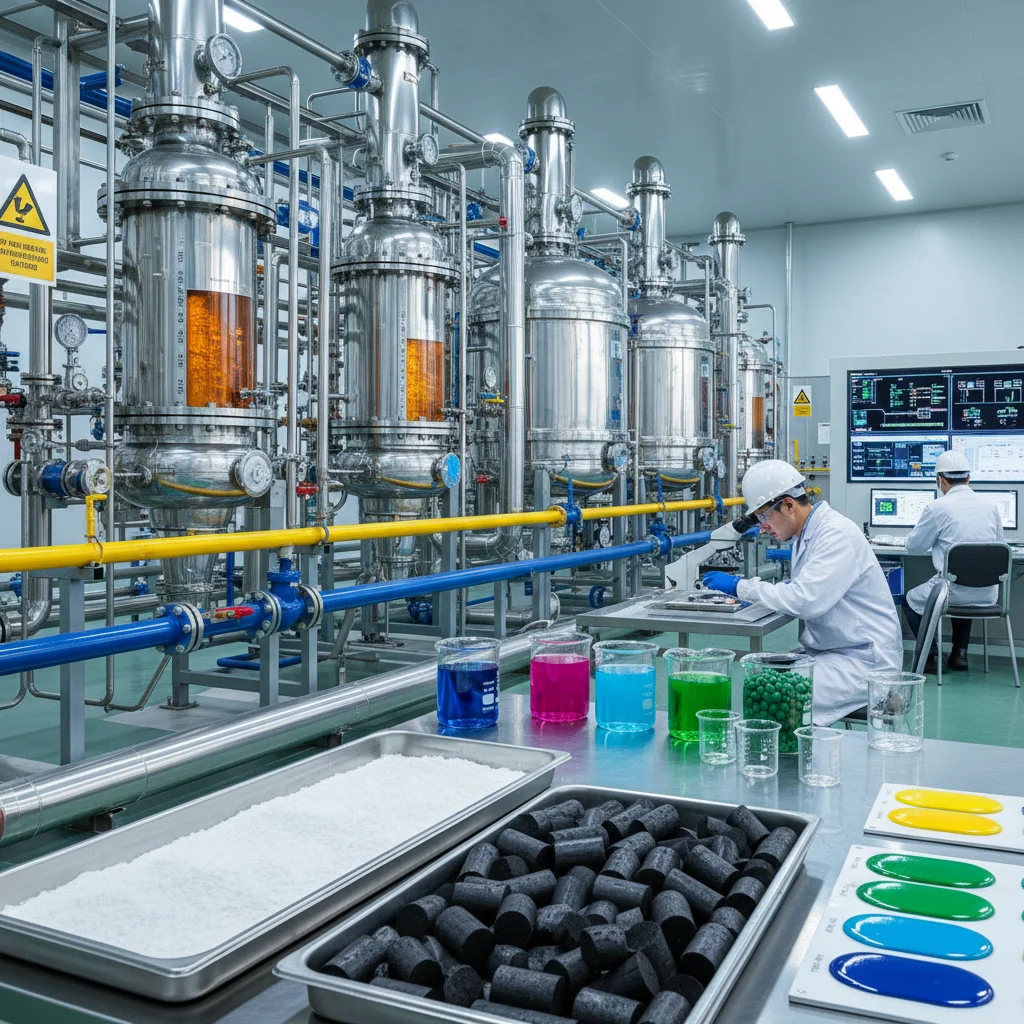
Several techniques are employed to create activated carbon gold, each impacting the final product’s characteristics. Chemical reduction is a common method, involving the reduction of gold salts in the presence of activated carbon. Impregnation involves soaking the activated carbon in a gold-containing solution. Physical vapor deposition (PVD) offers precise control over gold particle size and distribution. The choice of method depends on the desired application and cost considerations. Furthermore, post-treatment processes, such as calcination, can enhance the material’s stability and catalytic activity. SDJZ-Chem employs advanced PVD techniques ensuring high purity and uniformity.
Manufacturing Techniques:
• Chemical Reduction
• Impregnation
• Physical Vapor Deposition (PVD)
Key Applications of Activated Carbon Gold
The unique properties of activated carbon gold unlock a diverse range of applications. It serves as a highly effective catalyst in various chemical reactions, including CO oxidation and selective catalytic reduction (SCR). Its excellent conductivity makes it valuable in energy storage devices, such as supercapacitors and batteries. Moreover, it finds use in gas sensors, water purification, and as a support material for noble metal catalysts. Emerging applications include biomedical sensors and advanced filtration systems. The increasing demand for sustainable and efficient technologies is driving the growth of activated carbon gold applications.
Benefits of Using Activated Carbon Gold
Compared to traditional activated carbon or gold catalysts, activated carbon gold offers several advantages. The synergistic effect of the two materials leads to superior performance in catalytic applications. The increased electrical conductivity enhances its utility in electrochemical processes. Furthermore, the material’s high surface area and tunable properties allow for customization to meet specific application needs. Utilizing activated carbon gold can result in improved efficiency, reduced costs, and enhanced sustainability.
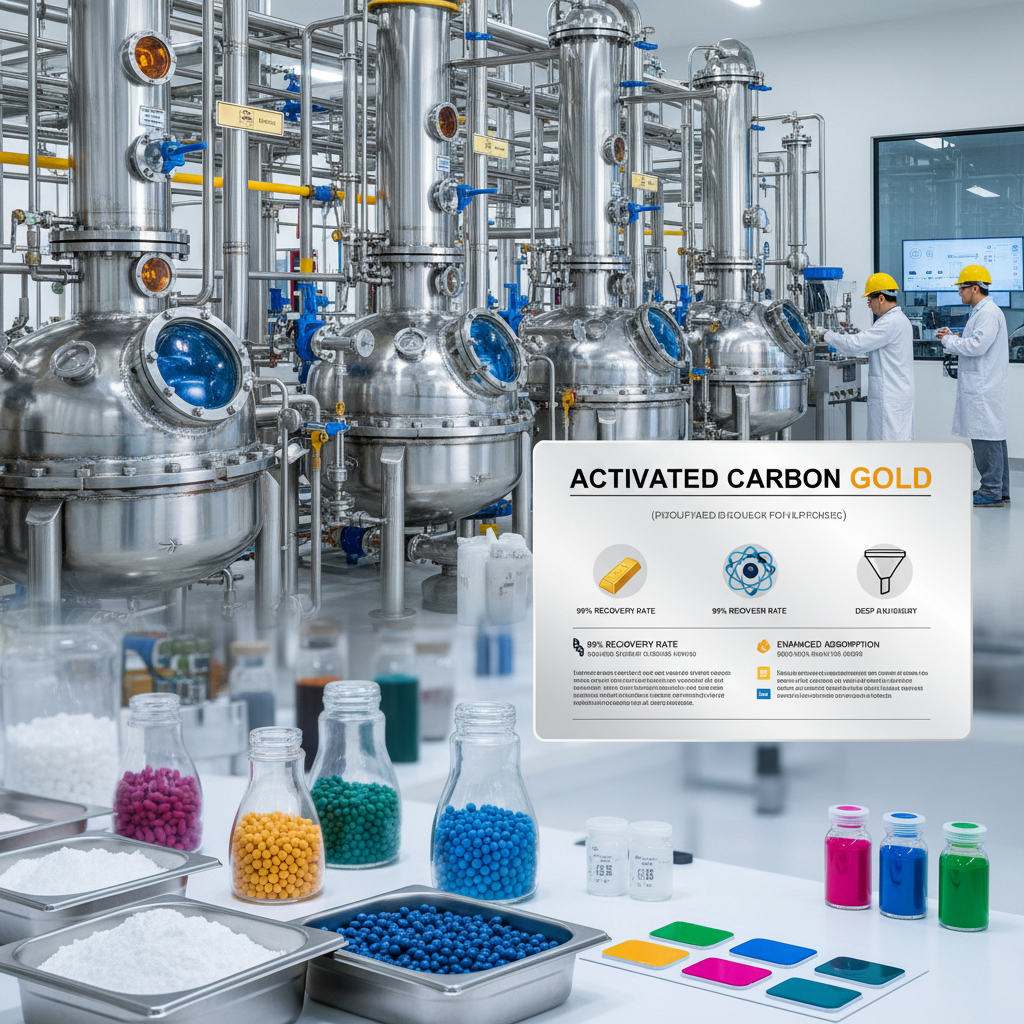
Product Specifications
Here's a table outlining typical product specifications. Customizations are available to meet client-specific requirements:
Conclusion: Embracing Innovation with Activated Carbon Gold
Activated carbon gold stands as a remarkable material with the potential to revolutionize various industries. Its unique combination of properties opens doors to innovative solutions in catalysis, energy storage, sensing, and beyond. As research and development continue to expand its applications, activated carbon gold is poised to play a crucial role in shaping a more sustainable and efficient future.
Frequently Asked Questions (FAQs)
What is the typical gold particle size in activated carbon gold?
The gold particle size can range from a few nanometers to tens of nanometers, depending on the manufacturing process and desired application. Smaller particle sizes generally lead to higher catalytic activity due to the increased surface area. SDJZ-Chem offers customized particle size control to optimize the material for specific catalytic reactions or electrochemical applications. Precise control over particle size is crucial for maximizing performance and ensuring consistent results.
How stable is the gold on the activated carbon support?
The stability of the gold particles is critical for long-term performance. Properly manufactured activated carbon gold exhibits excellent gold dispersion and strong adhesion to the carbon support, preventing agglomeration or leaching of gold during operation. Calcination and surface modification techniques are employed to enhance this stability. Factors such as reaction temperature, pH, and the presence of certain chemicals can influence gold stability, therefore careful consideration of operating conditions is important.
What industries currently utilize activated carbon gold?
Activated carbon gold finds applications across diverse industries, including chemical processing, environmental remediation, energy storage, and sensor technology. Specific examples include catalytic converters for reducing harmful emissions, supercapacitors for efficient energy storage, gas sensors for detecting pollutants, and water purification systems for removing contaminants. The ongoing development of new applications continues to expand the market for this versatile material.