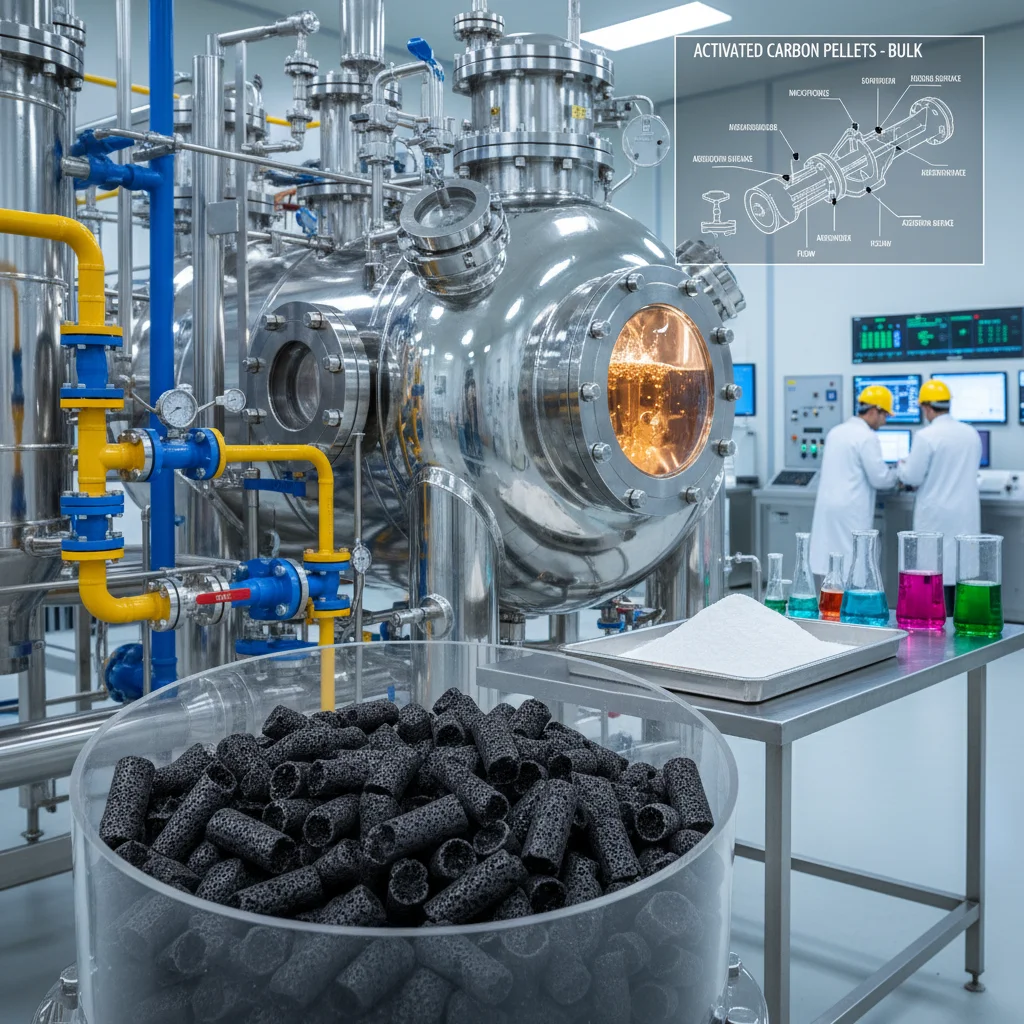
Exploring Granulated Activated Carbon Applications and Industrial Benefits
Granulated Activated Carbon: A Comprehensive Guide
Granulated activated carbon (GAC) is a versatile adsorbent material widely used in various industries for purification, filtration, and separation processes. Its exceptional surface area and porous structure make it highly effective in removing contaminants from liquids and gases. This article provides an in-depth exploration of GAC, covering its production, properties, applications, and benefits. Understanding the nuances of GAC is crucial for optimizing industrial processes and ensuring environmental compliance.
Understanding Granulated Activated Carbon
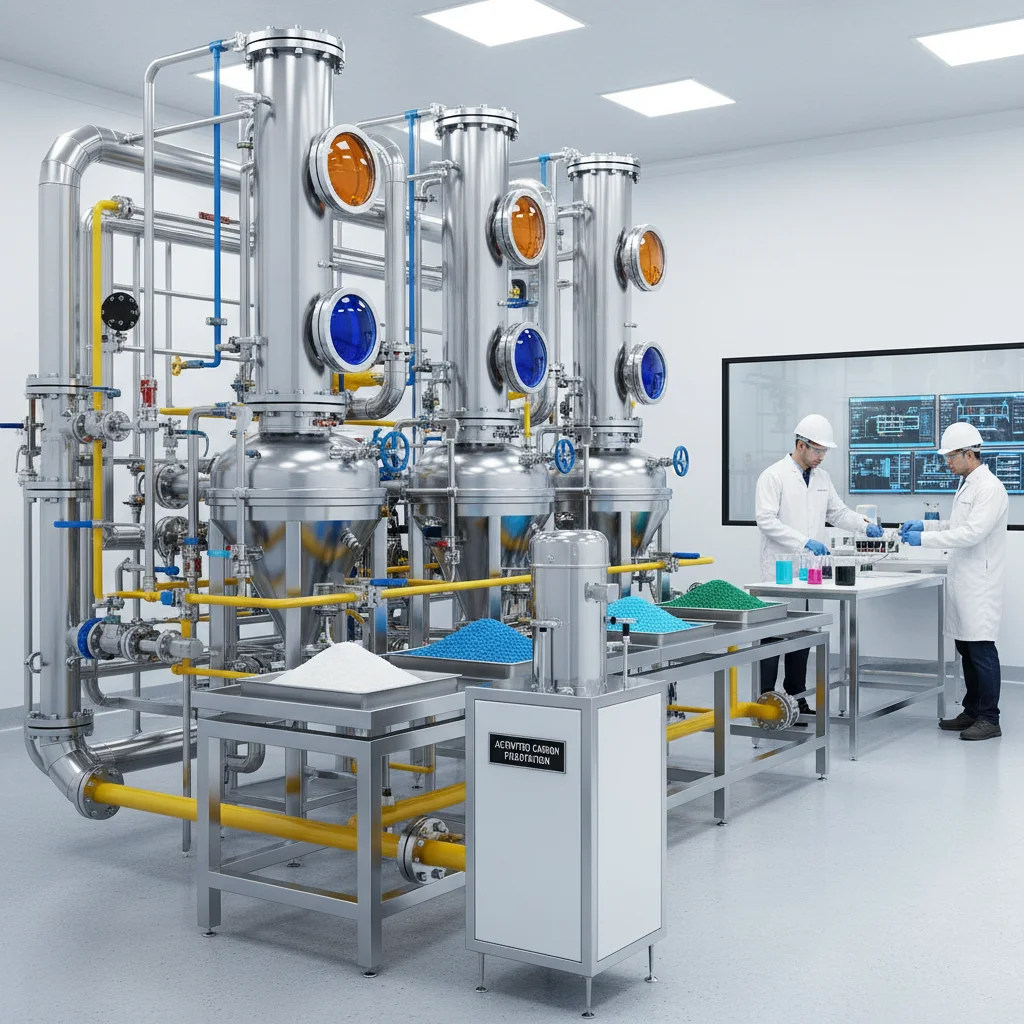
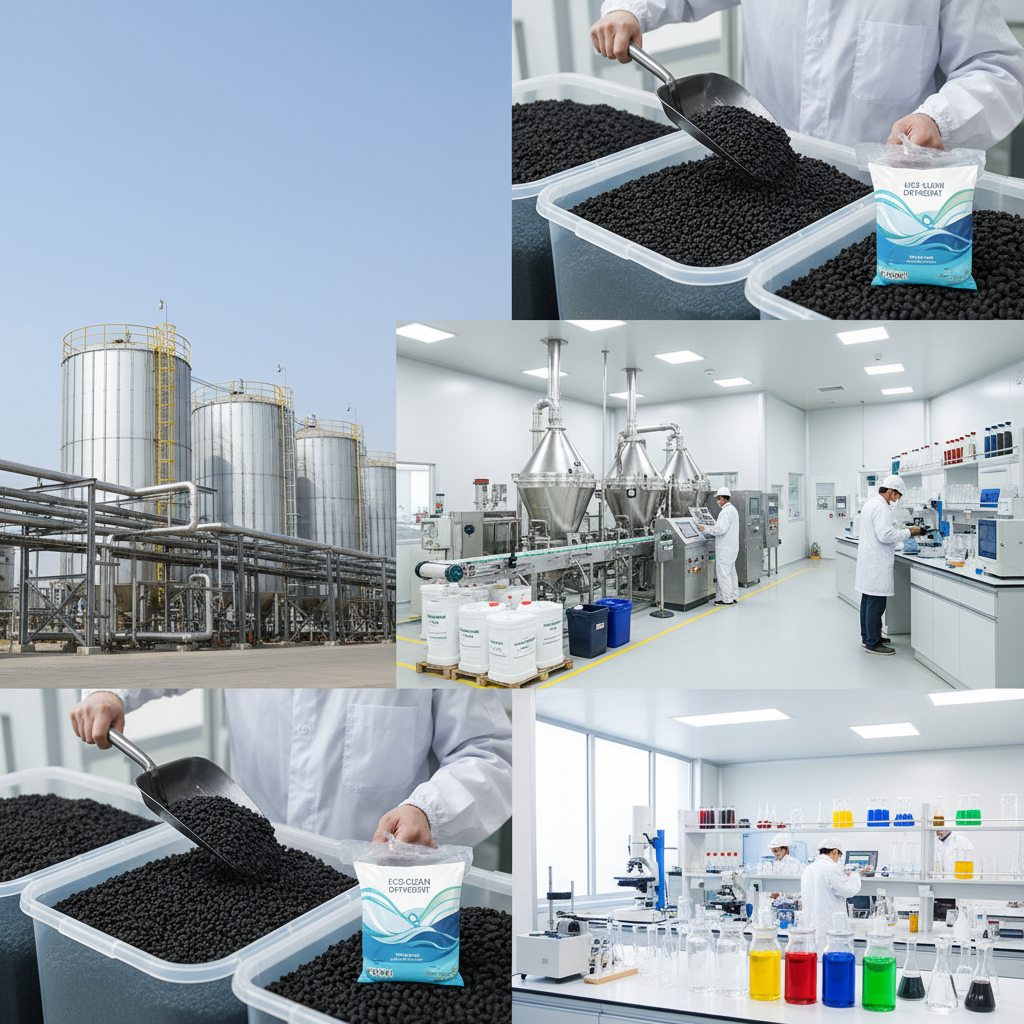
GAC is produced from various carbonaceous source materials, including coal, wood, coconut shell, and peat. The production process involves two main steps: carbonization and activation. Carbonization converts the raw material into a carbon-rich char, while activation creates a highly porous structure, significantly increasing the surface area. This extensive surface area is what gives GAC its exceptional adsorption capacity. Different source materials yield GAC with varying properties, making it suitable for a wide array of applications. The quality of GAC depends heavily on the source material and the activation process used.
Key Highlights: GAC boasts an incredibly large surface area, typically ranging from 500 to 1500 m²/g, due to its porous structure. This characteristic is fundamental to its remarkable adsorption capabilities.
Key Properties of Granulated Activated Carbon
Several properties contribute to the effectiveness of GAC. High Surface Area: As mentioned, the expansive surface area provides numerous adsorption sites. Pore Size Distribution: GAC exhibits a range of pore sizes – micropores, mesopores, and macropores – influencing its selectivity for different contaminants. Adsorption Capacity: This refers to the amount of contaminant GAC can remove per unit mass. Hardness and Abrasion Resistance: Important for applications involving fluid flow and backwashing. Particle Size: Affects flow rate and pressure drop in filtration systems. Choosing the right GAC grade requires careful consideration of these properties and the specific application requirements.
GAC Property Benefits:
• High surface area maximizes adsorption capacity.
• Pore size distribution allows for selective contaminant removal.
• Hardness ensures durability and longevity in demanding applications.
• Particle size controls flow rates and pressure drops.
Granulated Activated Carbon Applications
GAC finds extensive use in diverse industries. Water Treatment: Removing chlorine, taste, odor, and organic contaminants from drinking water. Wastewater Treatment: Removing pollutants from industrial and municipal wastewater. Air Purification: Removing volatile organic compounds (VOCs), odors, and other harmful gases. Food and Beverage Industry: Decolorizing sugar solutions and removing impurities from other food products. Pharmaceutical Industry: Purifying pharmaceutical ingredients and removing byproducts. Gold Recovery: Extracting gold from mining solutions. The adaptability of GAC makes it a crucial component in numerous critical processes.
Selecting the Right Granulated Activated Carbon
Choosing the optimal GAC grade requires considering several factors. The type of contaminant being removed is paramount, as different GAC types exhibit varying affinities for specific substances. The concentration of the contaminant influences the required GAC dosage. The flow rate and contact time determine the efficiency of the adsorption process. The pH and temperature of the liquid or gas being treated can also affect GAC performance. It's recommended to consult with a GAC supplier like SDJZ Chemical to determine the best solution for your application.
GAC Regeneration and Disposal
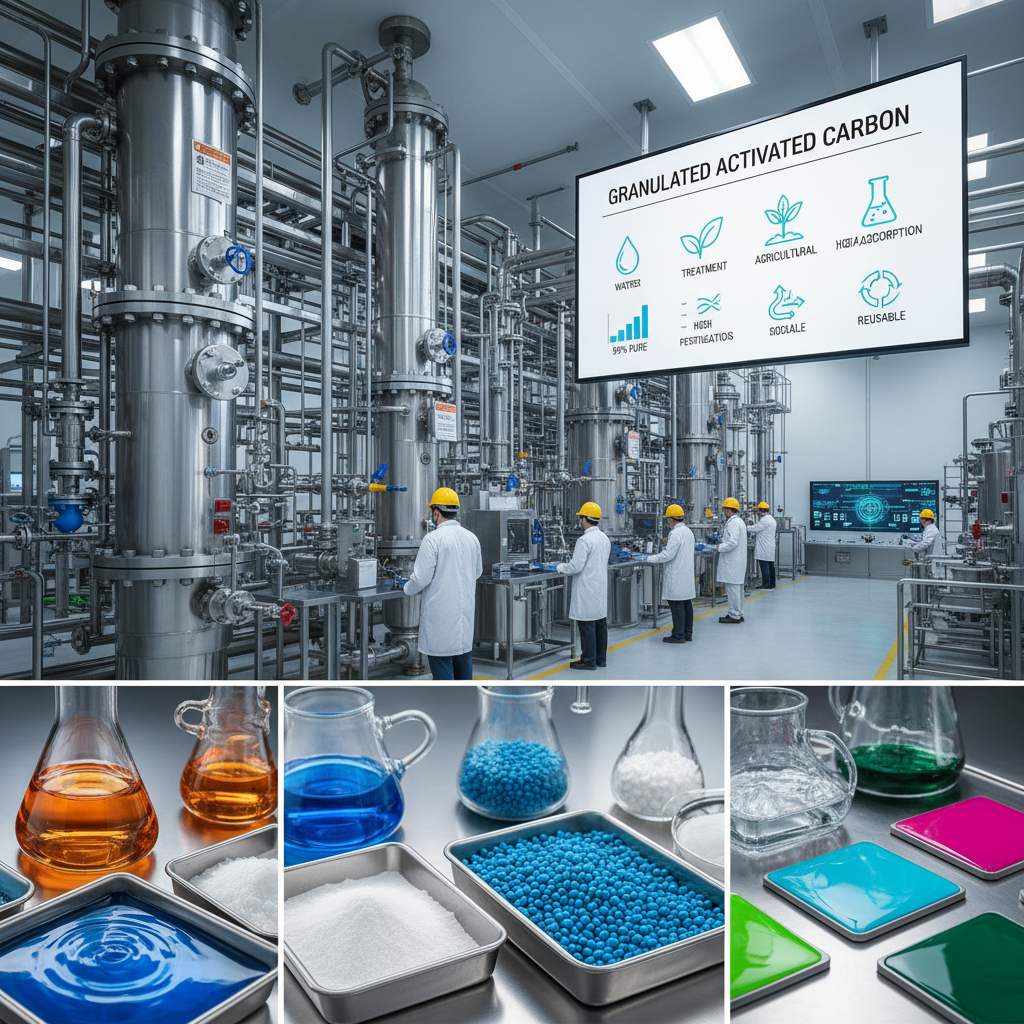
Over time, GAC becomes saturated with contaminants and its adsorption capacity decreases. Spent GAC can be regenerated by removing the adsorbed contaminants, typically through thermal oxidation or chemical treatment. Regeneration is a cost-effective alternative to disposal, but it's not always feasible for all types of contaminants. When regeneration is not possible, GAC must be disposed of responsibly, following local environmental regulations. Proper handling and disposal are crucial to prevent environmental contamination.
Conclusion: Harnessing the Power of Granulated Activated Carbon
Granulated activated carbon remains an indispensable tool for purification and separation across a wide spectrum of industries. Its exceptional adsorption capabilities, versatility, and cost-effectiveness make it a preferred choice for tackling diverse environmental and industrial challenges. Understanding its properties, applications, and proper handling is essential for maximizing its benefits and ensuring sustainable practices.
Frequently Asked Questions (FAQs)
What is the difference between powdered activated carbon (PAC) and granulated activated carbon (GAC)?
PAC and GAC differ primarily in particle size. PAC has a much smaller particle size than GAC, making it ideal for applications requiring rapid adsorption, such as emergency water treatment. However, PAC is more difficult to filter and recover compared to GAC. GAC, with its larger particle size, is better suited for continuous filtration systems and offers easier regeneration and disposal options. The choice between PAC and GAC depends on the specific application and process requirements.
How do I know when GAC needs to be replaced or regenerated?
The need for replacement or regeneration is determined by monitoring the effluent quality and breakthrough curves. Breakthrough occurs when the contaminant concentration in the effluent starts to increase, indicating that the GAC is nearing saturation. Regular monitoring of pressure drop across the GAC bed can also indicate fouling and reduced performance. When breakthrough occurs, the GAC should be either regenerated or replaced, depending on the type of contaminant and the regeneration feasibility.
Is GAC effective in removing all types of contaminants?
While GAC is incredibly versatile, it's not universally effective against all contaminants. It excels at removing organic compounds, chlorine, taste, and odor. However, it's less effective at removing certain inorganic contaminants, such as nitrate and heavy metals, unless specifically modified. For these contaminants, other treatment technologies may be required. The effectiveness of GAC depends on the specific contaminant's characteristics and the GAC's properties.
What are the environmental considerations when disposing of spent GAC?
Spent GAC may contain hazardous contaminants and must be disposed of responsibly. Landfilling is often regulated and may require pre-treatment. Incineration can destroy organic contaminants but may release air pollutants. Regeneration is the preferred environmental option when feasible, as it reduces waste and conserves resources. Always consult local environmental regulations and work with a qualified waste disposal provider.