
Mining Collector Xanthate (Sodium Isopropyl Xanthate) for Beneficiation

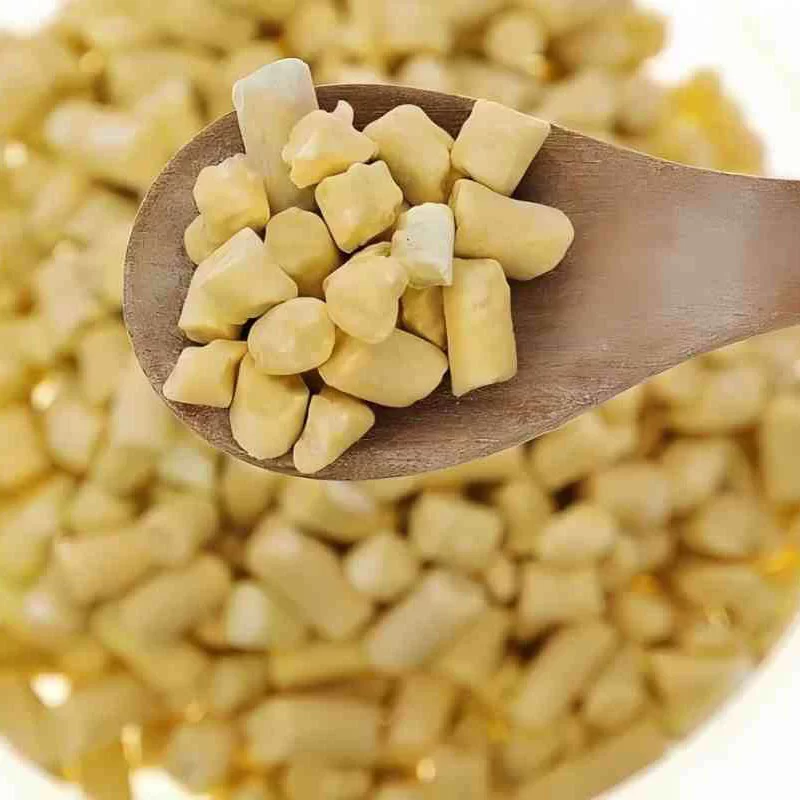


Xanthate, also known as yellow medicine. Xanthate has a wide range of uses. In the rubber industry, it is used as a vulcanization accelerator. In analytical chemistry, ethyl sodium xanthate is used as a precipitating agent and colorimetric for copper, nickel, etc. In the metallurgical industry, it is used as a reagent for precipitating copper, nickel, etc. in solutions. Cellulose-based sodium xanthate is used in artificial fibers, and starch-based xanthates are used in sewage treatment. Meanwhile, xanthate is currently the most widely used collecting agent in the world, especially indispensable in the beneficiation and flotation processes of heavy metal sulfide ores. Additionally, it is a commonly used extractant in the recovery of precious metals. Xanthate is a yellow powder-like solid at room temperature, and its color often darkens due to the presence of impurities. Toxic, flammable, hygroscopic, unstable in nature, readily soluble in water, acetone and the corresponding alcohols. The pure product has a slight odor, which is the smell of its slow decomposition products. Due to the presence of impurities, its decomposition is often accelerated, so it usually has an unpleasant smell. The decomposition of xanthate depends on the pH value of the solution. In acidic solutions, xanthan acid is a very unstable weak acid that decomposes extremely easily. The lower the pH value, the faster the decomposition.
Dry Pellet | Compound Pellet | ||
Items | Grade | Items | Grade |
Appearance | Yellow or grey white | Appearance | Yellow or grey white |
Active Component | ≥90% | Active Component | ≥85% |
Free Alkali | ≤0.2% | Free Alkali | ≤0.5% |
Moisture&Volatile | ≤4.0% | Moisture&Volatile | ≤10.0% |
Solubility | Soluble in water | Solubility | Soluble in water |


The colletcting power of isopropyl sodium xanthate is slightly stronger than that of ethyl sodium xanthate.It is mainly used in the flotation of various non-ferrous metal sulfide ore.It is also applicable as vulcanization accelerator in the rubber industry and precipitant in the hydrometallurgical industry.
Xanthates in mining are widely used as flotation collectors, particularly in the processing of sulfide ores containing valuable metals such as copper, lead, zinc, nickel, and precious-metal-bearing minerals. In froth flotation, their primary function is to selectively modify mineral surfaces so that target particles become more hydrophobic and can attach to air bubbles. These mineral-bearing bubbles rise into the froth layer, allowing valuable minerals to be separated from unwanted gangue.
Chemically, xanthates are salts derived from xanthic acid and are commonly supplied as sodium or potassium salts. Commercial mining grades include sodium isopropyl xanthate (SIPX), sodium ethyl xanthate (SEX), potassium amyl xanthate (PAX), and related products. Different xanthates provide different levels of collecting strength and selectivity, so reagent selection should be based on ore mineralogy, flotation conditions, recovery objectives, and the overall reagent scheme rather than simply choosing the strongest collector.
The importance of xanthates in mining comes from their effectiveness in sulfide mineral flotation. When introduced into a properly controlled flotation circuit, xanthate collectors interact with suitable mineral surfaces and promote bubble-particle attachment. This can help concentrators improve valuable-mineral recovery and achieve the concentrate quality required by downstream processing.
However, flotation performance depends on much more than the xanthate itself. Ore composition, mineral liberation, particle size, pulp pH, water chemistry, oxidation state, conditioning time, reagent dosage, and interactions with frothers, activators, depressants, and modifiers can all influence results. Excessive collector dosage may also reduce selectivity in some flotation systems. For this reason, laboratory testing and plant trials are important when establishing or changing a reagent program.
From an operational perspective, mining companies should also evaluate product consistency, purity, packaging, storage requirements, technical documentation, and supplier quality control. Xanthates require appropriate handling and storage in accordance with the supplier’s safety data sheet and applicable regulations.
For mineral processors, the key question is therefore not simply whether to use xanthates, but which xanthate, at what dosage, and under what flotation conditions will provide the appropriate balance between recovery, selectivity, concentrate quality, and operating cost.
Xanthates are among the most widely used collectors in froth flotation, particularly for separating valuable sulfide minerals from unwanted gangue. Their primary function is to modify the surface properties of selected mineral particles, making them more hydrophobic so they can attach to air bubbles and report to the flotation froth. Among common xanthate collectors, sodium isopropyl xanthate is frequently used in the processing of copper, lead, zinc, nickel, and other sulfide-bearing ores.
The flotation mechanism begins when xanthate ions interact with suitable mineral surfaces in the pulp. Under appropriate chemical conditions, the collector adsorbs or reacts at the mineral-water interface and creates a more water-repellent surface. When air is introduced into the flotation cell, these conditioned mineral particles are more likely to attach to rising bubbles. The resulting mineral-rich froth can then be collected, while much of the hydrophilic gangue remains in the slurry.
Sodium isopropyl xanthate is valued as a practical sulfide mineral collector because it can provide a useful balance between collecting strength and selectivity in many flotation circuits. However, flotation performance depends on much more than collector selection alone. Ore mineralogy, liberation size, pulp pH, oxidation state, water chemistry, reagent dosage, conditioning time, and the presence of activators, depressants, or frothers can all influence recovery and concentrate grade.
For this reason, there is no universal sodium isopropyl xanthate dosage that delivers optimum performance for every ore. Mineral processing plants typically establish reagent conditions through laboratory flotation tests, mineralogical analysis, and controlled plant trials. Excessive collector addition may increase reagent consumption or reduce selectivity by promoting the recovery of unwanted minerals, while insufficient dosage can result in poor valuable-mineral recovery.
For mining operations evaluating sodium isopropyl xanthate, the most important consideration is therefore not simply collector strength, but how the reagent performs within the complete flotation chemistry of a specific ore. Selecting the appropriate xanthate and optimizing operating conditions can help plants pursue a practical balance among mineral recovery, concentrate quality, reagent consumption, and overall flotation efficiency.
Sodium isopropyl xanthate (SIPX) is a commonly used collector in froth flotation, particularly for the recovery of sulfide minerals containing copper, lead, zinc, and other valuable metals. When selecting a xanthate collector, mineral processing operators need to consider more than collection strength alone. Ore mineralogy, selectivity requirements, flotation conditions, reagent dosage, and downstream recovery targets can all influence which xanthate performs best.
Compared with shorter-chain xanthates such as sodium ethyl xanthate (SEX), sodium isopropyl xanthate generally provides stronger collecting action and greater hydrophobicity. This can make SIPX suitable for ores where stronger mineral attachment is required to achieve acceptable recovery. However, increasing collector strength may reduce selectivity in some flotation circuits, particularly when several sulfide minerals are present.
Compared with stronger collectors such as sodium isobutyl xanthate (SIBX) or potassium amyl xanthate (PAX), SIPX can offer a useful balance between collecting power and selectivity. PAX is often selected when aggressive collection is needed, while SIPX may be considered where operators want effective sulfide mineral recovery without automatically choosing one of the stronger xanthate options.
| Xanthate Collector | Relative Collecting Strength | Typical Consideration |
|---|---|---|
| Sodium Ethyl Xanthate (SEX) | Lower | Higher selectivity may be useful in some circuits |
| Sodium Isopropyl Xanthate (SIPX) | Moderate | Balance of collection strength and selectivity |
| Sodium Isobutyl Xanthate (SIBX) | Moderate–High | Stronger collection for certain sulfide ores |
| Potassium Amyl Xanthate (PAX) | High | Used when stronger collecting action is required |
There is no universally “best” xanthate collector. The optimum reagent should be determined through mineralogical analysis and laboratory or plant flotation testing under representative operating conditions. Variables such as ore composition, pH, particle size, water chemistry, depressants, activators, and target concentrate grade can materially affect performance.
For mining companies evaluating sodium isopropyl xanthate, the practical goal is therefore to match collector chemistry with the specific ore and flotation flowsheet. A technically appropriate SIPX grade, supported by consistent product specifications, quality control, and application guidance, can help operators pursue stable recovery and concentrate quality while optimizing reagent consumption.
Choosing an isopropyl xanthate supplier is not simply a matter of comparing prices. For mining companies and mineral processing operations, factors such as product consistency, specifications, supply reliability, packaging, documentation, and technical communication can directly affect procurement efficiency and flotation performance. Jiuzhou Chemical positions its isopropyl xanthate supply around these practical requirements for international mining customers.
One important consideration is consistent product quality. Sodium isopropyl xanthate (SIPX) is widely used as a collector in the froth flotation of sulfide minerals. Because flotation results depend on ore mineralogy and operating conditions, buyers should source SIPX against clearly defined specifications and verify each shipment against the agreed quality requirements. Jiuzhou Chemical can support buyers by providing relevant product specifications and batch documentation according to commercial requirements.
Supply stability is equally important. Mining operations often consume flotation reagents continuously, so delayed or inconsistent deliveries can create unnecessary procurement and inventory risks. When evaluating Jiuzhou Chemical or any xanthate manufacturer, purchasing teams should confirm production capacity, lead time, minimum order quantity, packaging options, and export arrangements before placing bulk or recurring orders.
For international buyers, safe handling and logistics documentation are also essential considerations. Xanthate products require appropriate packaging, storage, transportation, and handling procedures. Buyers should request the current Safety Data Sheet (SDS), technical documentation, packaging details, and applicable transport information for the specific isopropyl xanthate grade being purchased.
Another advantage of working directly with a specialized chemical supplier is the ability to discuss application-specific requirements. Buyers can provide information about the target mineral, flotation circuit, required product grade, expected consumption, and destination market so that the supplier can recommend an appropriate commercial specification. Final reagent selection and dosage, however, should always be validated through laboratory or plant flotation testing.
For companies sourcing sodium isopropyl xanthate for copper, lead, zinc, or other sulfide mineral flotation, Jiuzhou Chemical can be considered as a potential supply partner based on verified specifications, documentation, commercial terms, and delivery capability. Before procurement, buyers should compare these factors against their own technical and regulatory requirements to make an evidence-based sourcing decision.
Xanthates are chemical reagents widely used as collectors in froth flotation, especially for sulfide minerals. They help make selected mineral surfaces more hydrophobic, allowing valuable minerals to attach to air bubbles and be separated from unwanted gangue. Common products include sodium isopropyl xanthate (SIPX), sodium isobutyl xanthate (SIBX), and potassium amyl xanthate (PAX).
Sodium isopropyl xanthate is primarily used as a flotation collector in mineral processing. Depending on ore mineralogy and flotation conditions, SIPX may be applied in the recovery of copper, lead, zinc, and other sulfide minerals.
SIPX interacts with suitable mineral surfaces and increases their hydrophobicity. During froth flotation, these hydrophobic particles can attach to air bubbles and move into the froth phase, enabling separation from less hydrophobic material.
The main differences involve molecular structure, collecting strength, and selectivity. Sodium isopropyl xanthate (SIPX) is commonly selected when a balance between collecting power and selectivity is desired. SIBX and PAX can provide stronger collecting action in certain flotation systems. Actual performance should be confirmed through ore-specific testing.
There is no single xanthate that is best for every ore. Selection depends on mineral composition, oxidation state, pH, particle size, water chemistry, target recovery, concentrate grade, and other reagents used in the circuit. Laboratory flotation tests are generally recommended before changing collector type or dosage.
Xanthate dosage varies significantly between ores and processing circuits. Using more collector does not necessarily improve overall flotation performance and may affect selectivity. The appropriate dosage should be established through controlled testing and optimized according to plant results.
Xanthates should be stored and handled according to the manufacturer's current Safety Data Sheet (SDS) and applicable regulations. Storage conditions, incompatible materials, packaging integrity, personal protective equipment, and transportation requirements should be reviewed before use.
Mining companies should evaluate product specifications, batch consistency, quality-control documentation, SDS availability, packaging, production and delivery capability, export experience, and technical support. For sodium isopropyl xanthate, buyers should also confirm that the supplied grade and specifications match their flotation process requirements.

Looking for premium Liquid Mercury Hg? As leading China suppliers and a certified factory, we provide 99.999 purity mercury for gold extraction, thermometers, and sphygmomanometers with full export compliance.
Product Description
Mercury, chemically known as mercury (Hg), is the only metal that exists in liquid form at normal temperature and pressure. It has a silvery-white metallic luster, is highly fluid and has an extremely high density (13.59 g/cm³). Its unique physical and chemical properties, such as a low melting point (-38.87℃), high boiling point (356.6℃), stable coefficient of thermal expansion, and extremely low vapor pressure, make it a core material for many special products.
Basic Info
Product Name | Mercury |
Content (Hg)% | ≥99.999% |
Iron (Fe)% Iron (FE)% | ≤0.00002 |
Other heavy metals (in lead)% | ≤0.00004 |

Sodium cyanide is a white crystalline powder at normal temperature and pressure. It is highly soluble in water, and its aqueous solution is strongly alkaline.
Sodium cyanide is an important chemical raw material, mainly applied in the following fields:
Electroplating industry: It is used for electroplating and surface treatment of metals, which can enhance the smoothness and adhesion of the coating.
Metallurgical industry: It is used for extracting precious metals such as gold and silver. By taking advantage of the property that cyanide ions form stable complexes with precious metal ions, it achieves the enrichment and separation of precious metals.
Organic synthesis: As an intermediate, it is used in the manufacture of drugs, dyes, pesticides and other chemicals.
It is widely used for Gold, Silver extraction. It is a main part of plating liquids for zinc,copper, gold, silver, cadmium etc. It also used as the raw material for fine chemicals, pharmaceutical intermediates, pesticide intermediates, etc.
1、In 50kgs iron drums lined with PE bags. Normally in black & blue color, also can be painted according with customer’s request.
2、In 1000kgs wooden boxes,with inner woven bags & PE bags.
| Molecular formula | NaCN | Molar mass | 49.01 g/mol |
| Appearance | white crystalline pills | CAS number | [143-33-9] |
Item | Specification |
Purity (NaCN) | 98.0% min. |
Sodium Hydroxide (NaOH) | 0.5% max. |
Sodium Carbonate (Na2CO3) | 0.5% max. |
Water (H2O) | 0.5% max. |
Water Insoluble | 0.05% max. |