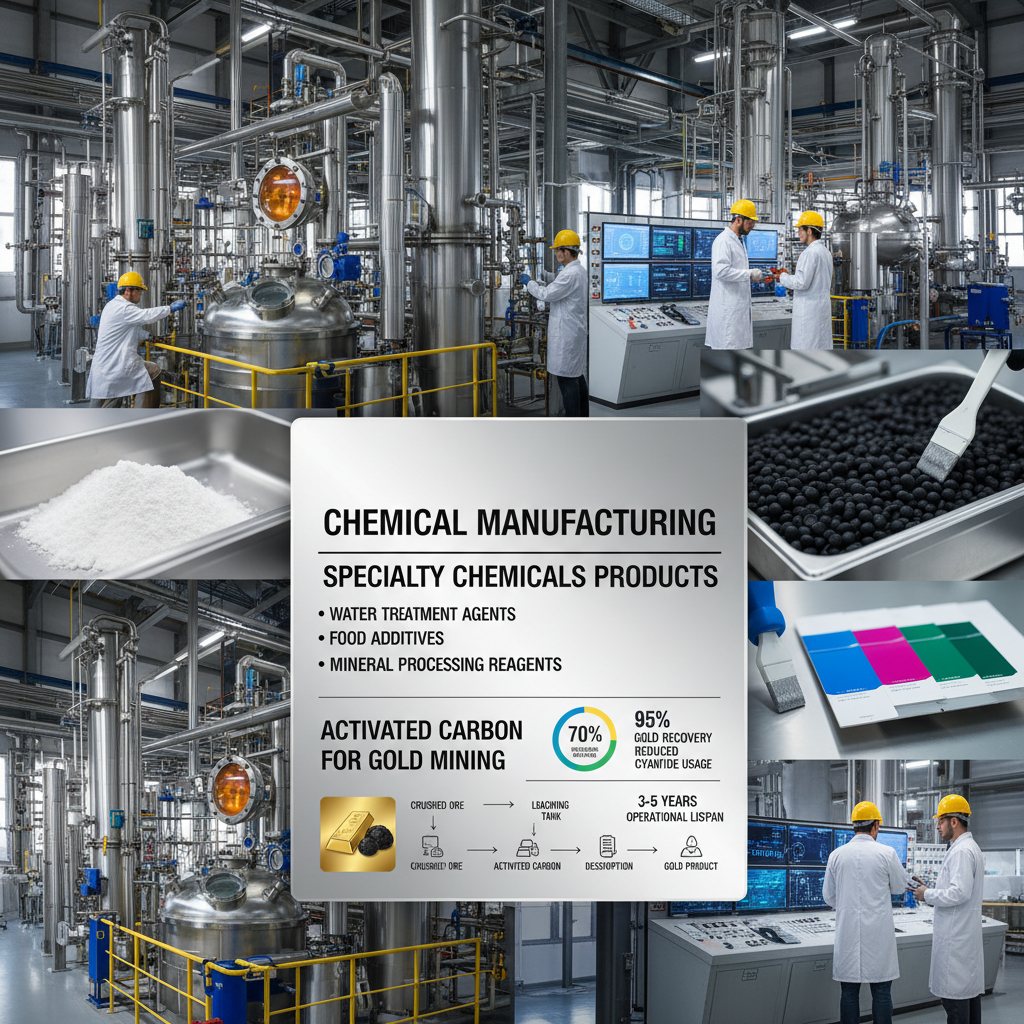
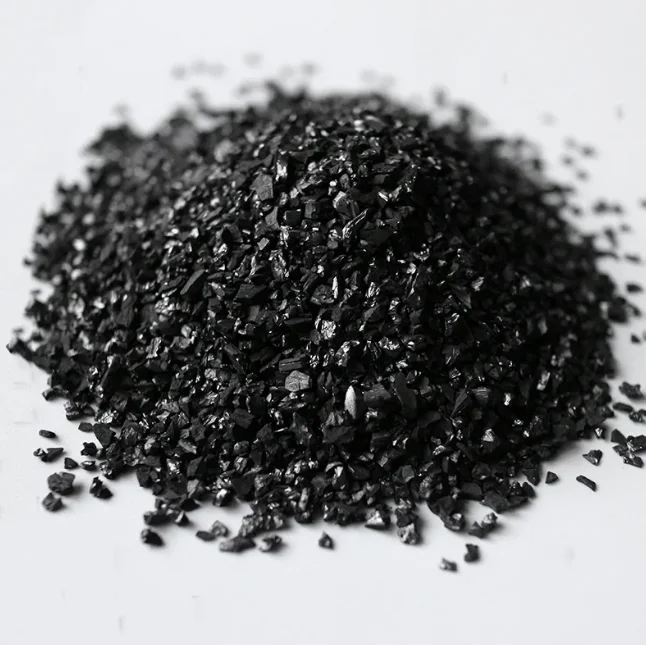
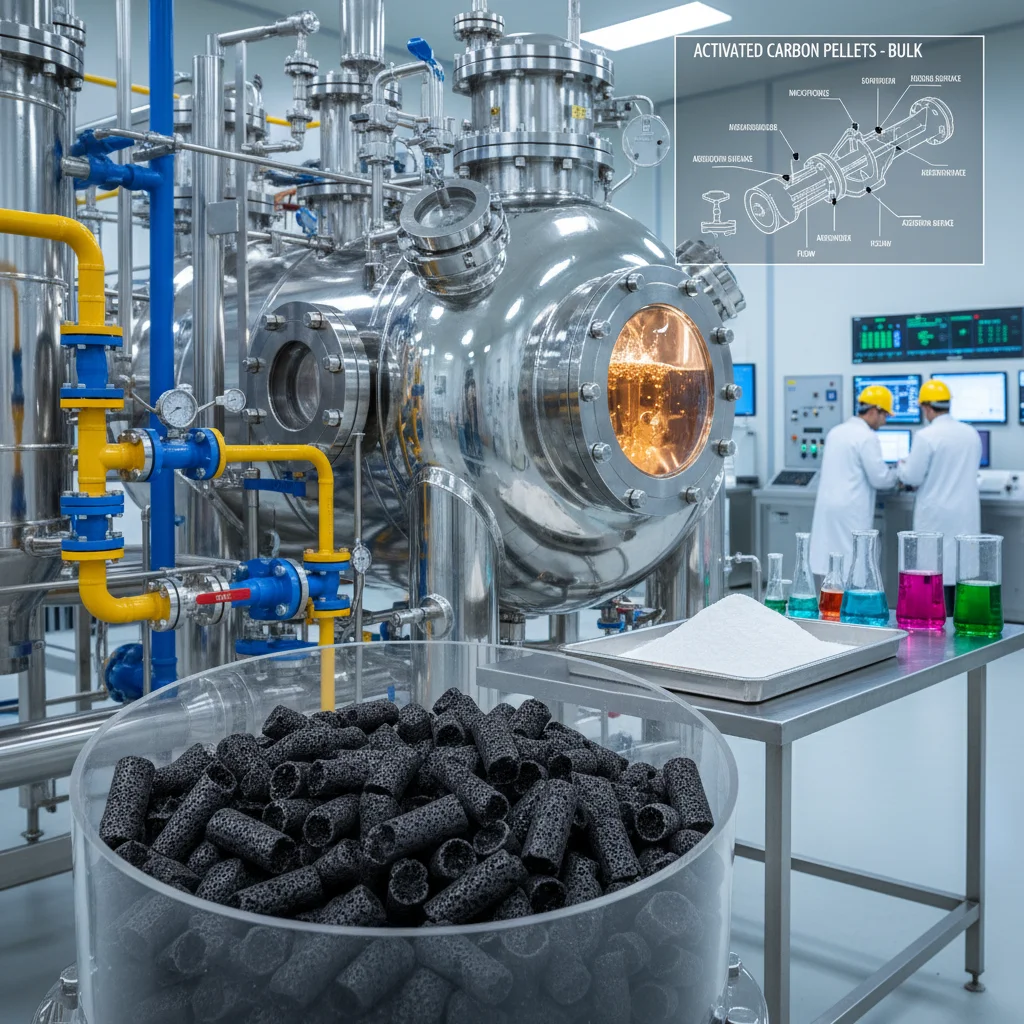
Activated carbon for gold mining isn’t just a chemical process; it's the backbone of modern gold recovery, plain and simple. I’ve spent years walking circuits, talking to operators, and seeing firsthand how crucial this stuff is. It's more than just theoretical yield; it impacts bottom lines, environmental compliance, and ultimately, getting the gold out of the ground efficiently. It’s a constantly evolving field, with new carbon types and reactivation techniques coming online all the time, and staying ahead of the curve is what separates a good operation from a great one.
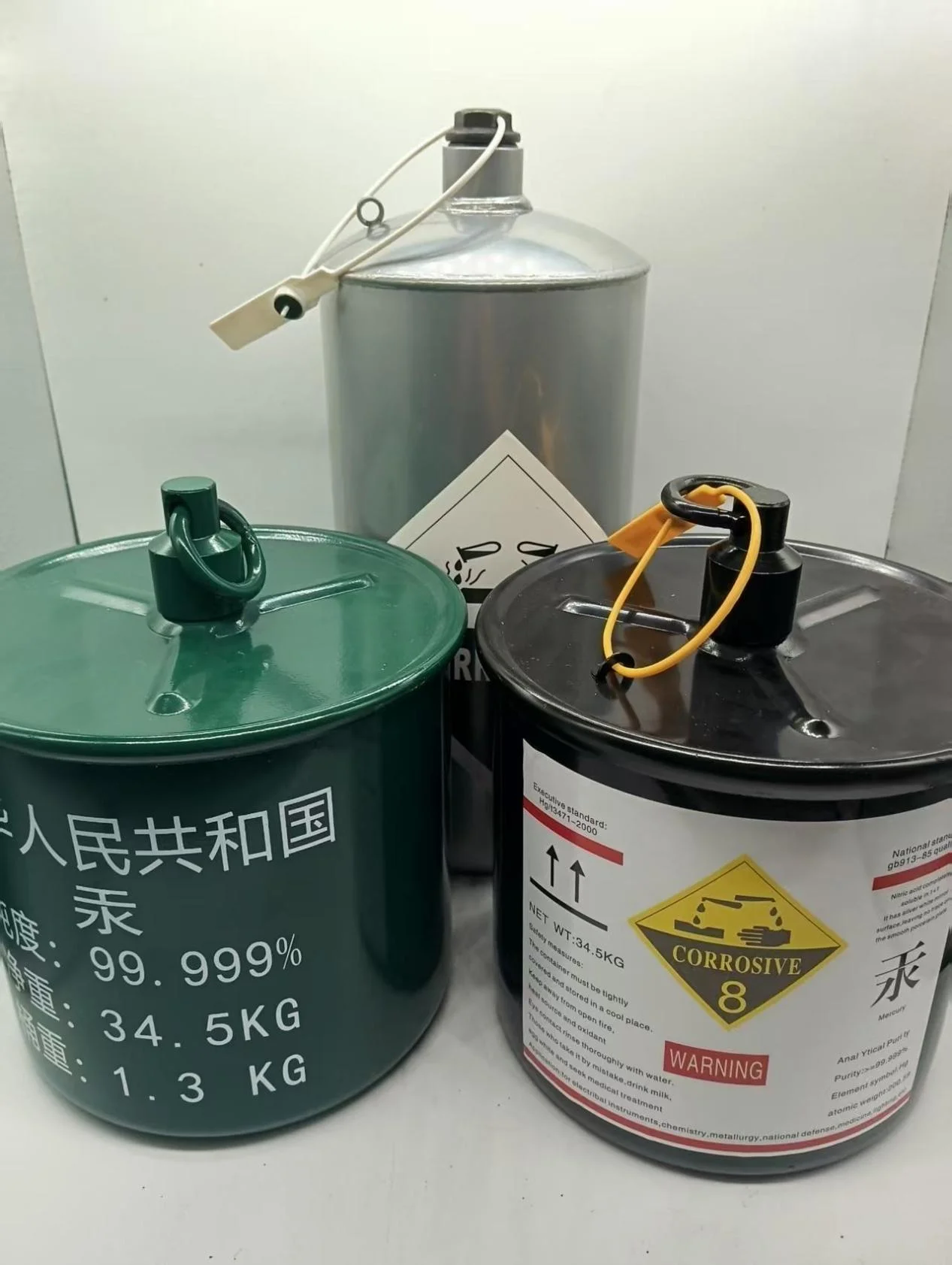
The gold mining industry has always been about maximizing recovery while minimizing cost. What I've noticed over the years is a real shift toward sustainable practices, and activated carbon plays a huge role in that. Historically, mercury amalgamation was common, but that's largely phased out due to environmental concerns. Cyanidation, combined with carbon-in-pulp (CIP) and carbon-in-leach (CIL) processes using activated carbon, has become the standard, and rightfully so. It's effective, scalable, and – when managed correctly – responsible.
Understanding activated carbon isn’t some ivory tower exercise; it's about knowing how different properties impact real-world performance. I've seen operations crippled by choosing the wrong carbon for their ore type, or failing to maintain proper carbon management. The devil’s in the details, and those details can mean the difference between a profitable run and a costly shutdown. That's why a deep dive into what makes this material tick is essential for anyone involved in gold production.
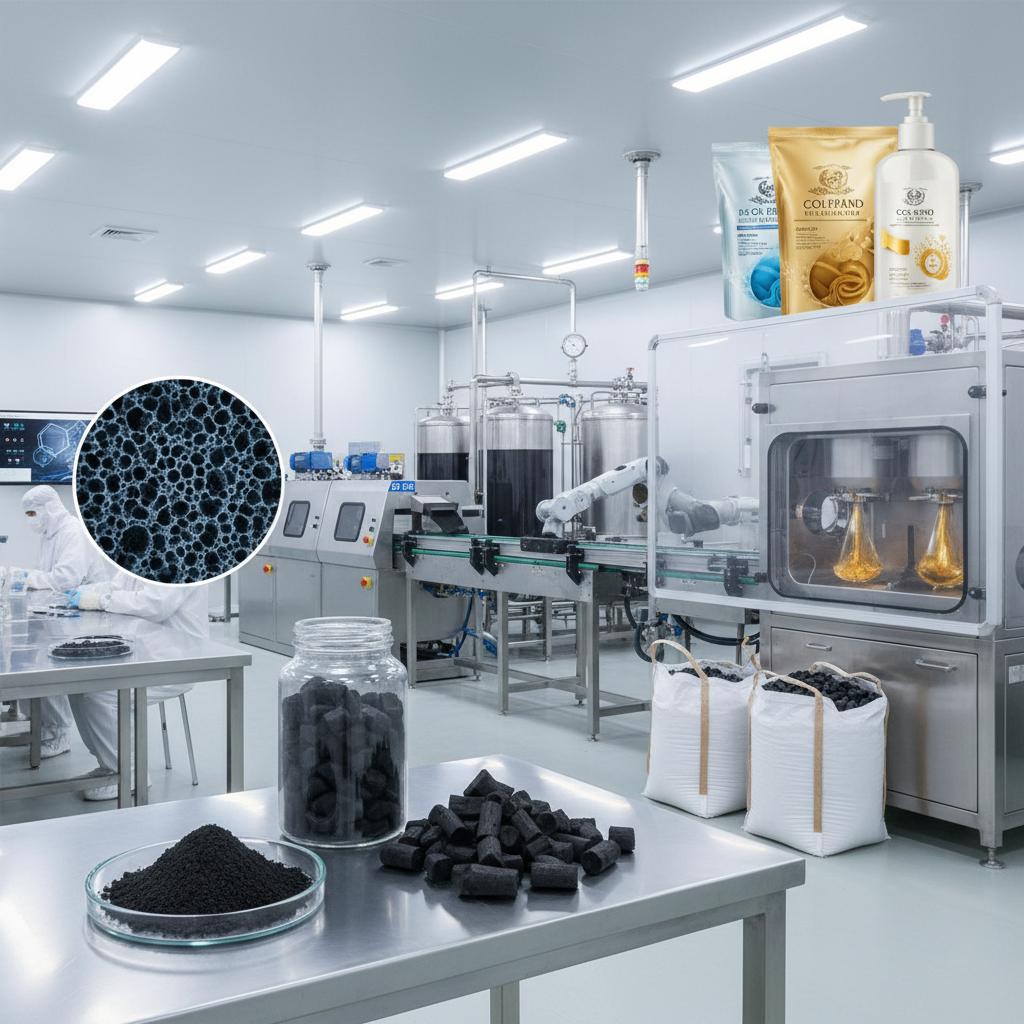
The Fundamentals of activated carbon for gold mining
Activated carbon for gold mining isn't just about adsorption; it's about selectivity. You’re not just grabbing any dissolved substance – you’re targeting gold cyanide complexes specifically. The pore structure, surface area, and surface chemistry all dictate how effectively the carbon pulls gold from the solution. I've seen operators spend a fortune on “premium” carbon that didn't perform because it wasn’t matched to their ore’s cyanide concentration or pH levels.
It all starts with the raw material, usually coal, wood, or coconut shell. Then, it goes through activation – a process that creates that massive internal surface area. This activation can be physical (using steam) or chemical (using acids). Each method yields different carbon characteristics. From a practical standpoint, the source material and activation process influence the carbon’s hardness, density, and attrition resistance – crucial factors for handling and longevity in the CIP/CIL circuit.
Global Relevance and Industry Challenges
Gold mining's a global game, and the demand for activated carbon is tied directly to gold production. Major gold-producing countries like China, Australia, Russia, and the US all rely heavily on it. The UN estimates global gold demand will continue to rise, driven by economic uncertainty and investment, meaning the pressure on carbon supply and performance will only increase. We’re seeing a lot of older mines re-opening, and often, their infrastructure is outdated, meaning carbon management becomes even more critical.
One of the biggest challenges is consistent carbon quality. There are a lot of suppliers out there, and not all carbon is created equal. I’ve encountered huge variations in performance even within the same carbon specification. Another key issue is carbon attrition – the breakdown of the carbon particles during handling and processing. This creates fines that reduce gold recovery and can foul up downstream equipment. Proper handling procedures and robust carbon handling systems are essential, but often overlooked.
And let’s not forget reactivation. Throwing away spent carbon is expensive and environmentally irresponsible. A well-run reactivation circuit can significantly reduce operating costs and minimize environmental impact, but it requires significant capital investment and skilled operators. That's a hurdle for smaller operations, and it often leads to them just disposing of their spent carbon.
Defining Activated Carbon for Gold Mining
Simply put, activated carbon for gold mining is a specially treated form of carbon with an incredibly large surface area. This massive surface area is what allows it to effectively adsorb gold cyanide complexes from mining solutions. It's the key component in the Carbon-In-Pulp (CIP) and Carbon-In-Leach (CIL) processes, the industry standard for gold recovery. It’s not just a filter; it's a highly engineered material designed to selectively capture gold.
The connection to modern industry is direct. Without effective gold recovery methods like CIP/CIL, a significant portion of the world’s gold supply would remain inaccessible. This impacts everything from jewelry and electronics to investment markets and industrial applications. It's also critical for humanitarian needs - gold is often used as a store of value in times of economic instability.
Unlike simply filtering out solids, activated carbon specifically targets the gold dissolved in the cyanide solution. This allows for the recovery of very fine gold particles that would otherwise be lost. And, unlike older methods like mercury amalgamation, it’s a far more environmentally responsible approach when properly managed. It’s about responsible resource extraction.
Key Performance Indicators of Activated Carbon
When I’m evaluating carbon, I don’t just look at the spec sheet; I look at how it performs in our circuit. There are a few key factors that I focus on. First, Adsorption Capacity – how much gold can it actually pull out of the solution? Second, Attrition Resistance – can it withstand the constant grinding and movement without breaking down into fines? That's critical for reducing losses and maintaining efficiency.
Third, Gold Loading Capacity – how much gold can be loaded onto the carbon before it needs to be stripped? Higher loading means less frequent stripping cycles and lower operating costs. Fourth, Stripping Efficiency – how easily can the gold be removed from the carbon during the stripping process? A low stripping efficiency means leaving gold on the table. And finally, Regeneration Potential – how many reactivation cycles can the carbon withstand before it loses its effectiveness? That’s a huge factor in long-term cost savings.
Activated Carbon Performance Comparison
Global Applications in Gold Extraction
You’ll find activated carbon used in gold operations across the globe – from the large-scale mines in South Africa and Australia to smaller alluvial operations in South America and Africa. The vast majority utilize CIP or CIL circuits. The specific carbon type and process parameters are tailored to the ore characteristics, but the fundamental principles remain the same.
In Australia, you see a lot of focus on maximizing recovery from refractory ores, meaning ores where the gold is locked within other minerals. They often employ pre-treatment processes, like pressure oxidation, before the CIP/CIL stage to liberate the gold and make it accessible to the carbon. In South America, especially in the artisanal mining sector, responsible sourcing and environmental concerns are driving a move towards more efficient and sustainable carbon-based recovery methods.
Advantages and Long-Term Value Proposition
The biggest advantage is, without a doubt, recovery. Compared to older methods, CIP/CIL with activated carbon significantly increases the amount of gold you get out of the ore. That translates directly to increased revenue. But it's not just about yield. It’s about sustainability. Proper carbon management and reactivation minimize environmental impact, reducing the need for fresh carbon production and waste disposal.
Long-term, a well-optimized carbon circuit is a cost saver. Investing in high-quality carbon, proper handling equipment, and an efficient reactivation system pays off in the long run. It builds trust with stakeholders, ensuring responsible operations and a positive public image. And, from a safety perspective, it eliminates the risks associated with hazardous chemicals like mercury.
Future Trends and Innovations in Carbon Technology
We're seeing a lot of research into new carbon materials – things like graphene-enhanced activated carbon that offer even higher adsorption capacity and selectivity. These materials are still expensive, but the potential is huge. There's also a lot of work going into optimizing reactivation processes, using more energy-efficient techniques and reducing waste.
Digitalization is playing a bigger role too. Real-time monitoring of carbon performance, coupled with predictive analytics, can help operators optimize their circuits and prevent problems before they occur. Automated carbon handling systems are also becoming more common, reducing labor costs and improving safety. The future is about smarter, more efficient carbon management.
And finally, the push for circular economy principles means a greater emphasis on carbon recycling and reuse. We're moving away from a linear "take-make-dispose" model to a more sustainable closed-loop system. It's a challenging transition, but it's essential for the long-term viability of the gold mining industry.
Activated Carbon Performance Analysis
| Carbon Type |
Adsorption Rate (mg/g) |
Attrition Loss (%) |
Regeneration Cycles |
| Coal-Based |
8.5 |
3.2 |
45 |
| Wood-Based |
7.9 |
4.1 |
38 |
| Coconut Shell-Based |
9.2 |
2.8 |
52 |
| Graphene Enhanced |
11.1 |
1.5 |
60 |
| Chemically Activated |
8.8 |
3.5 |
40 |
| Steam Activated |
7.5 |
4.5 |
35 |
FAQS
The lifespan of activated carbon really depends on the ore body's characteristics, the efficiency of the reactivation process, and how well the carbon is handled. A properly managed carbon circuit can see carbon lasting for several years, with regular reactivation. However, attrition and fouling can shorten that lifespan considerably. We generally see a noticeable drop in adsorption capacity after around 50-60 regeneration cycles, signaling it's time for replacement.
The ore type is critical. For example, ores with high organic carbon content can foul the activated carbon quickly, reducing its adsorption capacity. Refractory ores, where the gold is locked within other minerals, require more aggressive leaching and potentially pre-treatment before the carbon can effectively recover the gold. Harder carbons are better suited to circuits with higher attrition rates, while softer carbons might be preferred for ores that don’t generate as much fines.
Generally, yes, but it depends on the scale of your operation and the cost of energy and maintenance. For larger mines, reactivation is almost always more economical than continuously purchasing fresh carbon. However, smaller operations might find that the upfront investment in a reactivation kiln and the ongoing operating costs outweigh the savings. Proper maintenance and optimizing the reactivation process are crucial to maximizing cost-effectiveness.
Dust explosions are a major concern. Activated carbon dust is highly flammable. Proper ventilation, grounding, and the use of intrinsically safe equipment are essential. Also, spent carbon can be pyrophoric – meaning it can spontaneously combust when exposed to air, especially if it contains residual cyanide. Careful handling and proper quenching procedures are critical.
Regular sampling and analysis are key. You need to monitor gold loading, stripping efficiency, and attrition rates. Also, look for signs of fouling or poisoning. Many operations now use online monitoring systems that provide real-time data on carbon performance. This allows for proactive adjustments to the process and prevents costly downtime.
pH is crucial. The optimal pH for gold adsorption onto activated carbon is typically between 9 and 11. If the pH is too low, the cyanide complexes may not form properly. If it’s too high, you can start to see the formation of insoluble metal hydroxides that can foul the carbon. Maintaining the correct pH is essential for maximizing gold recovery.
Conclusion
Activated carbon for gold mining is far more than just a commodity; it's a critical component of a complex process. Its effectiveness isn't just about the chemical properties of the material itself, but about how it’s applied, managed, and integrated into the overall gold extraction strategy. Understanding the nuances of carbon selection, handling, and reactivation is essential for maximizing recovery, minimizing costs, and ensuring environmental responsibility.
Looking ahead, the industry is poised for further innovation in carbon technology, driven by the demand for increased efficiency and sustainability. Investing in research, embracing digitalization, and adopting circular economy principles will be key to unlocking the full potential of activated carbon and securing the future of gold production. Visit our website to learn how we can help optimize your carbon circuit: activated carbon for gold mining