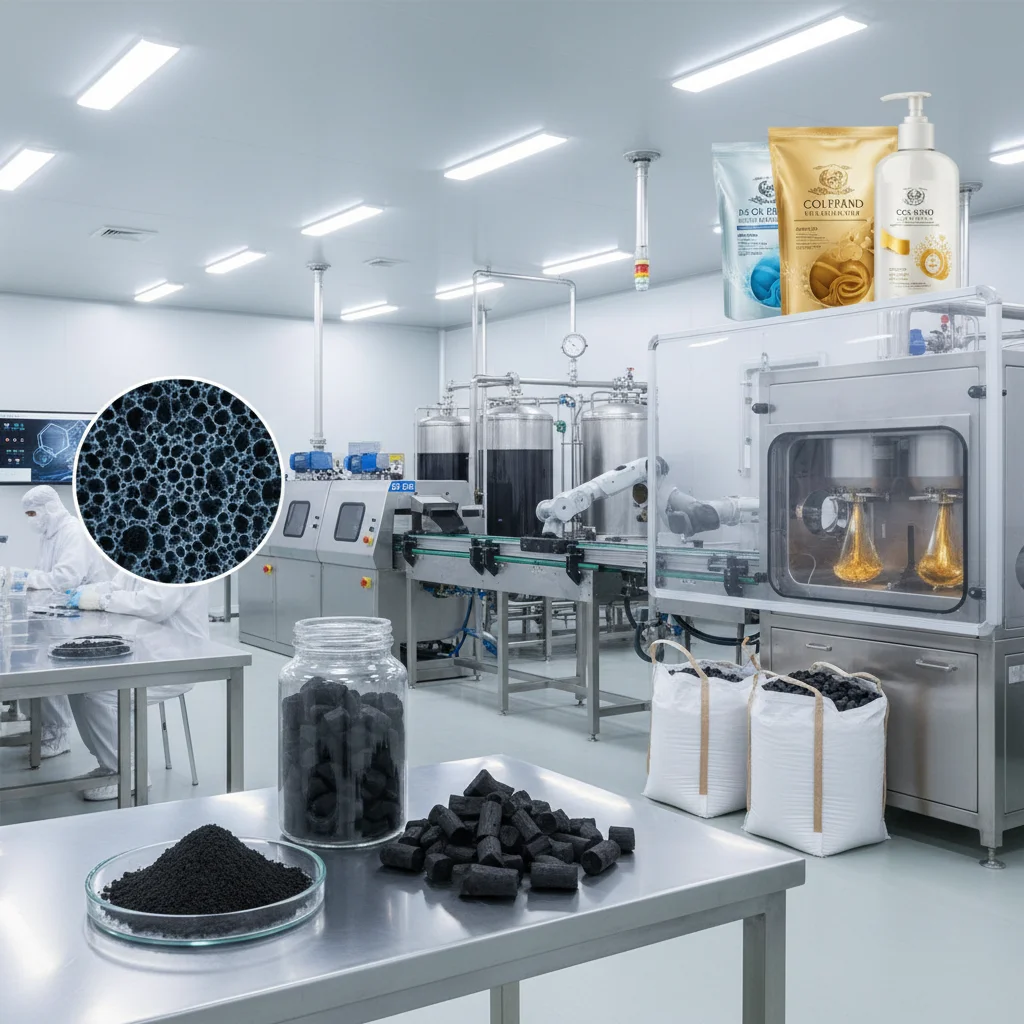
Industrial Filtration Guide for Pulverized Activated Carbon
The Ultimate Guide to Pulverized Activated Carbon for Industrial Filtration
In the world of advanced water treatment and gas purification, pulverized activated carbon (PAC) serves as a critical component for removing organic contaminants and odors. Unlike granular forms, the pulverized nature of this material provides a massive surface area, allowing for rapid adsorption kinetics and high efficiency in short contact times. Whether you are managing a municipal water plant or a specialized chemical facility, understanding the properties of PAC is essential for optimizing your filtration process. In this guide, we will explore the technical advantages, applications, and selection criteria for this powerful adsorbent.
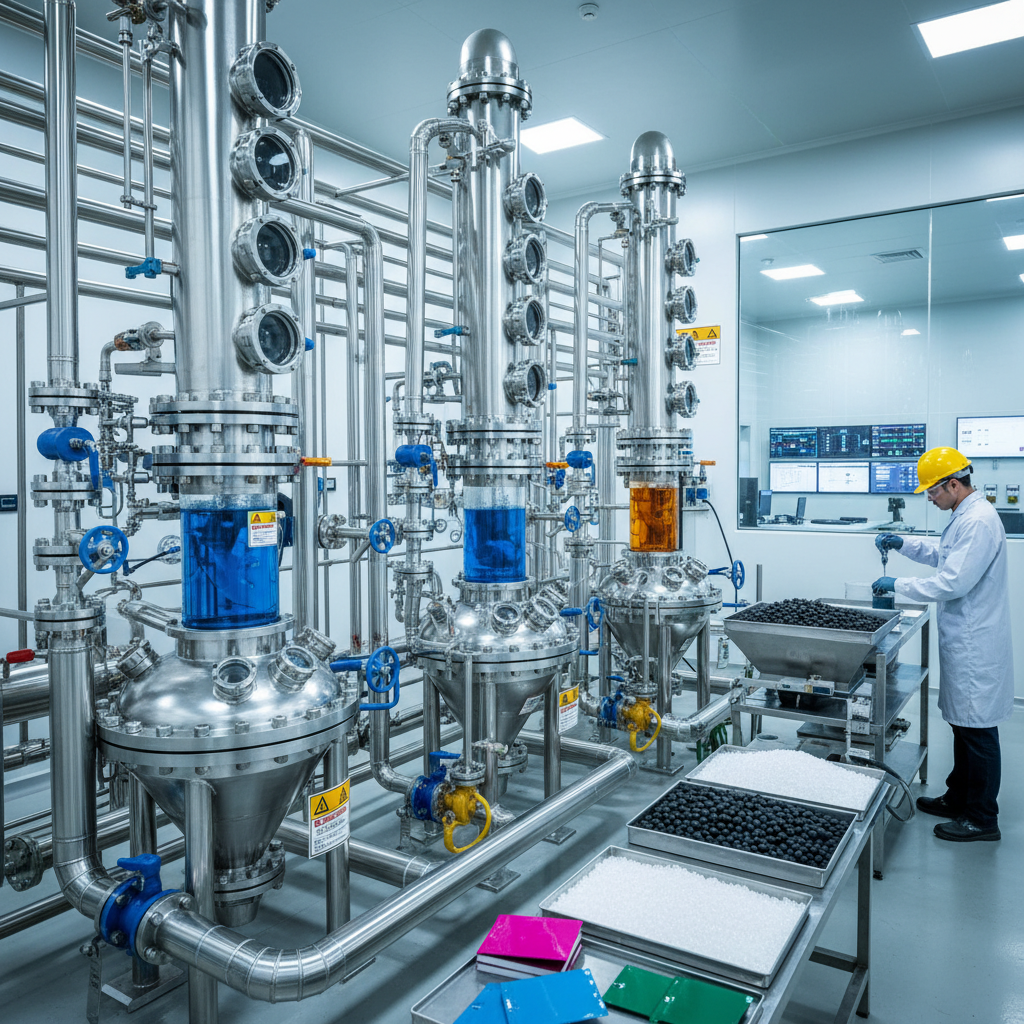
What is Pulverized Activated Carbon and How It Works
Pulverized activated carbon is a fine powder produced by grinding activated carbon into very small particles. This process drastically increases the external surface area, which means contaminants on the surface of the liquid or gas can reach the internal pore structure much faster than they would with larger granules. This makes pulverized activated carbon ideal for "batch" treatments or "slug" dosing, where the carbon is added directly to the water and later removed via sedimentation or filtration. Its ability to target volatile organic compounds (VOCs), chlorine, and taste-and-odor causing molecules makes it indispensable in modern environmental engineering.
Pro Tip: The efficiency of PAC is heavily dependent on the particle size distribution. A finer powder typically provides faster adsorption but may require more robust filtration systems to remove the carbon residues from the treated effluent.
Key Advantages of Using Pulverized Activated Carbon
The primary reason engineers choose pulverized activated carbon over other forms is its rapid response time. In scenarios where contaminant levels spike unexpectedly (such as seasonal algae blooms in reservoirs), PAC can be dosed immediately into the stream to neutralize the threat without needing to rebuild entire filter beds. Furthermore, it eliminates the need for expensive fixed-bed reactors in smaller operations, reducing initial capital expenditure. The flexibility to adjust dosage based on real-time water quality monitoring ensures that chemical usage is optimized and waste is minimized.
Operational Benefits:
• Immediate Implementation: No long lead times for installation.
• High Reactivity: Faster adsorption due to smaller particle size.
• Cost-Effective: Lower upfront costs for dosing equipment.
• Targeted Treatment: Ideal for removing specific seasonal contaminants.
Comparison: Pulverized vs. Granular Activated Carbon
Choosing between pulverized and granular carbon depends entirely on your system design. While granular carbon is best for continuous, long-term filtration in columns, pulverized activated carbon is the gold standard for rapid, temporary, or highly variable contaminant loads. The following table highlights the technical differences to help you make an informed decision for your facility.
Industrial Applications of Pulverized Activated Carbon
The versatility of pulverized activated carbon allows it to be utilized across diverse sectors. In municipal water treatment, it is frequently used to eliminate geosmin and MIB (2-Methylisoborneol), which cause unpleasant earthy smells in drinking water. In the pharmaceutical industry, it is used for the decolorization of liquids and the removal of impurities from active ingredients. Additionally, the food and beverage sector utilizes PAC to remove off-flavors from oils and syrups. Its ability to act as a catalyst support also makes it valuable in chemical synthesis and air purification systems.
Technical Specifications and Selection Criteria
When sourcing pulverized activated carbon, it is vital to look beyond the price. The Iodine Value is the most common indicator of adsorption capacity; the higher the value, the better the carbon's ability to adsorb small molecules. Furthermore, the ash content and moisture levels can affect the purity of the final product. Depending on the raw material (coconut shell, coal, or wood), the pore size distribution will vary, making some types better for micropollutants and others for larger organic molecules. Refer to the table below for standard industrial specifications.
Conclusion: Optimizing Your Process with High-Quality PAC
Selecting the right pulverized activated carbon can be the difference between a struggling filtration system and one that operates with peak efficiency. By leveraging the rapid adsorption kinetics of PAC, industries can respond flexibly to water quality fluctuations and ensure the highest standards of purity. When choosing a supplier, always prioritize purity, particle consistency, and proven adsorption capacity to ensure long-term operational success. Invest in quality carbon to protect your environment and your end-users.
Frequently Asked Questions (FAQs)
How do I determine the correct dosage of pulverized activated carbon?
The correct dosage depends on the concentration of the contaminants and the desired effluent quality. The most accurate method is to conduct a "Jar Test." In this process, multiple samples of the contaminated water are treated with varying doses of pulverized activated carbon. After a set contact time, the samples are filtered, and the remaining contaminant levels are measured. The lowest dose that achieves the target purity is selected for full-scale implementation. Factors like pH and temperature can also influence adsorption, so tests should be conducted under actual operating conditions.
Can pulverized activated carbon be reused?
Generally, PAC is considered a single-use adsorbent. Because it is added directly to the liquid stream, recovering the fine powder from the treated water is energy-intensive and often economically unfeasible. Unlike granular carbon, which remains in a vessel and can be thermally regenerated, PAC is typically removed along with sludge during sedimentation or trapped in a sand filter. The cost of recovery usually outweighs the cost of replacing the carbon, making it a "disposable" solution optimized for efficiency and ease of operation.
What are the storage requirements for PAC to prevent degradation?
To maintain the high activity of pulverized activated carbon, it must be stored in a cool, dry, and well-ventilated area. The material is highly hygroscopic, meaning it can absorb moisture from the air, which occupies the pores and reduces its adsorption capacity. Bags should be kept tightly sealed and stored on pallets to avoid contact with damp floors. Additionally, PAC should be kept away from strong oxidizing agents and open flames, as some types of carbon can be combustible under specific conditions.
Does the raw material (Coconut vs. Coal) affect the performance?
Yes, the raw material significantly affects the pore structure. Coconut shell-based PAC is typically rich in micropores, making it exceptionally effective for removing very small molecules and gases. Coal-based PAC usually has a broader distribution of micro, meso, and macropores, which makes it more versatile for removing larger organic molecules and complex chemical compounds. The choice depends on the specific target contaminant. For most water polishing tasks, coconut shell is preferred for its purity, while coal is used for heavy industrial wastewater treatment.