Product keywords : Sodium cyanide Activated carbon Silver Mercury
Advancements in Activated Carbon Production for Purification and Sustainable Solutions
  • Home
  • Top Blog
  • Advancements in Activated Carbon Production for Purification and Sustainable Solutions
0%

Table of Contents

Activated carbon production is a cornerstone of modern purification and separation technologies, impacting everything from drinking water treatment to industrial gas purification. It's not just about creating a black powder; it's about engineering a material with an incredibly high surface area – think of it as building microscopic cities within a grain of carbon – capable of selectively trapping unwanted substances. Understanding the nuances of this production process is vital, not just for chemical engineers, but for anyone involved in environmental management, resource recovery, and even public health. With increasing concerns about water scarcity, air quality, and industrial pollution, the demand for high-quality activated carbon continues to grow, making efficient and sustainable production methods more critical than ever.

Globally, the activated carbon market is experiencing significant growth, projected to reach billions of dollars in the coming years (data from sources like the UN and industry reports confirm this trend). This demand is fueled by increasingly stringent environmental regulations, coupled with a rising awareness of the importance of clean air and water. However, existing production methods often face challenges related to cost, energy consumption, and the environmental impact of the activation process itself. This creates a critical need for innovation and optimization in activated carbon production, driving research into alternative feedstocks and more sustainable activation techniques.

Essentially, activated carbon production transforms carbon-rich materials – think wood, coal, coconut shells, or even agricultural waste – into a highly porous material through a two-step process: carbonization followed by activation. Carbonization removes volatile components, leaving behind a solid carbonaceous residue. Activation then dramatically increases the surface area, creating the vast network of pores that give activated carbon its remarkable adsorption capabilities. It’s not rocket science, but getting it right – controlling pore size distribution, surface chemistry, and mechanical strength – requires a deep understanding of the underlying chemical and physical principles.
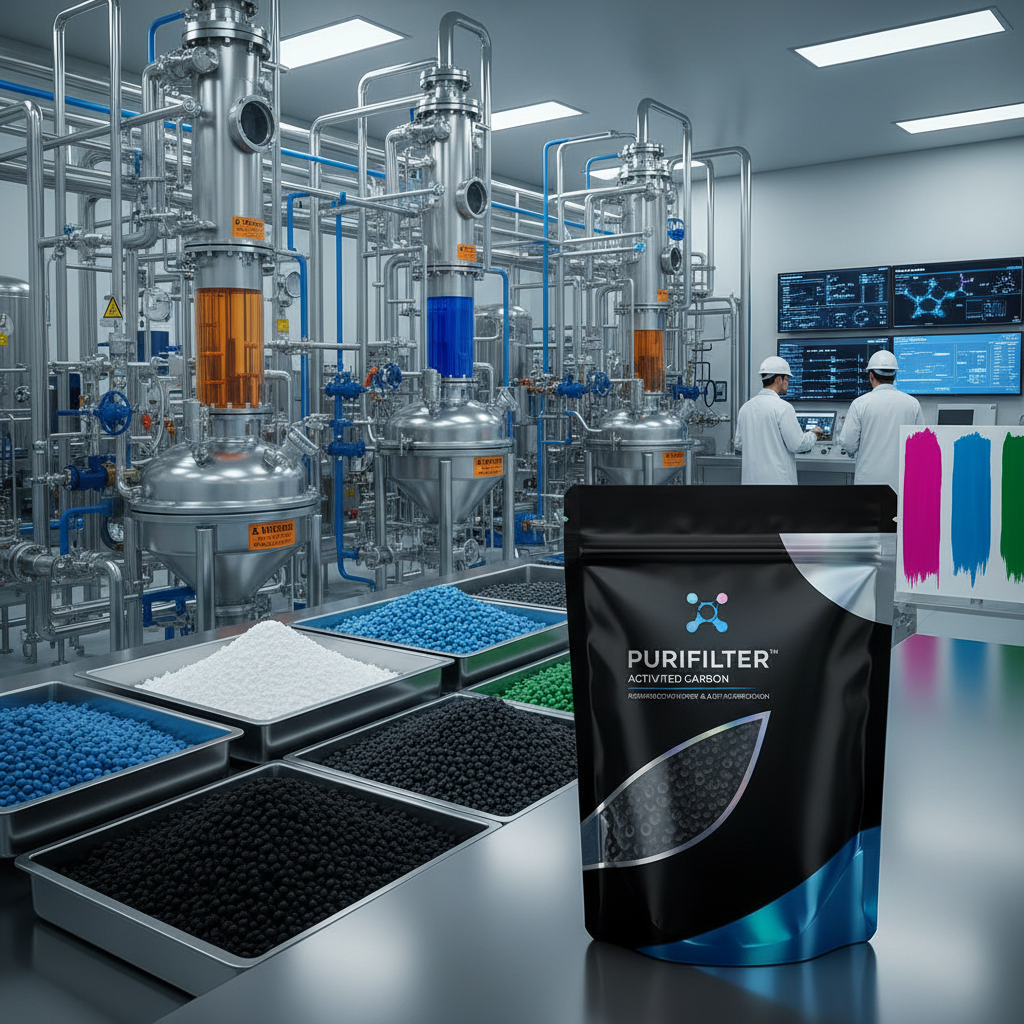
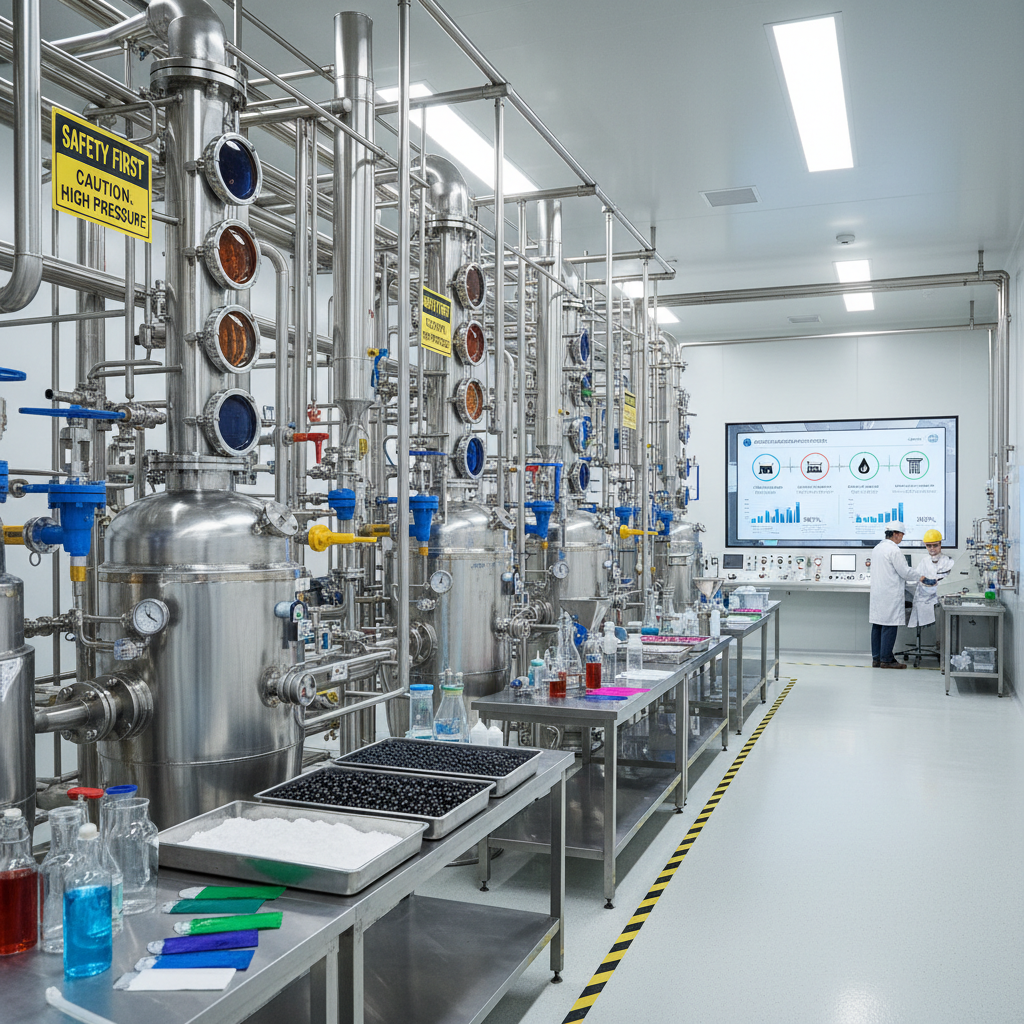
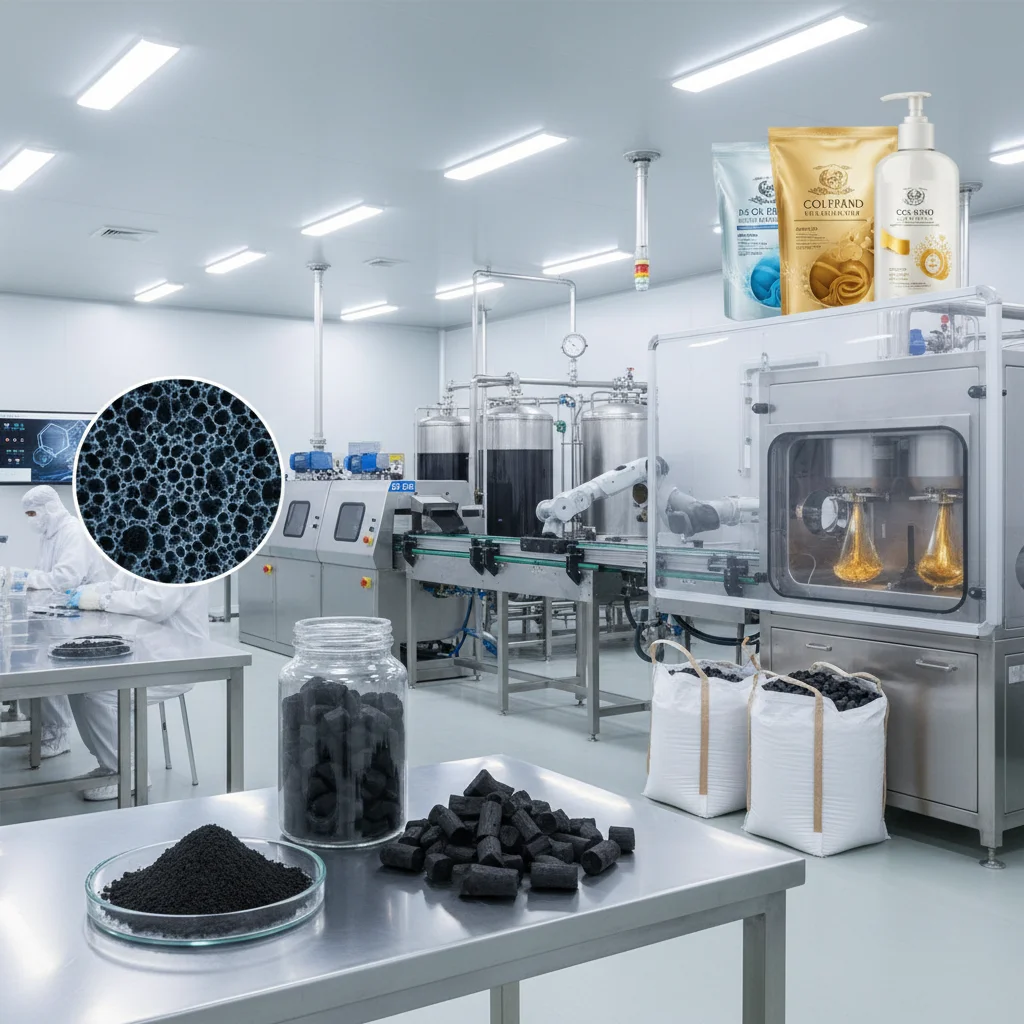
activated carbon production

Key Factors in Activated Carbon Production

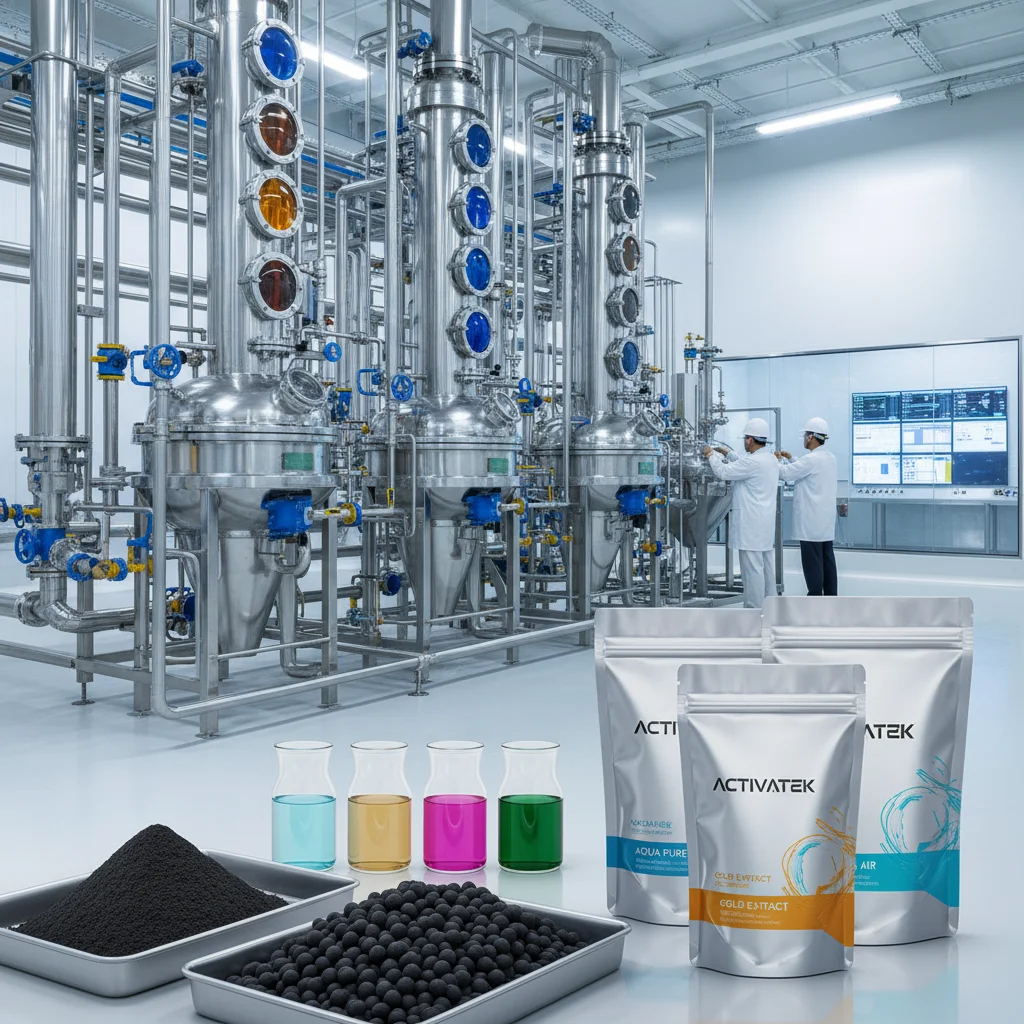
activated carbon production

A few things really matter when you’re talking about putting activated carbon into service. First, Pore Size Distribution – it's not enough to have pores, you need the right size pores for the job. Large pores are great for bigger molecules, but smaller pores give you more surface area and are better for things like removing chlorine from water. Then there’s Mechanical Strength. If the carbon crumbles too easily, you get dust, increased pressure drop, and less effective filtration. You don’t want that, especially in a large industrial setup.

And don’t underestimate Surface Area. This is the name of the game. Measured in square meters per gram, the higher the number, the more it can absorb. But it's not just surface area, Surface Chemistry matters too. Modifications can introduce functional groups that make the carbon more selective for certain contaminants. Finally, Cost-Effectiveness is critical. You can have the most amazing activated carbon in the world, but if it costs too much, nobody’s going to use it.

Global Relevance and Applications

Activated carbon isn't confined to a single industry; it's pervasive. Water purification is a huge driver, obviously, providing safe drinking water to communities worldwide. But it's also vital in the food and beverage industry, for decolorizing sugar and removing unwanted tastes and odors. Air purification, both in industrial settings and increasingly in consumer products like air filters, relies heavily on activated carbon. Even the pharmaceutical industry uses it for removing impurities and recovering valuable compounds.

Looking geographically, North America and Europe represent significant markets due to stringent environmental regulations and advanced industrial infrastructure. However, emerging economies in Asia-Pacific, particularly China and India, are experiencing rapid growth in demand driven by increasing industrialization and a growing focus on environmental protection. You see a lot of activity in Southeast Asia as well, with coconut shell-based activated carbon production becoming a major industry.

In post-disaster relief operations, portable activated carbon filters are invaluable for providing immediate access to safe drinking water. And in remote industrial zones where access to centralized treatment facilities is limited, on-site activated carbon systems are essential for maintaining environmental compliance.

Feedstock Selection and its Impact

The starting material drastically impacts the final product’s characteristics and cost. Wood and lignite are common, but they can result in lower-quality activated carbon compared to using coconut shells. Coal, while cheap, can introduce undesirable impurities. Agricultural byproducts – things like rice husks or almond shells – are gaining traction as sustainable alternatives, but require more processing. You really need to consider the entire life cycle when selecting a feedstock.

Choosing the right feedstock isn't just about cost; it's about tailoring the activated carbon to its intended application. Coconut shells, for example, produce activated carbon with a very high hardness and a predominantly microporous structure, making it ideal for gas-phase applications like air purification. Wood-based activated carbon tends to have a wider pore size distribution, suitable for liquid-phase applications like water treatment.

Increasingly, we're seeing a shift towards using waste materials as feedstocks. This not only reduces production costs but also addresses waste management challenges and promotes a circular economy. It's a win-win, but it requires careful control of the feedstock composition to ensure consistent product quality.

Activation Methods and Their Efficiency

There are two main routes to activation: physical and chemical. Physical activation, typically using steam or carbon dioxide at high temperatures, is generally more environmentally friendly, but can be slower and less efficient. Chemical activation, using agents like phosphoric acid or zinc chloride, is faster and can produce activated carbon with higher surface area, but it requires careful handling of the chemicals and generates more waste.

Industrial Applications and Regional Demand

As mentioned, the applications are diverse. Beyond water and air purification, activated carbon plays a crucial role in sugar refining (decolorization), pharmaceutical manufacturing (removing impurities), and even the automotive industry (cabin air filters). The food and beverage industry also relies on it for removing unwanted tastes and odors from products like juices and wines.

Regional demand is heavily influenced by industrial activity and environmental regulations. North America and Europe are mature markets with a focus on high-quality activated carbon for specialized applications. Asia-Pacific is the fastest-growing market, driven by rapid industrialization and increasing environmental awareness. South America and Africa are emerging markets with significant potential for growth.

Advantages and Sustainability of Activated Carbon

The advantages are pretty straightforward: it's incredibly effective, versatile, and relatively inexpensive compared to other purification technologies. It's also a fairly inert material, meaning it doesn't react with the substances it's adsorbing, making it suitable for a wide range of applications. But perhaps the biggest advantage is its ability to be regenerated.

Sustainability is a growing concern, and activated carbon definitely has a role to play. Using waste materials as feedstocks, as we discussed, is a major step in the right direction. Developing more efficient activation methods that reduce energy consumption and chemical waste is also crucial. And, of course, proper disposal and regeneration of spent activated carbon are essential to minimize its environmental impact.

Future Trends and Innovation in Production

We’re starting to see some really exciting developments. Researchers are exploring novel activation techniques, like microwave-assisted activation, which can significantly reduce processing time and energy consumption. There’s also a lot of work being done on developing new feedstocks, like algae and biochar, which offer even greater sustainability benefits.

Digitalization and automation are also playing a role. Advanced process control systems can optimize activation parameters in real-time, leading to more consistent product quality and reduced waste. And the use of machine learning algorithms can help predict the performance of activated carbon based on its characteristics, allowing for more targeted applications.

I think we'll see a big push towards customized activated carbon solutions – tailoring the pore structure and surface chemistry to meet the specific needs of individual applications. This will require a deeper understanding of the interaction between activated carbon and the contaminants it's designed to remove.

Overview of Challenges and Potential Solutions in Activated Carbon Production

Challenge Impact on Production Potential Solution Implementation Cost (1-10)
High Energy Consumption Increased production costs and carbon footprint Microwave-assisted activation, optimized process parameters 7
Chemical Waste Generation Environmental concerns and disposal costs Development of "green" activation agents, waste recycling 8
Feedstock Variability Inconsistent product quality Feedstock pre-treatment, advanced process control 6
Pore Structure Control Limited application range Templating techniques, tailored activation processes 9
Regeneration Efficiency Reduced adsorption capacity after multiple cycles Optimized regeneration protocols, novel regeneration agents 5
Scaling Up Production Maintaining quality and efficiency at larger scales Modular reactor design, advanced process modeling 7

FAQS

What are the main factors influencing the cost of activated carbon?

The cost is really driven by feedstock availability and price, the activation method used (chemical activation is generally more expensive than physical), and the required product quality. Transportation also plays a role, especially if you’re sourcing from overseas. Finally, the level of customization needed – pore size, surface chemistry – adds to the cost. It's not just the material itself, it's the whole process that matters.

How can I determine the optimal activated carbon for my specific application?

That's the million-dollar question! You need to consider the target contaminant, its size and charge, and the conditions of your application – pH, temperature, flow rate. Lab testing is crucial: adsorption isotherms will tell you how much contaminant the carbon can remove, and breakthrough curves will show you how long it will last. A good supplier will work with you on these tests.

What are the environmental concerns associated with activated carbon production?

The main concerns are energy consumption during activation, the generation of chemical waste in chemical activation processes, and the potential for air and water pollution. Using sustainable feedstocks, optimizing activation methods to reduce energy use, and implementing proper waste management practices are key to mitigating these concerns. Regeneration is also crucial – it reduces the need for new carbon and minimizes disposal.

Can activated carbon be regenerated, and what are the common regeneration methods?

Absolutely! Regeneration is vital. The most common methods are thermal regeneration (heating to high temperatures to burn off adsorbed contaminants) and chemical regeneration (using solvents or chemicals to remove contaminants). Steam stripping is also used in some cases. The choice of method depends on the type of contaminant and the cost-effectiveness of the process. Regeneration isn't perfect though, and capacity typically decreases over time.

What is the expected lifespan of activated carbon in a typical water filtration system?

That varies wildly depending on water quality, flow rate, and the type of activated carbon. Generally, you're looking at a lifespan of 6-12 months for a point-of-use filter, and potentially longer for larger industrial systems. Monitoring the effluent quality is the best way to determine when the carbon needs to be replaced or regenerated. Pressure drop can also be an indicator of clogging.

Are there any emerging technologies for producing activated carbon with enhanced properties?

Definitely. Microwave-assisted activation is showing a lot of promise, as is using novel activation agents like ionic liquids. Researchers are also exploring methods for creating hierarchical pore structures – combining micro-, meso-, and macropores – to optimize adsorption performance. And, as mentioned earlier, templating techniques offer precise control over pore size and distribution.

Conclusion

Activated carbon production is a complex but vital process underpinning a vast array of applications, from ensuring access to clean water to protecting air quality and enabling industrial efficiency. Understanding the key factors – feedstock selection, activation methods, pore structure control – is crucial for optimizing performance and minimizing environmental impact. The demand for high-quality activated carbon will only continue to grow as environmental regulations tighten and awareness of the importance of sustainability increases.

Looking ahead, innovation in activation technologies, the utilization of waste materials as feedstocks, and a focus on circular economy principles will be essential for creating a more sustainable and resilient activated carbon industry. If you're looking for reliable activated carbon solutions, or need assistance optimizing your process, visit our website at activated carbon production.

Ethan Bellwether

Ethan Bellwether

Ethan Bellwether serves as the Senior Logistics Manager at Shandong Jiuzhou Chemical Co., Ltd. With over 15 years of experience in hazardous materials transport and supply chain management, Ethan is instrumental in ensuring the safe and efficient delivery of our Sodium Cyanide products both domestically and internationally. He holds a
Previous Advanced Solutions Coconut Shell Activated Carbon Supplier for Water Treatment and Gold Recovery
Next Top 10 Coconut Shell Activated Carbon Exporter from China Expanding Global Distribution

If you are interested in our products, you can choose to leave your information here, and we will be in touch with you shortly.