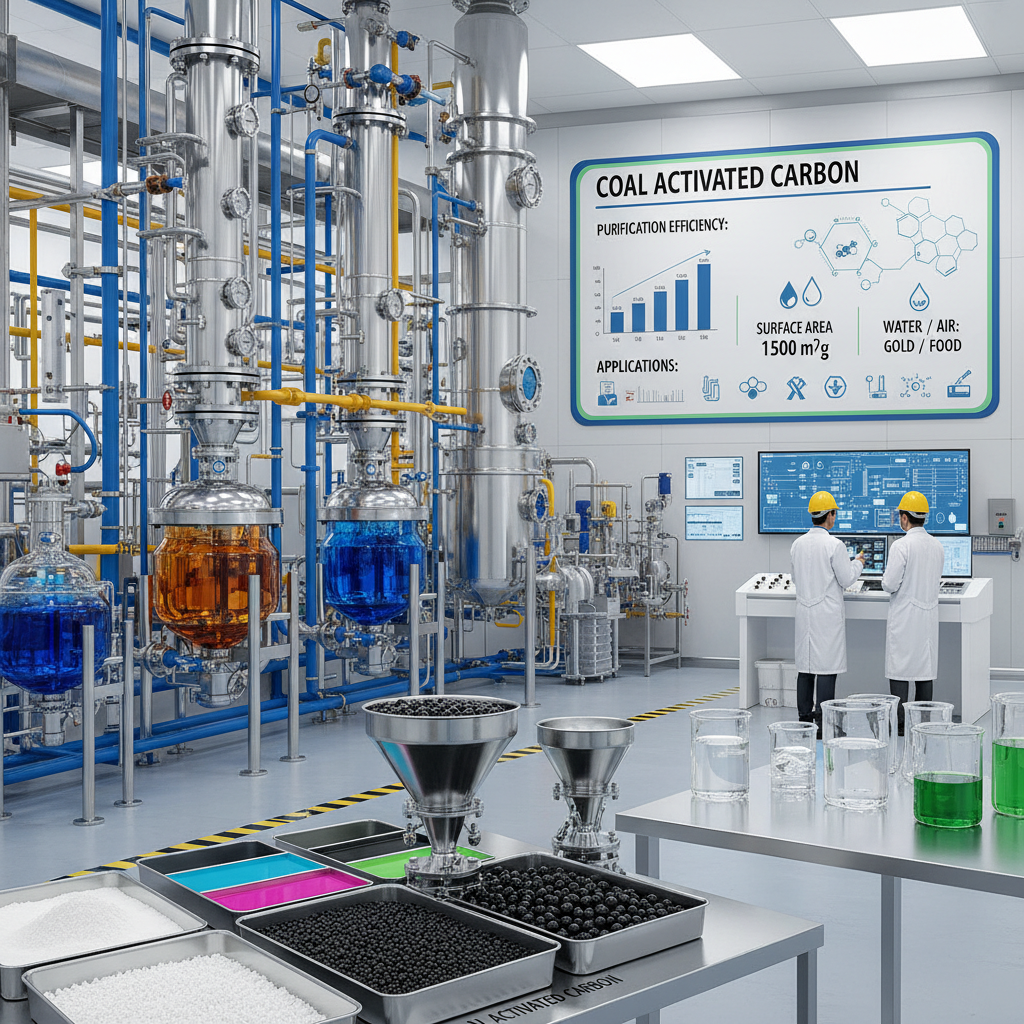
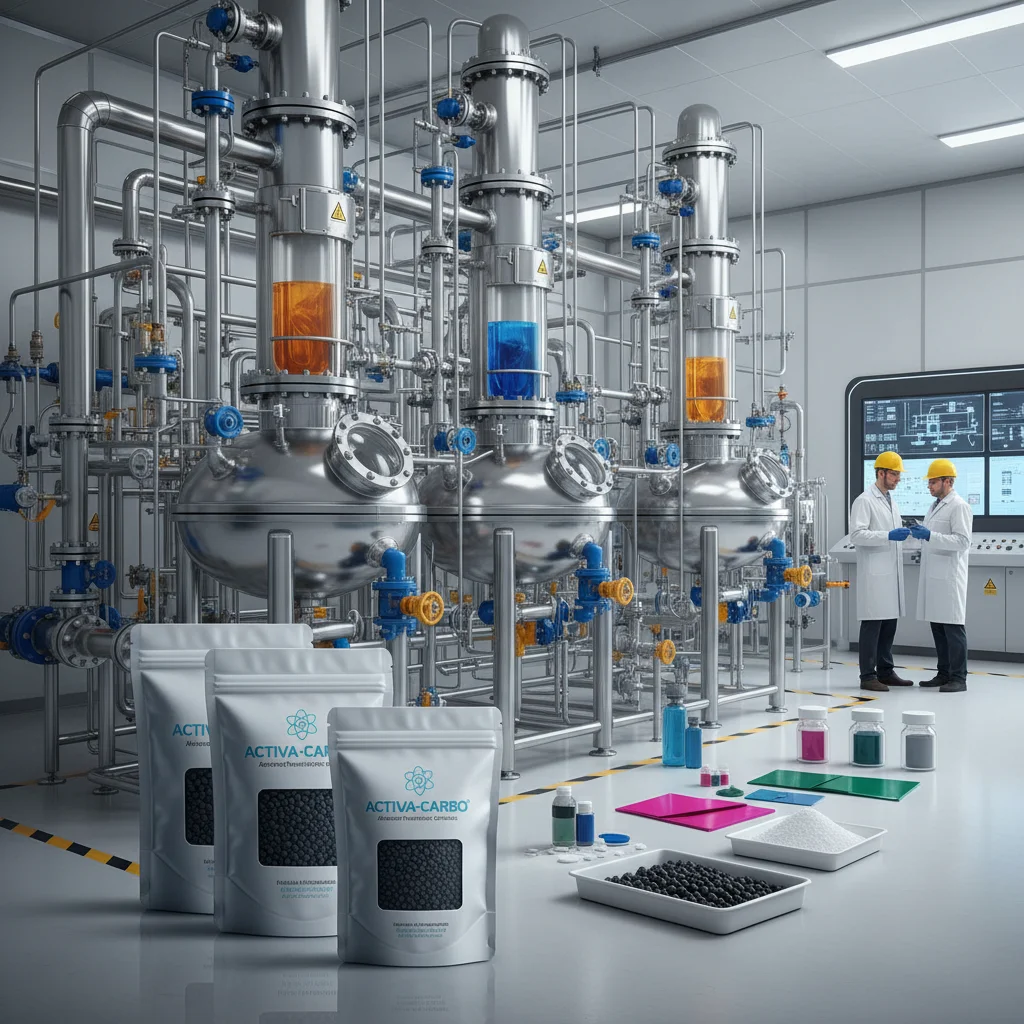
Coal activated carbon, derived primarily from bituminous coal, is a remarkably versatile material with applications spanning a wide range of industries. Its exceptional adsorption capabilities, stemming from its vast surface area and porous structure, make it indispensable in processes requiring purification, decolorization, and decontamination. Understanding the properties and applications of coal activated carbon is crucial for optimizing industrial efficiency and ensuring environmental sustainability.
Globally, the demand for activated carbon is steadily increasing, driven by stringent environmental regulations and a growing awareness of the need for clean water and air. The Asia-Pacific region currently dominates the market, fueled by rapid industrialization and a large consumer base. This heightened demand necessitates innovative production techniques and responsible sourcing of raw materials to meet the growing need for high-quality coal activated carbon.
From safeguarding drinking water supplies to refining critical chemical processes, coal activated carbon plays an often unseen, yet fundamentally important, role in modern life. Its unique properties contribute to a safer, cleaner, and more sustainable world, making it a cornerstone of numerous essential industries and applications.
The Significance of Coal Activated Carbon
Coal activated carbon isn’t merely a purification agent; it’s a critical component in maintaining global health and industrial efficiency. Its ability to selectively remove contaminants from liquids and gases is essential in water treatment plants, air purification systems, and various industrial processes. The demand for clean resources drives the continuous development and refinement of activated carbon technology.
The increasing stringency of environmental regulations worldwide has significantly boosted the demand for effective purification solutions. Coal activated carbon, with its cost-effectiveness and superior performance, remains a leading choice for numerous applications. This makes understanding its properties and applications vital for professionals across a range of sectors.
Understanding Coal Activated Carbon: Definition & Production
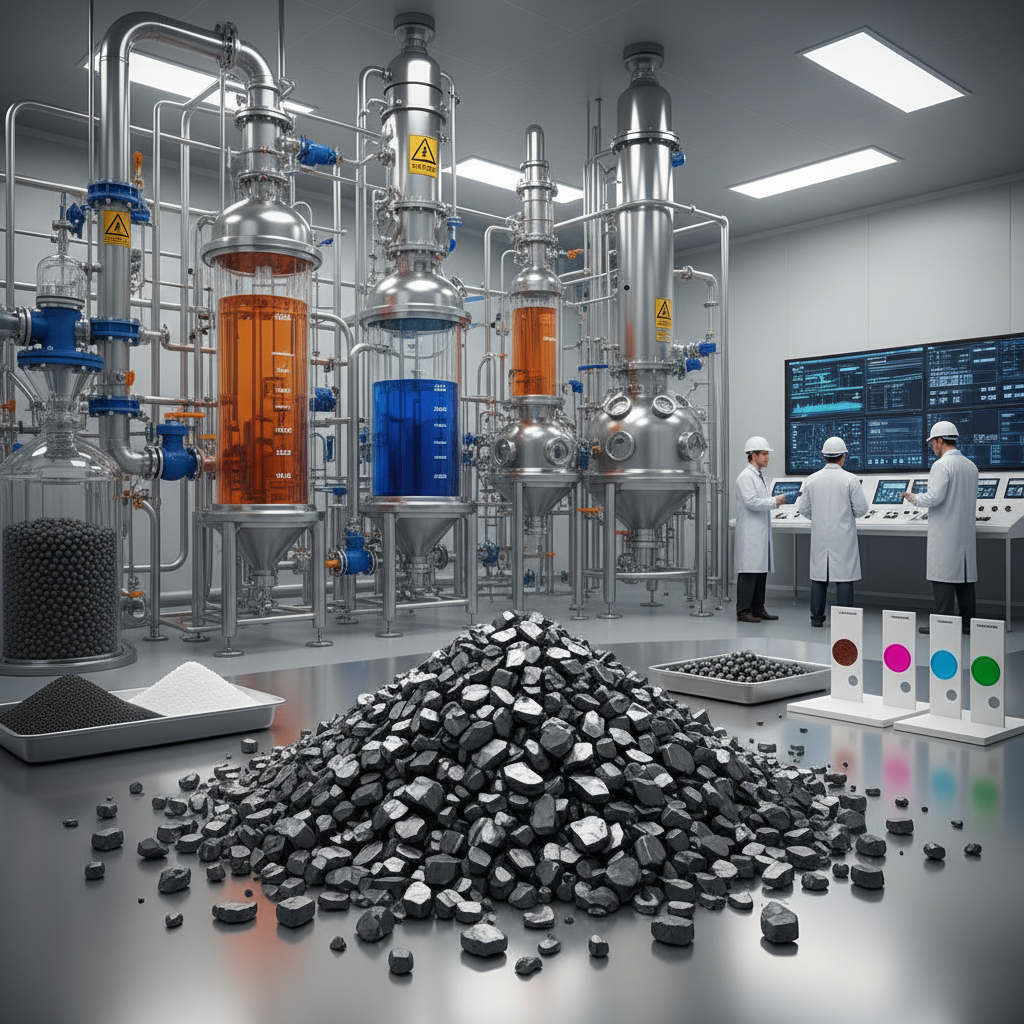
Coal activated carbon is a processed form of coal that has been treated to increase its surface area and porosity. This process, known as activation, typically involves heating the coal to high temperatures in the presence of an oxidizing gas, such as steam or carbon dioxide. Activation creates a vast network of pores, dramatically increasing the material's ability to adsorb substances.
The production of coal activated carbon generally involves two main stages: carbonization and activation. Carbonization removes volatile matter from the coal, while activation develops the porous structure. Different activation methods yield different pore size distributions, allowing for the creation of activated carbons tailored to specific applications.
This versatile material is crucial in modern industry, playing a vital role in purifying water for consumption, refining food and beverage products, and supporting the efficient operation of chemical and pharmaceutical processes. Its capacity to address critical needs highlights its significance in addressing global challenges.
Key Properties of Coal Activated Carbon
The effectiveness of coal activated carbon stems from its exceptional physical and chemical properties. Most notably, its incredibly high surface area – often exceeding 500 square meters per gram – provides an extensive platform for adsorption. This massive surface area is due to the abundance of micro, meso, and macro pores within the carbon structure.
Furthermore, the surface chemistry of activated carbon can be modified to enhance its selectivity for specific adsorbate molecules. This is achieved through techniques such as oxidation or impregnation with various chemical compounds. The resulting tailored surface characteristics significantly improve its performance in targeted applications, like the selective removal of heavy metals from wastewater.
Finally, its mechanical strength, hardness, and resistance to abrasion are important considerations for practical applications. The durability of coal activated carbon allows for repeated use and regeneration, making it a cost-effective solution for long-term purification needs.
Applications of Coal Activated Carbon Across Industries
The versatility of coal activated carbon leads to its widespread application across diverse industries. In water treatment, it effectively removes chlorine, sediment, volatile organic compounds (VOCs), taste, and odor, ensuring safe and palatable drinking water. This is especially critical in municipal water systems and point-of-use filters.
Within the food and beverage industry, activated carbon is used for decolorizing sugar solutions, purifying edible oils, and removing unwanted flavors and odors. It also plays a vital role in pharmaceutical manufacturing, where it’s utilized in drug purification and toxin removal. The mining sector utilizes coal activated carbon in gold recovery processes, effectively adsorbing gold from cyanide solutions.
Coal Activated Carbon Application Ratios by Industry
Advantages and Long-Term Value of Coal Activated Carbon
One of the most significant advantages of utilizing coal activated carbon is its cost-effectiveness. Compared to alternative purification technologies, it offers a highly efficient solution at a competitive price point. This affordability makes it accessible to a wider range of industries and applications.
Furthermore, activated carbon is a remarkably sustainable material, particularly when sourced responsibly. It can be regenerated and reused multiple times, reducing waste and minimizing environmental impact. This regeneration process, typically involving thermal treatment, restores the adsorption capacity of the carbon, extending its lifespan and reducing the need for frequent replacement.
Global Market Trends and Future Innovations
The global activated carbon market is experiencing consistent growth, driven by increasing demand for clean water, air, and sustainable industrial practices. Emerging economies, particularly in Asia, are anticipated to be key growth drivers in the coming years. The trend towards stricter environmental regulations will further fuel this demand.
Innovations in activation techniques are focused on enhancing the selectivity and efficiency of activated carbon. Research into novel activation agents, such as bio-based materials, is gaining momentum, aiming to reduce reliance on traditional chemical activators. Nanotechnology is also playing a role, with the development of nano-activated carbon materials offering even greater surface area and adsorption capacity.
The future of coal activated carbon lies in tailoring its properties to meet increasingly specific application requirements, developing sustainable production methods, and integrating it with other advanced technologies for more comprehensive purification solutions.
Challenges and Solutions in Coal Activated Carbon Application
Despite its numerous advantages, the application of coal activated carbon faces certain challenges. One common issue is fouling, where the pores become blocked by contaminants, reducing its adsorption capacity. Regular regeneration is crucial to address this, but it can be energy-intensive and costly.
Another challenge is the potential for dust formation during handling and application. Proper containment and ventilation measures are necessary to mitigate this risk. Moreover, the sourcing of sustainable and ethically produced coal is an ongoing concern, requiring careful supplier selection and traceability.
Innovative solutions are being developed to address these challenges. Pre-treatment of feed streams to remove large particles can reduce fouling, while advanced regeneration techniques, such as microwave-assisted regeneration, can lower energy consumption. Investing in research and development focused on sustainable sourcing and dust control technologies will be critical for the long-term viability of the industry.
Summary of Challenges and Solutions for Coal Activated Carbon Application
| Challenge |
Impact on Performance |
Potential Solution |
Implementation Cost (1-10) |
| Pore Fouling |
Reduced adsorption capacity |
Regular thermal regeneration |
6 |
| Dust Formation |
Health and safety hazards |
Improved containment systems |
4 |
| Unsustainable Sourcing |
Environmental and ethical concerns |
Supplier audits and traceability programs |
7 |
| High Regeneration Energy |
Increased operational costs |
Microwave-assisted regeneration |
8 |
| Limited Selectivity |
Requires larger quantities for complex mixtures |
Surface modification with selective agents |
5 |
| Moisture Sensitivity |
Reduced adsorption in humid environments |
Proper storage and drying procedures |
3 |
FAQS
The lifespan of coal activated carbon varies significantly depending on the application and the concentration of contaminants. Generally, it can effectively function for several months to a year before needing regeneration. Regular monitoring of adsorption capacity is crucial to determine the optimal regeneration time. Factors like feed stream composition, flow rate, and operating temperature also affect lifespan. Ultimately, the cost of regeneration needs to be weighed against the cost of replacement.
Pore size distribution is a critical characteristic of coal activated carbon. Micropores (diameter < 2 nm) are ideal for adsorbing small molecules, while mesopores (2-50 nm) are more effective for larger molecules. Macropores (> 50 nm) provide pathways for rapid transport of adsorbate to the smaller pores. Tailoring the pore size distribution to the specific application ensures optimal adsorption efficiency.
Coal activated carbon can be environmentally friendly, particularly when produced sustainably and managed responsibly. While its production requires energy, the material itself is derived from a readily available resource (coal). Crucially, its ability to remove pollutants from water and air contributes to environmental protection. Regeneration further reduces its environmental footprint by minimizing waste.
The most common regeneration method is thermal regeneration, which involves heating the carbon to high temperatures in a controlled atmosphere to remove adsorbed contaminants. Other methods include steam regeneration, chemical regeneration (using acids or bases), and biological regeneration. The choice of method depends on the type of contaminants and the desired level of purity. Cost-effectiveness and environmental impact are also important considerations.
While coal activated carbon is highly effective at removing a wide range of contaminants, it's not a universal solution. Its performance depends on the specific properties of the carbon and the nature of the contaminants. It excels at removing organic compounds, chlorine, and taste/odor causing substances. However, it may be less effective at removing certain inorganic compounds or very small particles. Pre-treatment may be necessary for complex contaminant mixtures.
Activated carbon dust can be irritating to the respiratory system and eyes. Therefore, it's important to wear appropriate personal protective equipment (PPE), such as dust masks and safety glasses, when handling the material. Good ventilation is also essential. Additionally, be aware that activated carbon can spontaneously combust if exposed to high temperatures or ignition sources, especially when dry. Proper storage and handling procedures are crucial.
Conclusion
Coal activated carbon is a remarkably versatile and essential material playing a critical role in a wide range of industrial, environmental, and public health applications. Its unique adsorption properties, coupled with its cost-effectiveness and potential for regeneration, make it a cornerstone of purification processes worldwide. Understanding its properties, applications, and emerging trends is crucial for maximizing its benefits and addressing global challenges related to water quality, air purity, and sustainable industrial practices.
Looking ahead, continued innovation in activation techniques, sustainable sourcing practices, and tailored applications will further enhance the value of activated carbon. By embracing these advancements, we can unlock its full potential to create a cleaner, safer, and more sustainable future. To learn more about our high-quality coal activated carbon products and solutions, visit our website today: www.sdjz-chem.com.