Understanding Activated Carbon Charcoal Applications and Benefits for Industry
Understanding Activated Carbon Charcoal: Applications and Benefits
Activated carbon charcoal is a highly versatile material widely used across numerous industries for its exceptional adsorption properties. From water purification and air filtration to medical applications and industrial processes, activated carbon charcoal plays a critical role in improving quality and safety. This article will explore the characteristics, production methods, applications, and benefits of this remarkable substance, providing a comprehensive overview for businesses and individuals alike. Understanding the intricacies of activated carbon is key to harnessing its full potential for various needs.
What is Activated Carbon Charcoal?
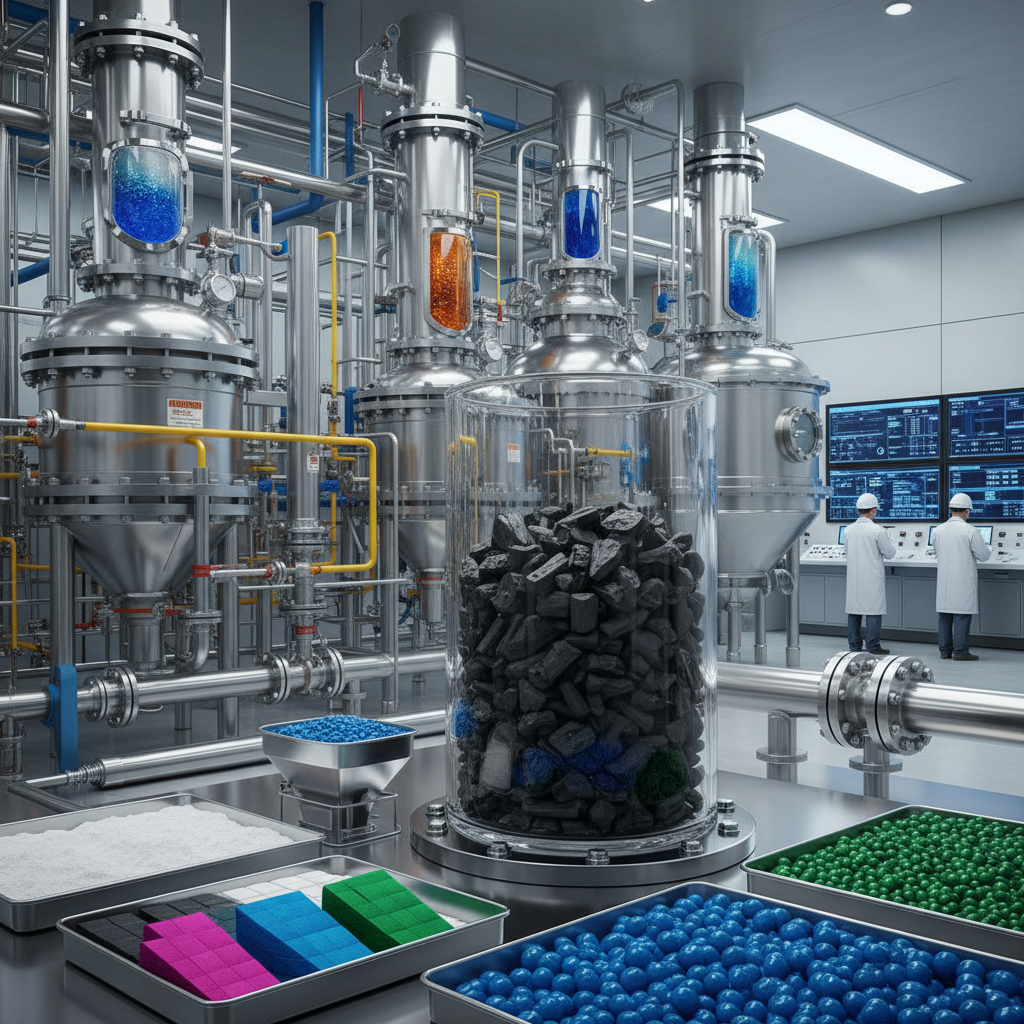
Activated carbon charcoal isn’t simply burnt wood; it’s carbon processed to have a large surface area, which allows it to adsorb numerous molecules, making it highly effective in filtering and purifying. The activation process typically involves heating carbon-rich materials—like wood, coconut shells, or coal—to very high temperatures in the presence of an activating agent. This creates millions of tiny pores, dramatically increasing the surface area available for adsorption. This surface area can be astonishing – a single gram of activated carbon can have a surface area exceeding 500 square meters! This extensive surface is the core of its impressive capabilities. SDJZ-Chem specializes in the production of high-quality activated carbon.
Key Highlights: Possesses an extremely high surface area due to its porous structure, maximizing its adsorption capacity. Activated through various processes to optimize pore size and functionality.
Activated Carbon Production Methods
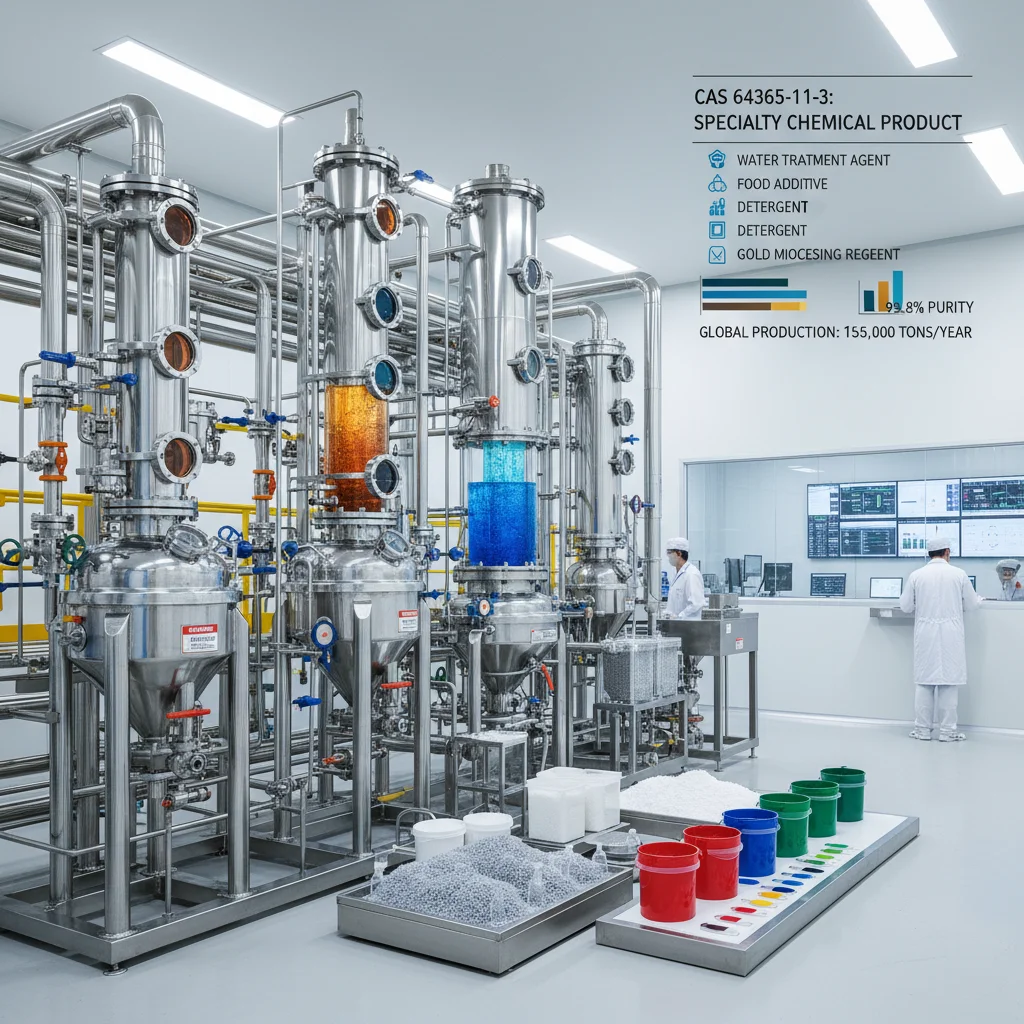
There are several methods used to produce activated carbon charcoal, each influencing the final product’s characteristics and suitability for specific applications. The two primary methods are physical activation and chemical activation. Physical activation typically involves heating the carbonaceous source material in a gas atmosphere (steam, carbon dioxide, or air) at high temperatures. This process creates the porous structure without the introduction of chemicals. Chemical activation, on the other hand, uses activating agents like phosphoric acid, potassium hydroxide, or zinc chloride during the heating process. This method generally results in a higher surface area and more uniform pore distribution. Selecting the appropriate activation method depends on the desired properties and cost considerations.
Activation Method Comparison:
• Physical Activation: High temperatures, gas atmosphere, environmentally friendly.
• Chemical Activation: Chemical agents, higher surface area, potentially lower cost.
Applications of Activated Carbon Charcoal
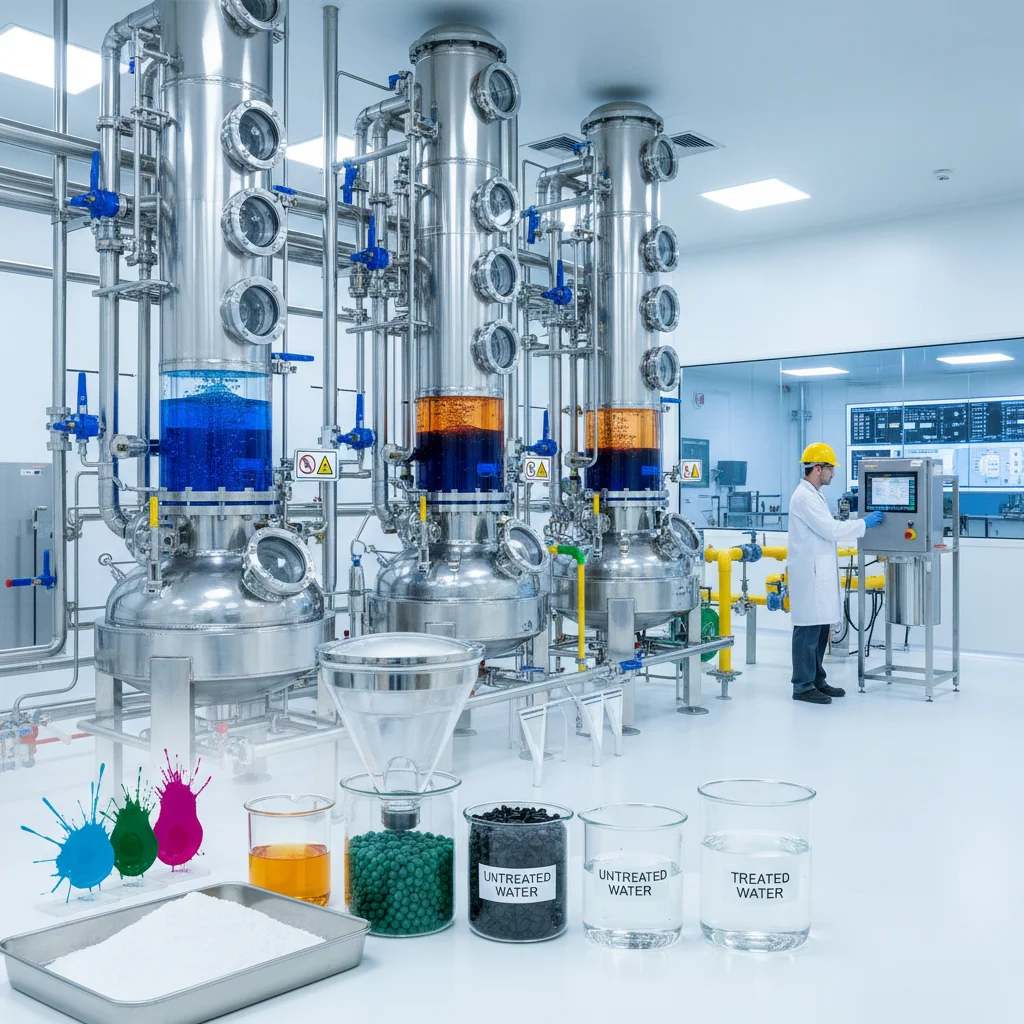
The applications of activated carbon charcoal are remarkably diverse. In water treatment, it effectively removes chlorine, sediment, volatile organic compounds (VOCs), taste, and odor. It's also crucial in air purification systems, filtering out pollutants and improving air quality. The medical field utilizes activated carbon for treating poisonings and overdoses by adsorbing toxins in the gastrointestinal tract. Industrially, it’s used in gas purification, solvent recovery, and decolorization processes. From gold recovery to automotive filters, the versatility of this material continues to drive innovation. Explore SDJZ-Chem's range of activated carbon products for your specific needs.
Activated Carbon Charcoal: Types and Specifications
Activated carbon charcoal comes in various forms, including powdered, granular, and extruded. Powdered activated carbon (PAC) is commonly used in liquid phase applications, offering a large surface area for rapid adsorption. Granular activated carbon (GAC) is ideal for water filtration and gas phase applications, providing good flow rates and mechanical strength. Extruded activated carbon offers high mechanical strength and low pressure drop, making it suitable for air purification systems. The specifications of activated carbon, such as pore size distribution, surface area, and hardness, are crucial for determining its suitability for a specific application.
Conclusion: The Power of Adsorption
Activated carbon charcoal remains an indispensable material across a vast spectrum of industries. Its remarkable adsorption capabilities make it vital for purification, filtration, and a multitude of other applications. By understanding the different types, production methods, and specifications, businesses and individuals can effectively leverage the benefits of this versatile substance. SDJZ-Chem is dedicated to providing high-quality activated carbon solutions tailored to your unique needs.
Frequently Asked Questions (FAQs)
How is activated carbon charcoal regenerated?
Activated carbon charcoal can become saturated with adsorbed materials over time, reducing its effectiveness. Regeneration is the process of removing these adsorbed contaminants to restore the carbon's adsorptive capacity. This can be achieved through various methods, including thermal regeneration (heating to high temperatures in a controlled environment) and chemical regeneration (using solvents or chemical agents). Thermal regeneration is the most common method for large-scale applications, while chemical regeneration is often used for specific types of contaminants. Proper regeneration is crucial for maximizing the lifespan and cost-effectiveness of activated carbon.
What are the environmental benefits of using activated carbon?
Activated carbon offers significant environmental benefits by reducing pollution and improving resource utilization. Its use in water and air purification helps remove harmful contaminants, protecting human health and ecosystems. It plays a role in solvent recovery, reducing the release of volatile organic compounds into the atmosphere. Furthermore, activated carbon can be produced from renewable resources, such as coconut shells and wood waste, promoting sustainability. The use of activated carbon aligns with environmentally responsible practices and contributes to a cleaner, healthier planet.
What factors affect the adsorption capacity of activated carbon?
Several factors influence the adsorption capacity of activated carbon, including the surface area, pore size distribution, and the type of adsorbate. A larger surface area generally leads to higher adsorption capacity. The pore size distribution must be appropriate for the size of the adsorbate molecules; smaller pores are better for smaller molecules, while larger pores are needed for larger molecules. The chemical properties of both the activated carbon and the adsorbate also play a role. Temperature and pH can also affect adsorption, influencing the equilibrium between adsorption and desorption.