Product keywords : Sodium cyanide Activated carbon Silver Mercury
High Quality Activated Carbon Pellets Bulk for Industrial and Environmental Solutions
  • Home
  • Top Blog
  • High Quality Activated Carbon Pellets Bulk for Industrial and Environmental Solutions
0%

Table of Contents

Activated carbon pellets bulk represent a critical component in numerous industrial and environmental processes globally. Their high surface area and adsorption capabilities make them indispensable for purification, filtration, and separation applications. From water treatment and air purification to pharmaceutical production and food processing, the demand for high-quality activated carbon pellets bulk continues to rise, driven by increasing environmental regulations and a growing need for clean technologies. Understanding the properties, applications, and future trends of this material is vital for professionals across diverse sectors.

The increasing global focus on sustainability and environmental protection directly fuels the demand for effective purification solutions, where activated carbon pellets bulk play a pivotal role. Industries are constantly seeking ways to minimize their environmental footprint and comply with stringent regulations concerning emissions and waste management. This creates a consistent and expanding market for activated carbon, particularly in its pelletized form, due to its efficiency and ease of handling.

The versatility of activated carbon pellets bulk extends beyond environmental remediation. They are essential in diverse applications, including decolorizing sugar, purifying chemicals, and even in specialized medical treatments. The growing global population and associated increases in industrial activity necessitate continuous innovation and optimization within the activated carbon industry to meet evolving needs and maintain the highest standards of purity and performance.
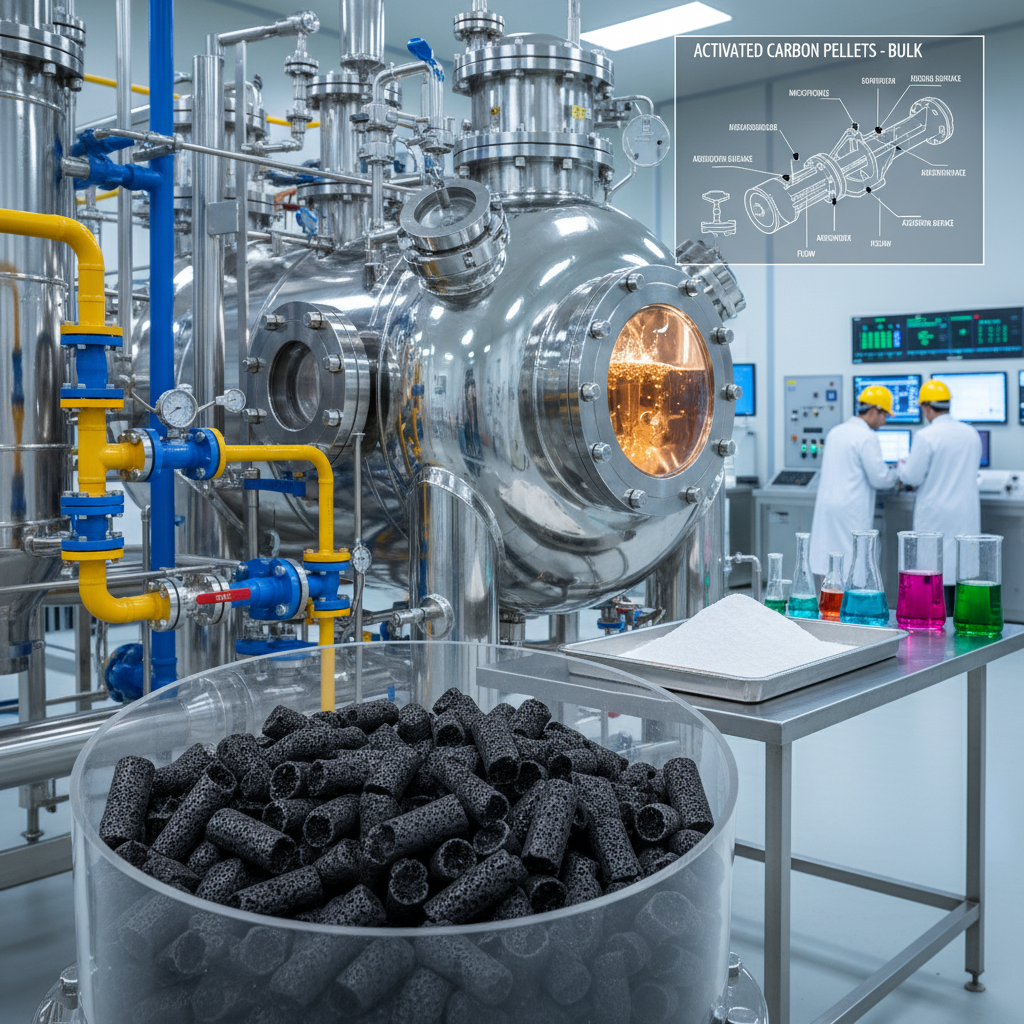
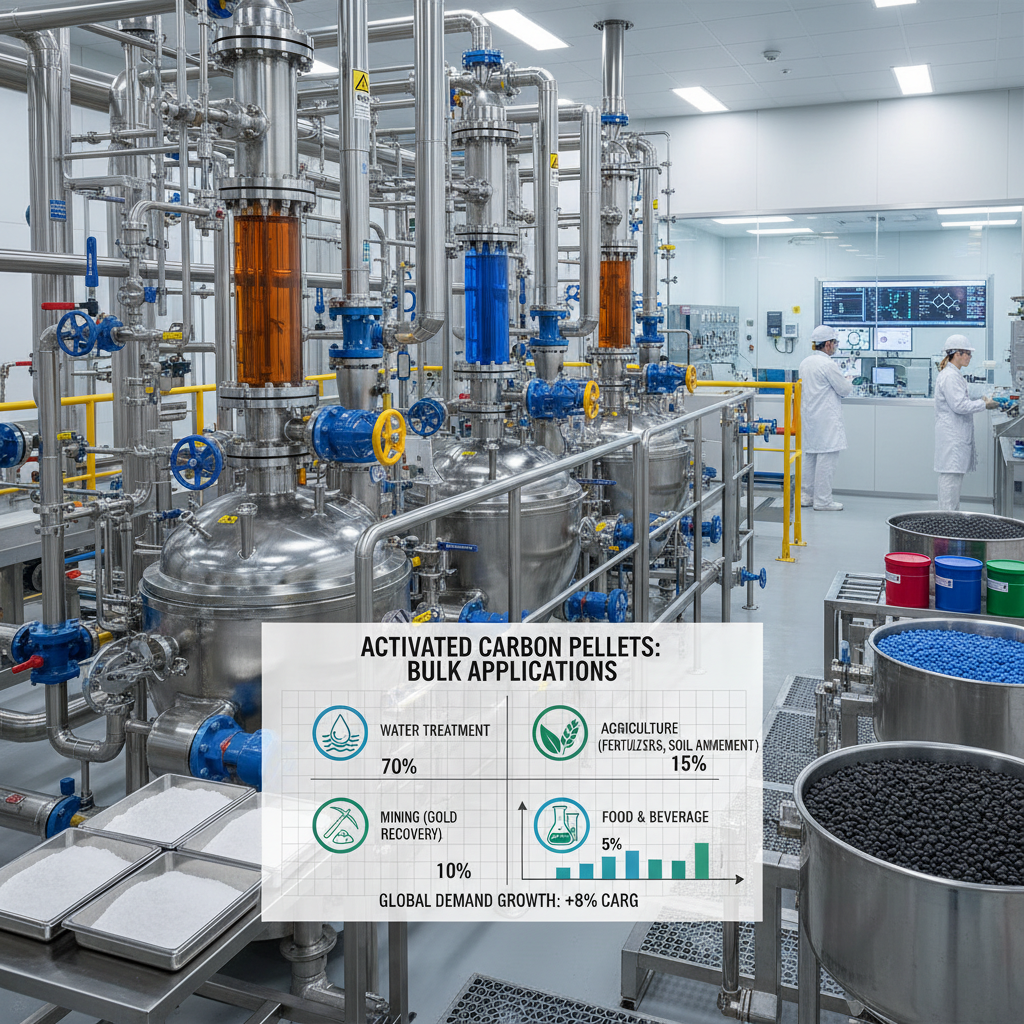
activated carbon pellets bulk

Introduction to activated carbon pellets bulk

activated carbon pellets bulk

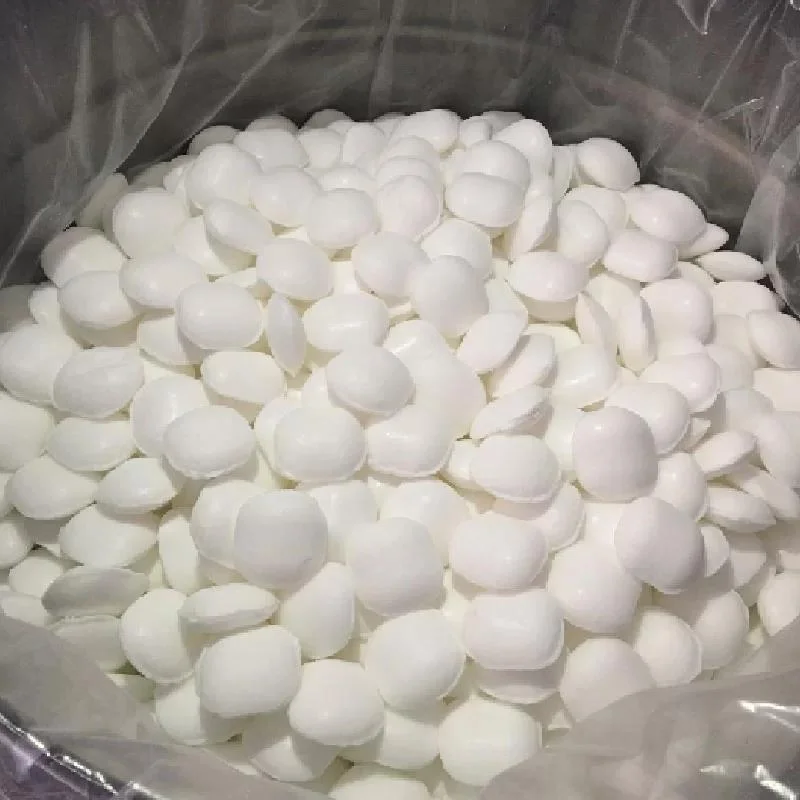
Activated carbon pellets bulk are a highly versatile adsorbent material produced from carbonaceous sources such as coal, wood, coconut shells, and peat. Through a process of activation – typically involving high temperatures and oxidizing agents – a vast network of pores is created, dramatically increasing the surface area available for adsorption. This exceptional surface area is the key to their effectiveness in removing impurities, contaminants, and undesirable substances from liquids and gases.

The pelletized form offers significant advantages over powdered or granular activated carbon, including reduced dust, lower pressure drop in filtration systems, and enhanced handling characteristics. This makes activated carbon pellets bulk ideal for a wide range of industrial applications where consistent performance and ease of use are critical factors. Their robust structure allows for repeated regeneration and reuse, contributing to cost-effectiveness and sustainability.

Global Relevance and Industry Context

The global activated carbon market is experiencing substantial growth, estimated to reach billions of dollars in the coming years. This growth is driven by increasingly stringent environmental regulations, a heightened awareness of water quality issues, and the expanding application of activated carbon in various industries. According to reports from organizations like the UN and the World Bank, access to clean water and air are fundamental human rights, and activated carbon plays a vital role in achieving these goals.

The increasing industrialization in emerging economies, coupled with a growing population, is further escalating the demand for activated carbon. For instance, the rapid development of the pharmaceutical industry in countries like India and China requires large quantities of high-purity activated carbon for drug purification. The ISO standards for water quality also contribute to demand as they necessitate effective filtration and purification systems.

A significant challenge addressed by activated carbon pellets bulk is the removal of emerging contaminants from water sources, such as pharmaceuticals, pesticides, and microplastics. Traditional water treatment methods are often ineffective against these substances, highlighting the crucial role of activated carbon in ensuring safe and potable water supplies worldwide. The market is responding with innovative activated carbon products tailored to specific contaminant removal challenges.

Defining activated carbon pellets bulk

Activated carbon pellets bulk are essentially carbon-based materials processed to have an exceptionally large surface area. This is achieved through a two-stage process: carbonization, where the raw material is heated to remove volatile compounds, and activation, which creates a porous structure. The activation process can be physical (using steam or carbon dioxide) or chemical (using acids or bases). The resulting pellets are typically 0.8-5mm in diameter.

The connection to modern industry is profound. Activated carbon isn’t simply a filtration medium; it’s a cornerstone of many manufacturing processes. It’s used to decolorize products, remove unwanted odors, and, critically, to purify raw materials. This directly impacts the quality and safety of countless products we rely on daily.

The humanitarian implications are equally significant. In disaster relief scenarios, activated carbon can be rapidly deployed to purify water sources, providing access to safe drinking water for affected populations. activated carbon pellets bulk is often included in emergency preparedness kits and utilized in mobile water treatment units, demonstrating its critical role in safeguarding public health during crises.

Key Characteristics of activated carbon pellets bulk

Several key characteristics define the performance of activated carbon pellets bulk. First, surface area is paramount; a higher surface area equates to greater adsorption capacity. This is typically measured in square meters per gram (m²/g), with high-quality activated carbon boasting surface areas exceeding 1000 m²/g. Second, pore size distribution is crucial. Different pore sizes cater to adsorbing molecules of varying sizes.

Hardness and abrasion resistance are important for maintaining structural integrity during handling and regeneration processes. Pellets must withstand repeated use without breaking down into dust. Density affects the pressure drop in filtration systems, and ash content indicates the amount of inorganic impurities present, impacting overall purity. These factors directly relate to the practicality and cost-effectiveness of using activated carbon in specific applications.

Activated Carbon Pellets Bulk Performance Metrics

Applications Across Industries

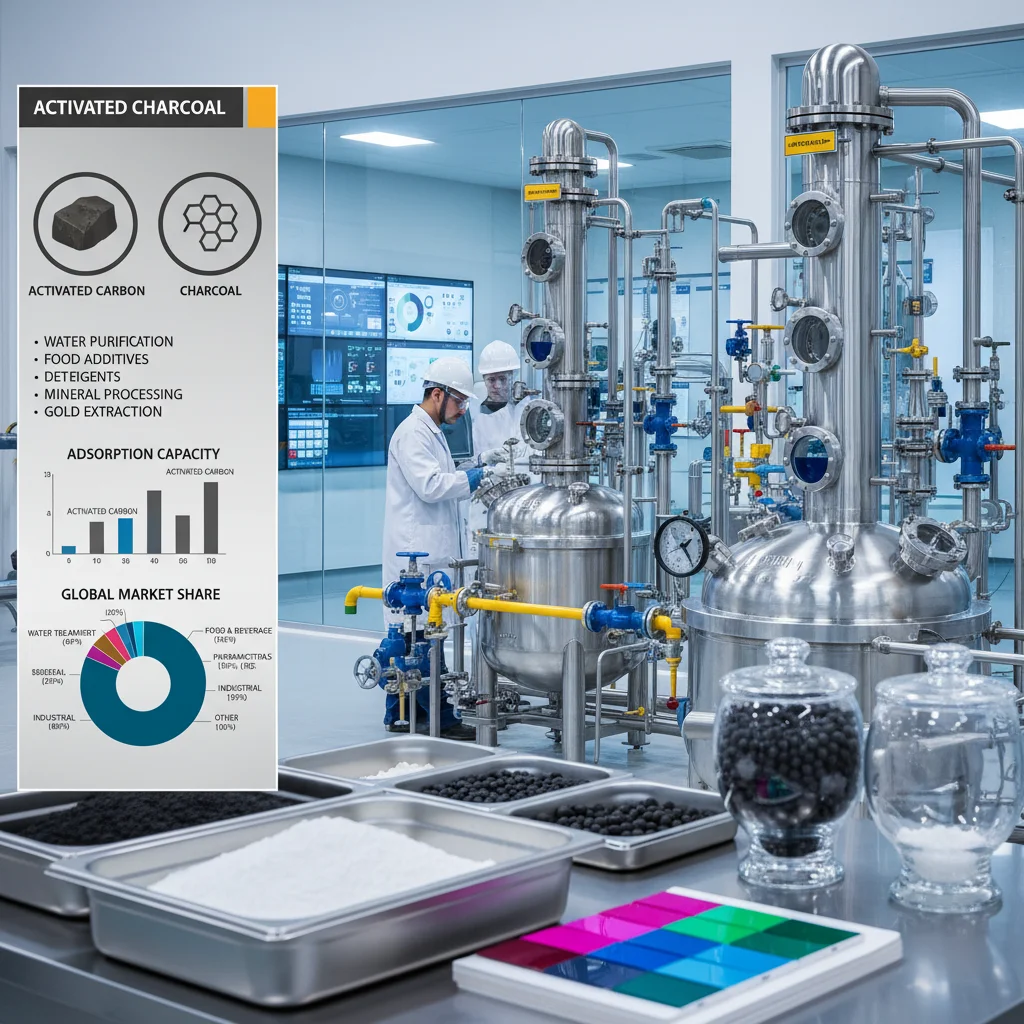
The applications of activated carbon pellets bulk are remarkably diverse. In the water treatment industry, they are used to remove chlorine, sediment, volatile organic compounds (VOCs), taste, and odor from drinking water. The pharmaceutical industry relies on them for decolorizing solutions, purifying APIs (Active Pharmaceutical Ingredients), and removing impurities from drug formulations.

The food and beverage industry employs activated carbon pellets bulk for decolorizing sugar, removing unwanted flavors, and purifying various food products. In the automotive industry, they are used in cabin air filters to remove pollutants and odors. Even in the energy sector, activated carbon plays a role in gas purification and mercury removal from flue gases in power plants.

Advantages and Long-Term Value Proposition

The advantages of using activated carbon pellets bulk are multifaceted. From a cost perspective, their regenerability offers significant savings compared to disposable filtration media. Their sustainability profile is strong, especially when sourced from renewable materials like coconut shells. Socially, access to purified water and cleaner air improves public health and quality of life.

The reliability of activated carbon in consistently delivering high-quality purification is paramount. The trust placed in this technology by industries and individuals alike is a testament to its effectiveness. Beyond mere functionality, the use of activated carbon embodies a commitment to environmental responsibility and sustainable practices.

Future Trends and Innovation in activated carbon pellets bulk

Ongoing research focuses on developing activated carbon pellets bulk with enhanced adsorption properties, targeting specific contaminants. Nanotechnology is being explored to create activated carbon materials with even greater surface areas and pore volumes. The integration of activated carbon with other advanced materials, such as graphene and metal-organic frameworks (MOFs), promises to unlock even greater performance capabilities.

Green energy initiatives are driving the development of activated carbon-based energy storage devices, such as supercapacitors and batteries. Digital transformation is enabling more precise monitoring and control of activated carbon regeneration processes, optimizing efficiency and reducing waste. Automation is streamlining production and handling, lowering costs and improving consistency.

FAQS

What factors influence the adsorption capacity of activated carbon pellets bulk?

The adsorption capacity is affected by several factors, including the surface area, pore size distribution, raw material source, activation method, and the nature of the adsorbate. Higher surface area and appropriate pore size for the target contaminant are crucial. The type of activation (physical or chemical) also influences the final properties. Ultimately, selecting the right activated carbon pellets bulk for a specific application requires careful consideration of these parameters.

How can activated carbon pellets bulk be regenerated for reuse?

Regeneration involves removing the adsorbed contaminants from the activated carbon surface. Common methods include thermal regeneration (heating to high temperatures in a controlled atmosphere), steam regeneration, and chemical regeneration. Thermal regeneration is the most effective but can be energy-intensive. The choice of method depends on the type of contaminants adsorbed and the cost-effectiveness of the process. Proper regeneration extends the lifespan and reduces the environmental impact of the carbon.

What is the typical lifespan of activated carbon pellets bulk?

The lifespan varies greatly depending on the application, the concentration of contaminants, and the frequency of regeneration. In well-maintained systems with regular regeneration, activated carbon can last for several years. However, over time, the pore structure can become clogged or damaged, reducing its adsorption capacity and requiring replacement. Routine performance monitoring is essential to determine when replacement is necessary.

Are there any environmental concerns associated with the production or disposal of activated carbon?

While activated carbon itself is environmentally beneficial due to its purification capabilities, its production can have environmental impacts, particularly related to energy consumption and the use of chemicals. Sourcing carbon from sustainable materials (like coconut shells) and employing energy-efficient activation processes can minimize these impacts. Proper disposal is also important; spent activated carbon should be handled as a hazardous waste and either regenerated or disposed of responsibly.

What are the key differences between powdered activated carbon and pellets?

Powdered activated carbon (PAC) has a smaller particle size and a larger surface area, making it effective for rapid adsorption. However, it’s difficult to handle and can create dust. Pellets, on the other hand, are easier to handle, have lower dust, and create less pressure drop in filtration systems. PAC is often used in batch treatment processes, while pellets are preferred for continuous flow systems.

How does the raw material source affect the properties of activated carbon?

The raw material source significantly influences the pore structure, surface chemistry, and overall performance of the activated carbon. Coconut shells generally produce activated carbon with a high proportion of micropores, ideal for adsorbing small molecules. Coal-based activated carbon tends to have a wider pore size distribution and is suitable for a broader range of applications. Wood-based activated carbon often exhibits good mechanical strength.

Conclusion

Activated carbon pellets bulk represent a vital technology for addressing critical global challenges related to water purification, air quality, and industrial process optimization. Their versatility, regenerability, and cost-effectiveness make them an indispensable component in numerous applications, spanning diverse industries and humanitarian efforts. Understanding the fundamental properties and advancements in this field is crucial for professionals seeking sustainable and efficient solutions.

Looking ahead, continued innovation in activated carbon materials and processes promises to unlock even greater potential for addressing emerging environmental concerns and driving sustainable development. By embracing new technologies and prioritizing responsible sourcing and disposal practices, we can maximize the benefits of activated carbon pellets bulk and contribute to a cleaner, healthier future. Visit our website: www.sdjz-chem.com.

Caleb Harrison

Caleb Harrison

Caleb Harrison is the International Sales Director for Shandong Jiuzhou Chemical Co., Ltd. He spearheads our efforts to expand our global reach and build strong relationships with international distributors. Caleb brings a decade of experience in international trade and a deep understanding of the chemical industry. His primary focus is
Previous Comprehensive Guide to Activated Carbon for Sale and Its Diverse Applications
Next Exploring Different Types of Activated Carbon for Purification and Environmental Solutions

If you are interested in our products, you can choose to leave your information here, and we will be in touch with you shortly.