Comprehensive Guide to Activated Carbon Filtration and Its Diverse Applications
Activated Carbon Filtration: A Comprehensive Guide
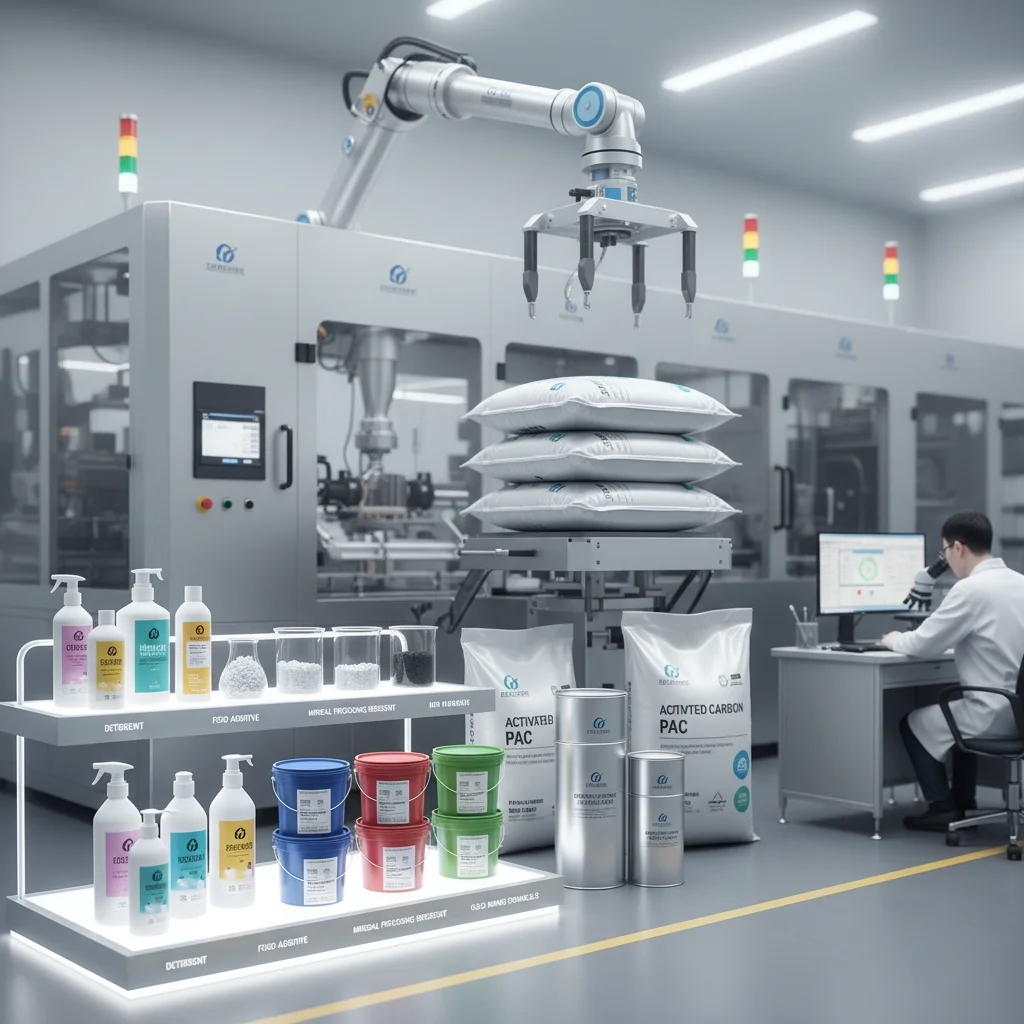
Activated carbon filtration is a widely used process for removing contaminants from liquids and gases. Its effectiveness and versatility make it a crucial technology in various industries, from water purification to air filtration. This article delves into the principles of activated carbon filtration, its applications, types of activated carbon, and factors influencing its performance. Understanding these aspects is essential for optimizing filtration processes and achieving desired results. We'll explore how SDJZ-Chem's offerings can address your specific filtration needs.
How Does Activated Carbon Filtration Work?
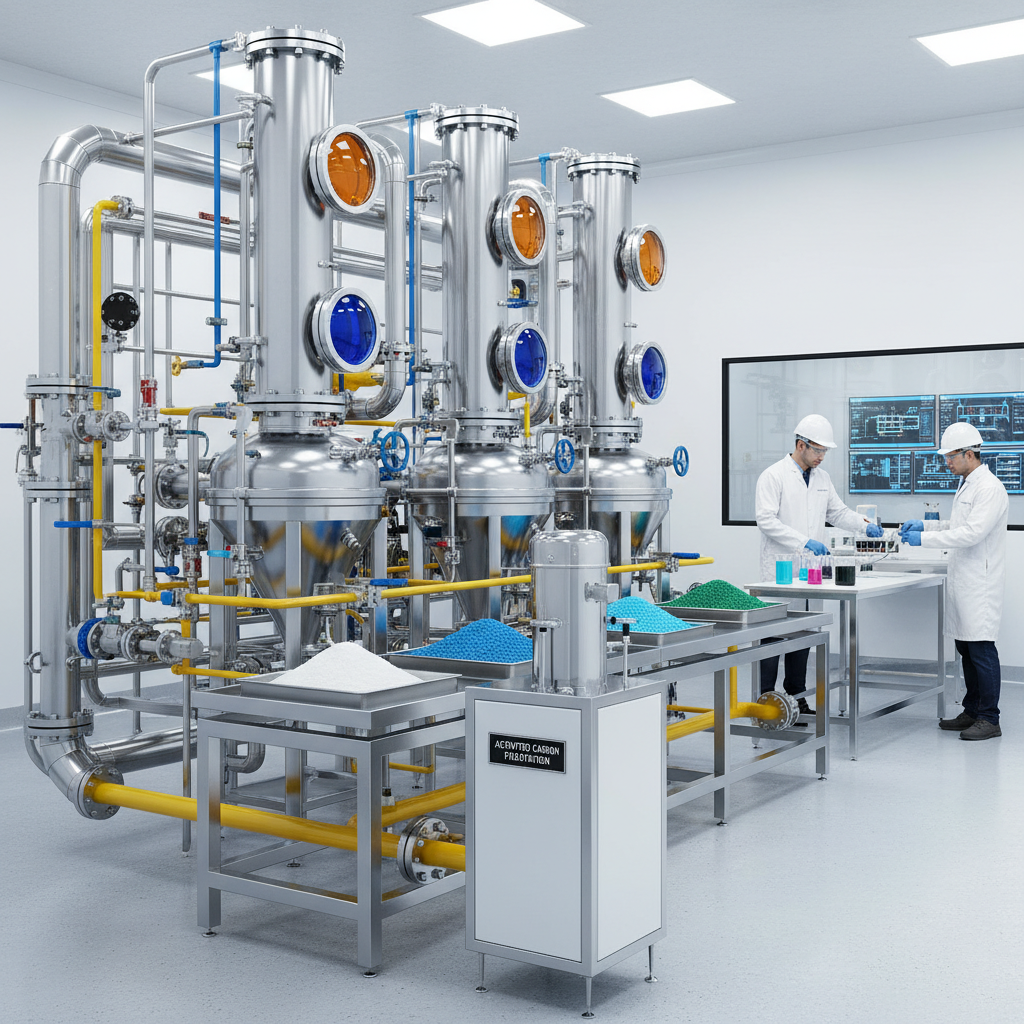
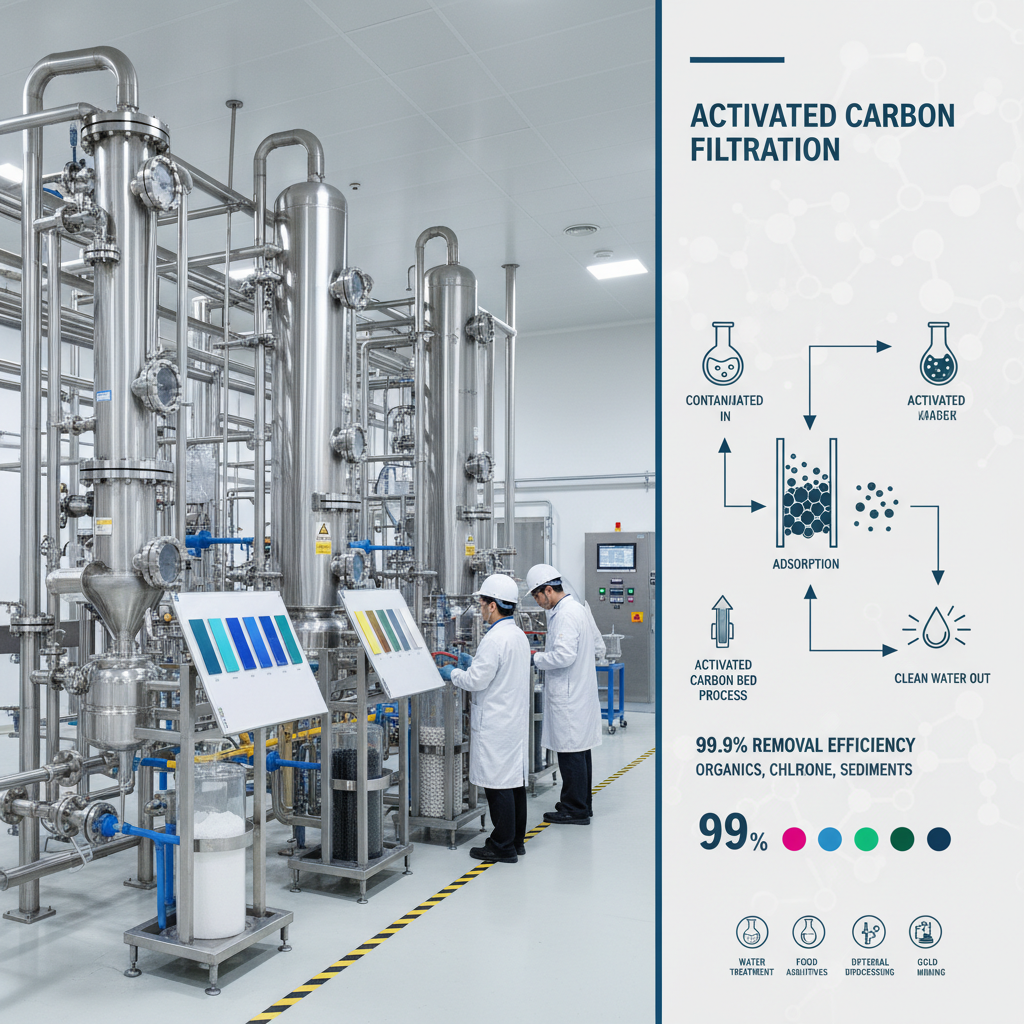
The process relies on the principle of adsorption, where contaminants adhere to the surface of the activated carbon. Activated carbon is created by processing carbonaceous source materials (like coal, wood, coconut shell, or petroleum pitch) to increase its surface area. This is achieved through a two-step process: carbonization (heating to remove volatile compounds) and activation (creating a porous structure). The resulting material boasts an immense surface area – a single gram can have a surface area exceeding 500 square meters. This extensive surface area allows for the efficient adsorption of a wide range of contaminants. The effectiveness of adsorption depends on several factors, including the type of activated carbon, the contaminant's characteristics, and the operating conditions.
Key Highlights: The large surface area of activated carbon allows for efficient adsorption, effectively removing contaminants from liquids and gases.
Types of Activated Carbon and Their Applications
Different types of activated carbon are suited for specific applications based on their pore size distribution and surface chemistry. The three main types are:
- Powdered Activated Carbon (PAC): Used for batch treatment and is cost-effective for large volumes of water.
- Granular Activated Carbon (GAC): Commonly used in fixed-bed filters for continuous treatment, offering longer contact time and higher efficiency.
- Extruded Activated Carbon: Often employed in gas phase applications due to its low pressure drop and consistent performance.
SDJZ-Chem offers a comprehensive range of activated carbon types to match various application requirements.
Activated Carbon Type Benefits:
• PAC: Cost-effective for large volumes.
• GAC: Long contact time, high efficiency.
• Extruded: Low pressure drop, consistent gas phase performance.
Activated Carbon Filtration vs. Other Filtration Methods
While various filtration methods exist, activated carbon filtration stands out for its ability to remove a broad spectrum of contaminants. Compared to other methods:
Factors Affecting Activated Carbon Filtration Performance
Several factors influence the efficiency of activated carbon filtration. These include:
- Contact Time: Longer contact time allows for greater adsorption.
- Flow Rate: Optimal flow rates ensure adequate contact without excessive pressure drop.
- Temperature: Lower temperatures generally favor adsorption.
- pH: The pH of the fluid can affect the adsorption capacity of the carbon.
- Contaminant Concentration: Higher concentrations can saturate the carbon faster.
Proper system design and operation, combined with the right type of activated carbon, are critical for achieving optimal performance.
Product Specifications – SDJZ-Chem Activated Carbon
SDJZ-Chem offers activated carbon with a variety of specifications to meet diverse needs. Here's a sample specification table:
Conclusion: Optimizing Your Filtration with Activated Carbon
Activated carbon filtration remains a cornerstone of purification processes across numerous industries. By understanding the principles, types, and influencing factors, you can effectively optimize your filtration systems. SDJZ-Chem is dedicated to providing high-quality activated carbon solutions tailored to your specific needs. Contact us today to discuss your filtration challenges and find the perfect solution.
Frequently Asked Questions (FAQs)
How often should activated carbon be replaced?
The replacement frequency depends on the contaminant load and the type of activated carbon used. Generally, GAC filters need replacement every 6-12 months, while PAC is replaced with each batch treatment. Monitoring the effluent water quality and pressure drop across the filter are crucial indicators of carbon exhaustion. When the effluent no longer meets quality standards, or the pressure drop becomes significant, it’s time to replace the carbon. SDJZ-Chem can help you determine the optimal replacement schedule based on your specific application.
Can activated carbon remove all contaminants?
No, activated carbon isn’t a universal solution. It excels at removing organic compounds, chlorine, taste, and odor, but it's less effective against inorganic contaminants like heavy metals and nitrates. It’s often used as part of a multi-stage filtration system, combined with other technologies like sediment filtration, reverse osmosis, or UV disinfection, to achieve comprehensive water purification.
What are the benefits of using activated carbon from SDJZ-Chem?
SDJZ-Chem provides high-quality activated carbon manufactured to stringent standards. We offer a diverse range of products tailored to specific applications, backed by expert technical support and reliable supply chain. Our activated carbon delivers consistent performance, efficient contaminant removal, and long service life, contributing to cost-effectiveness and optimal filtration results.