Exploring the Versatile Applications of Coal Activated Carbon for Industrial Use
Coal Activated Carbon: A Comprehensive Guide
Coal activated carbon is a highly versatile material with a wide range of applications, from water purification to industrial gas treatment. This article will delve into the properties, production, applications, and benefits of using coal activated carbon, providing a detailed overview for professionals and anyone interested in this important material. Understanding its unique characteristics is key to maximizing its effectiveness in various processes. Choosing the right type and grade of activated carbon is crucial for optimal results.
What is Coal Activated Carbon?
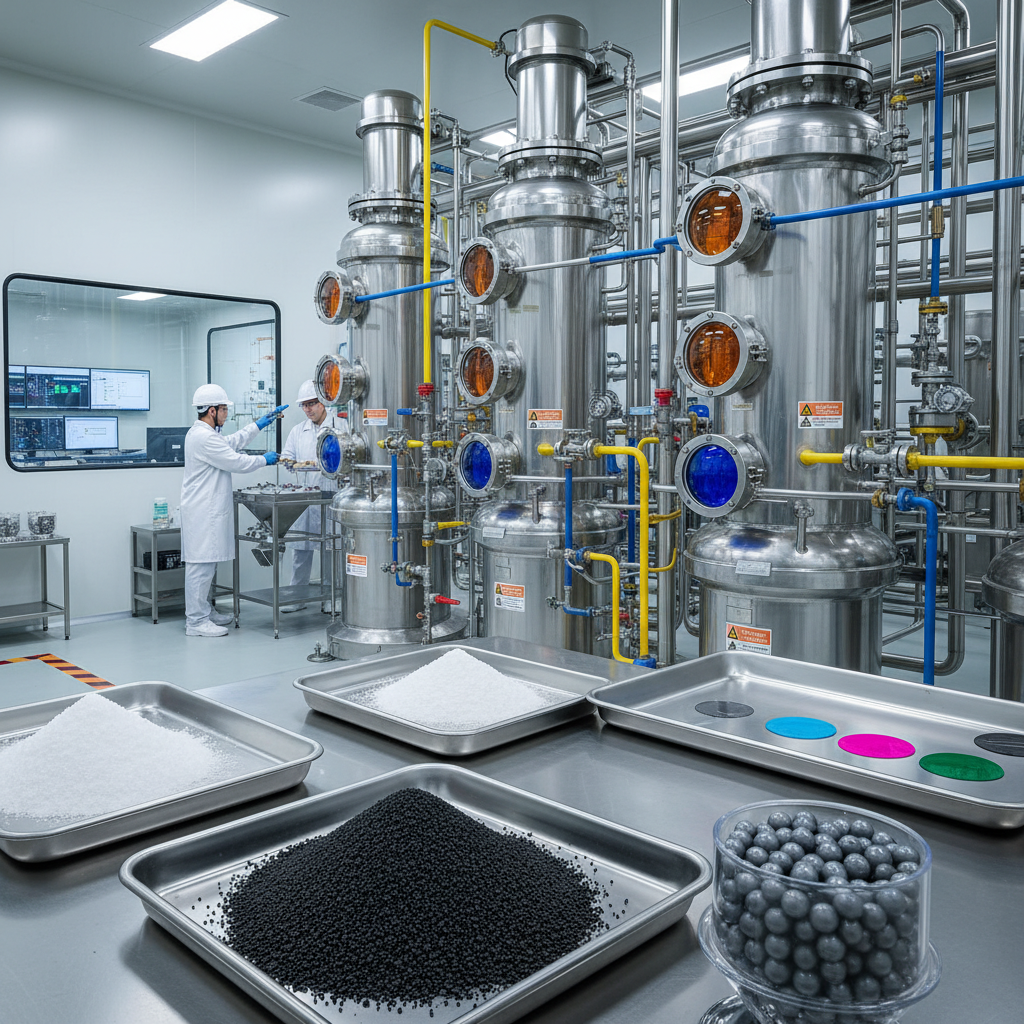
Coal activated carbon is a form of carbon that has been processed to have a very large surface area. This is achieved by heating coal to high temperatures in the absence of oxygen, a process known as activation. The activation process creates millions of tiny pores within the carbon structure, dramatically increasing its surface area – often exceeding 500 m²/g. This extensive surface area is what makes activated carbon so effective at adsorbing molecules from liquids and gases. The starting material is typically bituminous coal, anthracite, or lignite, depending on the desired properties of the final product. SDJZ Chem provides a variety of high-quality coal-based activated carbons.
Key Highlights: Extensive surface area due to pore structure; effective adsorption capabilities; derived from various coal types; widely used in purification and separation processes.
The Production Process of Coal Activated Carbon
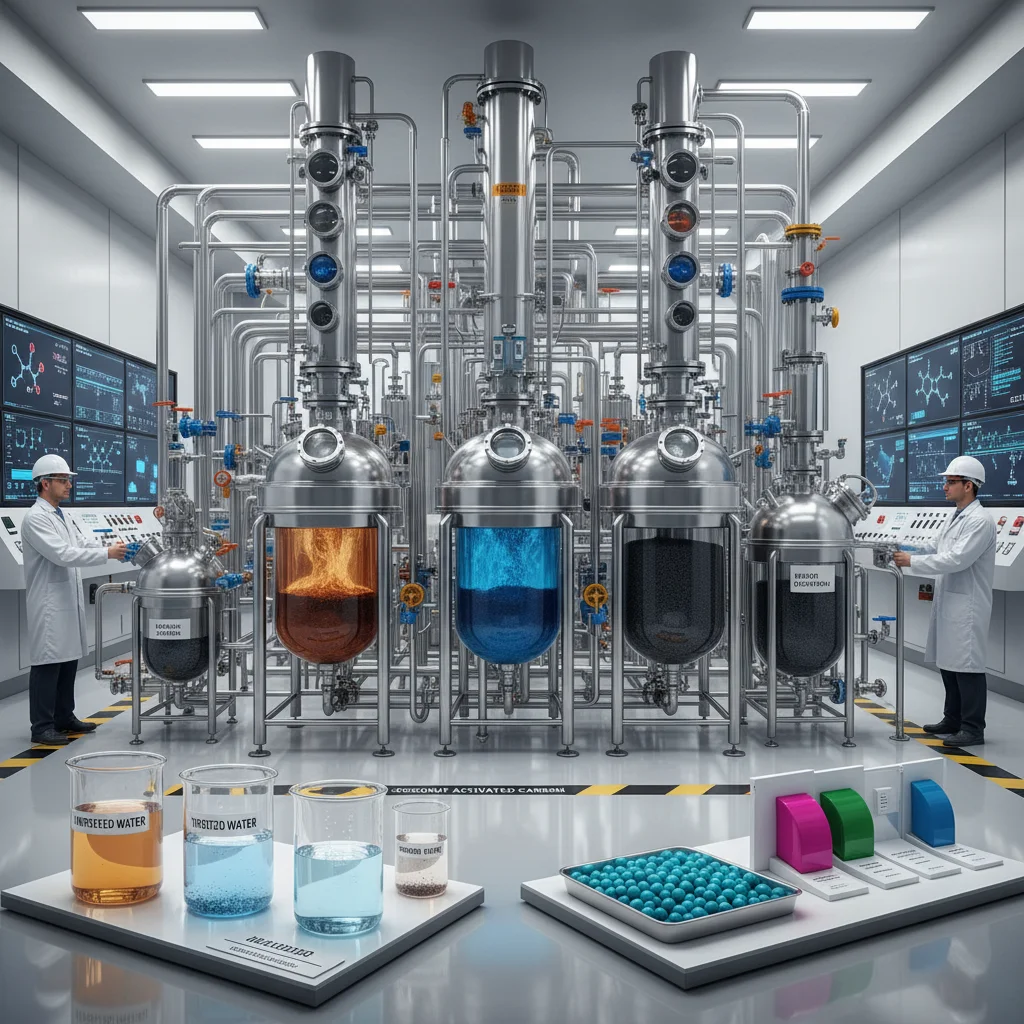
The production of coal activated carbon generally involves two main steps: carbonization and activation. Carbonization involves heating the coal to remove volatile components, leaving behind a carbon-rich residue. Activation then creates the porous structure. This can be achieved through physical activation (using steam or carbon dioxide) or chemical activation (using chemical agents like phosphoric acid or zinc chloride). The activation process is crucial for developing the desired pore size distribution and surface area. Controlling these parameters directly impacts the carbon's adsorption capacity for specific applications.
Activation Methods:
• Physical Activation: Uses gases like steam or CO2 to oxidize the carbon and create pores.
• Chemical Activation: Uses chemical agents to dehydrate and carbonize the material, creating a highly porous structure.
• Each method yields different pore size distributions and activation levels.
Key Applications of Coal Activated Carbon
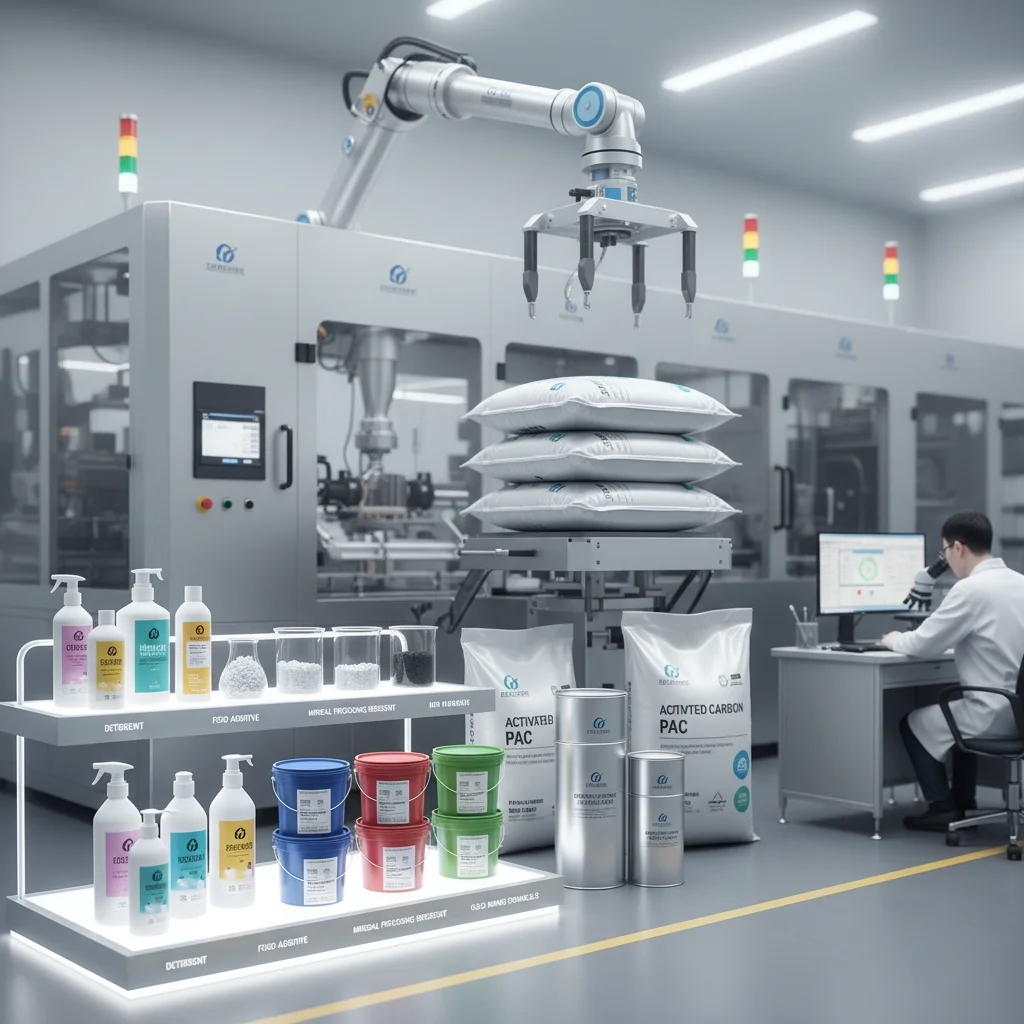
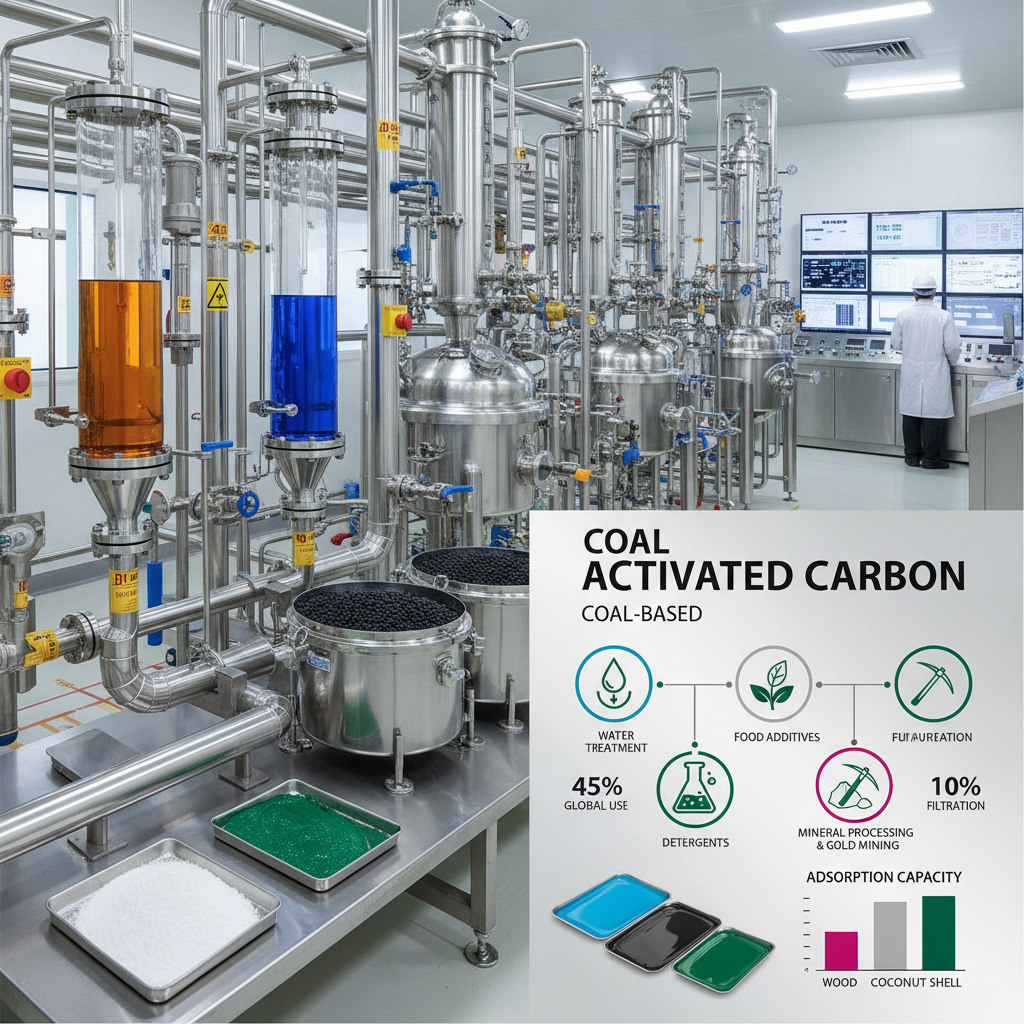
The versatile nature of coal activated carbon leads to its use in a wide spectrum of applications. Some of the most common include: water treatment (removing chlorine, sediment, and volatile organic compounds), air purification (controlling odor and removing pollutants), gas purification (removing hydrogen sulfide and other contaminants), food and beverage processing (decolorizing sugar and purifying juices), and pharmaceutical applications (removing impurities from drugs). Its ability to selectively adsorb different substances makes it a crucial component in many industrial processes. SDJZ Chem offers customized activated carbon solutions for diverse application needs.
Factors Influencing the Performance of Coal Activated Carbon
Several factors influence the effectiveness of coal activated carbon. Pore size distribution, surface area, particle size, and activation level all play critical roles. The type of contaminant being removed also significantly impacts performance – different molecules have varying affinities for carbon surfaces. Contact time, temperature, and pH also need to be considered. Selecting the right grade of activated carbon, tailored to the specific application, is vital for maximizing efficiency and minimizing costs. Regular monitoring and replacement of the activated carbon are essential to maintain optimal performance.
Benefits of Using Coal Activated Carbon
Using coal activated carbon offers numerous benefits. Its high adsorption capacity results in efficient removal of contaminants, leading to cleaner water, air, and products. It's a cost-effective solution compared to many other purification methods. It's also relatively environmentally friendly, as it can be produced from a readily available resource. The versatility of activated carbon allows it to be used in a wide range of applications, making it a valuable tool for industries across the board. Properly managed, activated carbon systems contribute to sustainable practices.
Conclusion: A Powerful Adsorbent for a Cleaner Future
Coal activated carbon is a remarkably versatile and effective material with applications spanning numerous industries. Its ability to efficiently remove contaminants from liquids and gases makes it a vital component of many processes. By understanding its properties, production, and applications, you can leverage its power to achieve cleaner, safer, and more sustainable outcomes.
Frequently Asked Questions (FAQs)
What is the difference between powdered activated carbon (PAC) and granular activated carbon (GAC)?
PAC has a smaller particle size and is typically used for batch treatment processes, such as water purification. It's added directly to the water and then removed by sedimentation or filtration. GAC, with its larger particle size, is used in fixed-bed adsorption systems, where water or gas flows through a bed of activated carbon. GAC is often regenerated on-site, making it a more cost-effective option for continuous treatment applications. The choice between PAC and GAC depends on the specific application requirements and the desired level of treatment.
How is activated carbon regenerated?
Activated carbon can be regenerated through various methods, including thermal regeneration, steam regeneration, and chemical regeneration. Thermal regeneration involves heating the carbon to high temperatures to desorb the adsorbed contaminants. Steam regeneration uses steam to remove the adsorbed substances. Chemical regeneration uses chemical agents to remove specific contaminants. Regeneration restores the adsorption capacity of the carbon, extending its lifespan and reducing waste. The most suitable regeneration method depends on the type of contaminants adsorbed and the economic feasibility.
What safety precautions should be taken when handling activated carbon?
Activated carbon dust can be irritating to the eyes, skin, and respiratory system. It's important to wear appropriate personal protective equipment (PPE), such as dust masks, gloves, and eye protection, when handling activated carbon. Avoid creating dust, and ensure adequate ventilation. Activated carbon can also absorb oxygen, so it should be stored in a well-ventilated area away from flammable materials. Always follow the manufacturer's safety data sheet (SDS) for detailed handling and storage instructions.
Where can I purchase high-quality coal activated carbon?
SDJZ Chem is a leading supplier of high-quality coal activated carbon for a wide range of applications. We offer customized solutions and competitive pricing. Contact us today to discuss your specific needs and receive a quote.