Comprehensive Guide to Coconut Activated Carbon Properties and Applications
Coconut Activated Carbon: A Comprehensive Guide
Coconut activated carbon is a highly versatile material gaining prominence across various industries, from water purification and air filtration to food & beverage and pharmaceutical applications. Derived from the shells of coconuts, it offers a sustainable and highly effective solution for adsorption processes. This article will explore the properties, production, applications, and benefits of coconut activated carbon, highlighting why it's a preferred choice for many demanding applications. Understanding its unique characteristics can help you determine if it’s the right solution for your specific needs. SDJZ Chem specializes in high-quality coconut activated carbon solutions.
What is Coconut Activated Carbon?
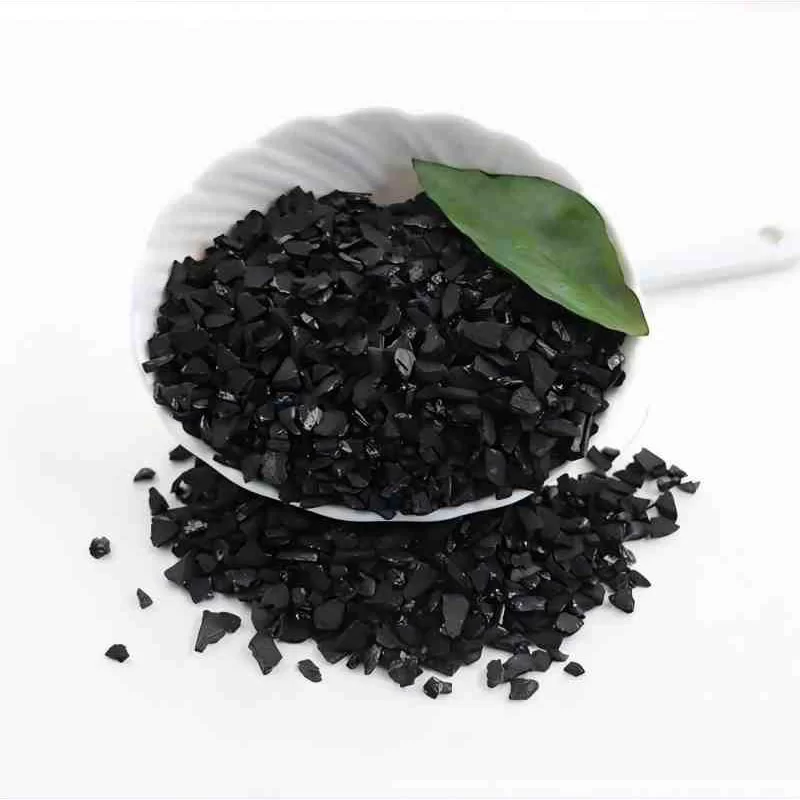
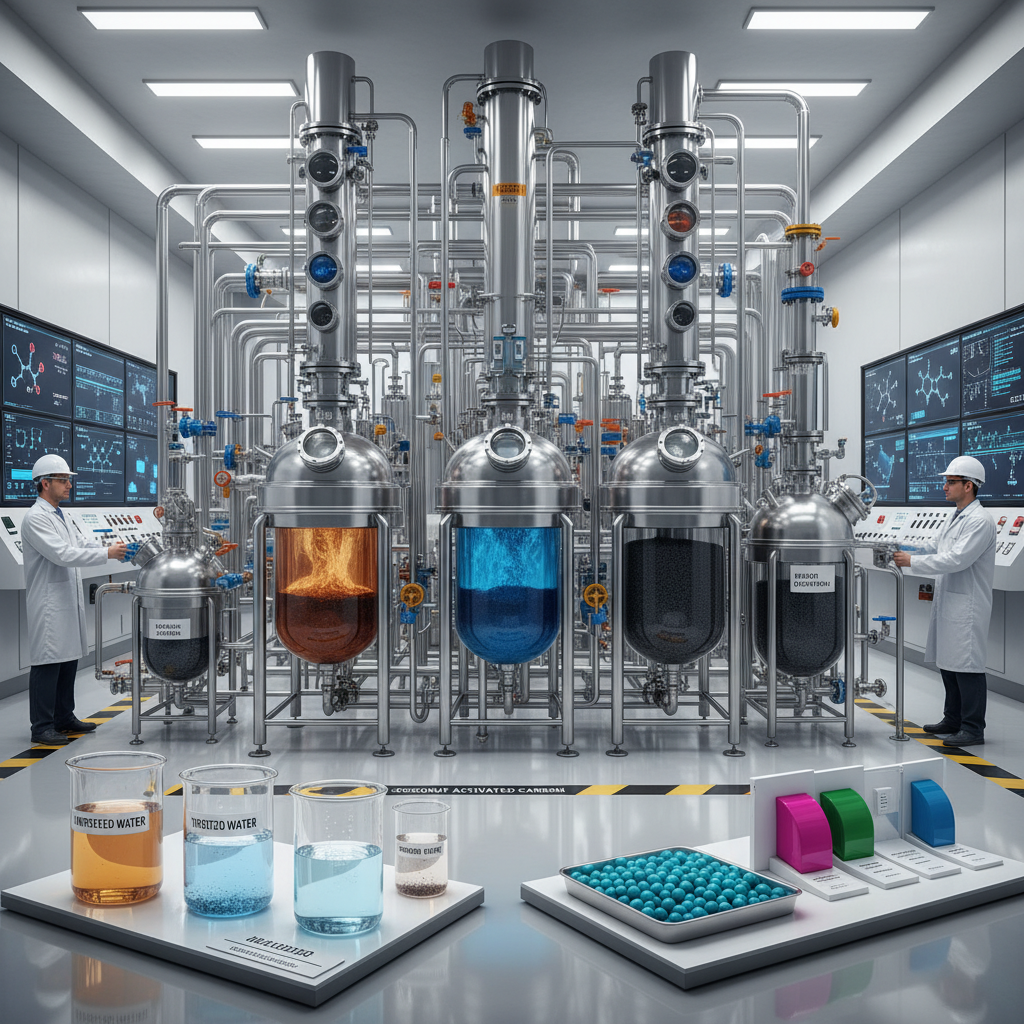
Coconut activated carbon is a form of carbon processed to have small, low-volume pores that increase the surface area available for adsorption – the process where molecules adhere to a surface. It's created from coconut shells through a two-stage process: carbonization and activation. Carbonization involves heating the coconut shells to high temperatures in the absence of oxygen, creating a char. Activation then further develops the porous structure, typically using steam or chemical agents. This results in a material with exceptional adsorption capabilities. Because of its higher hardness, coconut shell activated carbon is used in applications where resistance to attrition is important. Learn more about our production process.
Key Highlights: Coconut shell activated carbon possesses a high surface area, excellent hardness, and a consistent pore structure, making it ideal for various purification and filtration applications.
The Production Process of Coconut Activated Carbon
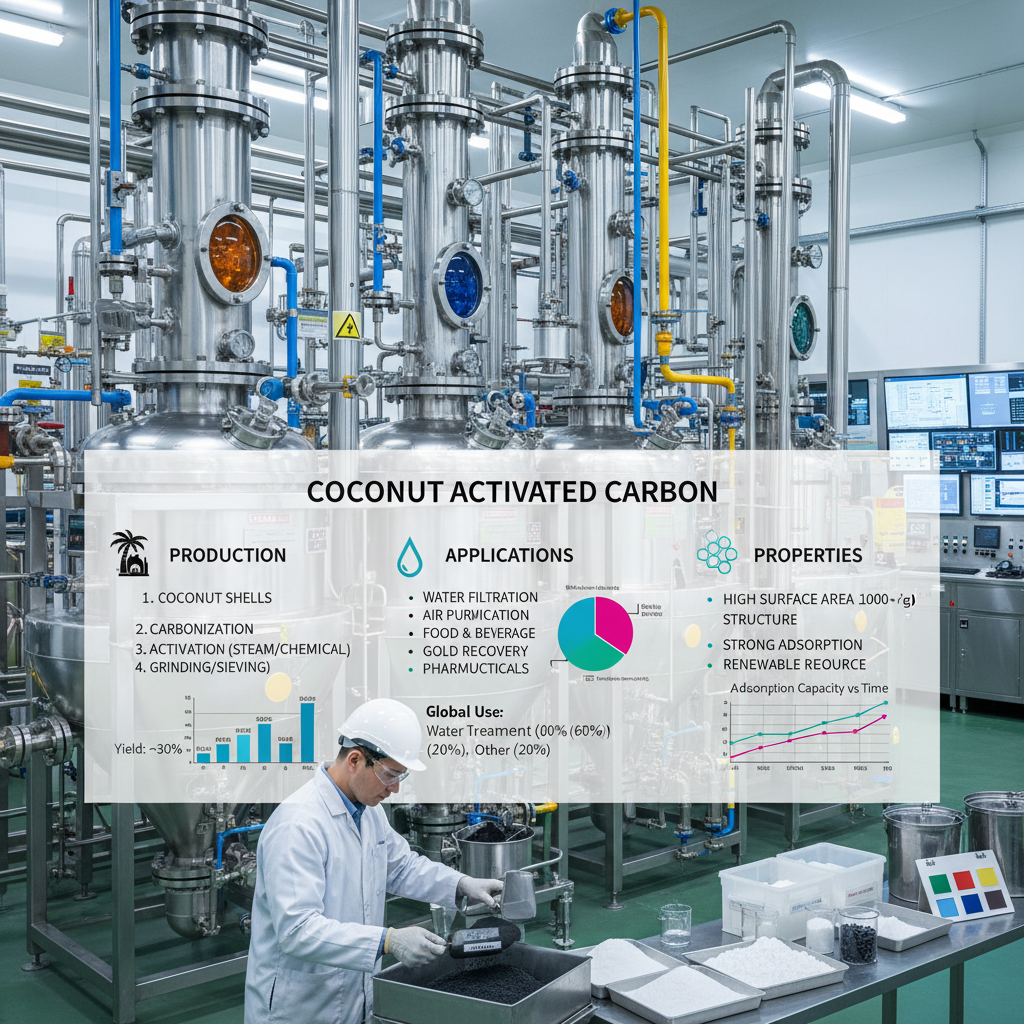
The manufacturing of coconut activated carbon is a meticulous process designed to maximize its adsorption capabilities. First, the coconut shells are thoroughly cleaned and dried. They are then subjected to carbonization in a kiln or retort, typically at temperatures between 600-900°C. This process drives off volatile compounds, leaving behind a carbon char. The critical stage is activation, which can be achieved through physical or chemical methods. Physical activation utilizes steam or carbon dioxide at high temperatures to create pores. Chemical activation employs activating agents like phosphoric acid or potassium hydroxide. The choice of activation method influences the final pore structure and properties of the activated carbon. SDJZ Chem employs both methods to provide a tailored range of products.
Activation Methods:
• Physical Activation: Utilizes steam or CO2 to create pores.
• Chemical Activation: Employs activating agents like phosphoric acid.
• Pore structure and properties vary based on method.
Coconut Activated Carbon vs. Other Activated Carbons
While activated carbon can be derived from various sources like coal, wood, and coconut shells, each material offers distinct advantages. Coconut shell activated carbon is renowned for its superior hardness, making it resistant to attrition and ideal for applications requiring repeated handling. It also boasts a consistent pore structure, resulting in predictable adsorption performance. Compared to coal-based activated carbon, coconut-based carbon generally has a higher surface area and lower ash content. Wood-based activated carbon tends to have a less developed pore structure and lower hardness. The sustainable sourcing of coconut shells further enhances its appeal.
Diverse Applications of Coconut Activated Carbon
The unique properties of coconut activated carbon make it ideal for a broad spectrum of applications. It’s commonly used in water purification systems, effectively removing chlorine, sediment, volatile organic compounds (VOCs), and other contaminants. In the food and beverage industry, it’s used for decolorizing sugar solutions and removing unwanted tastes and odors. Air purification systems utilize it to eliminate pollutants and improve air quality. Pharmaceutical applications include the purification of drugs and the treatment of poisoning. Furthermore, it finds applications in gas masks, solvent recovery, and precious metal extraction. Explore our application-specific products.
Product Specifications & Grades
We offer a range of coconut activated carbon grades tailored to specific applications. These grades vary in particle size, pore size distribution, and iodine number (a measure of adsorption capacity). Here’s a sample specification table:
Conclusion: Choose Sustainable and Effective Coconut Activated Carbon
Coconut activated carbon offers a compelling combination of performance, sustainability, and versatility. From water purification to industrial applications, it provides an effective solution for a wide range of adsorption needs. SDJZ Chem is committed to providing high-quality coconut activated carbon products and expert technical support to help you optimize your processes.
Frequently Asked Questions (FAQs)
What are the benefits of using coconut shell activated carbon over other types?
Coconut shell activated carbon stands out due to its superior hardness, making it incredibly durable and resistant to attrition during handling and regeneration. This is particularly important for applications where the carbon is frequently reused or transported. It also boasts a high surface area, resulting in excellent adsorption capacity. Compared to coal-based activated carbon, it has a lower ash content and is a more sustainable choice. Finally, it generally has a more consistent pore structure, providing predictable performance in your applications.
How is the quality of coconut activated carbon measured?
Several key parameters are used to assess the quality of coconut activated carbon. These include Iodine Number, which measures adsorption capacity; Particle Size Distribution, affecting flow rate and pressure drop; Moisture Content, impacting weight and performance; and Ash Content, indicating the level of impurities. Surface area (measured using BET analysis) and pore size distribution are also crucial indicators of adsorption characteristics. SDJZ Chem provides detailed specifications and quality control reports for all our products.
Can coconut activated carbon be regenerated and reused?
Yes, coconut activated carbon can often be regenerated and reused, making it a cost-effective and environmentally friendly solution. Regeneration typically involves thermal treatment to remove adsorbed contaminants. The effectiveness of regeneration depends on the nature of the adsorbed substances and the regeneration process employed. However, with each regeneration cycle, there can be a slight loss of adsorption capacity. Contact us to discuss regeneration options for your specific application.
Is coconut activated carbon environmentally friendly?
Yes, coconut activated carbon is considered a sustainable and environmentally friendly material. It’s derived from a renewable resource – coconut shells – which are often by-products of the food and beverage industry. Using these by-products reduces waste and promotes a circular economy. The production process is generally less energy-intensive and generates fewer harmful emissions compared to producing activated carbon from fossil fuels like coal.