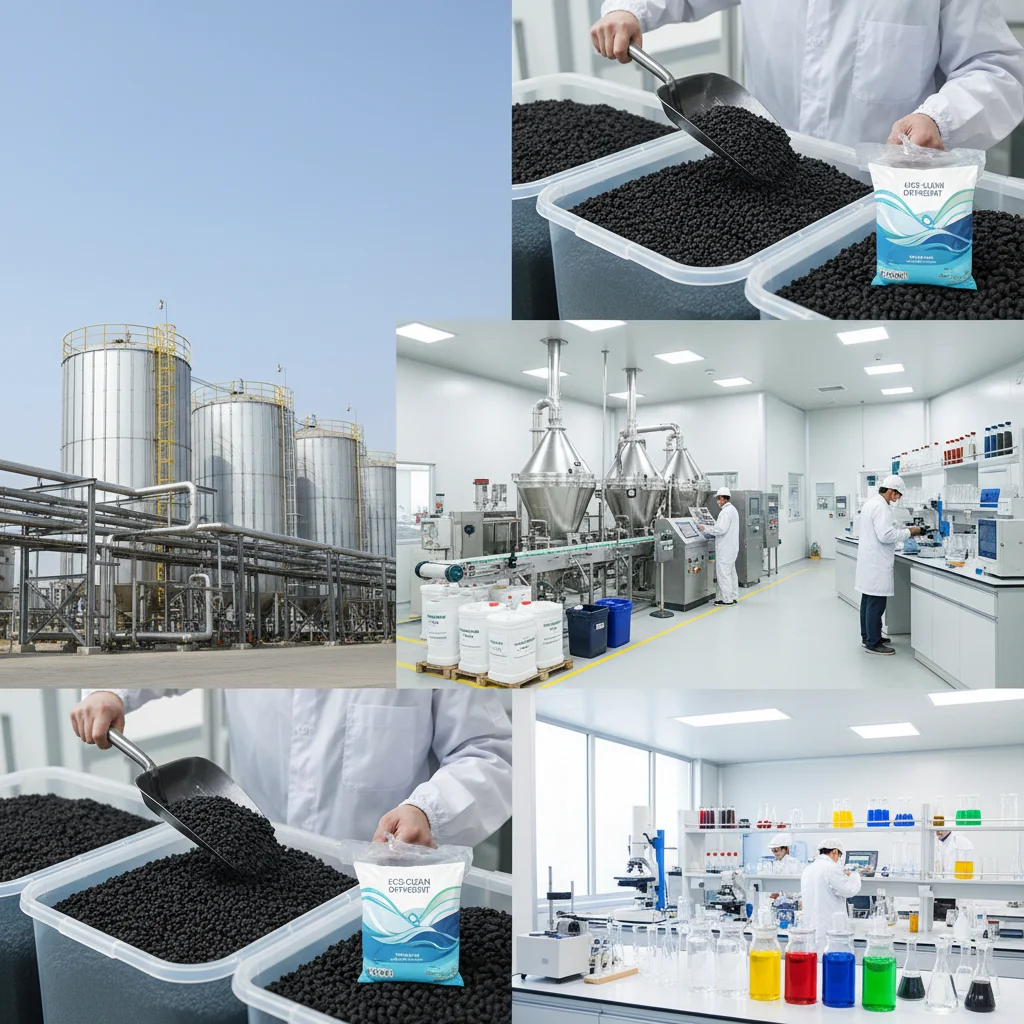
Comprehensive Guide to Activated Carbon Powder Properties and Industrial Applications
Activated Carbon Powder: A Comprehensive Guide
Activated carbon powder is a versatile material with a wide range of applications across various industries, from water purification to pharmaceuticals. Its exceptional adsorption capabilities make it a critical component in numerous processes. This article will explore the properties, production methods, applications, and benefits of activated carbon powder, providing valuable insights for both professionals and those new to the field. Understanding the nuances of activated carbon powder can unlock its potential for optimizing industrial processes and achieving superior results.
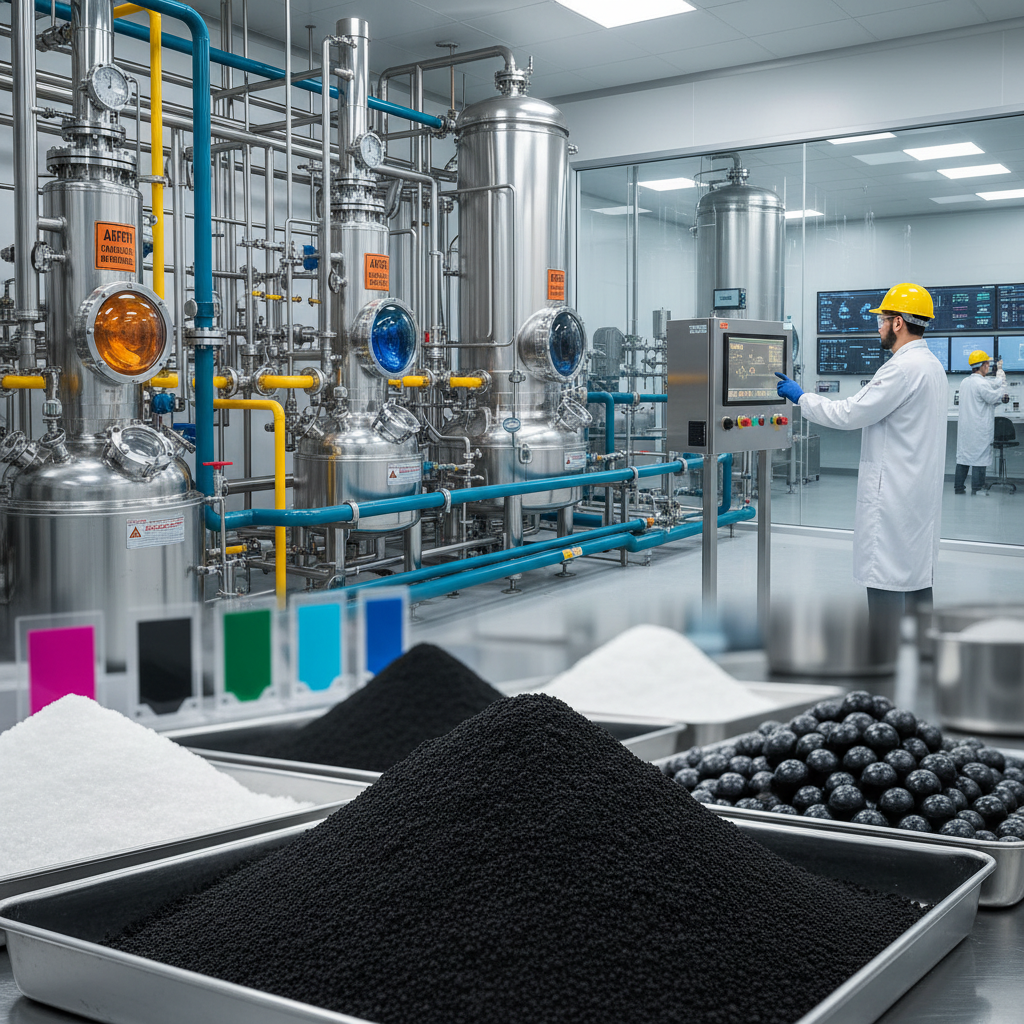
What is Activated Carbon Powder?
Activated carbon powder is a form of carbon processed to have small, low-volume pores that increase the surface area available for adsorption or chemical reactions. This massive surface area – typically ranging from 500 to 2500 m²/g – is what gives activated carbon its exceptional adsorptive properties. It’s commonly produced from carbonaceous source materials like coal, wood, coconut shell, or peat, which undergo a two-step process: carbonization followed by activation. The activation process enhances porosity, creating the intricate pore structure crucial for its function. The resulting powder finds application in everything from decolorizing liquids to capturing pollutants. You can explore our range of activated carbon powders at SDJZ Chem.
Key Highlights: Possesses an incredibly high surface area, enabling strong adsorption capabilities. Produced from diverse carbonaceous materials through carbonization and activation.
Production Methods of Activated Carbon Powder
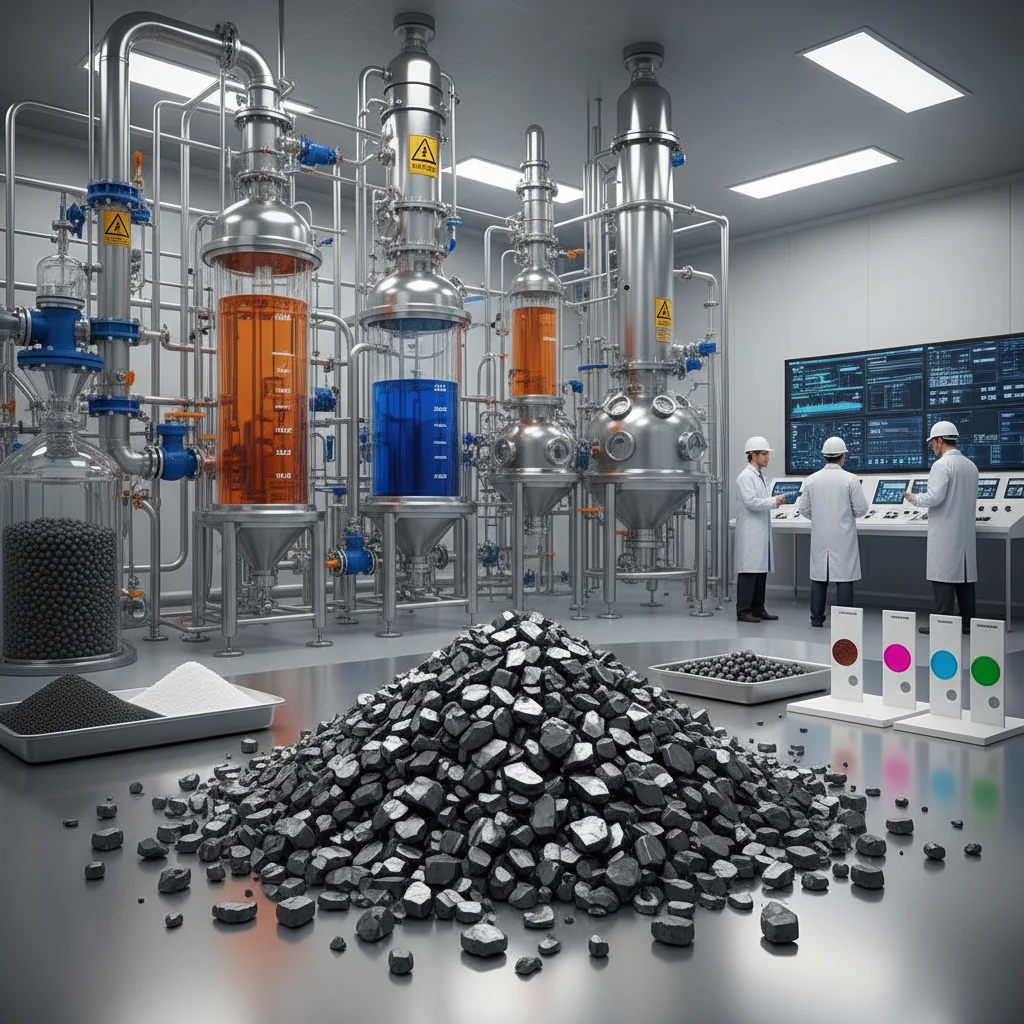
There are primarily two methods used to produce activated carbon powder: physical activation and chemical activation. Physical activation involves carbonizing the source material at high temperatures (600-900°C) in the absence of oxygen, followed by exposing the resulting char to oxidizing gases like steam or carbon dioxide. This process creates and expands the pore structure. Chemical activation utilizes activating agents such as phosphoric acid, potassium hydroxide, or zinc chloride during the carbonization process. This method generally produces a higher surface area and a more controlled pore size distribution. Each method yields activated carbon powder with slightly different characteristics, making them suitable for varying applications.
Activation Method Comparison:
• Physical Activation: Uses gases like steam or CO2, high temperature.
• Chemical Activation: Uses chemical agents like phosphoric acid, lower temperatures.
• Yield: Chemical activation often yields higher surface areas.
• Cost: Physical activation can be less expensive initially.
Applications of Activated Carbon Powder
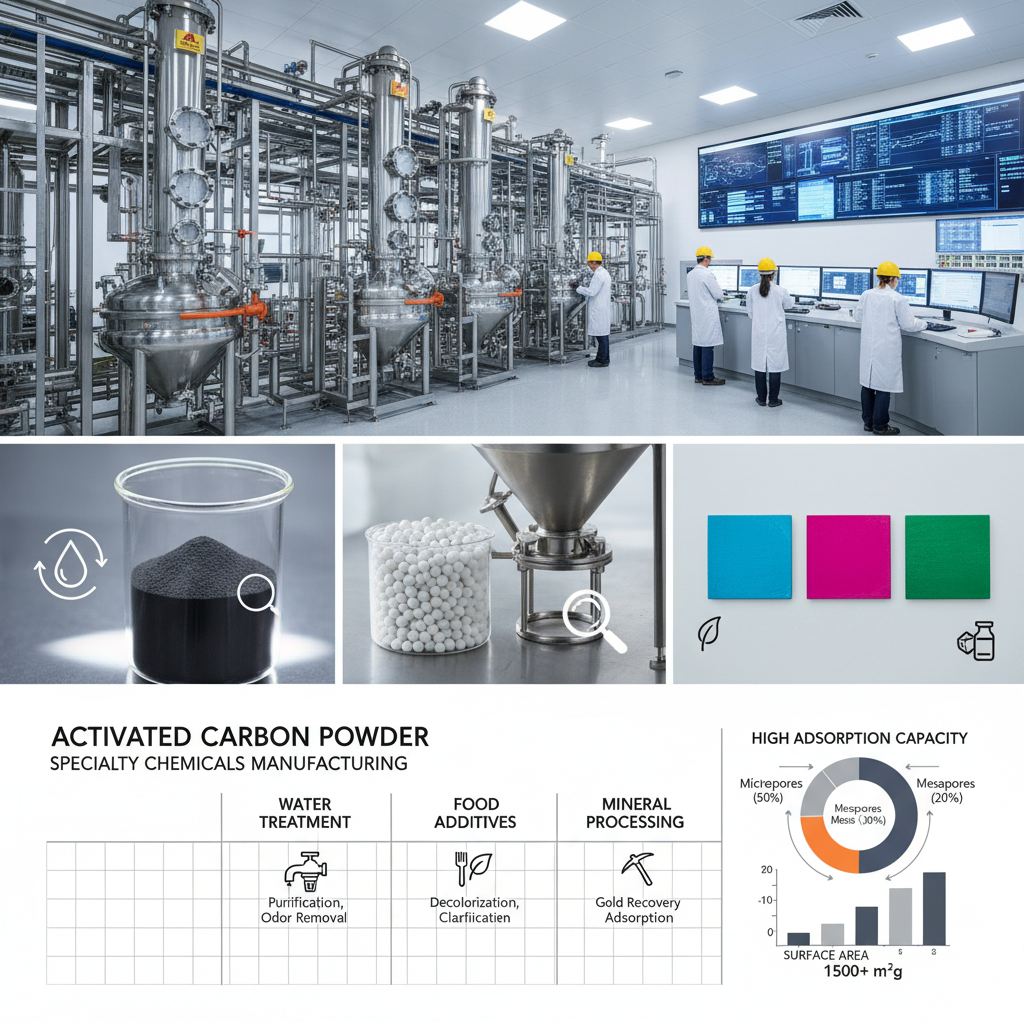
The applications of activated carbon powder are incredibly diverse. In the water treatment industry, it’s used to remove chlorine, sediment, volatile organic compounds (VOCs), taste, and odor. The food and beverage industry utilizes it for decolorizing sugar solutions and removing unwanted flavors. In the pharmaceutical sector, it serves as an antidote for certain types of poisoning and is used in drug purification processes. Additionally, it finds application in gas purification, air filtration, and as a component in various catalysts. The ability to tailor pore size and surface chemistry makes it adaptable to a vast range of purification and separation challenges.
Key Properties and Specifications of Activated Carbon Powder
The effectiveness of activated carbon powder is directly tied to its specific properties. Key characteristics include particle size, surface area, pore size distribution, ash content, and moisture content. Particle size affects adsorption rate and filtration efficiency. Higher surface area generally equates to greater adsorption capacity. Pore size distribution determines what types of molecules can be adsorbed. Low ash content is desirable for many applications to avoid introducing impurities. We at SDJZ Chem meticulously control these parameters to deliver consistently high-quality activated carbon powder tailored to our customers' needs.
Benefits of Using Activated Carbon Powder
Utilizing activated carbon powder offers a multitude of benefits. Its high adsorption capacity allows for efficient removal of contaminants, leading to improved product quality and process efficiency. It's a cost-effective solution for purification, often outperforming alternative methods. It is also a relatively environmentally friendly technology, as activated carbon can be regenerated and reused in many applications. Finally, its versatility and adaptability make it a valuable asset across diverse industries. Choosing the right activated carbon powder, like those offered by SDJZ Chem, can significantly enhance your operations.
Conclusion: Unleashing the Power of Activated Carbon
Activated carbon powder remains a critical component in countless industrial processes. Its unique properties and versatile applications make it an invaluable resource for improving efficiency, enhancing product quality, and promoting sustainability. Whether you’re in water treatment, food processing, or pharmaceuticals, exploring the benefits of activated carbon powder can unlock significant advantages for your operations.
Frequently Asked Questions (FAQs)
What factors influence the adsorption capacity of activated carbon powder?
Several factors play a crucial role in determining the adsorption capacity of activated carbon powder. These include the surface area, pore size distribution, particle size, and the chemical nature of both the adsorbent and the adsorbate. A larger surface area provides more sites for adsorption. The pore size must be appropriate for the size of the molecules being adsorbed. Smaller particle sizes offer faster adsorption rates. Furthermore, the presence of functional groups on the carbon surface can enhance adsorption of specific compounds through chemical interactions. The temperature and pH of the solution also have a significant impact.
How can activated carbon powder be regenerated for reuse?
Activated carbon powder can be regenerated through various methods, allowing for cost-effective reuse. Thermal regeneration involves heating the carbon to high temperatures in a controlled atmosphere to desorb the adsorbed contaminants. Steam regeneration uses steam to remove volatile compounds. Chemical regeneration utilizes solvents or chemical solutions to dissolve or remove adsorbed materials. The choice of regeneration method depends on the type of contaminants adsorbed and the desired level of purity. Regeneration can restore a significant portion of the original adsorption capacity, reducing waste and lowering operational costs.
What are the safety precautions when handling activated carbon powder?
While generally considered safe, activated carbon powder requires careful handling. It can be irritating to the eyes, skin, and respiratory system. It's crucial to wear appropriate personal protective equipment (PPE), including dust masks, gloves, and eye protection. Avoid creating dust during handling and ensure adequate ventilation. In case of contact, flush affected areas with water. Refer to the Safety Data Sheet (SDS) for detailed safety information and handling instructions.
How does the source material affect the quality of activated carbon powder?
The source material significantly impacts the final properties of activated carbon powder. Coconut shell-based carbon generally exhibits high hardness, good pore size distribution, and excellent adsorption capacity, making it ideal for water purification. Coal-based carbon is often more economical and suitable for applications where high purity isn't critical. Wood-based carbon tends to have a larger pore size, making it effective for decolorization. Selecting the appropriate source material is crucial for achieving the desired performance characteristics for a specific application.