Optimizing Gold Recovery with Activated Carbon for Gold Mining Applications
Activated Carbon for Gold Mining: A Comprehensive Guide
Activated carbon plays a critical role in gold mining, specifically in the carbon-in-pulp (CIP) and carbon-in-leach (CIL) processes. Its exceptional adsorption capabilities allow it to effectively recover gold from ore slurries. Choosing the right type of activated carbon is paramount for maximizing gold recovery and operational efficiency. This article provides an in-depth look at the use of activated carbon in gold mining, covering its properties, applications, types, and crucial factors to consider when selecting a supplier. Understanding these aspects is vital for optimizing gold extraction processes.
Understanding Activated Carbon’s Role in Gold Extraction
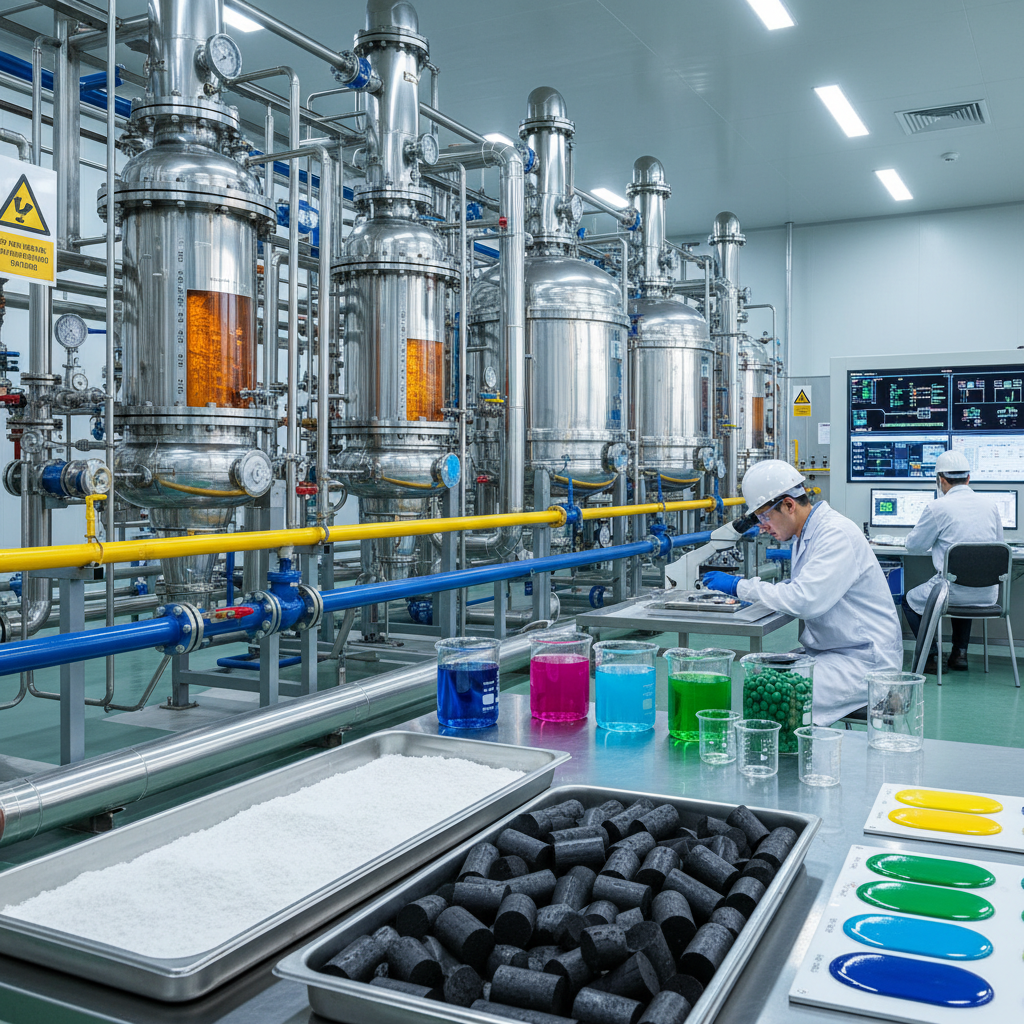
In the CIP/CIL processes, gold cyanide complexes are selectively adsorbed onto the surface of activated carbon. This allows for the separation of gold from the ore slurry. The loaded carbon is then separated from the slurry through screening, and the gold is subsequently recovered from the carbon via elution, electrowinning, or other refining methods. The efficiency of this process depends heavily on the quality and characteristics of the activated carbon used, including its pore size distribution, surface area, and hardness. A high-quality product ensures efficient gold adsorption and minimal losses throughout the extraction process. SDJZ Chem provides customized activated carbon solutions for gold mining.
Key Benefits: Enhanced gold recovery rates, reduced processing costs, environmentally sound alternative to mercury amalgamation, and increased operational efficiency.
Types of Activated Carbon Used in Gold Mining
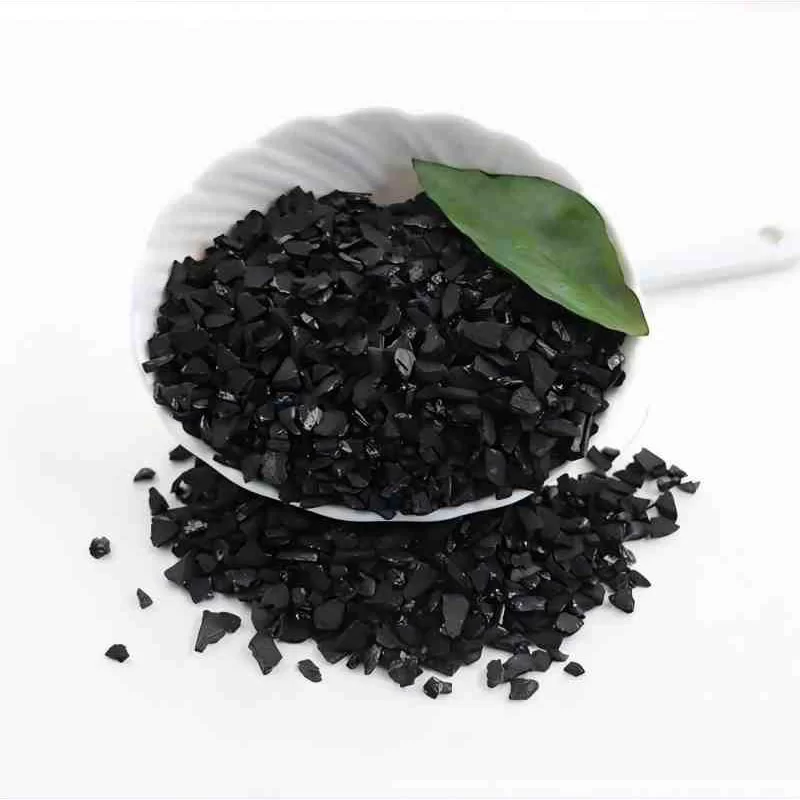
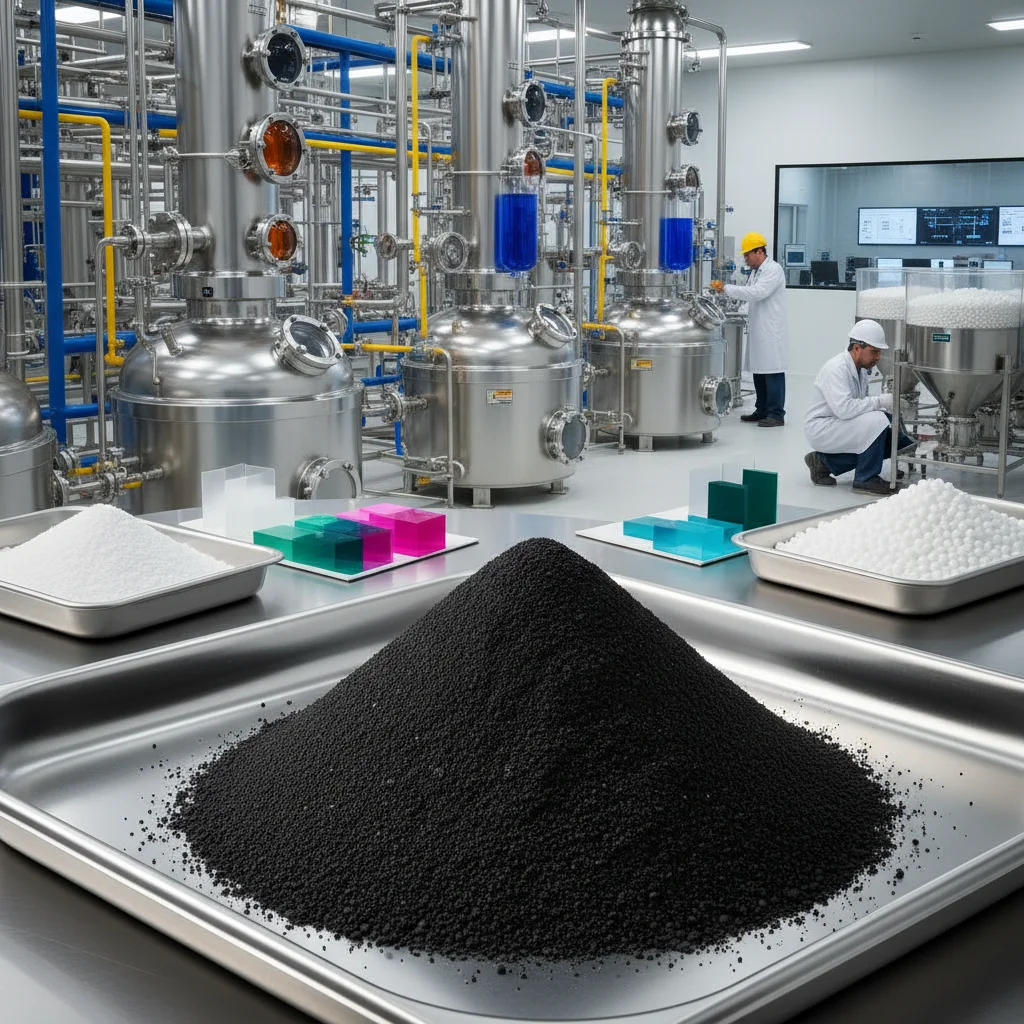
Several types of activated carbon are employed in gold mining, each with specific characteristics suited to different ore types and process conditions. Coal-based activated carbon is commonly used due to its high mechanical strength and relatively low cost. Coconut shell-based activated carbon boasts superior adsorption kinetics and a higher gold loading capacity, making it ideal for ores with low gold concentrations. Wood-based activated carbon offers a balance of properties and is often used in specialized applications. The selection of the appropriate type of activated carbon is a critical factor in maximizing gold recovery. Contact us to discuss which type suits your needs.
Activated Carbon Types:
• Coal-based: High strength, cost-effective
• Coconut Shell-based: High adsorption kinetics, superior loading capacity
• Wood-based: Balanced properties, specialized applications
Activated Carbon for Gold Mining: Key Properties and Specifications
The effectiveness of activated carbon in gold mining is determined by several key properties. These include: surface area (measured in m²/g), pore volume (cm³/g), particle size (affecting adsorption kinetics), hardness (resistance to attrition in the CIP/CIL circuit), and gold loading capacity (mg Au/g). A higher surface area and pore volume generally translate to greater adsorption capacity. Hardness is particularly crucial for preventing carbon losses due to abrasion during processing. Proper specification of these properties is essential for optimizing gold recovery and minimizing operational costs.
Factors to Consider When Choosing a Supplier
Selecting a reliable and experienced activated carbon supplier is critical. Consider factors such as the supplier’s manufacturing capabilities, quality control processes, technical support, and logistical infrastructure. Ensure the supplier can consistently deliver activated carbon that meets your specific requirements and can provide technical assistance to optimize its performance in your CIP/CIL circuit. A reputable supplier will also offer analytical services to verify the quality and characteristics of the activated carbon. SDJZ Chem is committed to providing high-quality activated carbon and comprehensive support to gold mining operations.
Optimizing Activated Carbon Usage and Regeneration
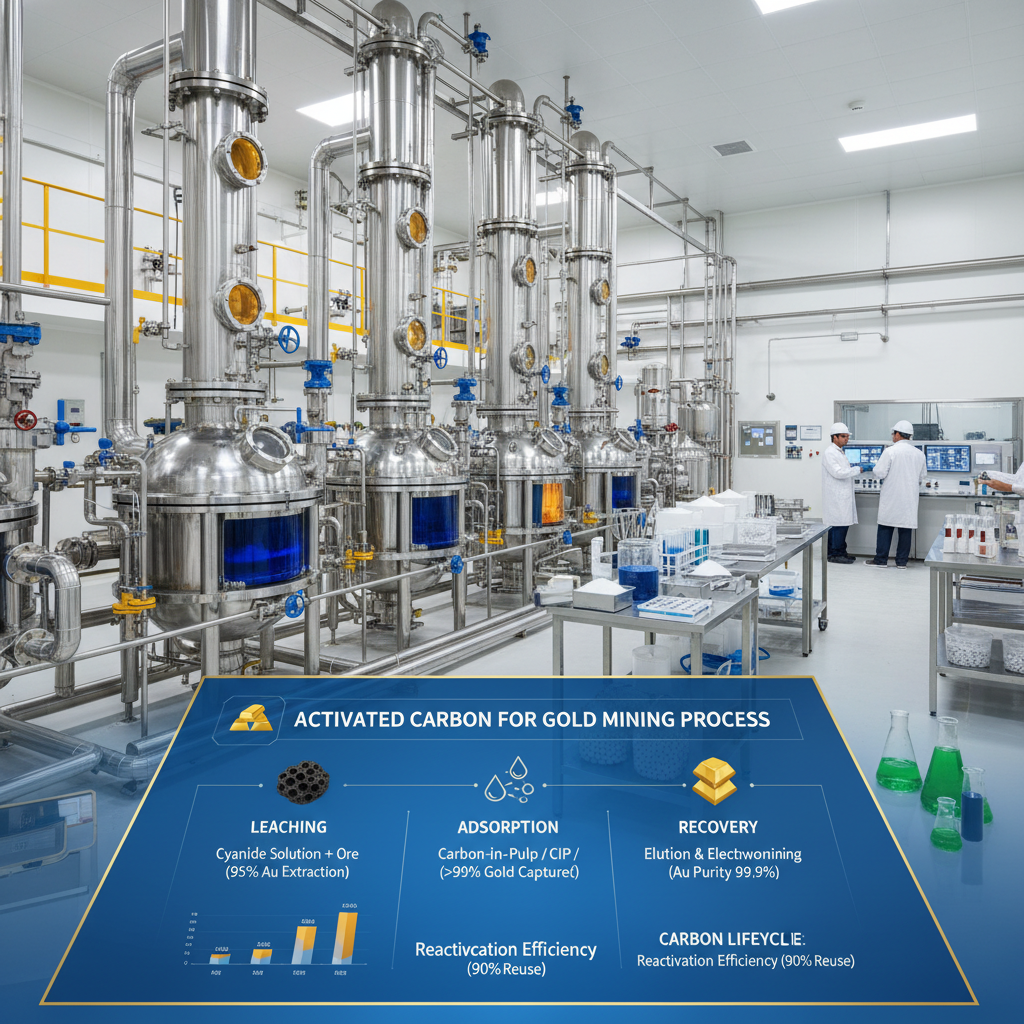
Maximizing the lifespan and efficiency of activated carbon is crucial for cost-effective gold recovery. Regular monitoring of the carbon's adsorption capacity and periodic regeneration are essential. Regeneration typically involves thermal oxidation to remove adsorbed impurities and restore the carbon's adsorption sites. Efficient regeneration processes can significantly reduce the need for fresh carbon, lowering operating costs. Our team can help you establish optimal carbon management protocols.
Conclusion: Partnering for Optimal Gold Recovery
Choosing the right activated carbon and a reliable supplier like SDJZ Chem is vital for successful gold mining operations. By understanding the key properties, applications, and optimization strategies, you can maximize gold recovery, reduce costs, and ensure sustainable and efficient extraction processes. We are dedicated to providing tailored solutions and expert support to meet your specific needs.
Frequently Asked Questions (FAQs)
What is the typical lifespan of activated carbon used in gold mining?
The lifespan of activated carbon in gold mining varies depending on several factors including the gold concentration in the ore, the presence of organic fouling agents, and the efficiency of the regeneration process. Typically, activated carbon can be effectively used for 6-18 months before significant reduction in adsorption capacity occurs, necessitating regeneration or replacement. Regular monitoring of gold loading capacity is crucial to determine the optimal time for regeneration or replacement. Maintaining a consistent regeneration schedule can significantly extend the lifespan of the carbon.
How does particle size affect the performance of activated carbon?
Particle size significantly impacts the adsorption kinetics of activated carbon. Smaller particle sizes offer a larger surface area for adsorption, leading to faster kinetics and higher gold loading rates. However, extremely fine particles can create handling challenges and increase pressure drop in the CIP/CIL circuit. Conversely, larger particle sizes offer lower pressure drop but may have slower adsorption kinetics. The optimal particle size range for gold mining applications is typically between 0.8 and 1.8 mm, balancing adsorption efficiency and operational considerations.
What are the common methods for regenerating activated carbon?
The most common method for regenerating activated carbon is thermal regeneration, which involves heating the carbon to high temperatures (typically 800-900°C) in a controlled atmosphere to burn off adsorbed organic impurities. This process restores the carbon’s pore structure and adsorption capacity. Chemical regeneration, using acids or bases, can also be employed to remove specific types of fouling agents. However, thermal regeneration is generally preferred for gold mining applications due to its effectiveness and cost-efficiency. Contact our experts for a detailed evaluation.
What is the impact of organic fouling on activated carbon performance?
Organic fouling – the adsorption of organic matter onto the activated carbon surface – is a significant challenge in gold mining. It reduces the available adsorption sites for gold cyanide complexes, diminishing the carbon’s capacity and efficiency. High levels of organic fouling can also hinder the elution process, making gold recovery more difficult. Pre-treatment of the ore slurry to remove organic contaminants, coupled with regular carbon regeneration, is essential for minimizing the impact of fouling.