Activated carbon, in its diverse forms, represents a cornerstone of modern purification and filtration technologies. Its ability to adsorb a wide range of substances makes it indispensable across numerous industries, from water treatment and air purification to pharmaceutical production and food processing. Understanding the different types of activated carbon – their manufacturing processes, pore structures, and resulting functionalities – is crucial for optimizing performance and addressing specific application needs. This knowledge directly impacts public health, environmental sustainability, and industrial efficiency globally.
The global activated carbon market is experiencing significant growth, driven by increasingly stringent environmental regulations and a heightened awareness of the importance of clean air and water. According to a recent report by Grand View Research, the global activated carbon market size was valued at USD 2.42 billion in 2022 and is projected to reach USD 3.87 billion by 2030, growing at a CAGR of 6.0% from 2023 to 2030. This growth underscores the critical role activated carbon plays in addressing contemporary environmental challenges. The availability and tailored use of different types of activated carbon is therefore paramount.
From removing harmful contaminants from drinking water to capturing volatile organic compounds (VOCs) in industrial emissions, the versatility of different types of activated carbon offers solutions to a myriad of problems. In developing nations, activated carbon provides affordable and effective water purification, while in industrialized countries, it is vital for maintaining air quality and protecting sensitive ecosystems. The continuing development and refinement of these materials are central to achieving a sustainable future.
Introduction to different types of activated carbon
Different types of activated carbon are not a single, homogenous material; rather, they represent a family of carbonaceous substances engineered to possess exceptional adsorptive capabilities. These materials are typically derived from carbon-rich precursors such as coal, wood, coconut shells, and even agricultural waste, and are then “activated” through processes that dramatically increase their surface area and porosity. different types of activated carbon selection hinges on the intended application and desired performance characteristics.
The activation process creates a vast network of pores – ranging from micropores to macropores – providing an immense surface area for molecules to adhere to. This makes activated carbon incredibly effective at removing a diverse array of contaminants, including organic compounds, chlorine, odors, and heavy metals. The precise control of pore size distribution and surface chemistry during the activation process defines the characteristics of each unique activated carbon type.
Defining different types of activated carbon
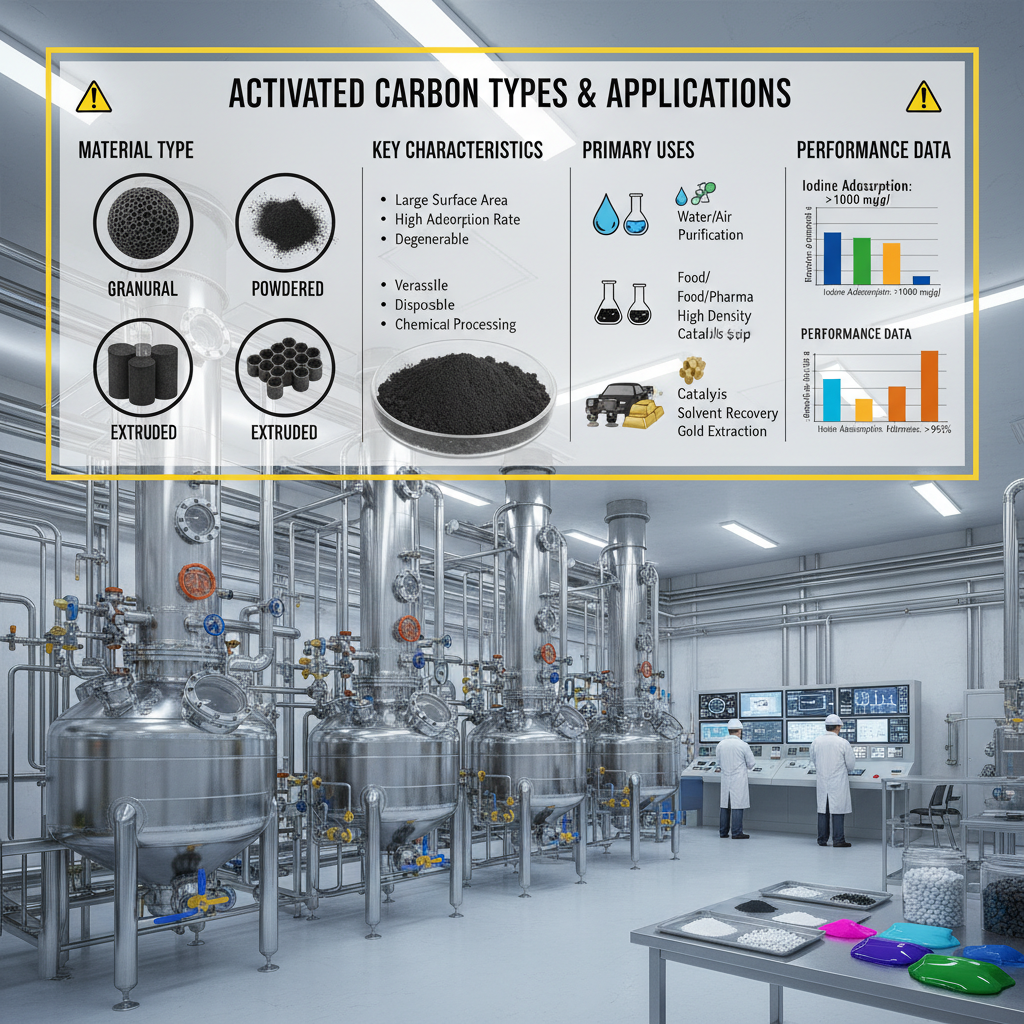
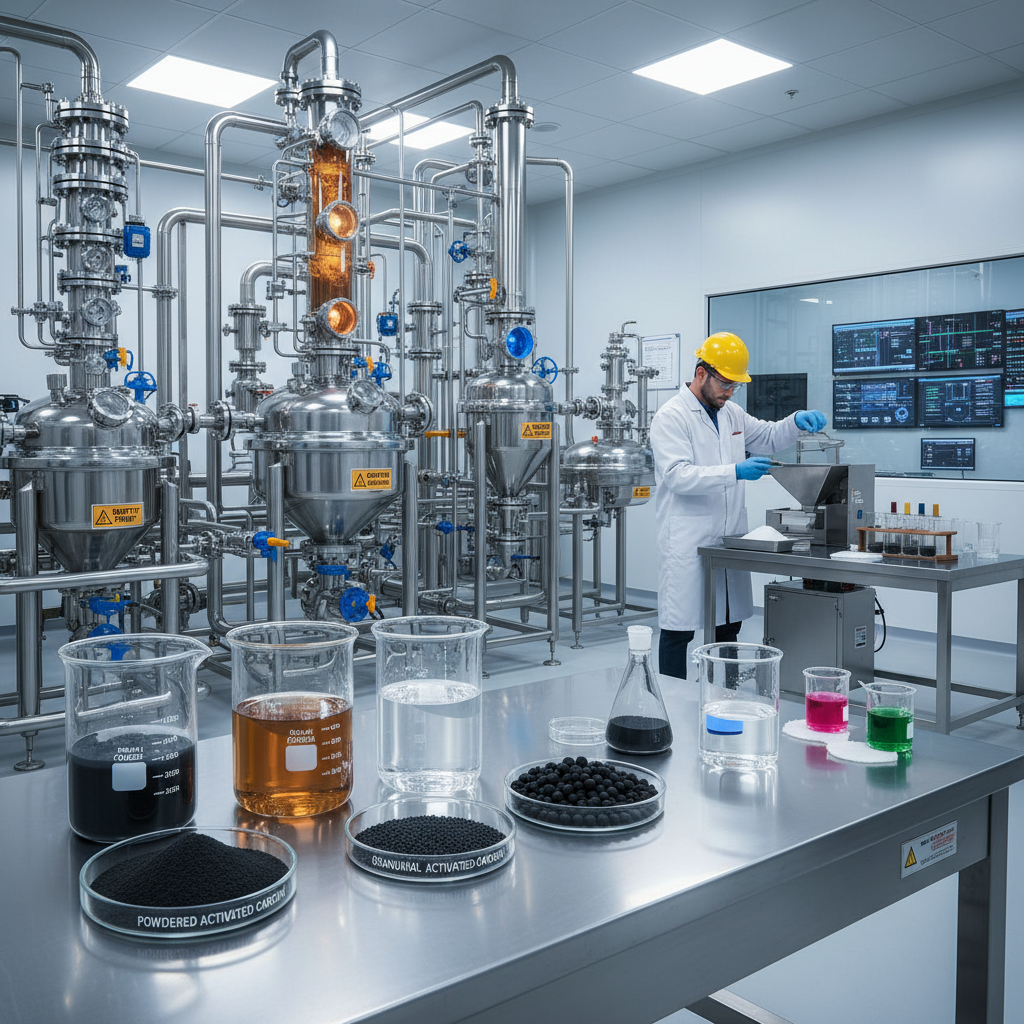
At its core, activated carbon is a carbon material processed to have a large surface area, resulting in enhanced adsorption capabilities. While the basic principle remains consistent, different production methods and starting materials lead to distinct types of activated carbon, each possessing unique properties. The most common classifications differentiate between powder activated carbon (PAC), granular activated carbon (GAC), and extruded activated carbon.
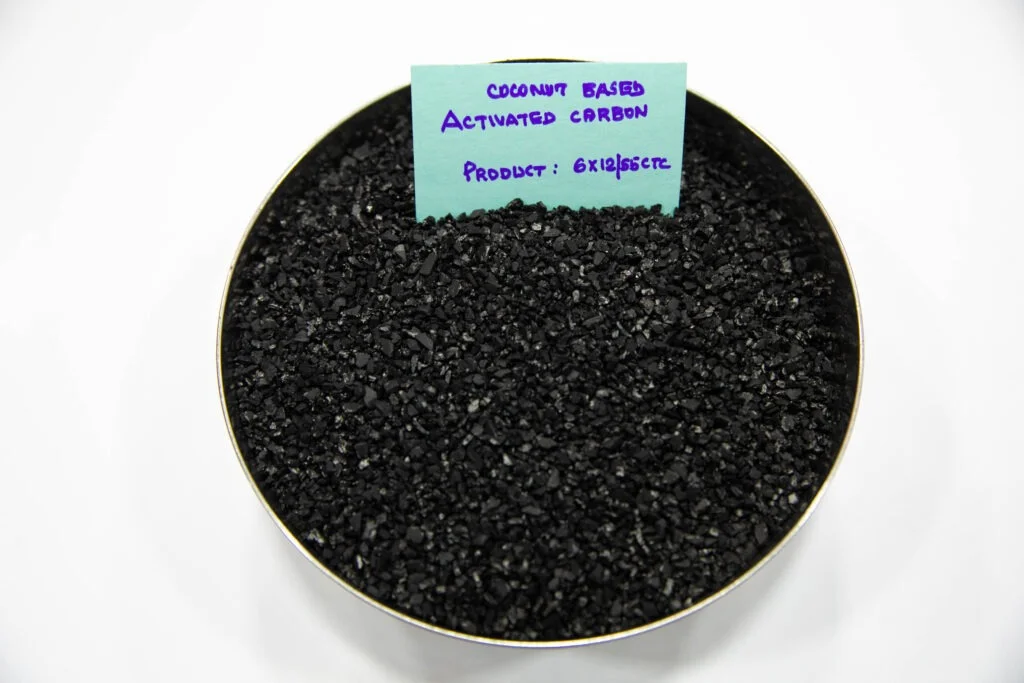
Powdered Activated Carbon (PAC) is finely ground, offering a large external surface area. It's frequently used in batch processes, such as water treatment for taste and odor removal. Granular Activated Carbon (GAC), formed into larger irregular particles, is ideal for applications requiring longer contact times, like filtration beds in water purification plants. Extruded Activated Carbon is produced in cylindrical pellets, providing low pressure drop and high mechanical strength, making it suitable for gas-phase applications.
Beyond these primary forms, activated carbon can also be modified through impregnation with chemicals to enhance its selectivity for specific contaminants. This results in specialized activated carbons tailored for specific industrial or environmental challenges. Understanding these distinctions is key to selecting the appropriate material for a given application.
Key Characteristics of different types of activated carbon
Several key characteristics define the performance of different types of activated carbon. Pore size distribution is paramount, with micropores (less than 2 nm) being effective for adsorbing small molecules, mesopores (2-50 nm) facilitating the adsorption of larger molecules, and macropores (greater than 50 nm) serving as transport pathways. Surface area, measured in square meters per gram (m²/g), is another critical factor – higher surface area generally equates to greater adsorption capacity.
Surface chemistry also plays a significant role. Activated carbon can be acidic or basic, influencing its affinity for different compounds. The presence of functional groups – oxygen-containing groups, for example – can enhance the adsorption of polar molecules. Hardness and attrition resistance are vital for applications involving physical handling or turbulent flow, preventing particle breakdown and maintaining filter bed integrity.
Finally, the density of the activated carbon impacts its settling rate and filter bed packing. Lower density materials tend to float more readily, while higher density materials settle quickly. Choosing an activated carbon with the appropriate characteristics for a specific application ensures optimal performance and longevity. different types of activated carbon are thus engineered for specific adsorption challenges.
Applications Across Industries
The applications of different types of activated carbon are remarkably diverse. In water treatment, GAC is widely used to remove chlorine, organic contaminants, and taste and odor compounds, ensuring safe and palatable drinking water. PAC is frequently employed in emergency water purification scenarios and for treating industrial wastewater.
The air purification industry relies heavily on activated carbon for removing VOCs, odors, and hazardous gases from indoor and industrial environments. Extruded activated carbon is commonly used in gas masks and air filters. Pharmaceutical and food processing industries utilize activated carbon for decolorization, purification, and removal of unwanted byproducts.
Adsorption Capacity of different types of activated carbon
Advantages and Long-Term Value
The benefits of utilizing different types of activated carbon extend beyond immediate purification. Cost-effectiveness is a major advantage, particularly when considering the long-term savings associated with reduced healthcare costs, environmental remediation, and improved industrial efficiency. Activated carbon is often a more economical alternative to other advanced purification technologies.
Furthermore, many activated carbon materials can be regenerated – either through thermal or chemical processes – extending their lifespan and reducing waste. This contributes to sustainability and minimizes environmental impact. The use of renewable precursors, such as coconut shells or agricultural waste, further enhances the eco-friendly profile of activated carbon production.
Future Trends in Activated Carbon Technology
Ongoing research is focused on enhancing the performance and sustainability of different types of activated carbon. Nanomaterials and composite materials are being explored to increase surface area and improve selectivity. The development of novel activation techniques – such as microwave or CO2 activation – aims to reduce energy consumption and minimize environmental impact.
The integration of activated carbon with other advanced technologies, such as membrane filtration and biochar production, is also gaining traction. These hybrid systems offer synergistic benefits, enhancing overall purification efficiency and creating opportunities for resource recovery. The drive toward circular economy principles is fueling innovation in activated carbon regeneration and reuse.
Challenges and Innovative Solutions
Despite its versatility, activated carbon faces challenges. The disposal of spent activated carbon can be problematic, especially when it contains hazardous contaminants. Current solutions include incineration, landfilling, and regeneration, but each has its drawbacks. The high cost of some specialized activated carbons can also limit their widespread adoption.
Innovative solutions are emerging, such as developing activated carbons that can be safely landfilled or used as soil amendments. Research into more efficient and cost-effective regeneration methods is also crucial. Utilizing waste materials as precursors for activated carbon production is a promising approach to reducing costs and promoting sustainability.
Furthermore, advancements in modeling and simulation are allowing for the design of tailored activated carbons optimized for specific applications, maximizing efficiency and minimizing waste. These developments will be vital in addressing the growing global demand for clean water, air, and sustainable industrial practices.
Summary of Challenges and Solutions in Activated Carbon Application
| Challenge |
Impact Level (1-10) |
Potential Solution |
Implementation Cost (1-10) |
| Spent Activated Carbon Disposal |
8 |
Advanced Regeneration Technologies |
6 |
| High Cost of Specialized AC |
7 |
Utilization of Waste Biomass as Precursor |
4 |
| Limited Selectivity for Certain Contaminants |
6 |
Chemical Impregnation and Surface Modification |
5 |
| Pressure Drop in Gas-Phase Applications |
5 |
Extruded Activated Carbon with Optimized Pore Structure |
3 |
| Potential for Dust Generation (PAC) |
4 |
Pelletization or Granulation of PAC |
2 |
| Competition with Alternative Purification Technologies |
7 |
Hybrid Systems Integrating AC with Membrane Filtration |
7 |
FAQS
GAC is formed into larger, irregular particles, making it ideal for fixed-bed filtration systems with longer contact times, like water treatment plants. It boasts excellent mechanical strength and can be regenerated. PAC, on the other hand, is a finely ground powder suited for batch processes such as quick removal of taste and odor compounds. While PAC offers a large surface area for rapid adsorption, it's typically not regenerated due to handling difficulties and is often disposed of after single use.
The source material significantly impacts the final product’s pore structure and chemical characteristics. Coconut shells yield activated carbon with a high proportion of micropores, making it excellent for removing small molecules. Coal-based activated carbon generally has a broader pore size distribution, suitable for larger organic compounds. Wood-based activated carbon often contains more oxygen-containing surface groups, enhancing its adsorption of polar substances. Choosing the right precursor is key to optimizing performance.
Yes, activated carbon can often be regenerated to restore its adsorption capacity. The most common methods are thermal regeneration, involving heating the spent carbon to high temperatures to desorb adsorbed contaminants, and chemical regeneration, using solvents or chemical solutions to remove specific pollutants. The feasibility of regeneration depends on the type of contaminant and the activated carbon’s characteristics. Cost-effectiveness varies with the regeneration method chosen.
Beyond traditional uses, activated carbon is finding applications in energy storage (supercapacitors and batteries), catalysis, biomedical applications (drug delivery, wound healing), and soil remediation. Its ability to adsorb and concentrate specific compounds makes it valuable in recovering valuable materials from waste streams. Research is continuously expanding the potential uses of this versatile material.
Selection depends on several factors: the type of contaminant to be removed, the concentration of the contaminant, the required contact time, and the operating conditions (pH, temperature, pressure). A thorough analysis of the application's specific needs, combined with knowledge of the different activated carbon properties (pore size, surface area, surface chemistry), is essential. Consulting with a specialized supplier can also be beneficial.
Production can be energy-intensive, and sourcing sustainable precursors is vital. Disposal of spent activated carbon containing hazardous contaminants requires careful management. Incineration can release pollutants, while landfilling poses long-term risks. Regeneration offers a more environmentally friendly solution, but it also has associated energy costs. Promoting responsible production and disposal practices is crucial.
Conclusion
Different types of activated carbon represent a vital technology for addressing a wide range of environmental and industrial challenges. From ensuring safe drinking water to purifying air and enabling sustainable industrial processes, their unique properties and versatility make them indispensable. Understanding the nuances of various activation methods, precursor materials, and resulting characteristics is critical for optimizing performance and maximizing their benefits.
Looking ahead, continued innovation in activated carbon technology – focusing on sustainable production, efficient regeneration, and novel applications – will be essential for creating a more sustainable and healthier future. By embracing these advancements, we can unlock the full potential of different types of activated carbon and address pressing global issues. Visit our website at www.sdjz-chem.com to learn more about our comprehensive range of activated carbon products.