Optimizing Gold Recovery Processes with High Performance Activated Carbon
Activated Carbon for Gold Recovery: A Comprehensive Guide
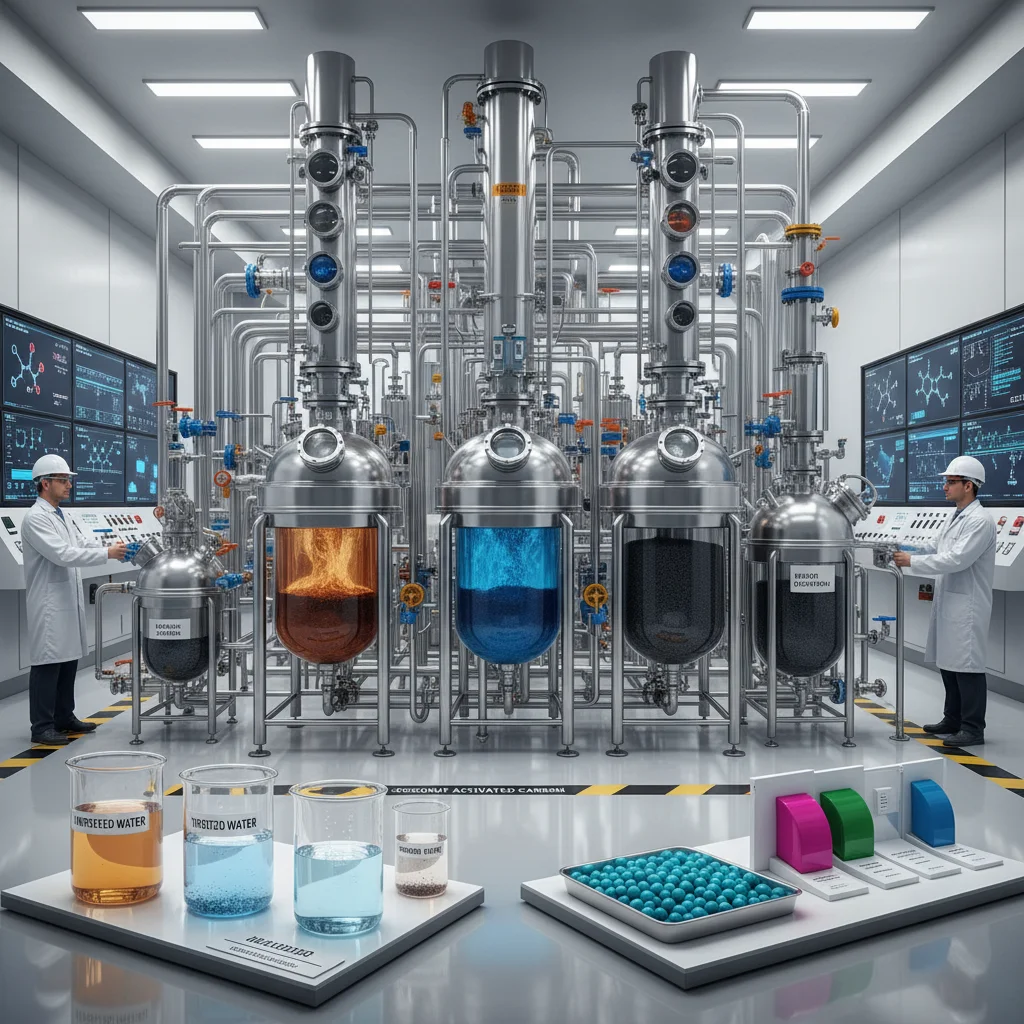
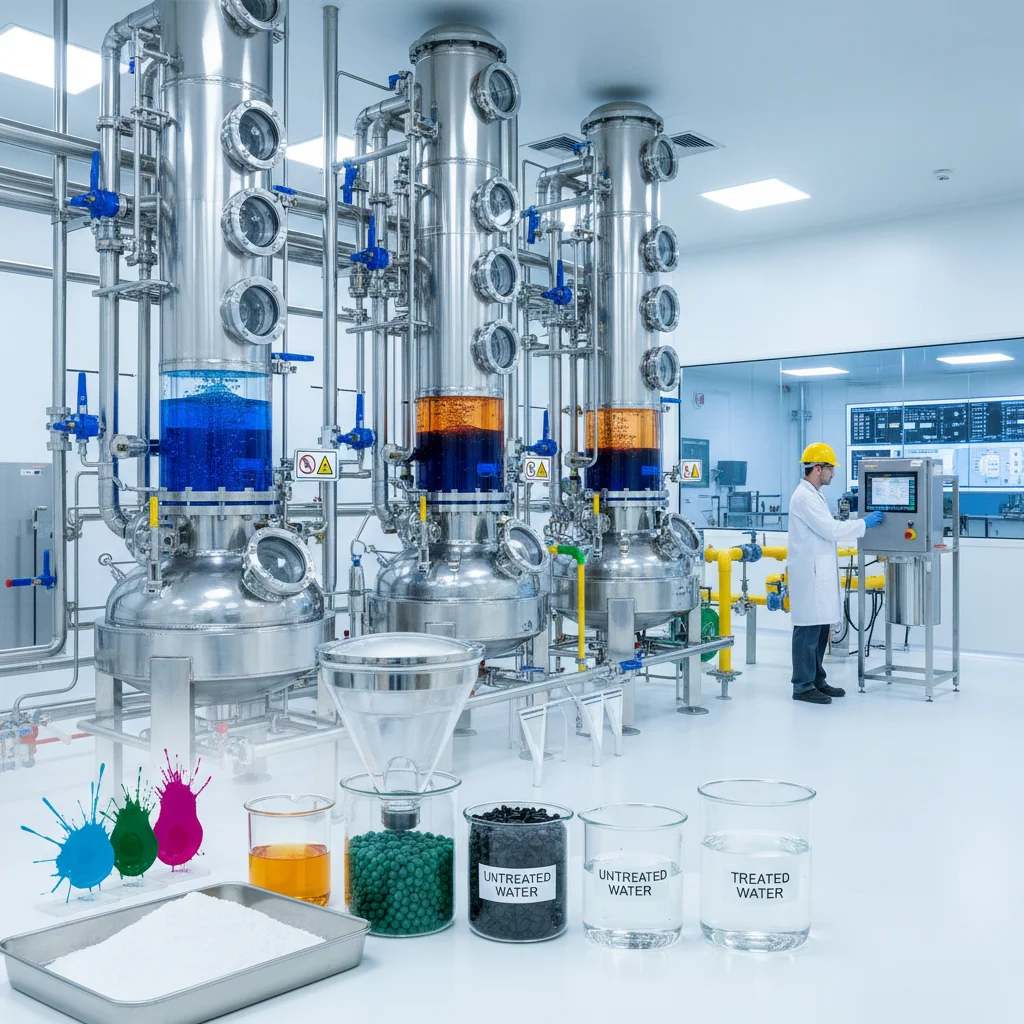
Gold recovery is a complex process, and increasingly, industries are turning to activated carbon as a crucial component. This isn't simply a trend; it's a significant improvement in efficiency, cost-effectiveness, and environmental responsibility. This article delves into the intricacies of using activated carbon for gold recovery, exploring its mechanisms, benefits, applications, and selection criteria. We'll uncover why activated carbon from SDJZ-Chem is a trusted choice for gold mining operations worldwide.
Understanding the Principles of Gold Recovery with Activated Carbon
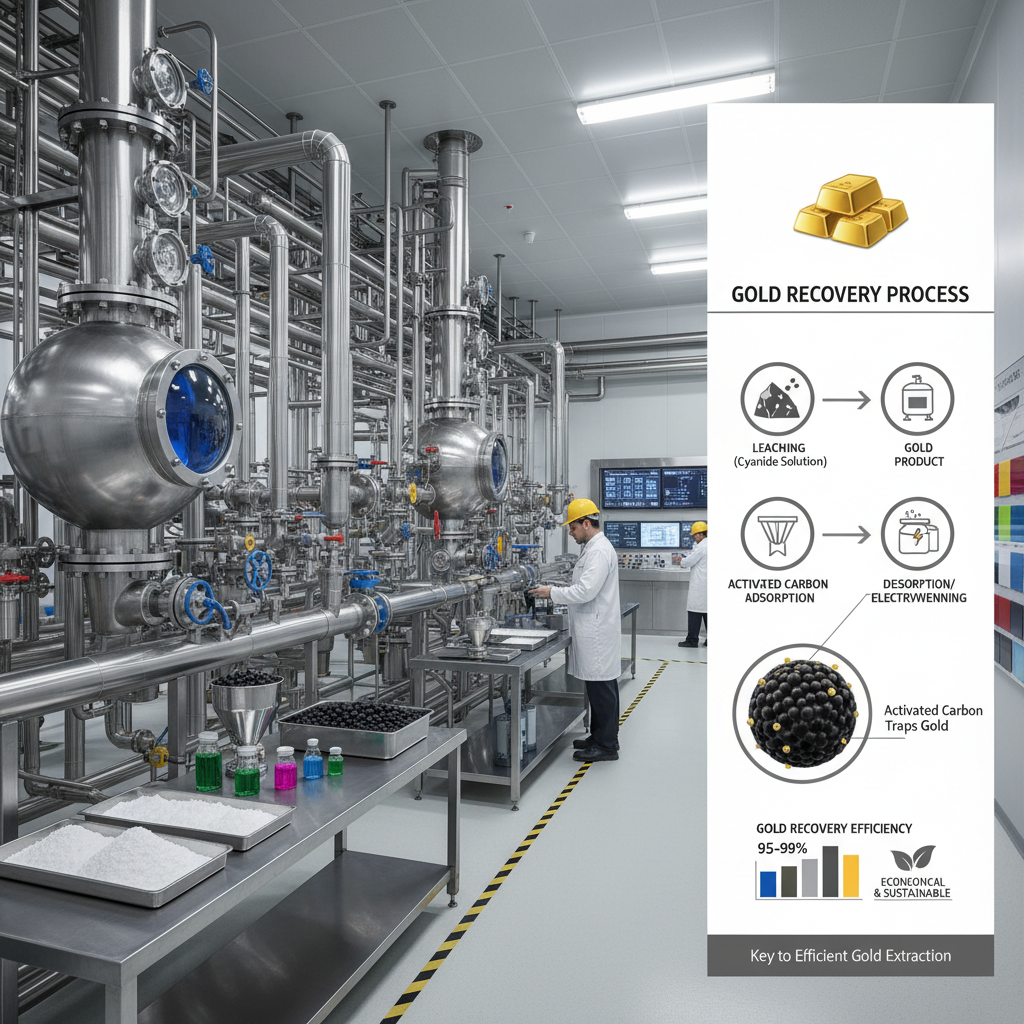
Activated carbon's effectiveness stems from its incredibly large surface area – a single gram can have a surface area exceeding 500 square meters! This vast area allows it to effectively adsorb gold cyanide complexes from leaching solutions. The process, known as Carbon-in-Pulp (CIP) or Carbon-in-Leach (CIL), involves adding activated carbon directly to the gold-bearing slurry. The gold cyanide complex selectively binds to the carbon's surface, effectively separating the gold from other impurities. This method is superior to traditional mercury amalgamation and zinc precipitation due to its environmental friendliness and higher gold recovery rates.
Key Benefits: High recovery rates, environmentally friendly, cost-effective, suitable for a wide range of ore types, reduced processing time.
Activated Carbon Characteristics Crucial for Gold Recovery
Not all activated carbon is created equal. Several key characteristics influence its performance in gold recovery. These include particle size, hardness, pore size distribution, and gold loading capacity. Larger particle sizes reduce carbon losses during the CIP/CIL process. High hardness minimizes carbon attrition, which can lead to fines and reduced efficiency. An appropriate pore size distribution allows for optimal adsorption of gold cyanide complexes. Ultimately, choosing the right activated carbon is paramount for maximizing gold recovery.
Key Characteristics for Optimal Performance:
• Particle Size: 0.8 – 1.8 mm
• Hardness: >90%
• Pore Size: Optimized for Au(CN)2- adsorption
• Gold Loading Capacity: >10 g/kg
Comparing Activated Carbon Types for Gold Mining
Activated carbon is produced from various raw materials, including coal, wood, and coconut shell. Each type offers distinct advantages and disadvantages. Coal-based activated carbon is often the most cost-effective but may have lower hardness. Wood-based activated carbon exhibits good pore size distribution but can be less durable. Coconut shell-based activated carbon is generally considered the premium option, boasting high hardness, excellent adsorption capacity, and long lifespan. Selecting the appropriate type depends on specific ore characteristics and budget constraints. SDJZ-Chem offers a range of activated carbon options tailored to diverse gold mining applications.
The Role of SDJZ-Chem Activated Carbon in Efficient Gold Recovery
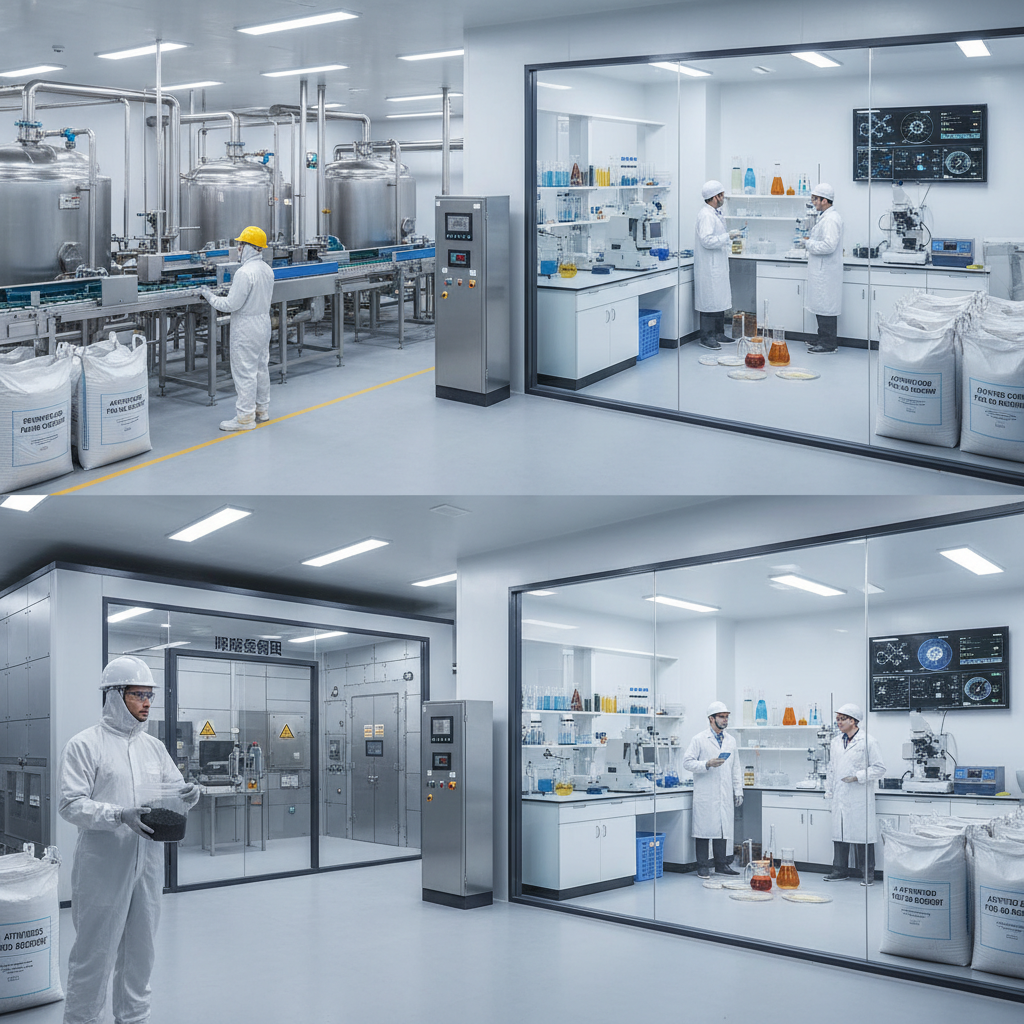
At SDJZ-Chem, we specialize in producing high-quality activated carbon specifically engineered for gold recovery applications. Our products undergo rigorous quality control measures to ensure consistent performance and maximize gold adsorption. We offer customized solutions tailored to individual mine requirements, taking into account ore type, process conditions, and desired gold recovery rates. Our commitment to innovation and sustainability makes us a trusted partner for gold mining operations worldwide.
Product Specifications & Gold Loading Performance
Here are some typical specifications for our gold recovery activated carbon. Actual values may vary based on specific product grade and customization.
Conclusion: Partner with SDJZ-Chem for Optimal Gold Recovery
Investing in high-quality activated carbon from a reputable supplier like SDJZ-Chem is crucial for maximizing gold recovery rates and minimizing environmental impact. Our tailored solutions, coupled with our commitment to quality and sustainability, make us the ideal partner for gold mining operations seeking efficiency and reliability. Contact us today to discuss your specific requirements and discover how we can help you unlock the full potential of your gold recovery process.
Frequently Asked Questions (FAQs)
How does activated carbon impact the environmental footprint of gold mining?
Activated carbon significantly reduces the environmental impact compared to traditional methods like mercury amalgamation. It eliminates the use of toxic mercury, a major source of pollution. Furthermore, the carbon itself can be regenerated and reused, minimizing waste. Properly managed, CIP/CIL processes using activated carbon represent a more sustainable approach to gold recovery. SDJZ-Chem also offers carbon regeneration services, further reducing the environmental footprint.
What is the regeneration process for activated carbon used in gold recovery?
Over time, activated carbon becomes saturated with adsorbed gold. Regeneration involves removing the adsorbed gold and restoring the carbon's adsorption capacity. This is typically achieved through elution – washing the carbon with a chemical solution (often a mixture of caustic soda and alcohol) that selectively desorbs the gold cyanide complex. The resulting solution, rich in gold, is then processed further to recover the pure gold. Regeneration significantly reduces the cost of carbon and minimizes waste. SDJZ-Chem provides comprehensive carbon regeneration services.
How do I determine the optimal carbon loading rate for my operation?
Determining the optimal carbon loading rate is crucial for efficient gold recovery. It depends on several factors, including gold concentration in the leach solution, cyanide concentration, pulp density, and carbon characteristics. Typically, pilot-scale testing is recommended to determine the ideal loading rate for your specific ore and process conditions. SDJZ-Chem’s technical team can assist with these studies and provide tailored recommendations.
What safety precautions should be taken when handling activated carbon?
Activated carbon dust can be flammable and irritating to the skin and respiratory system. Therefore, it's essential to wear appropriate personal protective equipment (PPE), including dust masks, gloves, and eye protection, when handling activated carbon. Ensure adequate ventilation in the work area to prevent dust accumulation. Avoid creating dust clouds and keep carbon away from ignition sources. Refer to the Safety Data Sheet (SDS) for detailed safety information.