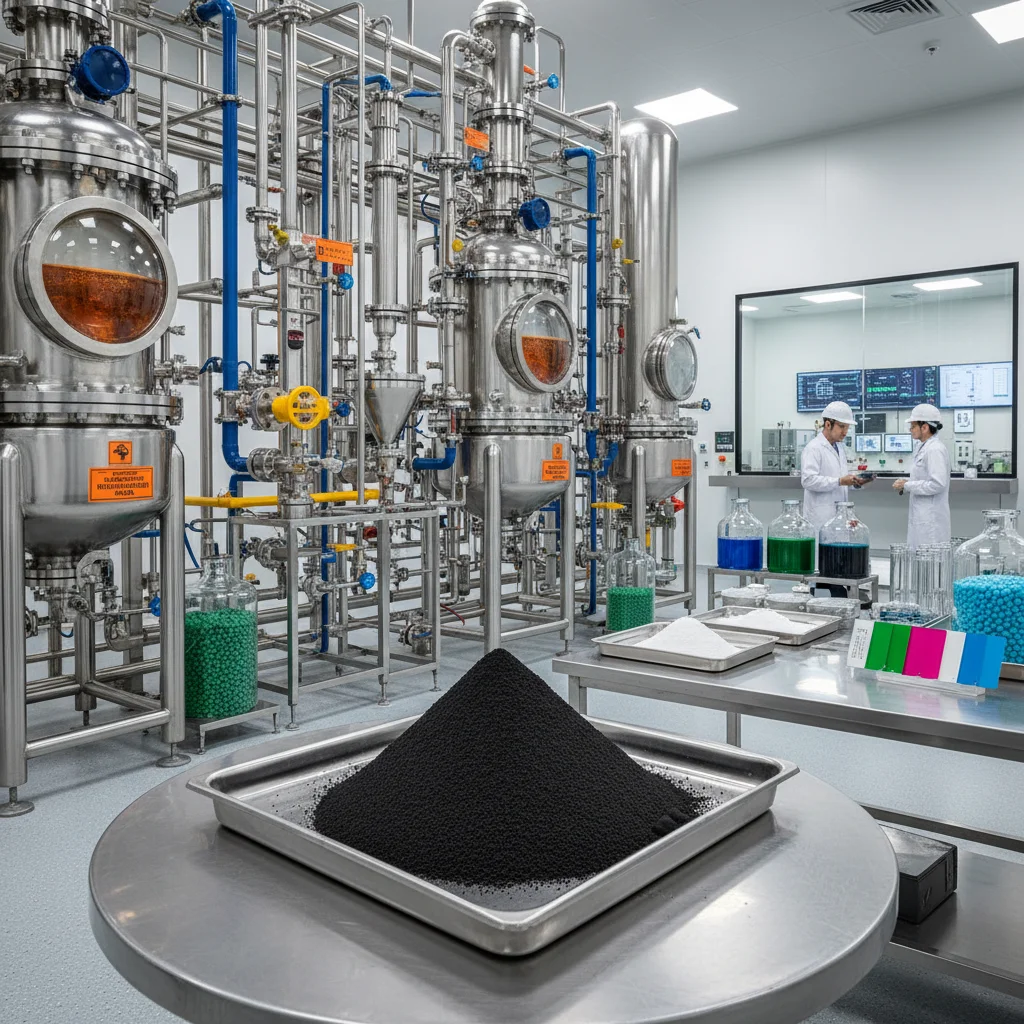
Optimizing Gold Extraction Processes with Activated Carbon Technology
Activated Carbon for Gold Extraction: A Comprehensive Guide
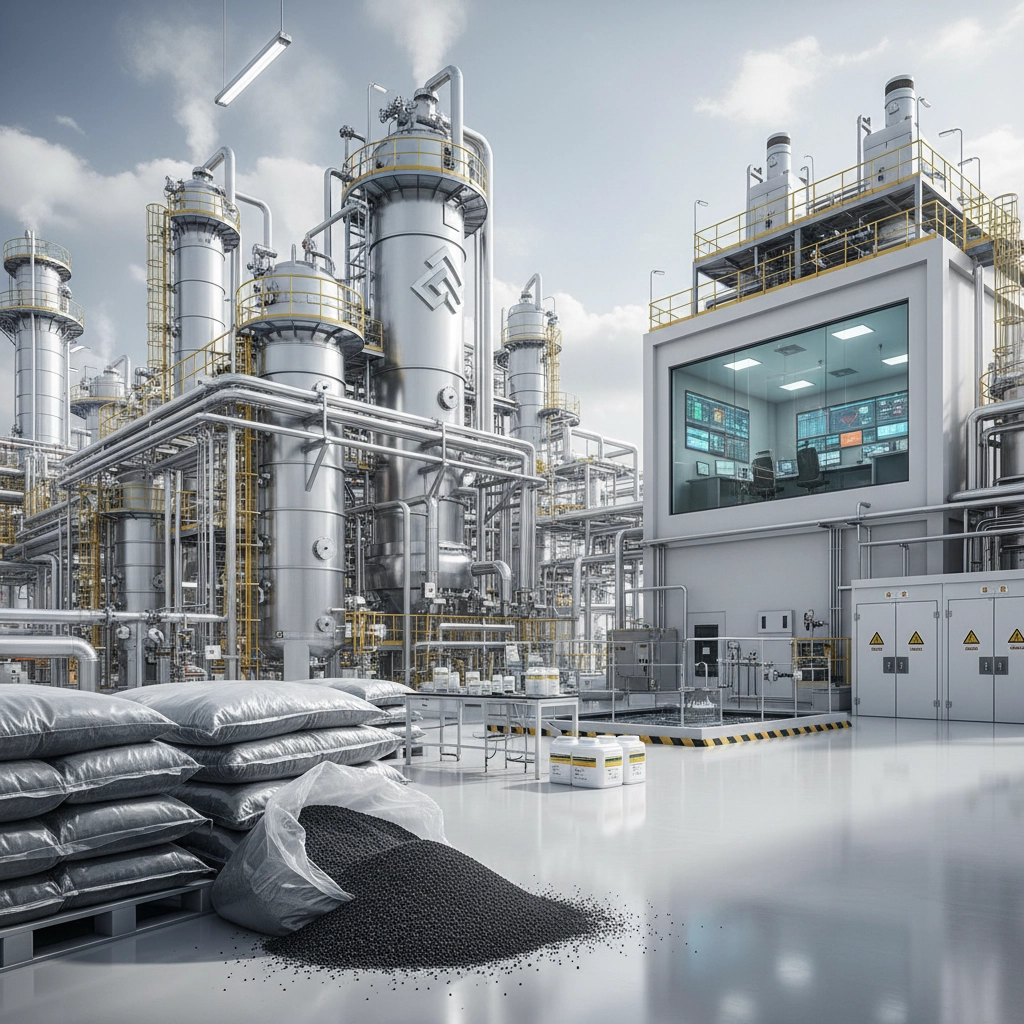
Gold extraction is a complex process, and increasingly, environmentally conscious and cost-effective methods are sought after. Activated carbon plays a vital role in this process, specifically in the recovery of gold from cyanide solutions. This article will explore the science behind using activated carbon for gold extraction, its benefits, types, and factors influencing its performance. Choosing the right activated carbon is crucial for maximizing gold recovery and minimizing environmental impact. SDJZ Chem offers a range of high-quality activated carbon products specifically designed for gold mining applications.
The Science Behind Activated Carbon and Gold Adsorption
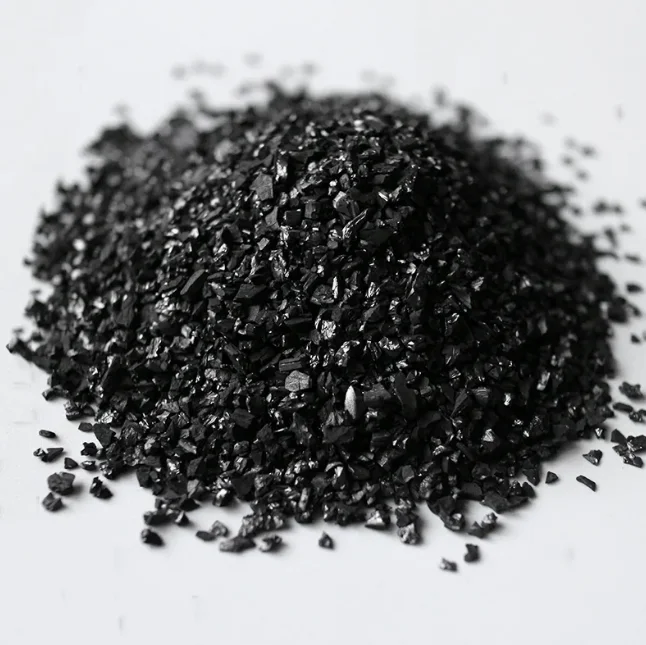
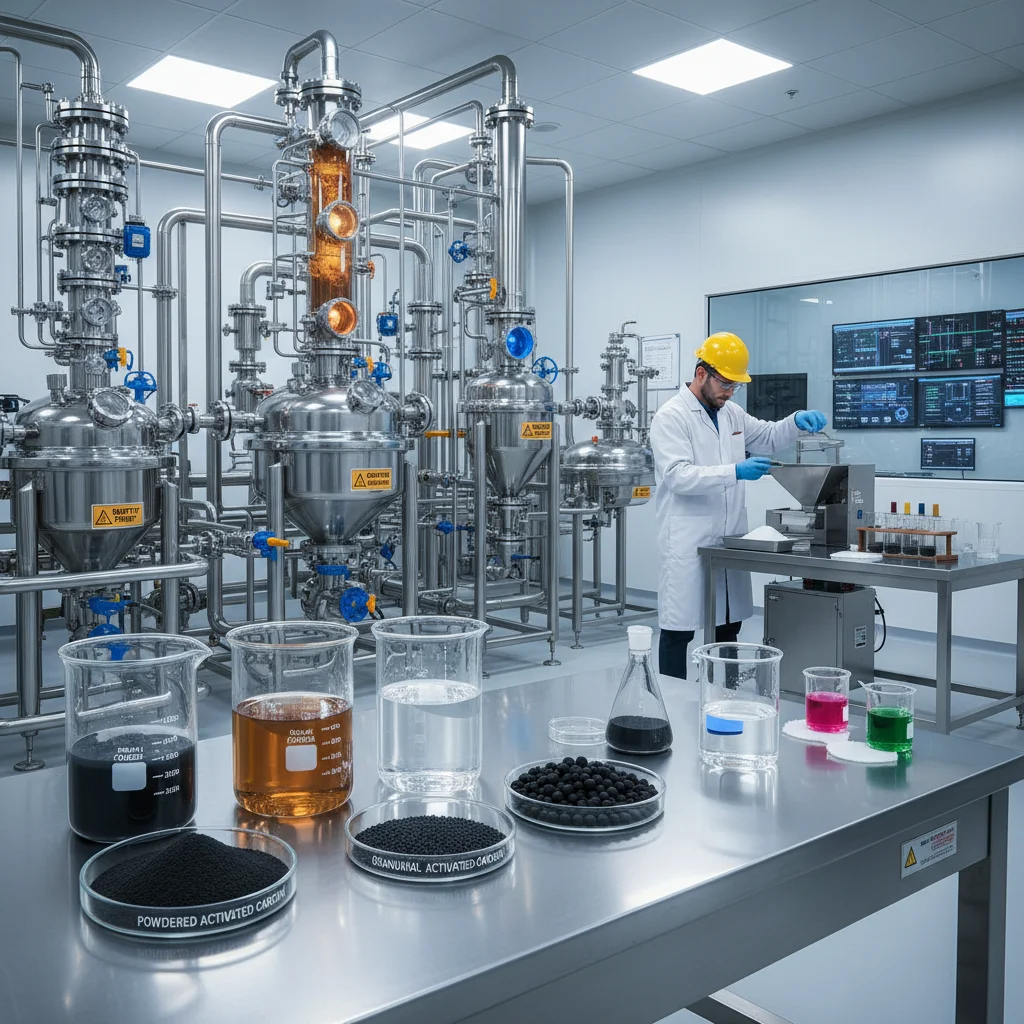
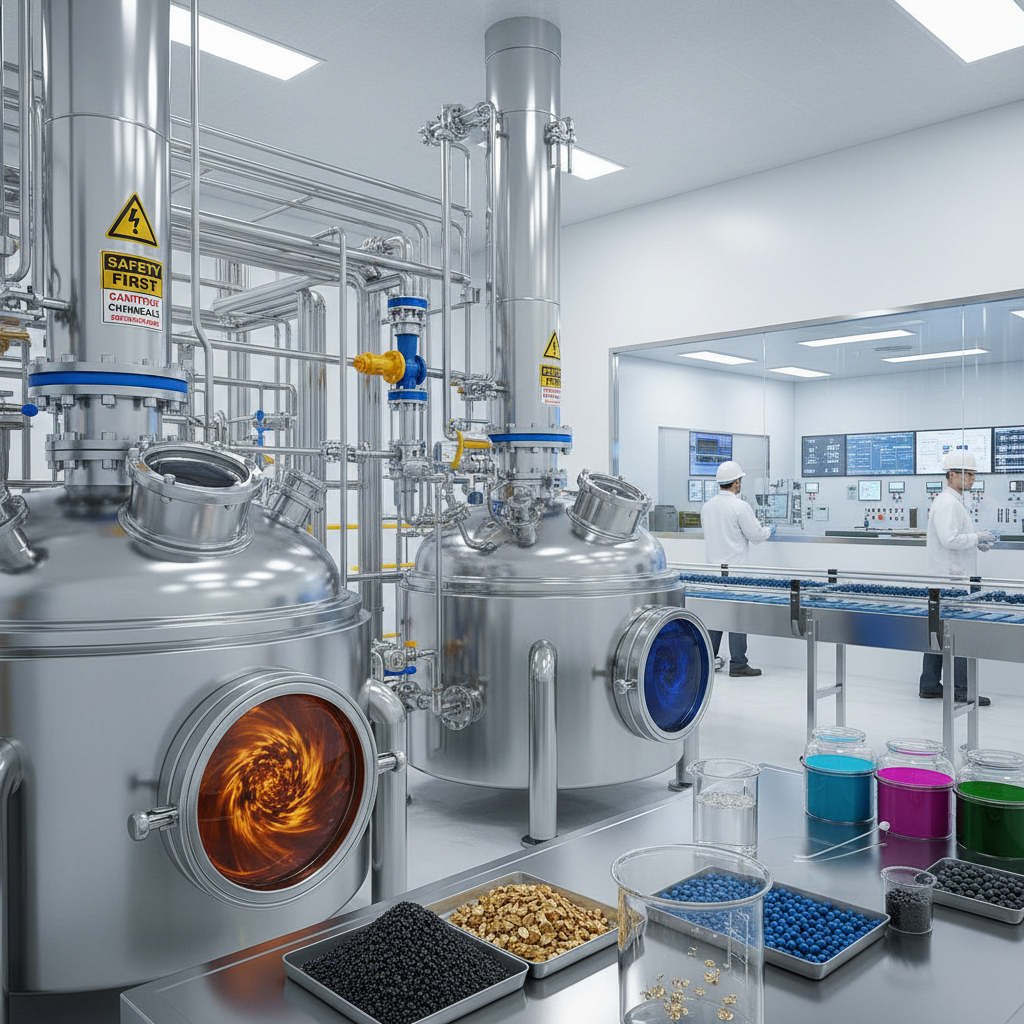
Activated carbon's effectiveness in gold extraction stems from its incredibly large surface area – typically ranging from 500 to 1500 m²/g. This vast surface area is created through a process of activation, which involves treating carbonaceous materials (like coal, wood, or coconut shells) with heat and activating agents. This process creates a highly porous structure, allowing for efficient adsorption of gold cyanide complexes from leaching solutions. The gold is adsorbed onto the carbon surface, separating it from the solution. The process relies on the chemical affinity between the carbon surface and the gold cyanide complex (Au(CN)₂⁻). The carbon acts like a sponge, selectively absorbing the gold while leaving other elements behind.
Types of Activated Carbon Used in Gold Extraction
Different types of activated carbon are used in gold extraction, each with unique characteristics. The most common types include:
Factors Affecting Activated Carbon Performance
Several factors can influence the efficiency of activated carbon in gold extraction:
- pH Level: Maintaining the optimal pH (typically between 9-11) is crucial for forming stable gold cyanide complexes and maximizing adsorption.
- Temperature: Adsorption generally increases with temperature, but excessively high temperatures can degrade the carbon.
- Cyanide Concentration: Adequate cyanide levels are necessary to form the gold cyanide complex.
- Carbon Particle Size: Smaller particle sizes offer larger surface areas but can create handling issues.
- Pulp Density: The solids content in the leaching solution affects the rate of adsorption.
- Impurities: The presence of interfering substances like copper and sulfides can reduce the carbon's capacity.
Carbon-in-Pulp (CIP) and Carbon-in-Leach (CIL) Processes
Two primary methods utilize activated carbon in gold extraction: Carbon-in-Pulp (CIP) and Carbon-in-Leach (CIL).
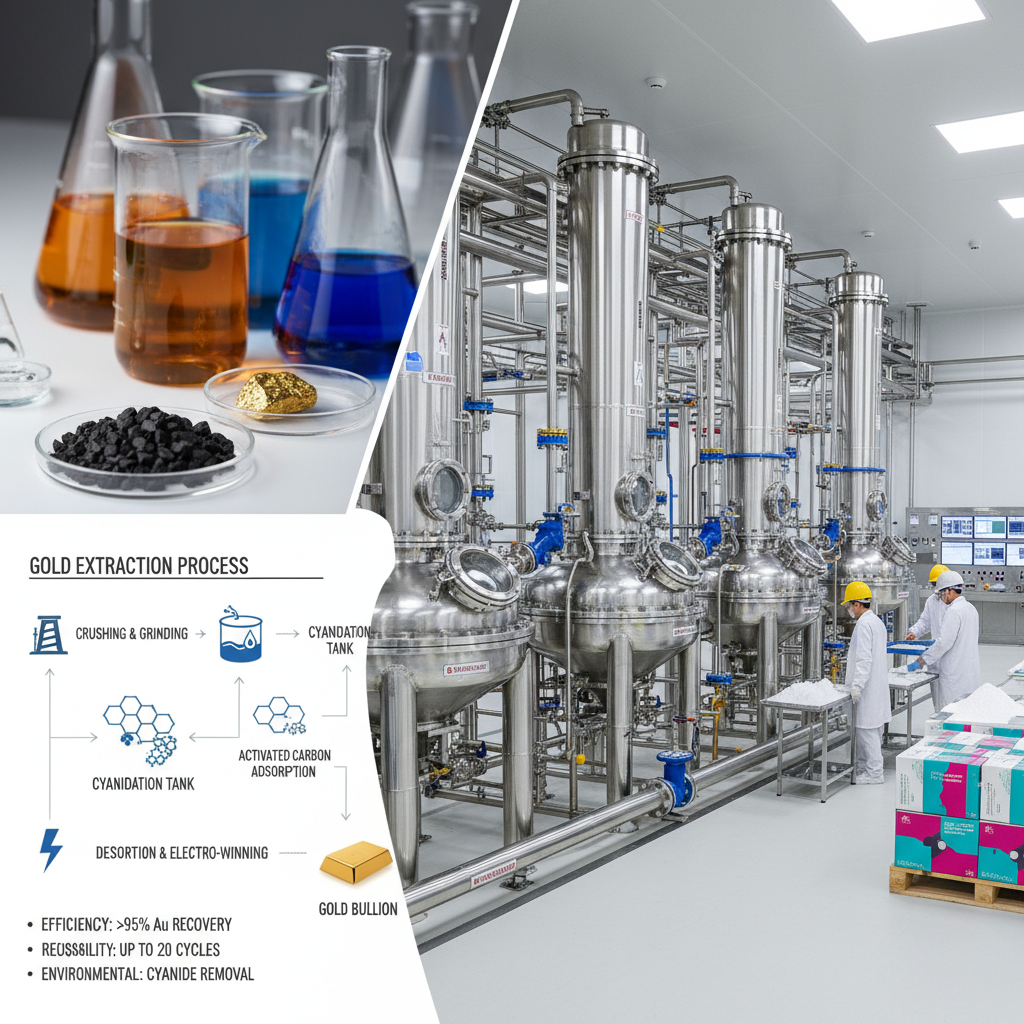
CIP: In CIP, leaching and adsorption occur in separate stages. The ore is first leached with cyanide, and then the activated carbon is added to the pulp to adsorb the gold.
CIL: In CIL, leaching and adsorption happen simultaneously. Activated carbon is added directly to the leaching tank, allowing for a more efficient process, especially for ores with higher clay content.
Key Differences: CIL offers higher gold recovery and is often preferred for complex ores, while CIP is simpler and suitable for easier-to-process ores.
SDJZ Chem: Your Trusted Activated Carbon Supplier
SDJZ Chem specializes in the production and supply of high-quality activated carbon for gold extraction. We offer a range of products tailored to meet specific ore characteristics and process requirements. Our activated carbon is manufactured to stringent quality standards, ensuring maximum gold recovery and consistent performance. We provide technical support and customized solutions to optimize your gold extraction process. Contact us today to learn more about how we can help you improve your operations.
Conclusion
Investing in the Right Activated Carbon for Optimal Gold Recovery
The selection and application of activated carbon are critical components of modern gold extraction processes. By understanding the principles of adsorption, the various types of carbon available, and the factors influencing performance, mining operations can significantly enhance gold recovery rates and reduce environmental impact. Partnering with a reliable supplier like SDJZ Chem ensures access to high-quality products and expert support.
Frequently Asked Questions (FAQs)
What is the typical lifespan of activated carbon used in gold extraction?
The lifespan of activated carbon varies depending on factors such as the ore's composition, cyanide concentration, pH, and the presence of impurities. Generally, activated carbon used in gold extraction can last between 12 to 36 months before requiring regeneration or replacement. Regular monitoring of gold loading capacity is essential to determine when the carbon needs to be replaced or regenerated. Carbon regeneration involves removing the adsorbed gold and restoring the carbon's adsorption capacity. SDJZ Chem provides carbon regeneration services.
How is gold recovered from the activated carbon?
Gold is typically recovered from the activated carbon through a process called elution. Elution involves using a strong chemical solution, such as a hot sodium hydroxide/sodium cyanide mixture, to dissolve the gold cyanide complex from the carbon surface. The resulting solution, known as the pregnant eluate, is then processed further using electrowinning to recover the gold in metallic form. The stripped carbon is then re-activated for reuse.
What are the environmental considerations when using activated carbon for gold extraction?
While activated carbon offers environmental advantages over mercury-based gold extraction, proper management of cyanide and spent carbon is crucial. Cyanide is highly toxic and requires careful handling and disposal. Spent carbon containing residual cyanide must be treated to detoxify the cyanide before disposal or regeneration. SDJZ Chem is committed to sustainable practices and offers solutions for responsible carbon management.
Can activated carbon be regenerated and reused?
Yes, activated carbon can be regenerated and reused multiple times, reducing operational costs and minimizing waste. Regeneration typically involves thermal reactivation, where the carbon is heated to high temperatures to burn off adsorbed organic compounds and restore its adsorption capacity. Chemical regeneration, using solutions to strip adsorbed materials, is also employed. SDJZ Chem offers carbon regeneration services to help clients maximize their resource efficiency.