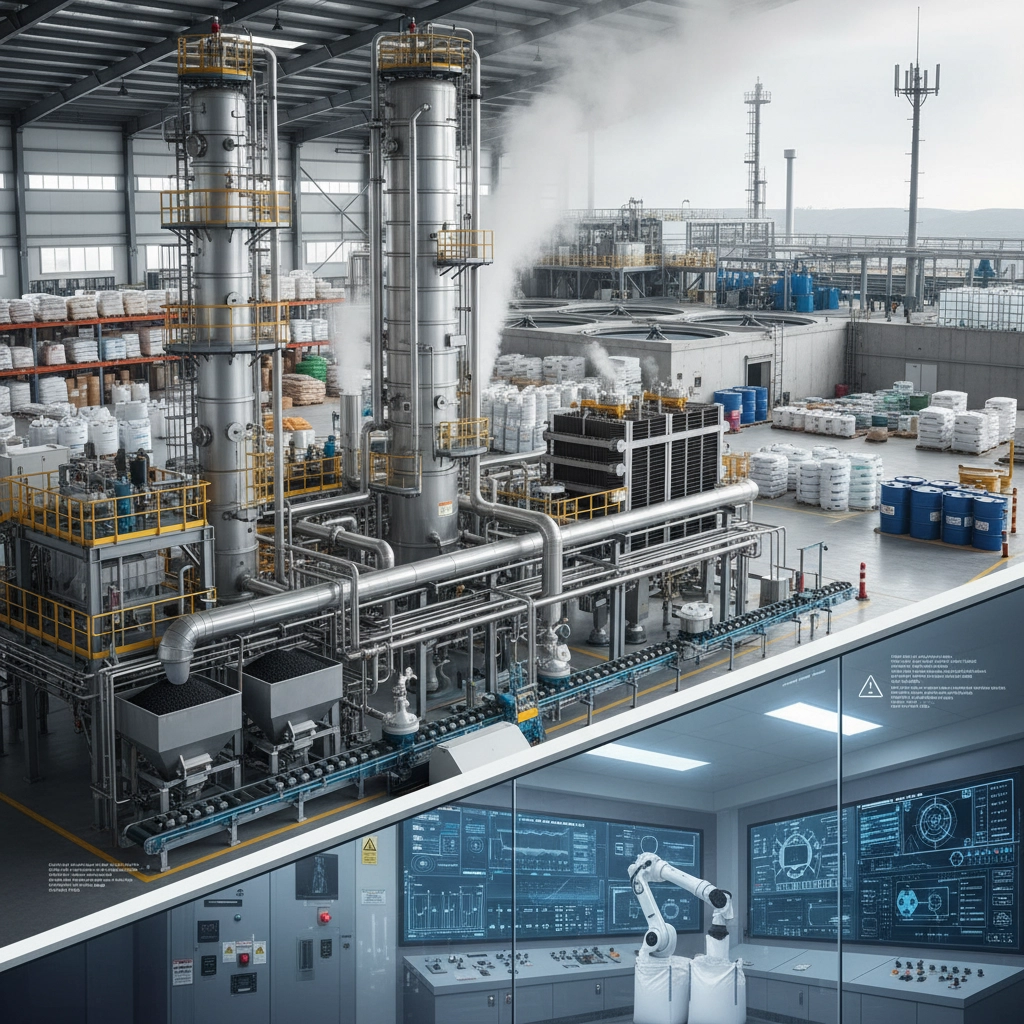
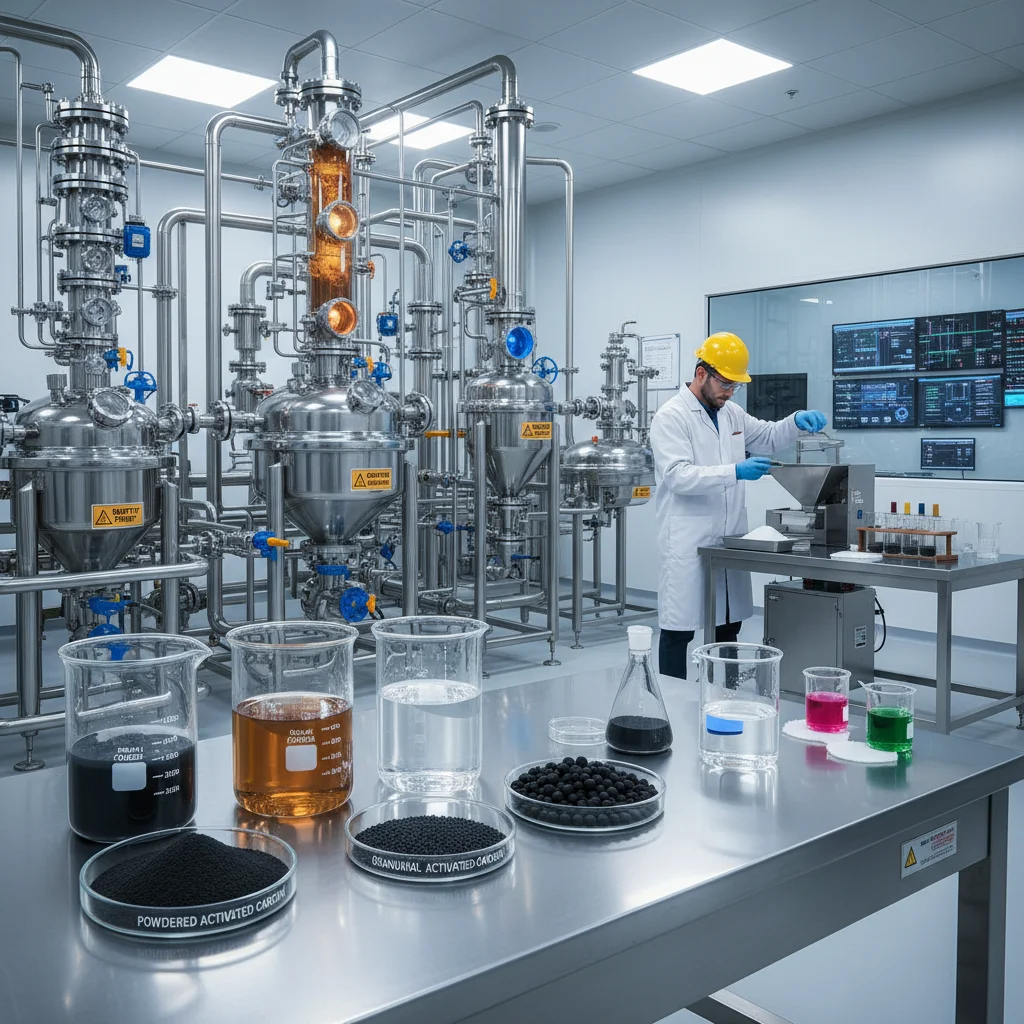
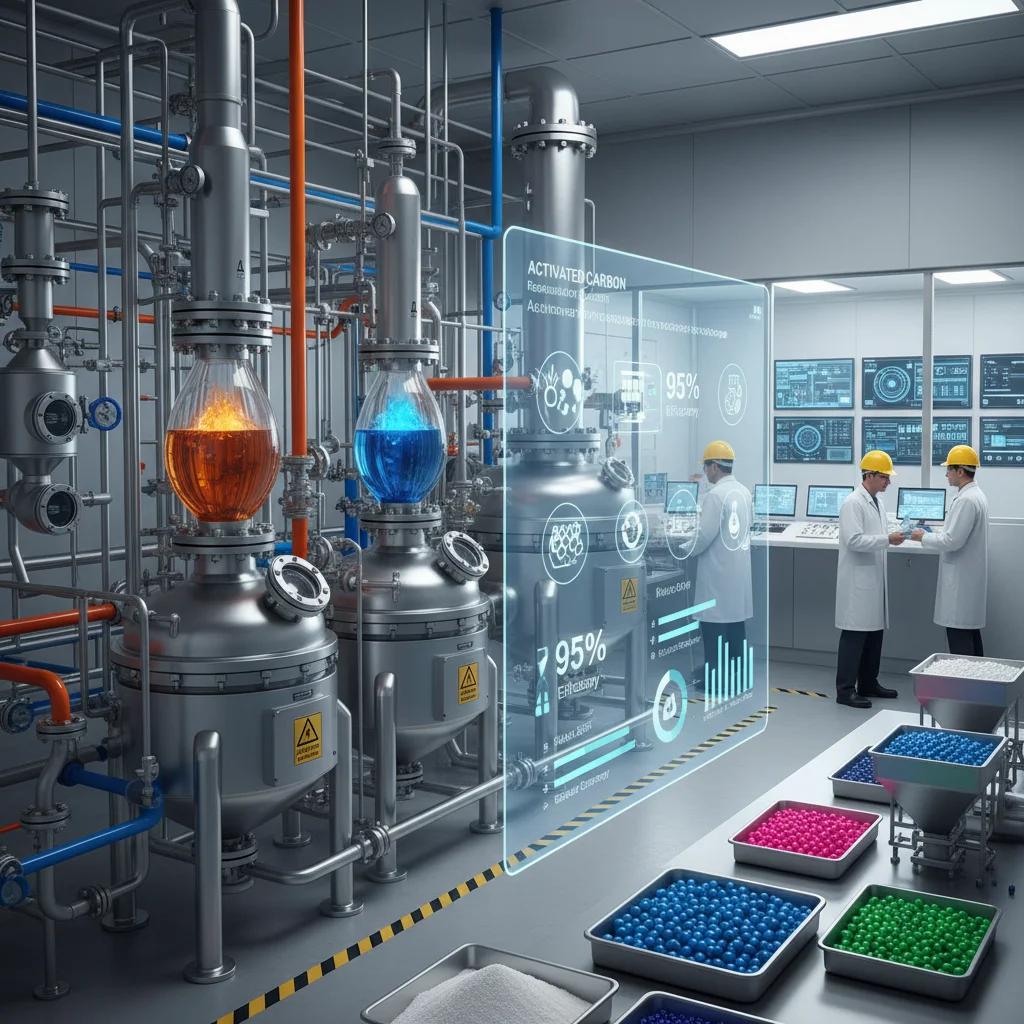
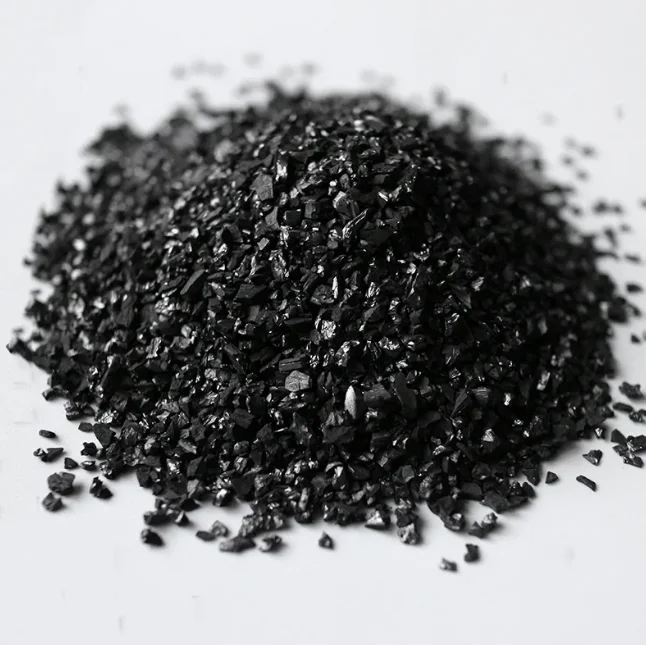
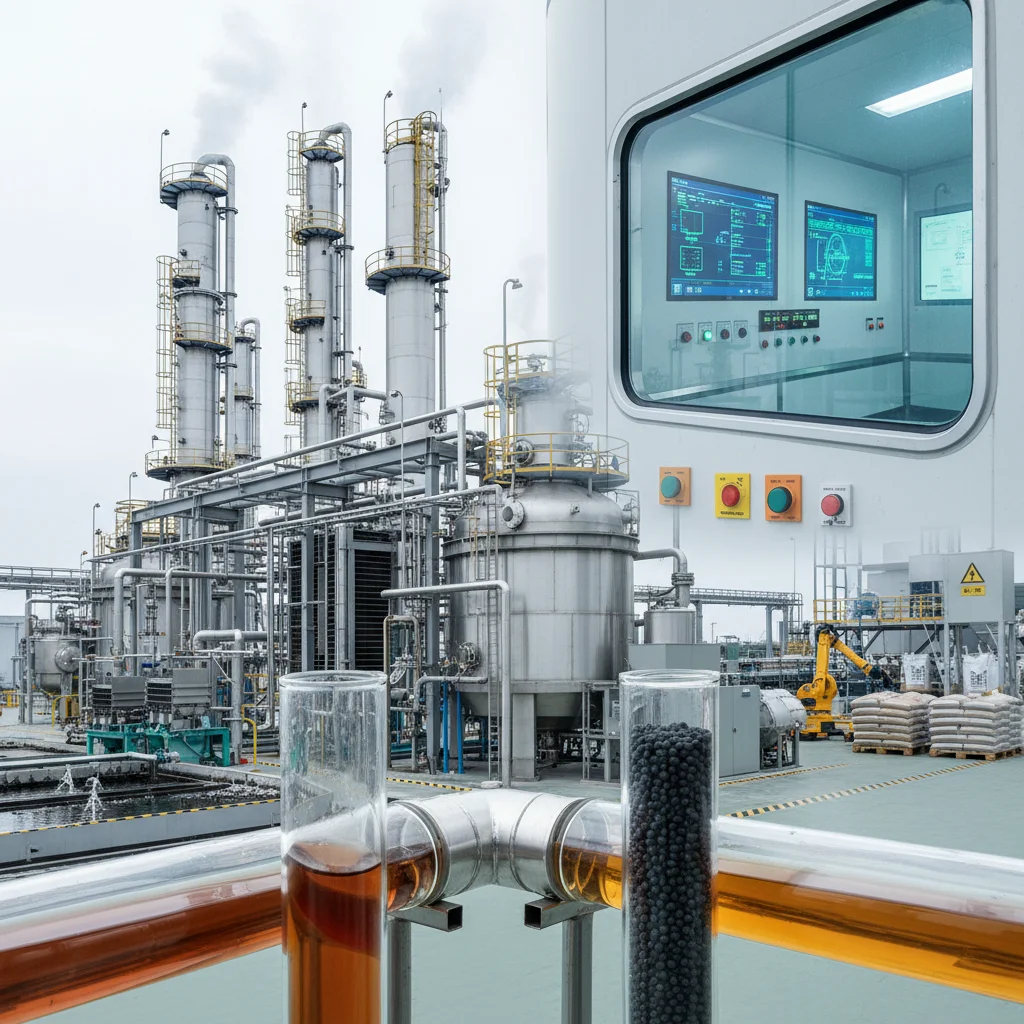
The global demand for high-purity filtration and purification materials has placed activated carbon manufacturers at the forefront of environmental protection and industrial efficiency. As industries strive to meet stricter emission standards and water purity requirements, the role of these specialized producers has evolved from providing simple commodities to engineering precision-grade porous materials. Understanding the nuances of carbon activation and pore size distribution is critical for any organization looking to optimize its purification processes.
From the removal of volatile organic compounds (VOCs) in urban air to the critical recovery of precious metals in gold mining, the influence of activated carbon manufacturers spans almost every sector of modern manufacturing. The ability to manipulate the internal surface area of carbon—often reaching over 1,000 square meters per gram—allows for the targeted adsorption of contaminants that would otherwise remain in the ecosystem or ruin a chemical batch.
Selecting the right partner among various activated carbon manufacturers requires a deep dive into the raw materials used, whether it be coconut shells, coal, or wood. By aligning the specific structural characteristics of the carbon with the molecular size of the target pollutant, industries can significantly reduce operational costs while maximizing the lifespan of their filtration systems.
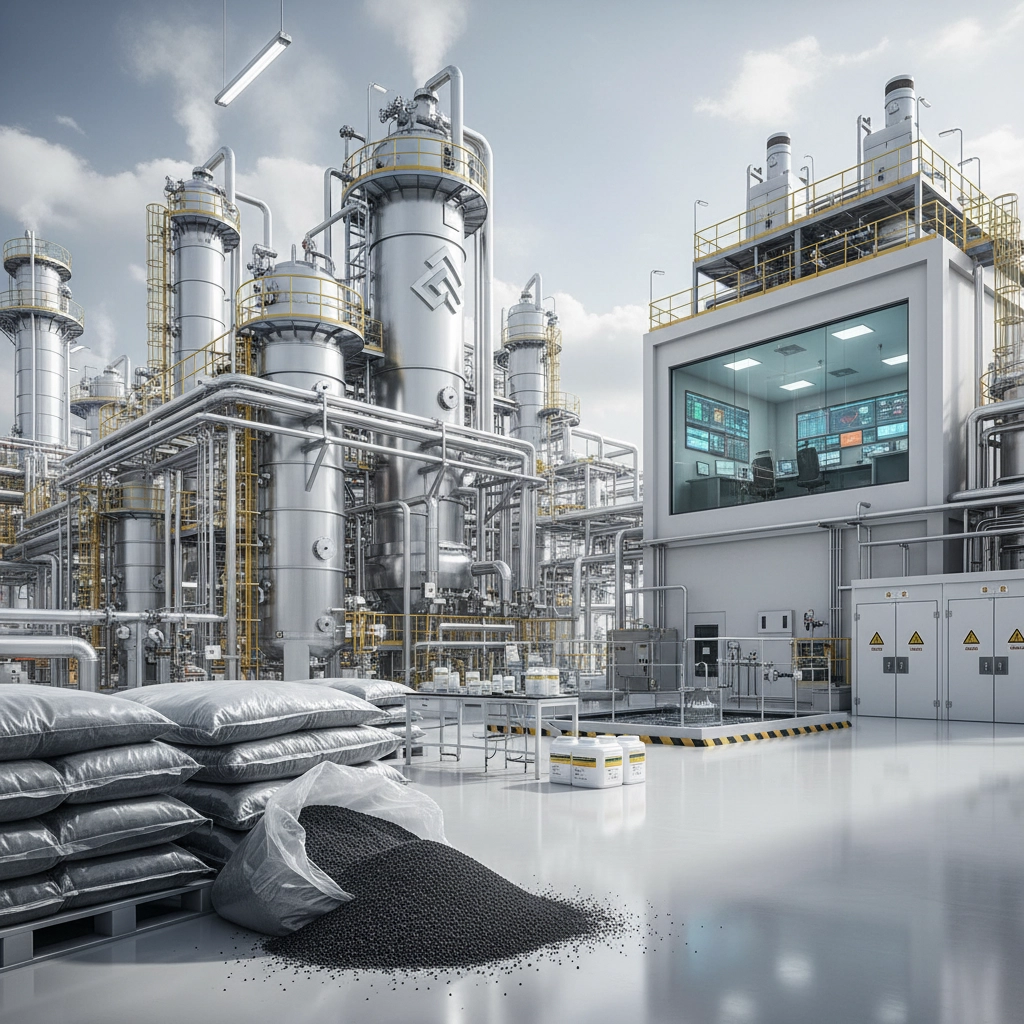
Global Industry Context of Activated Carbon Manufacturers
The global market for activated carbon is experiencing a surge, driven by the stringent environmental regulations imposed by bodies such as the EPA and EU directives. Leading activated carbon manufacturers are now integrating ISO 14001 standards to ensure that the production process itself is as clean as the product it creates, addressing the global challenge of industrial wastewater treatment.
With the rising urbanization in Asia and Africa, the need for potable water has escalated. This has pushed activated carbon manufacturers to scale their operations, utilizing advanced steam activation and chemical activation methods to produce materials that can remove PFAS and other "forever chemicals" from municipal water supplies.
Defining the Role of Activated Carbon Manufacturers
In simple terms, activated carbon manufacturers are specialized chemical producers that transform carbonaceous materials into highly porous forms. Through a process of carbonization and activation, they create a molecular "sponge" capable of trapping impurities via adsorption—a surface-based phenomenon distinct from absorption.
This role is pivotal to modern humanitarian needs, particularly in disaster relief. When water sources are contaminated, the rapid deployment of filtration systems designed by expert activated carbon manufacturers provides the only viable means of preventing water-borne diseases in remote areas where electrical infrastructure is absent.
Furthermore, these manufacturers act as the invisible backbone of the pharmaceutical and food additive industries. By ensuring the removal of odors, colors, and trace impurities from raw ingredients, they guarantee the consistency and safety of products that millions of consumers rely on daily.
Core Factors in Carbon Production Quality
The efficacy of materials from activated carbon manufacturers is primarily judged by the Iodine Number and the surface area. The Iodine Number serves as a proxy for the amount of micropores available, which is essential for trapping small molecules like chlorine or hydrogen sulfide.
Scalability and consistency are the hallmarks of top-tier activated carbon manufacturers. Maintaining a uniform pore size distribution across thousands of tons of material requires precise temperature control during the activation phase, preventing the collapse of the internal structure.
Cost efficiency is achieved when the carbon possesses high regeneration potential. Professional activated carbon manufacturers design their products so they can be thermally reactivated multiple times, reducing the total cost of ownership for the end-user and minimizing waste.
Global Applications and Sector Use Cases
In the mining sector, specifically gold recovery, activated carbon manufacturers provide the critical medium used in Carbon-in-Pulp (CIP) and Carbon-in-Leach (CIL) processes. This allows mining companies to selectively adsorb gold-cyanide complexes from ore slurries with extreme precision.
Beyond mining, these materials are indispensable in the food and beverage industry for decolorizing sugar syrups and purifying vegetable oils. In remote industrial zones, activated carbon manufacturers provide specialized granular carbons that treat exhaust gases, preventing toxic fumes from entering the atmosphere.
Efficiency Comparison Across Activated Carbon Manufacturers' Methods
Long-Term Value and Sustainability Benefits
The partnership with reliable activated carbon manufacturers offers immense long-term value through the lens of circular economy. By utilizing agricultural waste—such as coconut husks—as a feedstock, these manufacturers turn waste streams into high-value environmental tools.
From a logical perspective, the reliability of a consistent carbon supply ensures that industrial plants avoid costly shutdowns caused by filter breakthrough. Emotionally, this provides peace of mind to plant managers, knowing that their facility meets safety standards and protects the health of the surrounding community.
Future Trends in Carbon Activation Technology
The next frontier for activated carbon manufacturers lies in the development of "tailored porosity." Using nanotechnology, manufacturers are now able to create carbon with specific pore geometries that target a single molecular species, drastically increasing the efficiency of gas separation.
Digital transformation is also hitting the factory floor. Many activated carbon manufacturers are implementing AI-driven sensors to monitor kiln temperatures in real-time, ensuring that every batch of carbon has the exact same adsorption capacity, eliminating the variance common in traditional production.
Furthermore, the shift toward green energy is prompting a move away from coal-based precursors. We are seeing a trend where activated carbon manufacturers are experimenting with biomass from algae and other fast-growing aquatic plants to create carbon-neutral filtration media.
Overcoming Technical Challenges in Manufacturing
One of the primary challenges faced by activated carbon manufacturers is the issue of "dusting" or attrition. When carbon granules rub against each other in high-pressure vessels, they create fines that can clog downstream equipment. To solve this, manufacturers are applying specialized binders and surface hardening techniques.
Another limitation is the energy intensity of the activation process, which typically requires temperatures above 800°C. Innovative activated carbon manufacturers are now utilizing microwave-assisted activation, which heats the material from the inside out, reducing energy consumption by up to 30%.
Lastly, the problem of pore clogging (fouling) is being addressed through the creation of hybrid carbons. By incorporating metal-organic frameworks (MOFs), activated carbon manufacturers are producing materials that are more resistant to organic fouling, thereby extending the time between regeneration cycles.
Analysis of Production Metrics for Activated Carbon Manufacturers
| Raw Material Source |
Pore Distribution |
Primary Industry Use |
Efficiency Score (1-10) |
| Coconut Shell |
Microporous |
Water Purification |
9.8 |
| Bituminous Coal |
Broad Spectrum |
Gas Phase Treatment |
8.5 |
| Wood/Biomass |
Macroporous |
Decolorization |
7.2 |
| Lignite Coal |
Mesoporous |
Heavy Metal Removal |
7.8 |
| Peat |
Mixed Porosity |
General Filtration |
6.5 |
| Synthetic Polymers |
Custom Engineered |
Specialty Chemicals |
9.2 |
FAQS
When choosing among activated carbon manufacturers, first define your target contaminant. If you need to remove small molecules from water, prioritize manufacturers specializing in coconut shell microporous carbon. For air filtration, look for coal-based manufacturers. Always request the Iodine Number and Ash Content specifications to ensure the purity and activity level meet your industrial requirements.
Yes, high-quality products from leading activated carbon manufacturers are designed for regeneration. Thermal reactivation involves heating the spent carbon to drive off adsorbed impurities, effectively "resetting" the pores. Depending on the material, carbon can be reactivated several times before the structural integrity degrades significantly.
Steam activation, common among large-scale activated carbon manufacturers, uses high-temperature steam to create pores. Chemical activation involves treating the precursor with agents like phosphoric acid before heating. Chemical activation typically produces a higher surface area and is more effective for specific industrial catalysts, whereas steam activation is more environmentally friendly for water filters.
It depends on the application. activated carbon manufacturers recommend coconut shell carbon for gold mining and water polishing due to its high hardness and micropore density. Coal-based carbon is superior for removing larger organic molecules and is often more cost-effective for massive air scrubbers due to its diverse pore size distribution.
Food-grade activated carbon manufacturers follow strict HACCP and FDA guidelines. They utilize high-purity precursors and implement rigorous acid-washing steps to remove trace metals and minerals, ensuring that the carbon does not leach contaminants into the food or beverage products during the purification process.
The lifespan varies based on the contaminant load and the quality provided by the activated carbon manufacturers. In a standard industrial setting, filters may last from 6 months to 2 years. The key is monitoring "breakthrough"—the point where contaminants start appearing in the effluent—which signals that the carbon is saturated and needs replacement or regeneration.
Conclusion
In summary, the strategic selection of activated carbon manufacturers is a critical decision that impacts everything from operational costs to environmental compliance. By understanding the relationship between raw material sources—such as coconut shells and coal—and the resulting pore structure, industries can achieve unprecedented levels of purity in their water, air, and chemical processes. The shift toward sustainable, biomass-derived carbons and AI-optimized production is ensuring that these materials remain the gold standard for adsorption.
As we look toward a future defined by stricter ecological mandates, the role of innovative activated carbon manufacturers will only grow in significance. Organizations are encouraged to move beyond commodity purchasing and instead form technical partnerships with manufacturers who can provide tailored porosity solutions. For those seeking high-performance filtration and purification media, we invite you to explore our specialized range. Visit our website: www.sdjz-chem.com