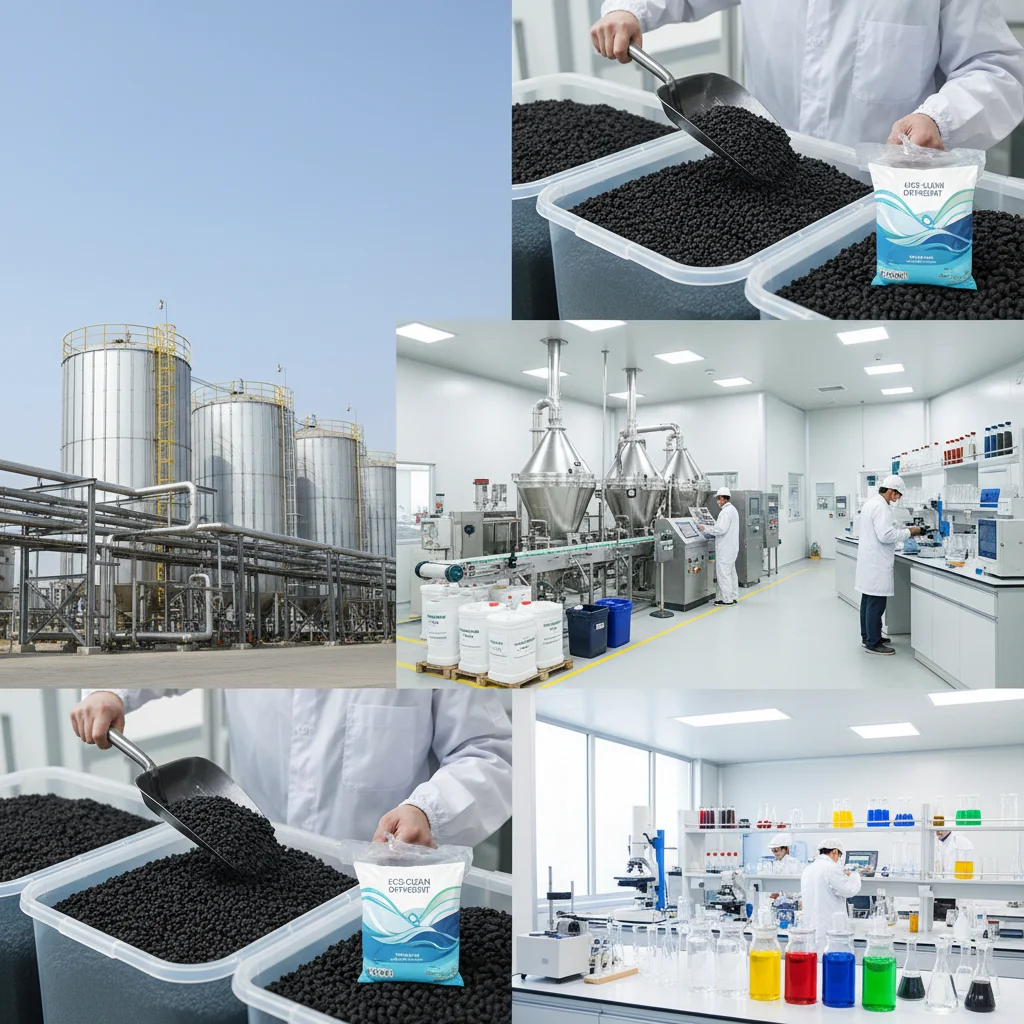
Exploring Activated Carbon and Activated Charcoal Applications and Production Differences
Activated Carbon and Activated Charcoal: A Comprehensive Overview
Activated carbon and activated charcoal are often used interchangeably, but subtle differences exist in their production and applications. Both materials are renowned for their exceptional adsorption capabilities, making them vital in diverse industries like water purification, air filtration, medicine, and chemical processing. Understanding the nuances between these two forms is crucial for selecting the most effective material for a specific application. SDJZ Chem specializes in high-quality activated carbon products tailored to meet varied industrial demands.
Understanding Activated Carbon
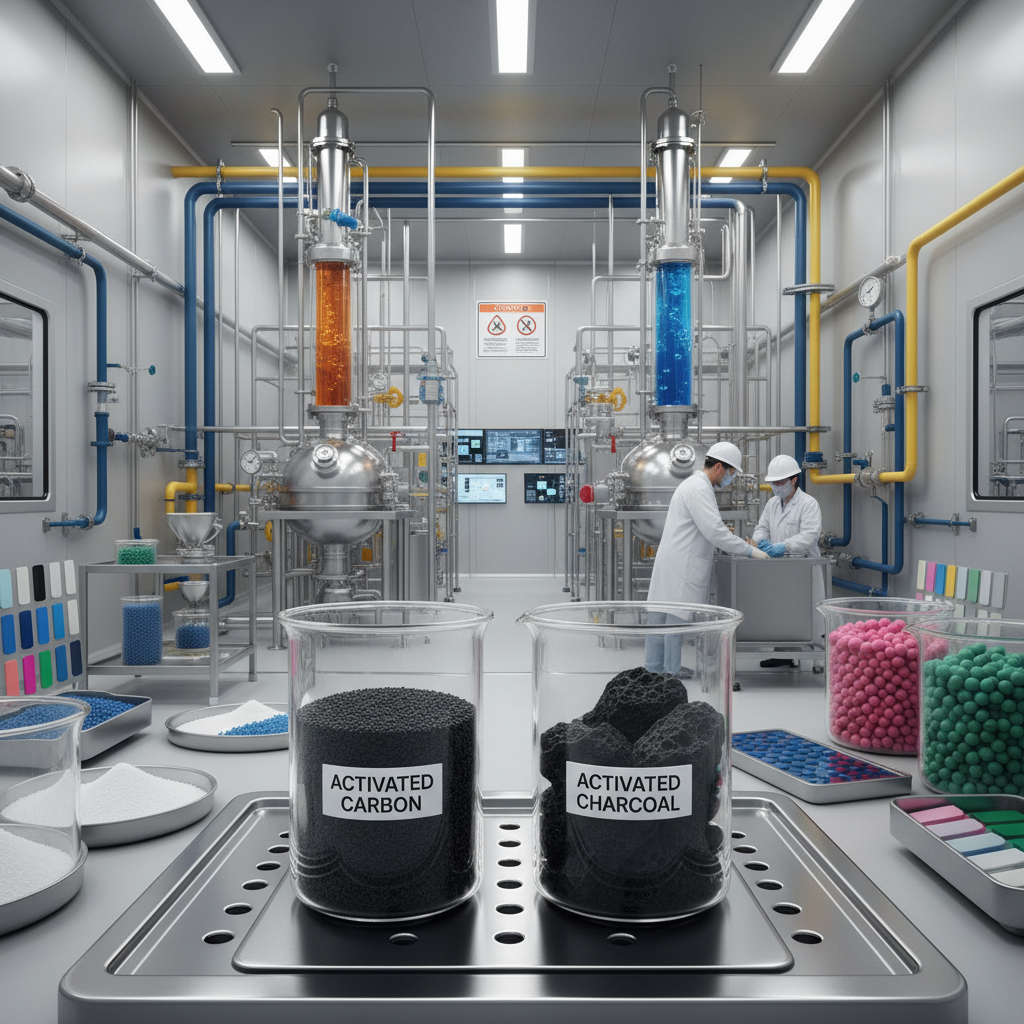
Activated carbon is a form of carbon that has been processed to have a large surface area. This large surface area enables it to adsorb molecules, making it an effective filter. It's typically produced from carbonaceous source materials like coal, wood, coconut shell, or peat. The activation process involves heating these materials to high temperatures in the presence of an activating agent, such as steam or carbon dioxide, which creates a porous structure. The resulting material is highly porous and possesses an immense surface area – a single gram can have a surface area exceeding 500 m². This extensive surface area is what allows activated carbon to effectively trap impurities and contaminants.
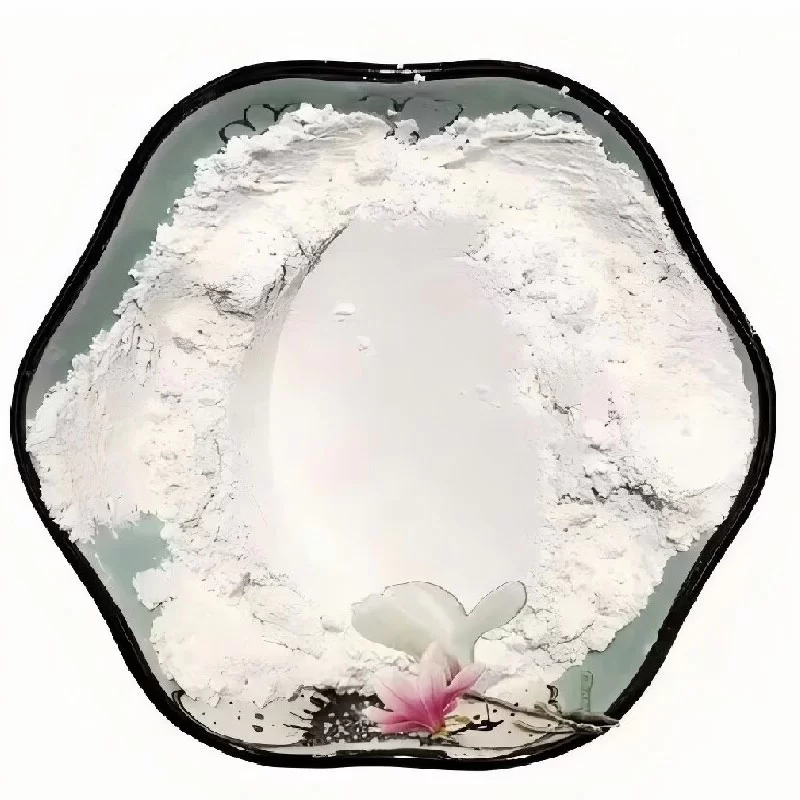
Key Features: Extremely porous structure, large surface area, excellent adsorption properties, available in various forms (powder, granular, extruded).
Activated Charcoal: A Specific Type of Activated Carbon
Activated charcoal is a specific type of activated carbon derived from organic sources, predominantly wood. While all activated charcoal is activated carbon, not all activated carbon is activated charcoal. The term "charcoal" historically refers to the carbon-rich residue produced by incomplete combustion of organic matter. When this charcoal undergoes the activation process, it becomes activated charcoal. It’s often favored in medical applications due to its purity and specific pore size distribution. Activated charcoal tends to have a more uniform pore structure compared to activated carbon derived from coal or other materials.
Activated Charcoal Benefits:
• Higher purity compared to other activated carbons.
• Often preferred for medical and pharmaceutical applications.
• Derived from renewable organic sources (wood).
Activated Carbon vs. Activated Charcoal: A Direct Comparison
The primary distinction lies in the source material and, consequently, the characteristics of the resulting product. Activated carbon can be produced from a wider range of materials, while activated charcoal is specifically derived from wood. This leads to differences in pore structure, surface area, and adsorption capacity. Understanding these differences is critical when choosing the right material for your specific needs. SDJZ Chem can help you navigate these choices.
Industrial Applications of Activated Carbon and Charcoal
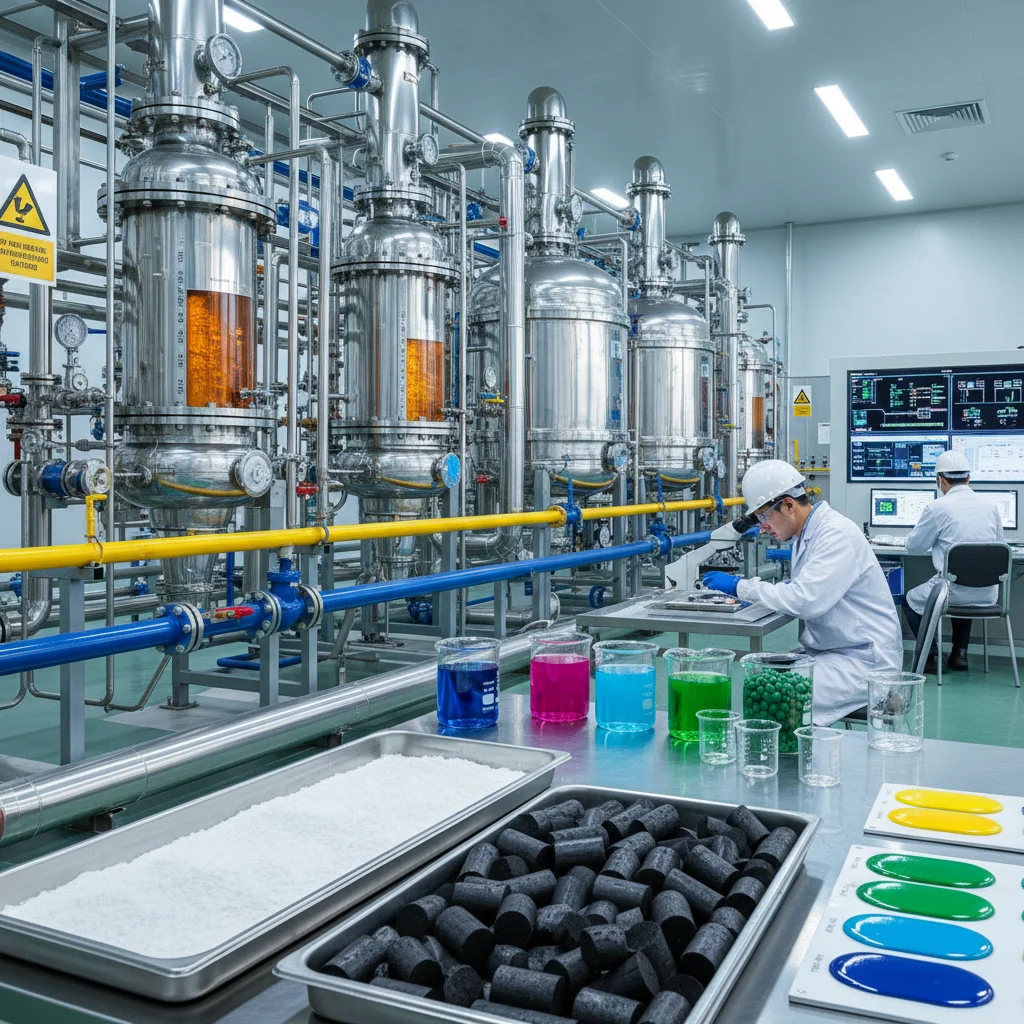
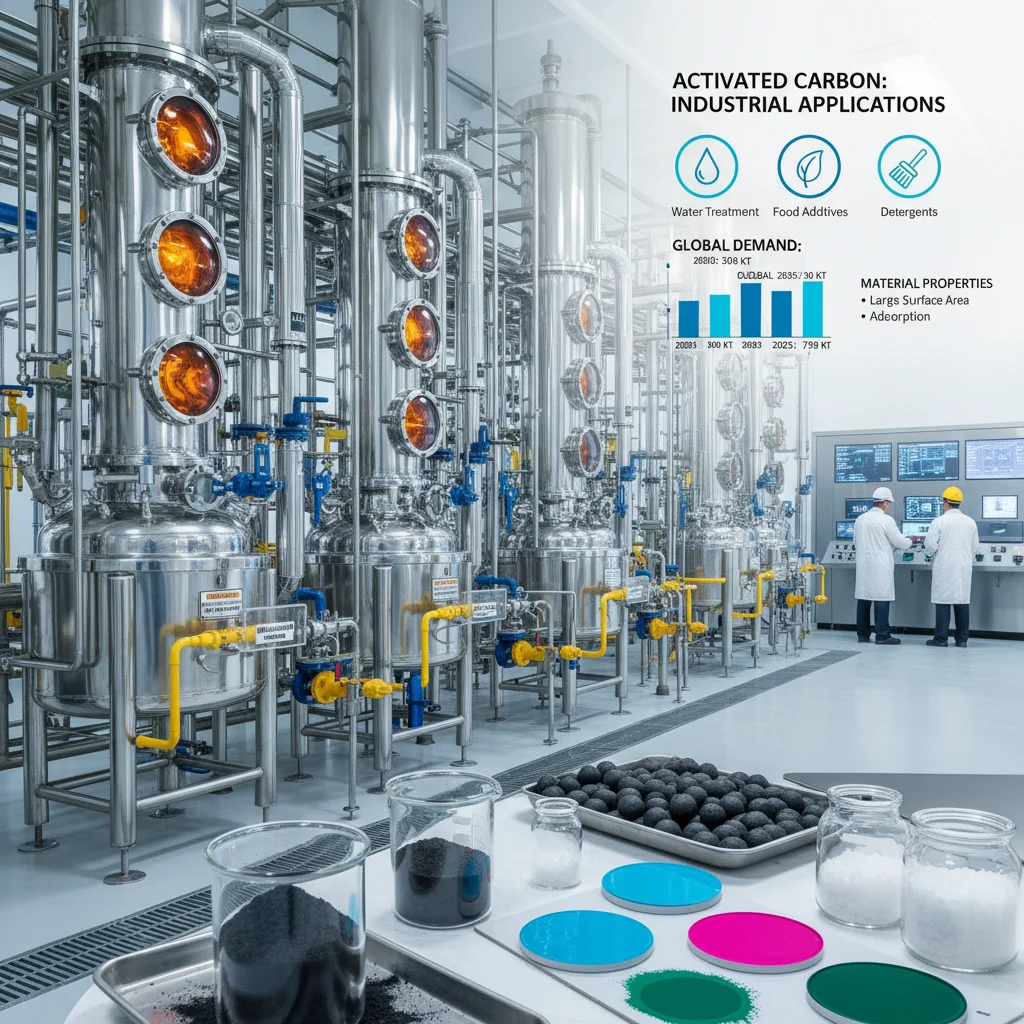
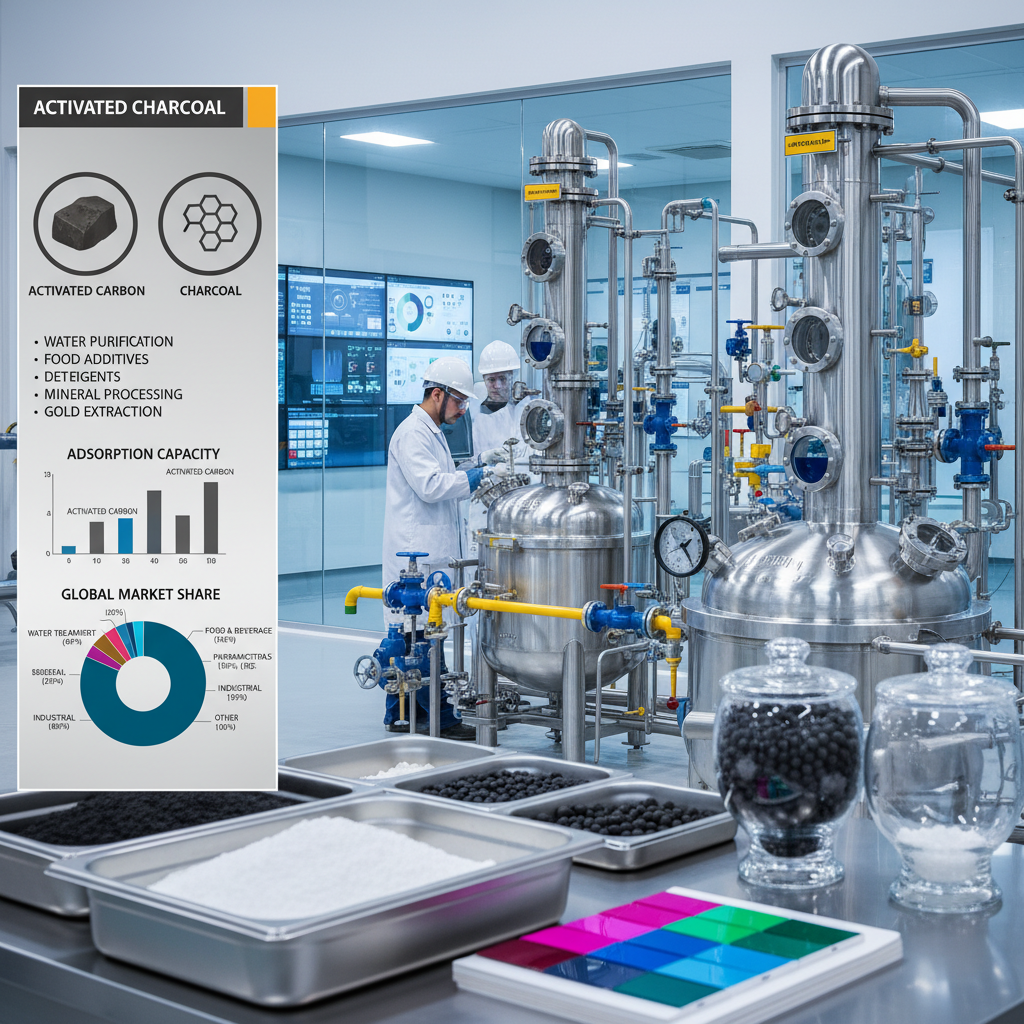
The adsorption properties of both materials make them essential in numerous industrial processes. Activated carbon finds widespread use in water purification, removing contaminants like chlorine, sediment, and volatile organic compounds (VOCs). In air purification systems, it effectively eliminates odors, gases, and pollutants. Activated charcoal, due to its higher purity, is often preferred in pharmaceutical applications, such as treating poisoning and reducing bloating. Both are also used in gas storage, solvent recovery, and chemical catalysis. SDJZ Chem provides customized activated carbon solutions to optimize your industrial processes.
SDJZ Chem: Your Trusted Supplier of Activated Carbon
At SDJZ Chem, we specialize in the production and supply of high-quality activated carbon and activated charcoal products. We offer a diverse range of specifications to meet the unique requirements of our clients. Our commitment to quality, competitive pricing, and reliable delivery makes us a preferred partner for industries worldwide. We provide comprehensive technical support to help you select the optimal activated carbon solution for your specific application.
Conclusion: Choosing the Right Activated Carbon for Your Needs
Selecting between activated carbon and activated charcoal depends on your application's specific requirements. Consider the source material, desired purity, and adsorption capacity. SDJZ Chem is dedicated to providing you with the highest quality products and expert guidance to ensure optimal performance. Contact us today to discuss your needs.
Frequently Asked Questions (FAQs)
What are the key differences in pore size between activated carbon and activated charcoal?
While both materials are porous, activated charcoal typically exhibits a narrower pore size distribution compared to activated carbon derived from other sources like coal. This finer pore structure is particularly beneficial for adsorbing smaller molecules, making it ideal for medical applications like toxin removal. Activated carbon from coal often has a broader range of pore sizes, suited for capturing larger contaminants in water or air purification. The pore size is determined during the activation process and can be tailored to specific applications.
Can activated carbon be regenerated and reused?
Yes, activated carbon can often be regenerated, extending its lifespan and reducing waste. Regeneration involves removing the adsorbed contaminants through processes like thermal oxidation or steam stripping. Thermal regeneration, for example, heats the carbon to high temperatures to burn off adsorbed organic compounds. However, regeneration isn't always fully effective, and repeated regeneration cycles can gradually reduce the carbon's adsorption capacity. The feasibility of regeneration depends on the type of contaminants adsorbed and the regeneration method used.
Is activated carbon environmentally friendly?
Activated carbon can be considered environmentally friendly in several ways. It's produced from renewable resources like wood and coconut shells. It plays a crucial role in environmental protection by removing pollutants from water and air. However, the production process itself can have environmental impacts, such as energy consumption and the release of greenhouse gases. Responsible manufacturers prioritize sustainable production practices to minimize these impacts. Choosing activated carbon from suppliers committed to environmentally sound practices is essential.
What are the different forms of activated carbon available?
Activated carbon is available in several forms, each suited to different applications. Powdered Activated Carbon (PAC) is finely ground and ideal for batch treatments. Granular Activated Carbon (GAC) is larger particles used in filtration beds for water treatment. Extruded Activated Carbon is shaped into cylinders for gas-phase applications. Impregnated Activated Carbon has specific chemicals added to enhance its adsorption capacity for particular contaminants. Choosing the appropriate form depends on the specific application and the desired level of performance.