How to Reactivate Activated Carbon for Sustainable Filtration
How to Reactivate Activated Carbon: A Professional Guide to Sustainability
Activated carbon is an essential tool for air and water purification, but over time, its pores become saturated with pollutants, leading to a drop in efficiency. Instead of disposing of the spent material, many industrial leaders now choose to reactivate activated carbon, a process that restores its adsorption capacity while reducing environmental waste. This sustainable approach not only lowers operational costs but also aligns with global green initiatives. In this guide, we will explore the technical mechanisms of thermal reactivation, the economic benefits, and the best practices for maintaining high-performance filtration systems.
The Science Behind the Need to Reactivate Activated Carbon
Activated carbon works through adsorption, where molecules of gas or liquid adhere to the internal surface of the carbon pores. Once every available site is occupied, the carbon is considered "spent." To reactivate activated carbon, the adsorbed contaminants must be removed without destroying the carbon structure itself. This is typically achieved through controlled heating in a limited-oxygen environment, which volatilizes and oxidizes the trapped impurities. This process effectively "cleans" the pores, allowing the material to be reused in multiple cycles, significantly extending the product's lifecycle.
Industry Insight: Thermal reactivation is the most common industrial method, as it can handle a wide variety of organic pollutants and restore up to 90-95% of the original surface area.
Comparing Thermal Reactivation vs. Fresh Replacement
When deciding whether to buy new carbon or reactivate activated carbon, companies must weigh the upfront costs against long-term sustainability. Fresh carbon provides 100% initial capacity, but the carbon footprint of producing virgin material—often from coal or coconut shells—is substantial. Reactivation significantly reduces CO2 emissions and minimizes landfill waste. Below is a detailed comparison of the two approaches to help you make an informed decision for your facility.
Steps to Efficiently Reactivate Activated Carbon
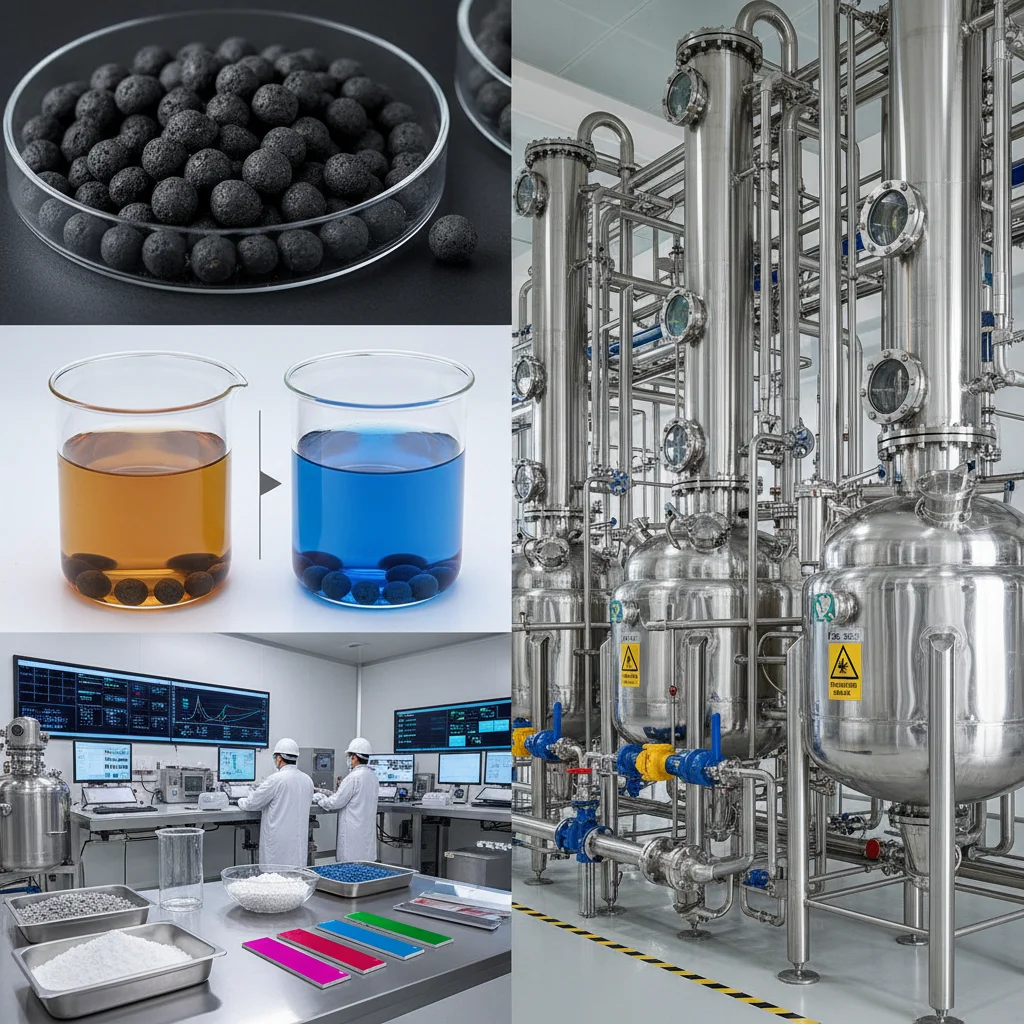
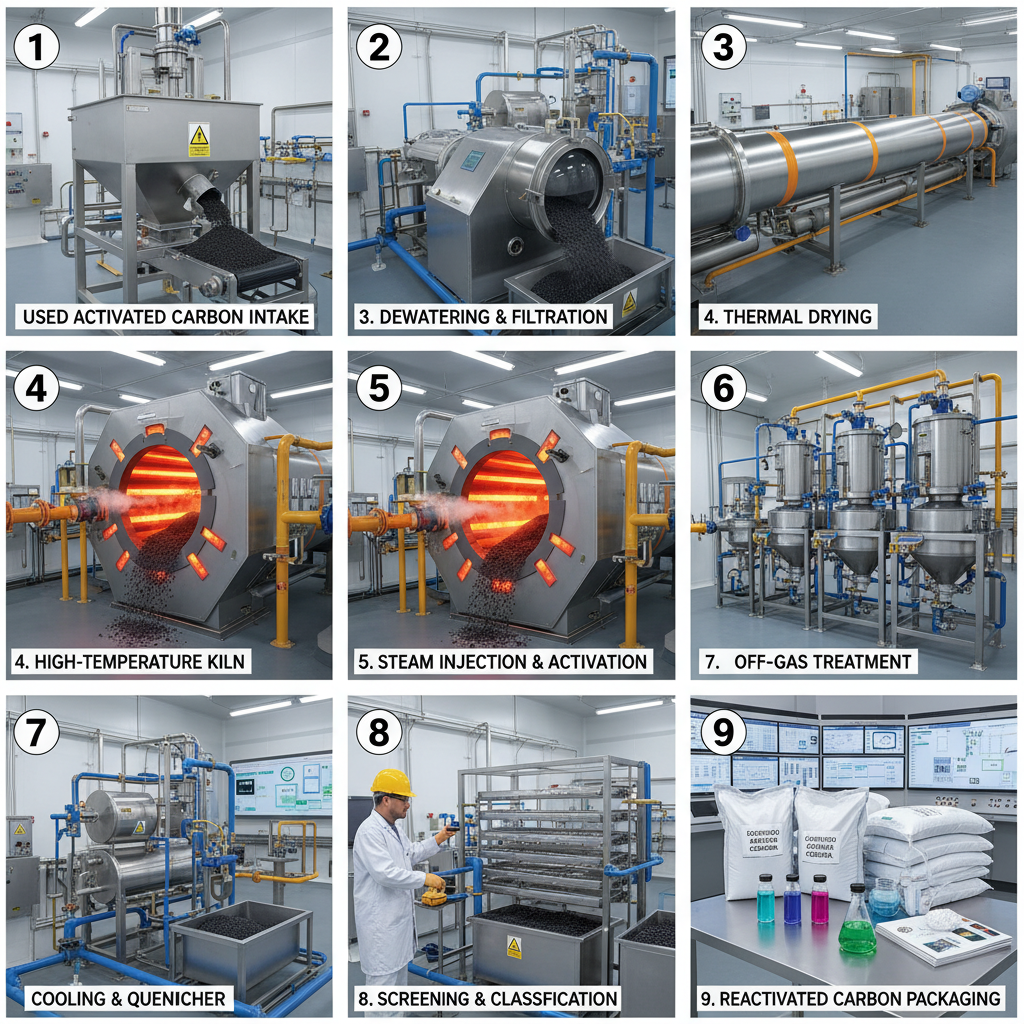
The industrial process to reactivate activated carbon involves several critical stages to ensure the carbon is not incinerated. First, the spent carbon is dried to remove moisture. Second, it undergoes pyrolysis, where organic contaminants are decomposed into gases. Finally, a controlled gasification phase uses steam or CO2 to open the pores and remove the remaining char. This meticulous temperature control ensures that the structural integrity of the carbon is maintained, allowing it to be reintroduced into the filtration system with high efficiency.
Technical Specifications for Carbon Reactivation
Not all carbon is a candidate for reactivation. The success of the process depends on the raw material (coconut shell, coal, or wood) and the type of contaminants adsorbed. For instance, carbons saturated with heavy metals cannot be reactivated thermally because metals do not volatilize. However, for VOCs (Volatile Organic Compounds) and odors, the results are excellent. To ensure a successful outcome when you reactivate activated carbon, refer to the following standard specifications:
Industrial Applications of Reactivated Carbon
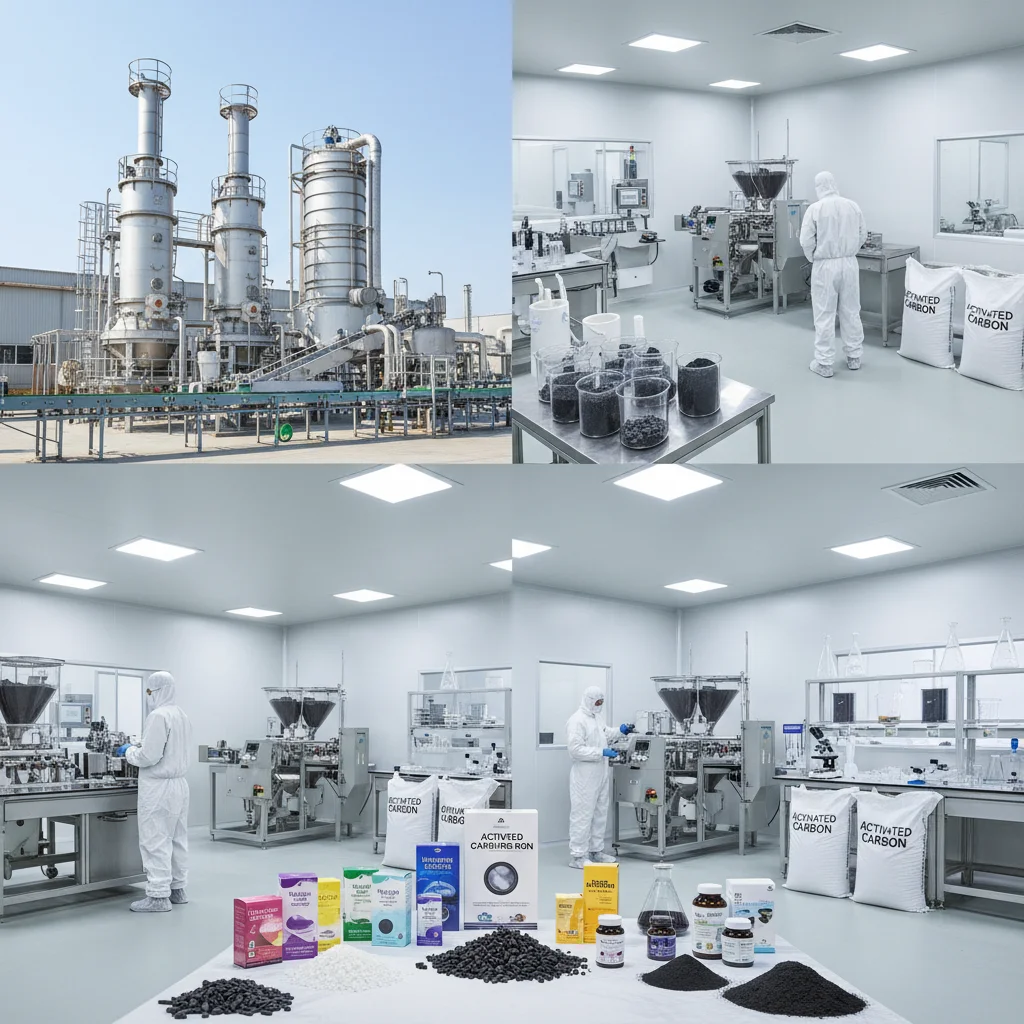
The ability to reactivate activated carbon is widely utilized across various sectors. In wastewater treatment plants, it is used to remove pharmaceutical residues and pesticides. In the petrochemical industry, reactivated carbon helps in solvent recovery and emission control. Even in food and beverage production, it is used for decolorization and purification. By integrating a reactivation loop, these industries can maintain strict environmental compliance while reducing the cost of raw materials, proving that efficiency and sustainability can go hand-in-hand.
Best Practices for Maintaining Filter Longevity
To maximize the number of times you can reactivate activated carbon, proactive maintenance is key. Implementing pre-filtration to remove large particulates prevents "blinding" of the carbon surface, which ensures that pollutants reach the deep pores rather than just the outer shell. Additionally, monitoring the breakthrough point using sensor technology prevents over-saturation, which can make reactivation more difficult and costly. By following a structured replacement and reactivation schedule, facilities can ensure consistent air and water quality without unexpected downtime.
Conclusion: The Future of Carbon Filtration
Choosing to reactivate activated carbon is more than just a cost-saving measure; it is a commitment to a circular economy. By reducing the reliance on virgin carbon and minimizing hazardous waste, businesses can achieve a sustainable balance between operational excellence and environmental stewardship. Whether you are managing a small filtration unit or a large-scale industrial plant, reactivation offers a scientifically proven path to efficiency. Embrace the power of reactivation today for a cleaner, greener tomorrow.
Frequently Asked Questions (FAQs)
Can all types of activated carbon be reactivated?
Not all activated carbon is suitable for reactivation. The primary limitation is the type of pollutant adsorbed. If the carbon is saturated with non-volatile substances, such as heavy metals (lead, mercury) or certain inorganic salts, thermal reactivation is not possible because these materials will not evaporate or burn off; instead, they may further damage the carbon structure. However, for the majority of organic contaminants, including VOCs, oils, and odors, the process is highly effective. It is always recommended to perform a lab analysis of the spent carbon to confirm its suitability for the reactivation process.
How many times can I reactivate activated carbon?
There is no fixed number of cycles, but there is a gradual loss of material with each reactivation. During the high-temperature gasification phase, a small percentage of the carbon skeleton is consumed to oxidize the pollutants. Typically, a loss of 5% to 15% per cycle is expected. Eventually, the carbon particles become too small or the pore structure degrades to a point where the adsorption capacity no longer meets the required standards. For most industrial applications, carbon can be reactivated several times before it needs to be replaced with virgin material to restore full efficiency.
Is reactivated carbon as effective as new activated carbon?
Reactivated carbon typically achieves 85% to 95% of the adsorption capacity of virgin carbon. While there is a slight decrease in total surface area due to the material loss during the heating process, this difference is often negligible for most industrial and commercial applications. In many cases, the restored carbon performs nearly identically to new carbon in practical settings. The cost savings and environmental benefits usually far outweigh the marginal loss in initial capacity, making it the preferred choice for large-scale operations looking to optimize their filtration systems.
What are the environmental benefits of carbon reactivation?
The environmental benefits are twofold: waste reduction and resource conservation. First, it prevents thousands of tons of spent carbon from being sent to landfills, where they would otherwise occupy space and potentially leach contaminants. Second, it reduces the demand for virgin raw materials, such as coal or coconut shells, which requires energy-intensive mining and transportation. The thermal reactivation process, while requiring energy, generally has a lower overall carbon footprint than the combined process of producing new carbon and disposing of the old. This transforms a linear "use-and-throw" model into a sustainable circular economy.