Comprehensive Guide to Activated Carbon Production Methods and Applications
Activated Carbon Production: A Comprehensive Guide
Activated carbon is a crucial material in countless industrial processes, valued for its exceptional adsorption capabilities. From water purification to air filtration and beyond, understanding activated carbon production methods is essential. This article will explore the various manufacturing techniques, key factors influencing quality, and diverse applications of this versatile material. We’ll also delve into the different types of activated carbon available and how SDJZ Chem delivers high-quality products for your specific needs.
Understanding the Activated Carbon Production Process
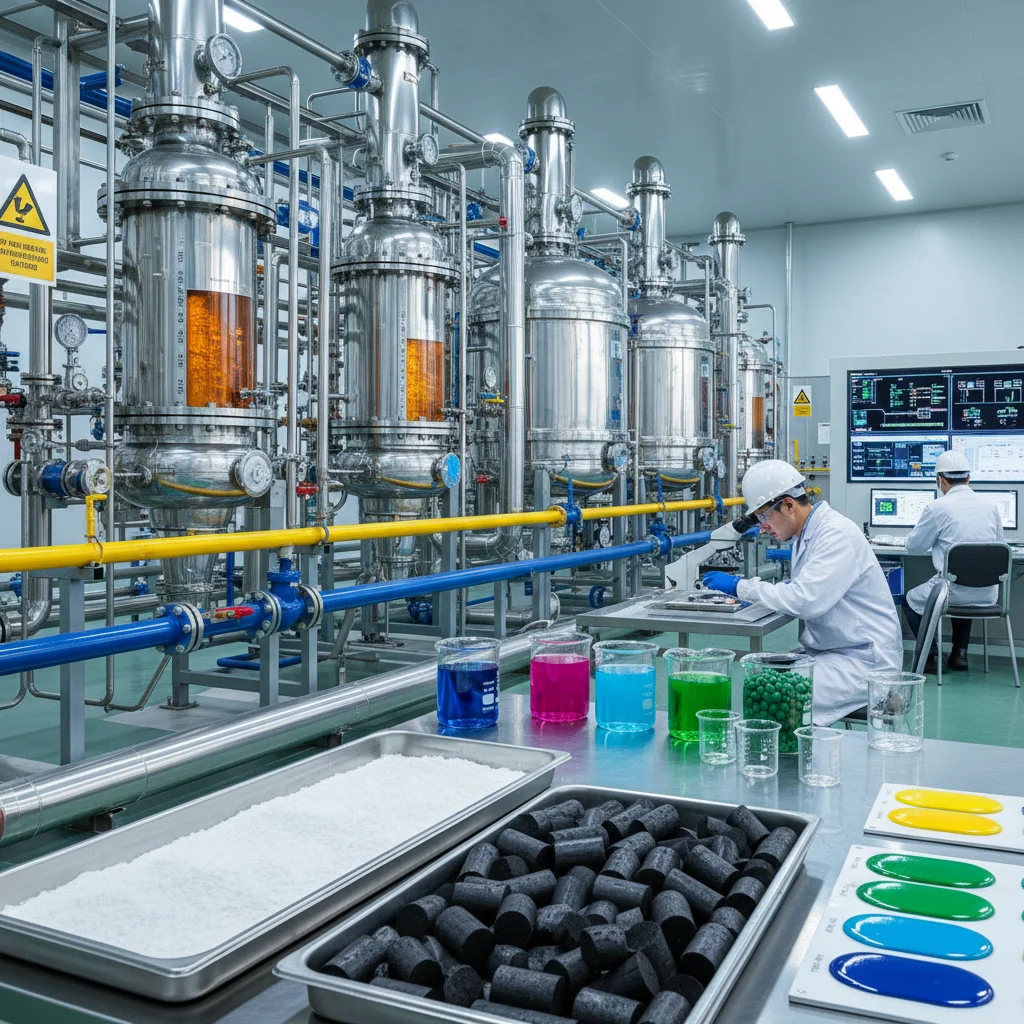
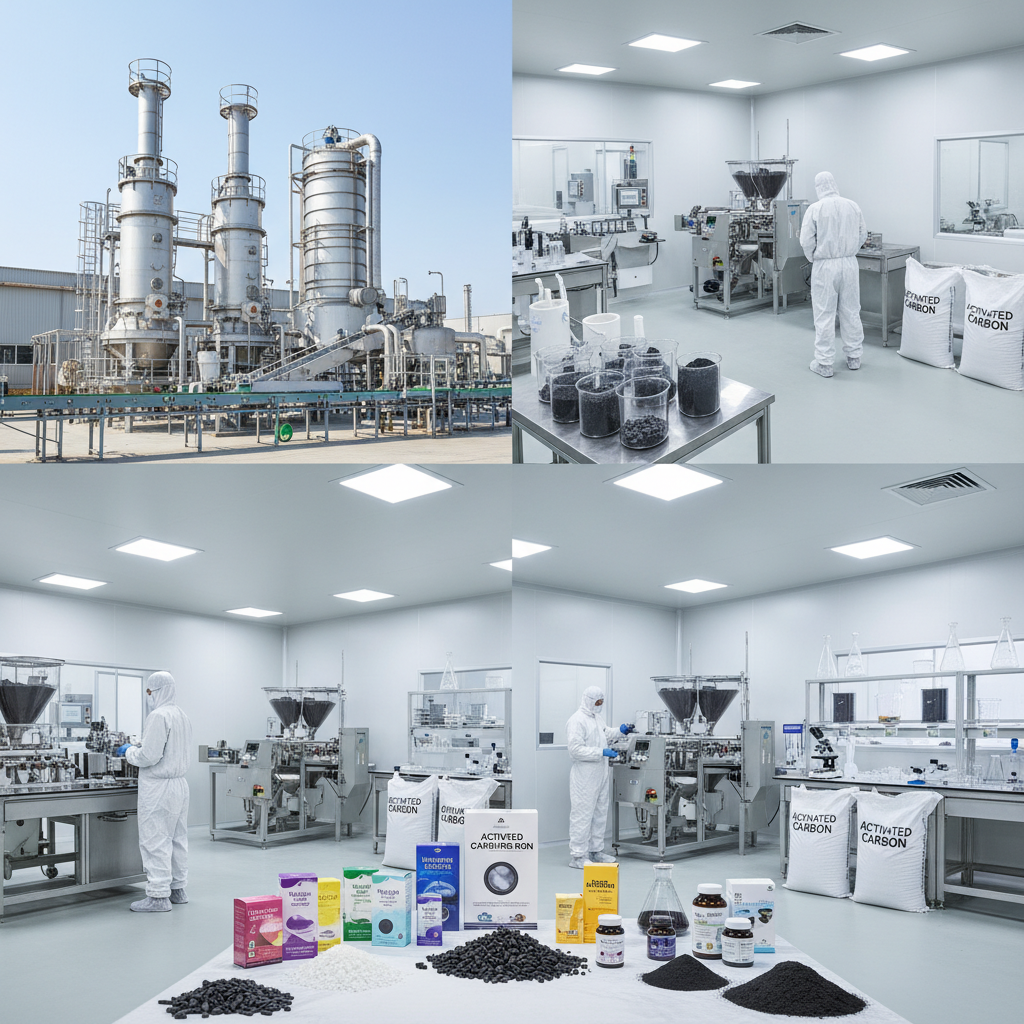
The creation of activated carbon isn't a single step, but rather a carefully controlled process. It begins with a carbonaceous source material – often coal, wood, coconut shells, or even agricultural waste. This raw material undergoes two crucial stages: carbonization and activation. Carbonization involves heating the material to remove non-carbon elements, leaving behind a fixed carbon structure. Activation then expands the internal pore structure, dramatically increasing the surface area, and thus its adsorption capacity. The activation process can be either chemical or physical, each influencing the final product's characteristics. Choosing the right production process is vital for achieving the desired performance parameters.
Key Takeaway: Activation is the defining step in transforming regular carbon into the highly porous, adsorbent material we know as activated carbon.
Chemical vs. Physical Activation: A Detailed Comparison
The choice between chemical and physical activation dramatically affects the final product. Chemical activation typically utilizes activating agents like phosphoric acid (H3PO4), potassium hydroxide (KOH), or zinc chloride (ZnCl2). These agents are mixed with the carbonaceous material before or during carbonization. This method generally produces activated carbon with a smaller pore size and a higher yield. Physical activation, on the other hand, uses oxidizing gases like steam or carbon dioxide at high temperatures. This process is more environmentally friendly but often yields a lower overall product output. SDJZ Chem specializes in both chemical and physical activation, allowing us to offer a tailored solution for your application.
Activation Method Comparison:
• Chemical Activation: Higher yield, smaller pore size, uses chemicals.
• Physical Activation: Environmentally friendly, lower yield, uses gases.
Factors Influencing Activated Carbon Quality
Several factors play a critical role in determining the quality of the final activated carbon product. These include the type of raw material used, the activation method employed, the activation temperature, and the duration of the activation process. Crucially, pore size distribution, surface area, and hardness are key parameters. A higher surface area generally equates to greater adsorption capacity. Pore size distribution dictates which molecules can be effectively adsorbed. Hardness is essential for preventing dust formation and maintaining structural integrity during handling and application. SDJZ Chem employs rigorous quality control measures throughout the production process to ensure consistent, high-performance products.
Activated Carbon Types and Their Applications
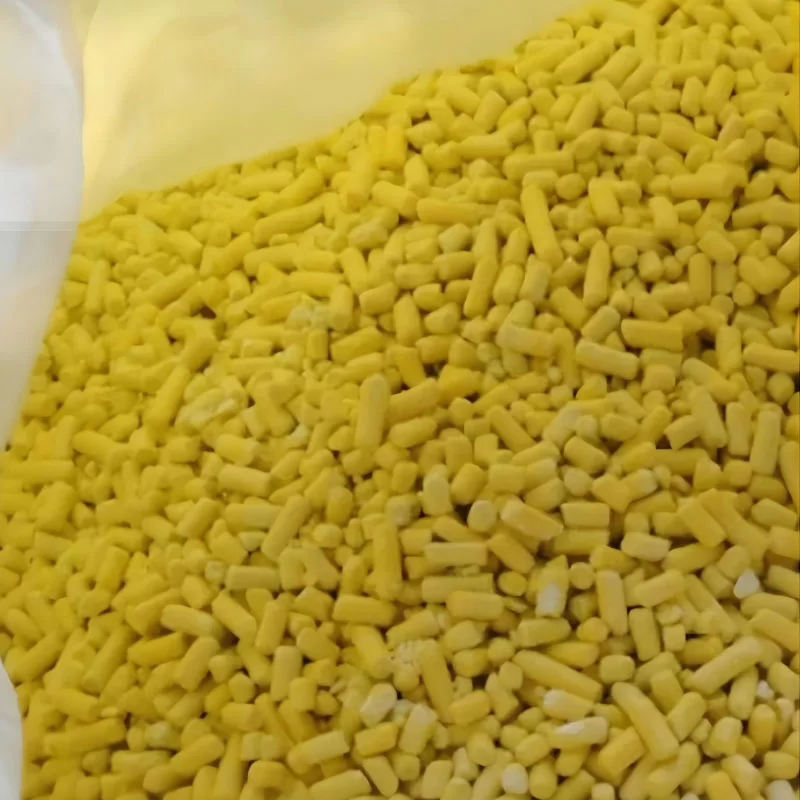
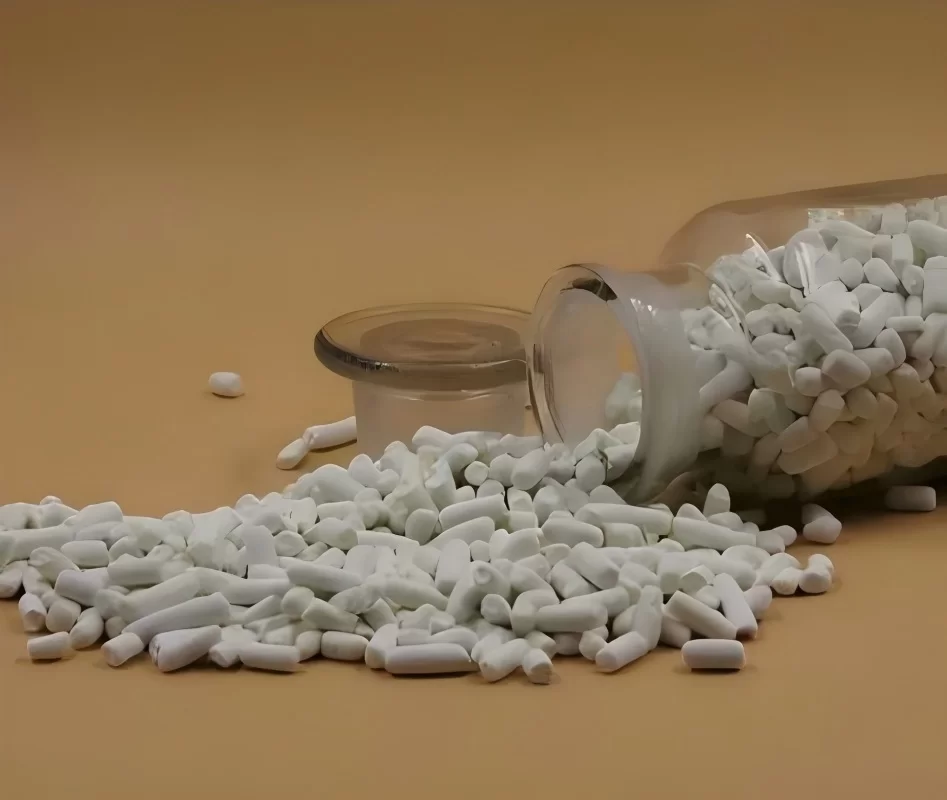
Activated carbon comes in various forms – powdered activated carbon (PAC), granular activated carbon (GAC), and extruded activated carbon. PAC is used for applications requiring rapid adsorption, like decolorization of liquids. GAC is preferred for water treatment and air purification due to its larger particle size and lower pressure drop. Extruded activated carbon offers a combination of properties, ideal for gas-phase adsorption. Here's a table summarizing common applications:
Why Choose SDJZ Chem for Your Activated Carbon Needs?
At SDJZ Chem, we are committed to delivering premium activated carbon products tailored to your specific requirements. We offer a wide range of activated carbon types, produced using both chemical and physical activation methods. Our stringent quality control processes, coupled with our expert technical support, ensure consistent performance and customer satisfaction. We serve a diverse range of industries, including water treatment, air purification, food and beverage, pharmaceuticals, and more. Contact us today to discuss your activated carbon needs and discover how we can help you achieve optimal results.
Conclusion: Partnering for Adsorption Excellence
Selecting the right activated carbon is a critical decision impacting process efficiency and product quality. SDJZ Chem provides the expertise, quality, and range of products you need to succeed. We are dedicated to helping you find the optimal solution for your unique adsorption challenges.
Frequently Asked Questions (FAQs)
What is the difference between powdered and granular activated carbon?
Powdered activated carbon (PAC) has a smaller particle size, leading to quicker adsorption rates but also a higher pressure drop. It’s commonly used for batch processes like liquid decolorization. Granular activated carbon (GAC) has a larger particle size, resulting in lower pressure drop and making it suitable for continuous processes like water filtration. GAC is also more mechanically robust and can be regenerated for reuse, whereas PAC is typically discarded after use. The choice depends heavily on the specific application requirements and the need for regeneration.
How is activated carbon regenerated?
Activated carbon regeneration involves removing the adsorbed contaminants to restore its adsorption capacity. Common regeneration methods include thermal regeneration (using high-temperature steam or gas), chemical regeneration (using solvents or acids), and biological regeneration (using microorganisms). Thermal regeneration is the most widely used method for GAC, while PAC is rarely regenerated due to its smaller particle size and higher cost of regeneration. SDJZ Chem can provide information on optimal regeneration practices for our products.
What raw materials are used in activated carbon production?
A wide variety of carbonaceous materials can be used, including coal (bituminous, anthracite, and lignite), wood, coconut shells, peat, and agricultural by-products like rice husks and nutshells. The choice of raw material influences the final product’s characteristics, such as pore size distribution, hardness, and ash content. Coconut shell-based activated carbon is renowned for its high hardness and iodine number, making it ideal for water purification. SDJZ Chem carefully selects raw materials to meet specific customer needs.
Is activated carbon environmentally friendly?
Activated carbon itself is a relatively environmentally friendly material as it’s often produced from renewable resources and can be used to remove pollutants from water and air. However, the production process can have environmental impacts, particularly concerning energy consumption and the use of chemical activating agents. Physical activation is considered more environmentally friendly than chemical activation. Proper disposal of spent activated carbon is also crucial, and regeneration is a sustainable option to reduce waste. SDJZ Chem is committed to sustainable production practices.