Understanding Granular Activated Carbon Applications and Performance Characteristics
Granular Activated Carbon: A Comprehensive Guide
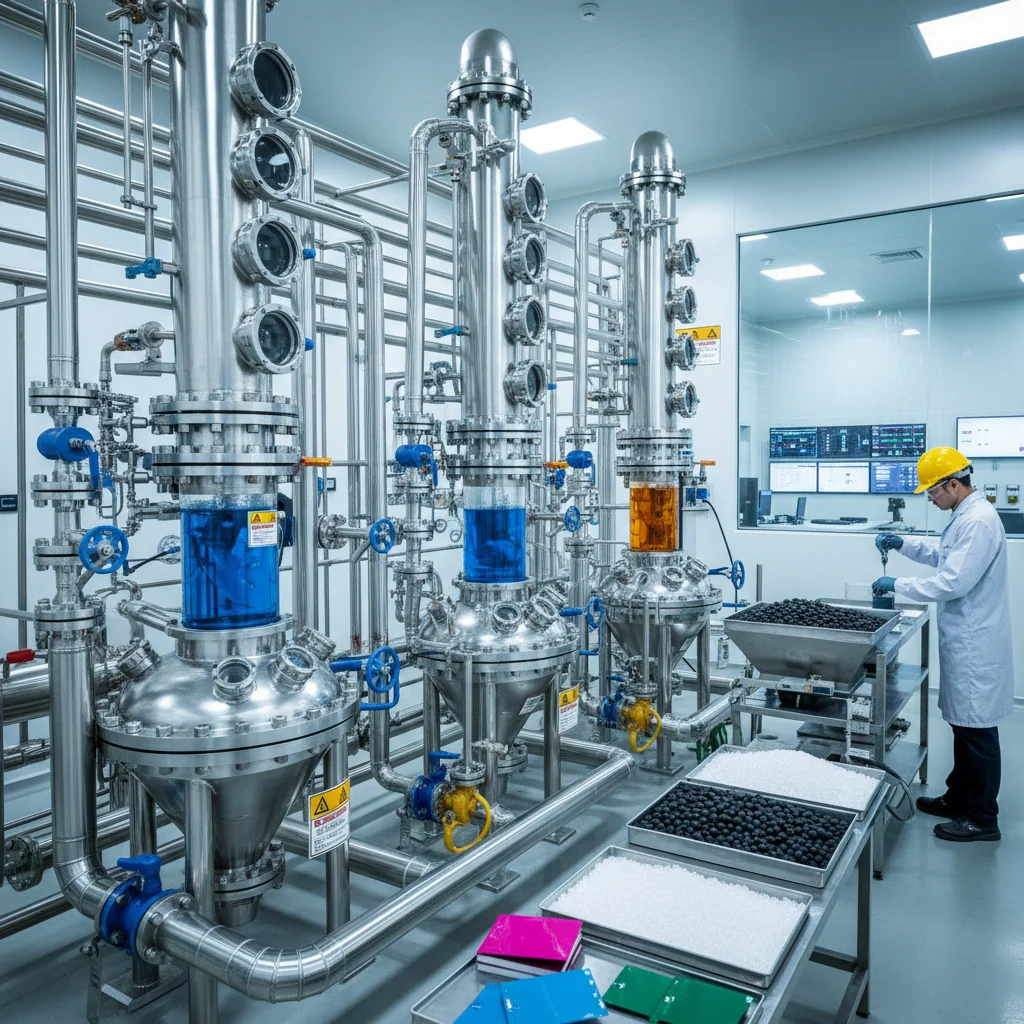
Granular activated carbon (GAC) is a versatile adsorbent material widely used in various industrial and environmental applications. Its high surface area and porous structure make it exceptionally effective at removing contaminants from liquids and gases. From water purification to air filtration, GAC from SDJZ-Chem offers exceptional performance and reliability. This article will explore the properties, applications, benefits, and factors to consider when selecting GAC for your specific needs. Understanding the nuances of GAC is crucial for optimizing its use and achieving the desired results.
What is Granular Activated Carbon?
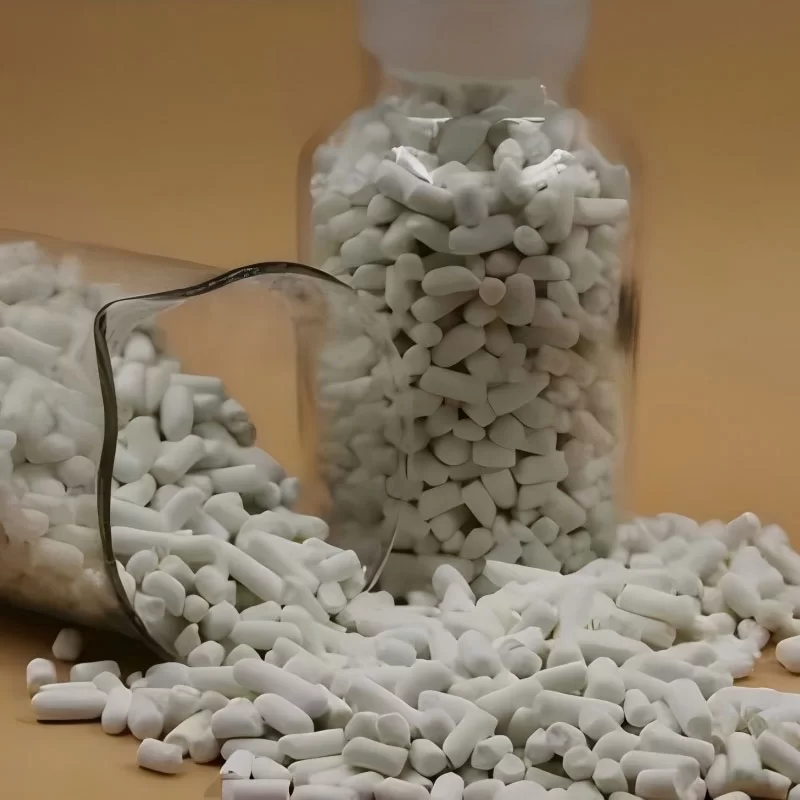
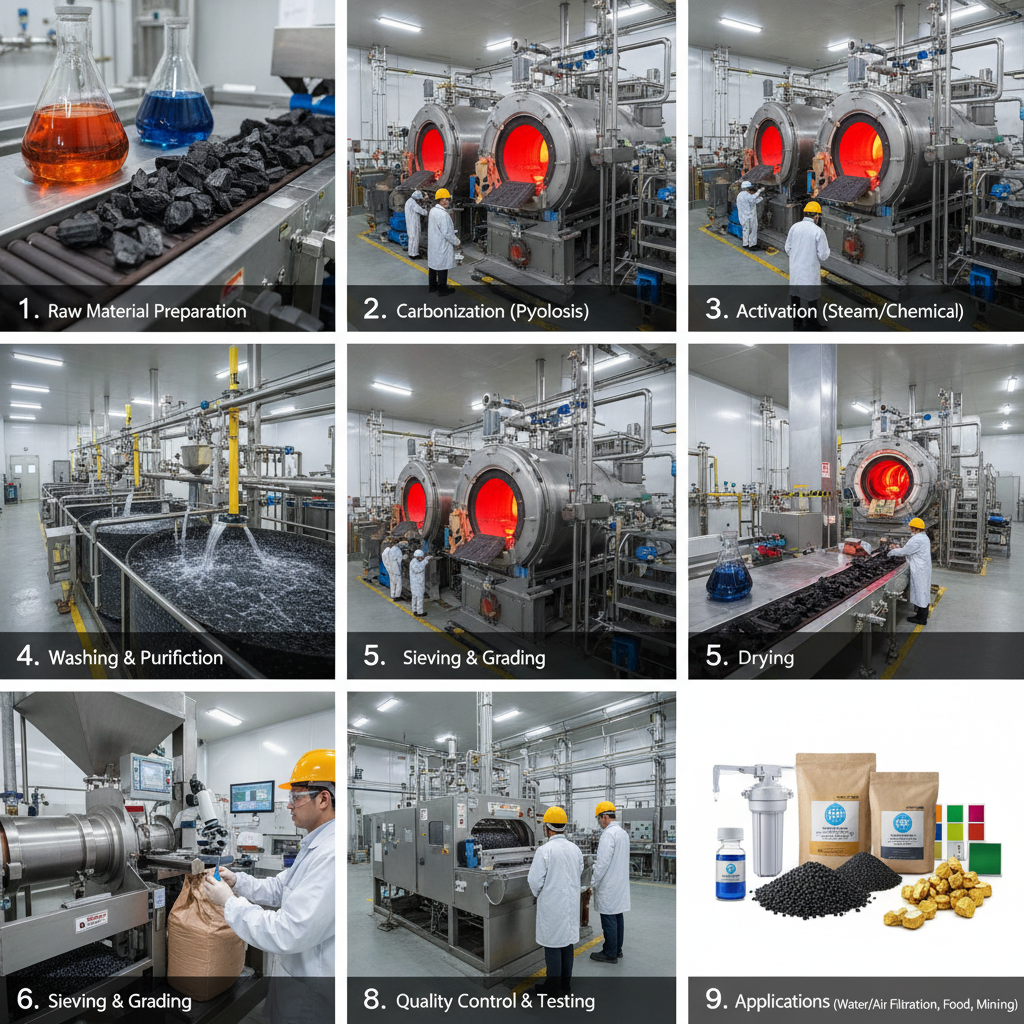
Granular activated carbon is produced from various carbonaceous source materials, such as coal, wood, coconut shell, and peat. These materials undergo a two-stage process: carbonization and activation. Carbonization involves heating the raw material in the absence of oxygen to remove volatile matter, leaving behind a fixed carbon structure. Activation then creates the porous structure responsible for GAC’s high adsorption capacity. The resulting product consists of irregularly shaped particles with a large surface area – typically ranging from 500 to 1500 m²/g – providing numerous sites for contaminant adsorption. SDJZ-Chem’s GAC is manufactured using stringent quality control measures to ensure consistent performance.
Key Highlights: GAC's high surface area and porosity provide exceptional adsorption capabilities, making it ideal for removing a wide range of contaminants.
Key Applications of Granular Activated Carbon
GAC finds extensive use across diverse industries. In water treatment, it effectively removes chlorine, organic compounds, taste, and odor. It's crucial in producing safe drinking water and treating wastewater. Within the air purification sector, GAC captures volatile organic compounds (VOCs), odors, and other gaseous pollutants from industrial emissions and indoor air. The food and beverage industry leverages GAC for decolorizing and purifying products like sugar, sweeteners, and oils. Furthermore, GAC is used in pharmaceuticals for purifying raw materials and finished products, and in the chemical industry for catalyst support and recovery of valuable solvents. SDJZ-Chem provides GAC tailored to each of these application areas.
Application Areas:
• Water Treatment
• Air Purification
• Food & Beverage Processing
• Pharmaceutical Purification
GAC Grades and Specifications
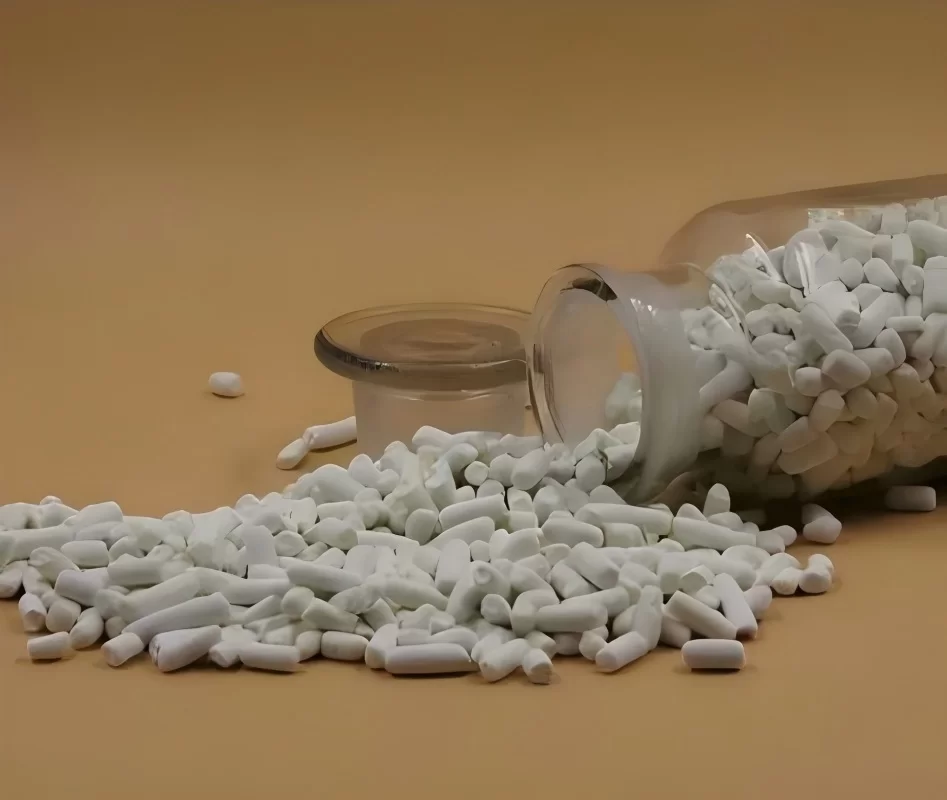
GAC is available in various grades, categorized by particle size, pore size distribution, and activation method. Smaller particle sizes generally offer faster adsorption rates but create higher pressure drops. Pore size distribution influences the types of molecules that can be adsorbed; micropores (less than 2 nm) are effective for small molecules, while macropores (greater than 50 nm) accommodate larger molecules. Here’s a table outlining typical GAC specifications offered by SDJZ-Chem:
Factors Affecting GAC Performance
Several factors influence the effectiveness of GAC. The type of contaminant dictates the optimal pore size and activation method. Contact time between the GAC and the fluid being treated is crucial; longer contact times generally lead to higher removal rates. Temperature and pH can also affect adsorption efficiency. Furthermore, the presence of other contaminants may compete for adsorption sites, reducing the removal of the target contaminant. Proper regeneration or replacement of GAC is essential, as its adsorption capacity diminishes over time. SDJZ-Chem offers technical support to assist you in optimizing GAC performance.
GAC Regeneration vs. Replacement
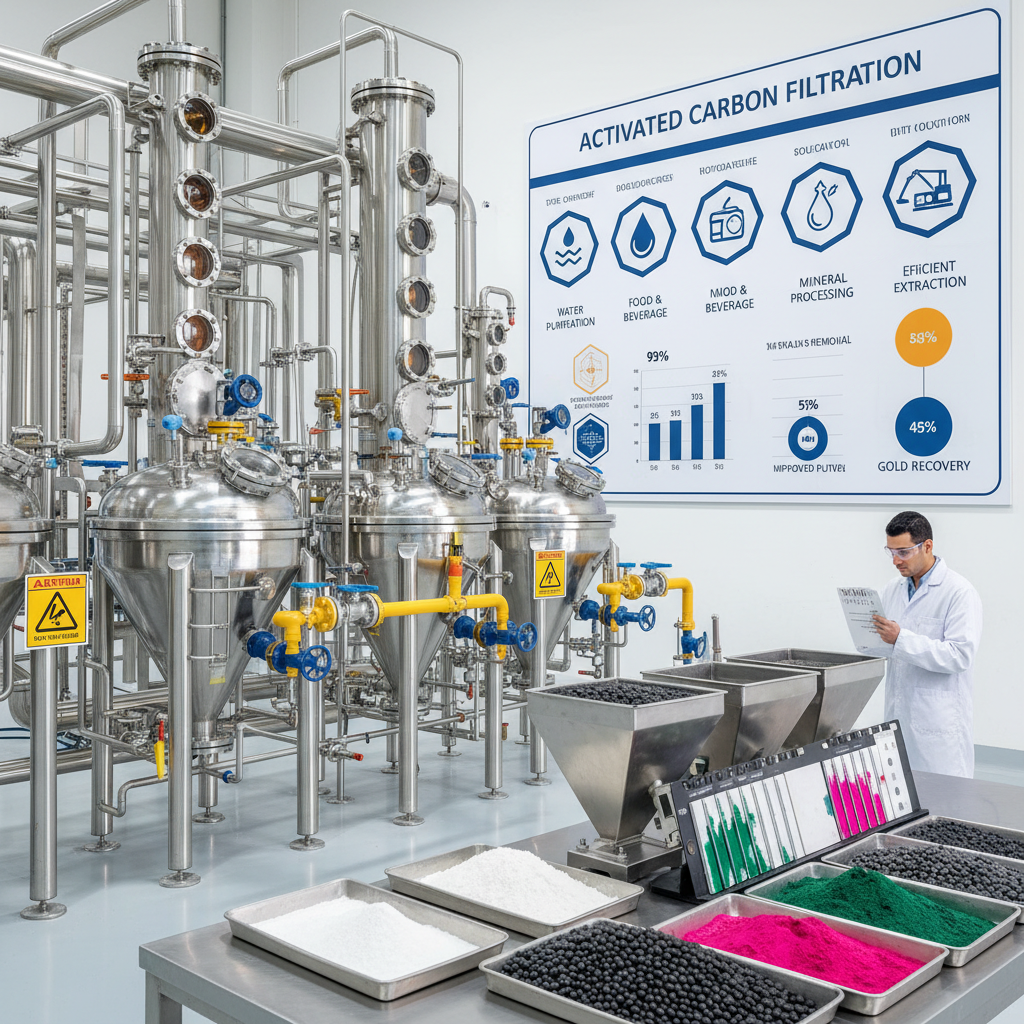
Once GAC becomes saturated with contaminants, it needs to be regenerated or replaced. Regeneration involves removing the adsorbed contaminants to restore the GAC’s adsorption capacity. Thermal regeneration, using steam or hot gas, is a common method. Replacement involves discarding the spent GAC and using fresh material. The choice between regeneration and replacement depends on factors such as contaminant type, regeneration costs, and environmental regulations. While regeneration is more cost-effective in the long run, it may not be suitable for all contaminants. SDJZ-Chem can advise you on the most appropriate regeneration or replacement strategy for your application.
Conclusion
Granular activated carbon is a powerful and versatile tool for purification and separation processes. Selecting the appropriate GAC grade and implementing effective regeneration strategies are crucial for maximizing its performance and cost-effectiveness. SDJZ-Chem is committed to providing high-quality GAC and expert technical support to meet your specific needs.
Frequently Asked Questions (FAQs)
What source materials are used to produce granular activated carbon?
GAC is commonly produced from materials such as coal, wood, coconut shell, and peat. The choice of source material impacts the final properties of the GAC, including its pore size distribution, hardness, and adsorption capacity. Coconut shell-based GAC is often preferred for water treatment due to its high hardness and favorable pore structure. Coal-based GAC is generally used for air purification and industrial applications. The manufacturing process also influences the characteristics of the final product, and SDJZ-Chem carefully controls these processes to ensure consistently high quality.
How is the adsorption capacity of GAC measured?
The adsorption capacity of GAC is typically measured by determining the amount of a specific contaminant that can be adsorbed per unit mass of GAC. This is often expressed in milligrams of contaminant adsorbed per gram of GAC (mg/g). Adsorption isotherms are generated to show the relationship between the contaminant concentration and the amount adsorbed. These isotherms are used to predict the performance of GAC in real-world applications. SDJZ-Chem provides detailed product specifications including adsorption capacities for various contaminants.
Can GAC be used to remove bacteria and viruses?
While GAC primarily removes dissolved organic compounds, it can also provide some degree of bacterial and viral removal through physical entrapment within its porous structure. However, GAC is not a substitute for disinfection processes such as chlorination or UV irradiation. For applications requiring complete removal of microorganisms, GAC is often used in conjunction with disinfection technologies. SDJZ-Chem can help you design a treatment system that effectively addresses your specific water quality needs.
What is the best way to store granular activated carbon?
GAC should be stored in a dry, well-ventilated area, away from direct sunlight and sources of ignition. It’s important to keep the material sealed in its original packaging to prevent moisture absorption and contamination. Avoid storing GAC near strong oxidizing agents or other incompatible materials. Proper storage helps maintain the GAC’s adsorption capacity and extends its shelf life.