Understanding the Versatility of Chemical Activated Carbon and Its Wide Range Applications
Chemical Activated Carbon: A Comprehensive Guide
Chemical activated carbon is a versatile material widely used in various industrial applications for purification, filtration, and separation processes. Its high surface area and adsorption capabilities make it ideal for removing contaminants from liquids and gases. At SDJZ Chemical, we specialize in the production and supply of high-quality chemical activated carbon tailored to meet diverse customer needs. This article will delve into the properties, manufacturing processes, applications, and advantages of chemical activated carbon, providing a comprehensive overview for professionals and businesses seeking effective purification solutions. Choosing the right type of activated carbon is crucial for optimal performance and efficiency.
What is Chemical Activated Carbon?
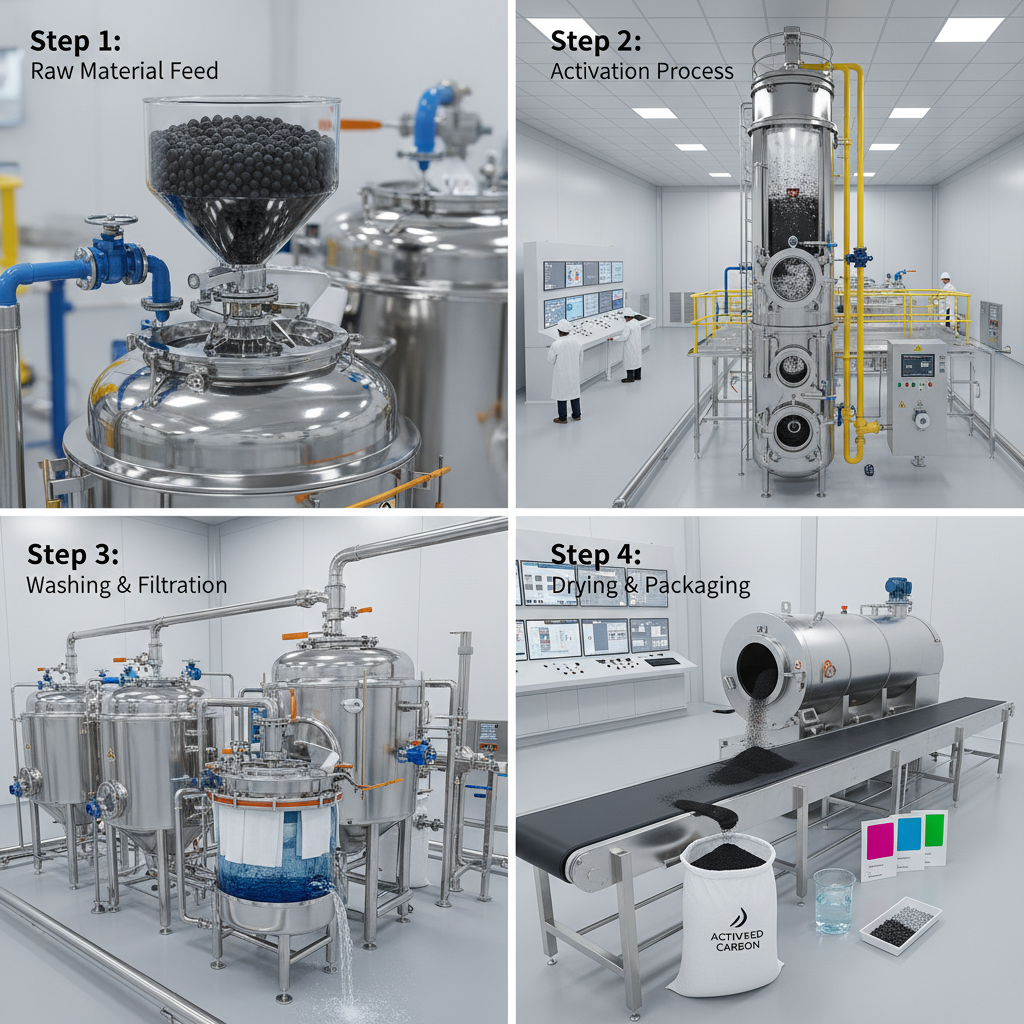
Chemical activated carbon is created through a two-step process: first, a carbonaceous source material (such as coal, wood, coconut shell, or petroleum pitch) is carbonized to create a basic carbon structure. Then, this carbonized material undergoes a chemical activation process, typically using acids, bases, or salts, to enhance its porosity and surface area. This results in a highly porous material with an enormous surface area – typically ranging from 500 to 2500 m²/g – making it incredibly effective at adsorbing a wide range of molecules. The resulting product exhibits superior adsorption capacity compared to non-activated carbon.
Key Highlights: Superior adsorption capacity, high porosity, versatile application, cost-effective purification solution.
The Chemical Activation Process Explained
The chemical activation process is crucial in determining the final characteristics of the activated carbon. Different activating agents lead to different pore structures and adsorption properties. For example, phosphoric acid activation typically results in a carbon with a high proportion of micropores (pores less than 2 nm in diameter), which are ideal for adsorbing small molecules. Potassium hydroxide activation, on the other hand, can create a wider range of pore sizes, making it suitable for adsorbing larger molecules. The specific chemical used and the activation conditions (temperature, time, concentration) are carefully controlled to produce activated carbon optimized for a particular application. SDJZ Chemical meticulously controls these parameters to deliver consistent, high-performance activated carbon.
Chemical Activation Benefits:
• Higher surface area development
• Lower activation temperatures
• Enhanced pore structure control
• Tailored adsorption properties
Applications of Chemical Activated Carbon
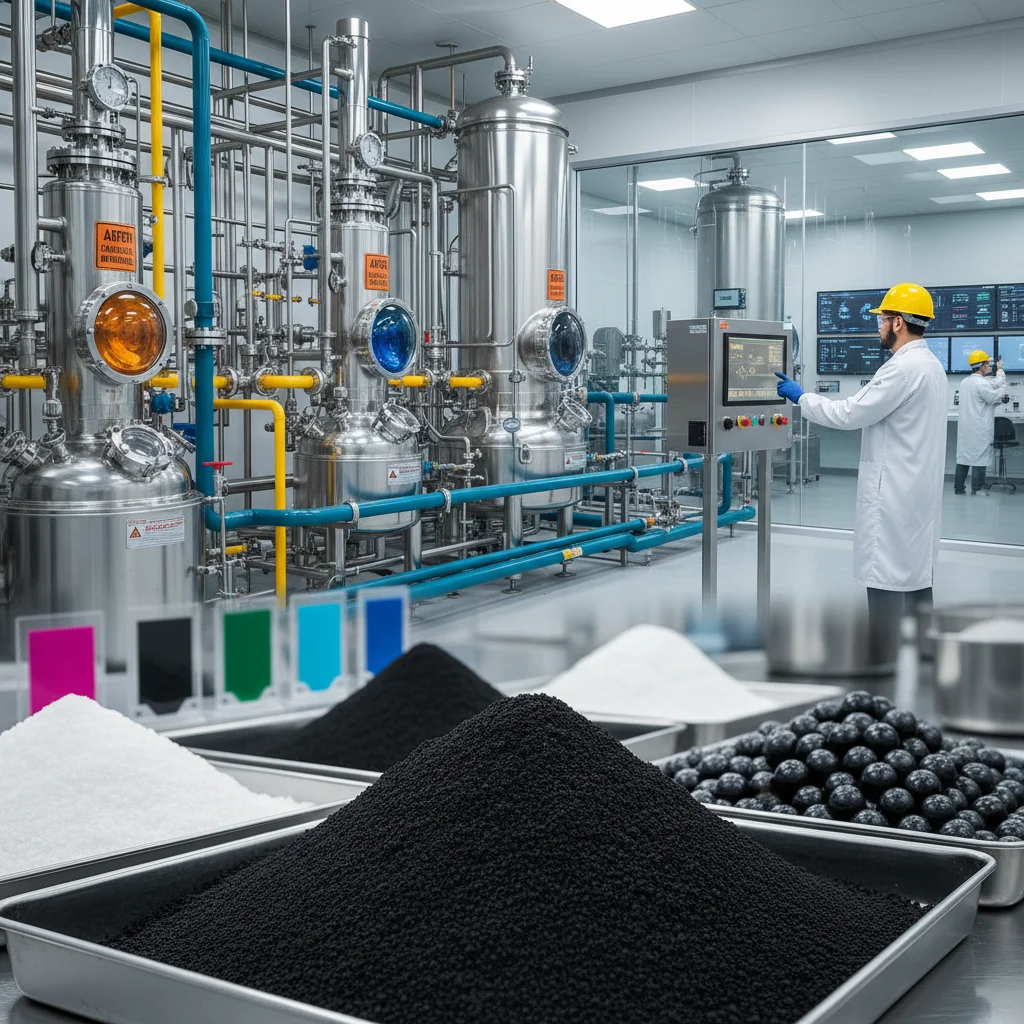
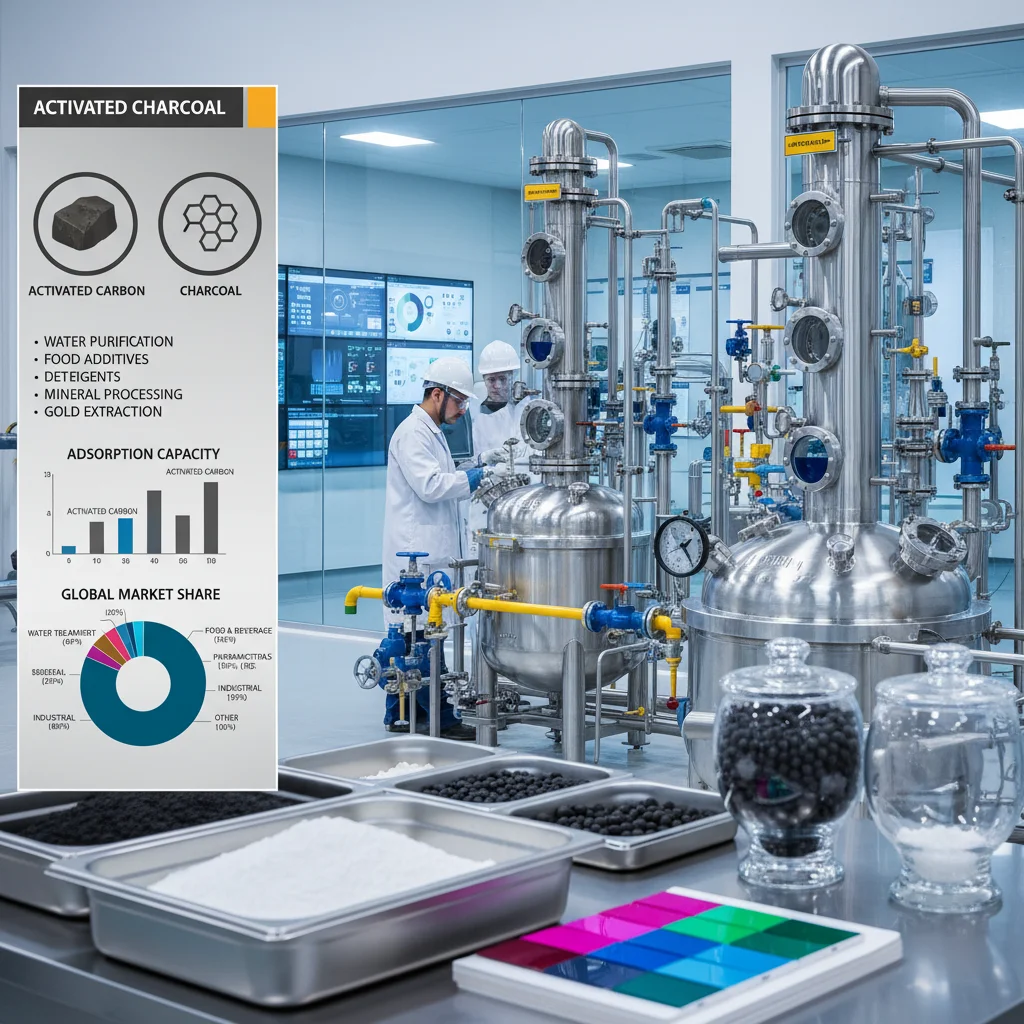
The applications of chemical activated carbon are extensive. It's widely used in water treatment to remove chlorine, sediment, volatile organic compounds (VOCs), taste, and odor. In the air purification sector, it's used to control emissions from industrial processes, remove odors, and improve air quality in HVAC systems. Food and beverage industries utilize activated carbon for decolorization, purification, and removing unwanted tastes and odors. Other applications include pharmaceutical purification, gas storage, solvent recovery, and catalyst support. SDJZ Chemical offers activated carbon solutions tailored to each of these diverse applications.
Product Specifications & Types
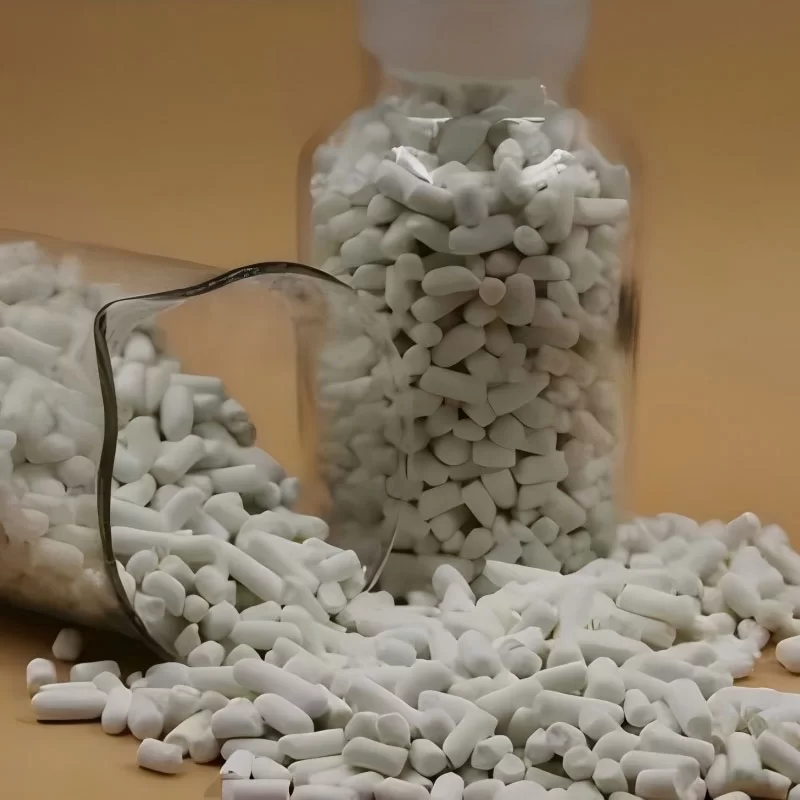
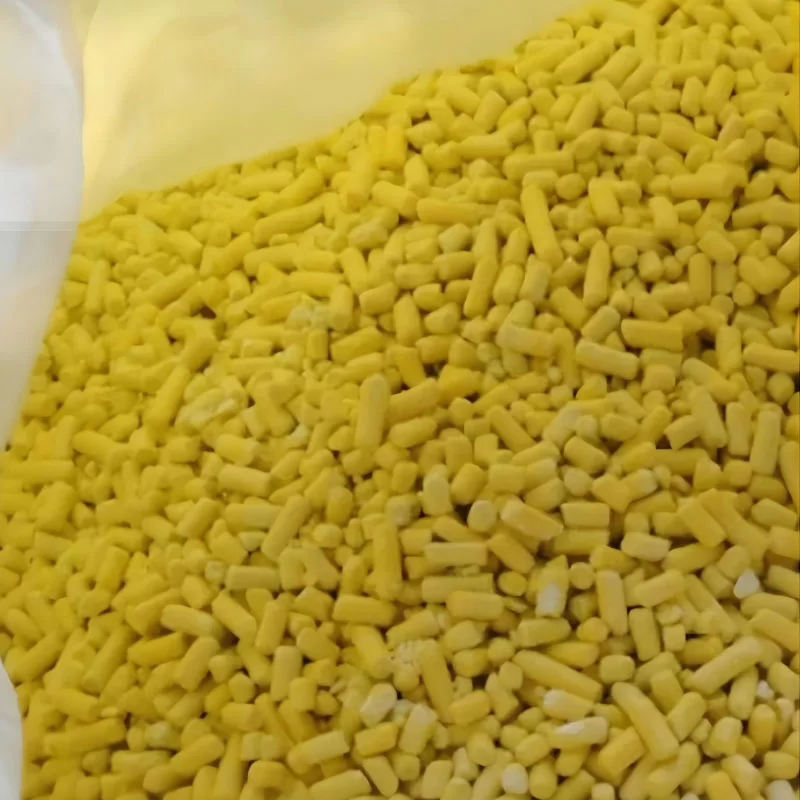
At SDJZ Chemical, we offer a wide range of chemical activated carbon products tailored to meet diverse industry needs. Our offerings include powdered activated carbon (PAC), granular activated carbon (GAC), and extruded activated carbon (EAC), each with unique characteristics and applications. Below is a sample specification table:
Conclusion: Reliable Purification with SDJZ Chemical
Investing in high-quality chemical activated carbon from a trusted supplier like SDJZ Chemical is a crucial step towards effective purification and a safer, more efficient operation. Our commitment to quality, customization, and reliable supply makes us the ideal partner for businesses across a wide range of industries. Contact us today to discuss your specific needs and discover how our activated carbon solutions can benefit your application.
Frequently Asked Questions (FAQs)
How do I choose the right type of activated carbon for my application?
Selecting the right activated carbon depends on several factors, including the type of contaminant you need to remove, the concentration of the contaminant, and the operating conditions (temperature, pH, flow rate). Powdered activated carbon (PAC) is generally used for batch treatment processes and is effective at removing a wide range of contaminants. Granular activated carbon (GAC) is suitable for continuous flow systems and is often used in water filters. Extruded activated carbon (EAC) is commonly used in air purification systems due to its low pressure drop. At SDJZ Chemical, we offer expert consultation to help you choose the optimal activated carbon for your specific needs.
Can activated carbon be regenerated and reused?
Yes, in many cases, activated carbon can be regenerated and reused, which can significantly reduce operating costs. Regeneration typically involves removing the adsorbed contaminants through thermal oxidation or chemical treatment. However, the effectiveness of regeneration depends on the type of contaminant and the regeneration method used. After several regeneration cycles, the activated carbon's adsorption capacity may decline, and it may need to be replaced.
What safety precautions should I take when handling activated carbon?
Activated carbon dust can be irritating to the skin, eyes, and respiratory system. It's essential to wear appropriate personal protective equipment (PPE) such as gloves, safety glasses, and a dust mask when handling activated carbon. Avoid creating dust during handling and ensure adequate ventilation. Refer to the Material Safety Data Sheet (MSDS) for detailed safety information.
What is the shelf life of activated carbon?
Activated carbon has a long shelf life when stored properly in a dry, sealed container away from direct sunlight and contaminants. However, over time, it can slowly lose its adsorption capacity due to oxidation. It’s recommended to use activated carbon within 2 years of purchase for optimal performance.