Exploring the Versatility of Activated Carbon Activated Carbon for Industrial Solutions
Activated Carbon: A Comprehensive Guide to Uses and Benefits
Activated carbon is a highly versatile material with a vast range of applications across numerous industries. Its exceptional adsorption properties make it invaluable in purification, filtration, and various chemical processes. This article will explore the production, types, and diverse uses of activated carbon, highlighting its importance in modern technology and environmental solutions. Understanding its functionalities is crucial for optimizing its use in both industrial and consumer applications. We’ll delve into how SDJZ Chem can provide you with the highest quality activated carbon for your needs.
What is Activated Carbon and How is it Made?
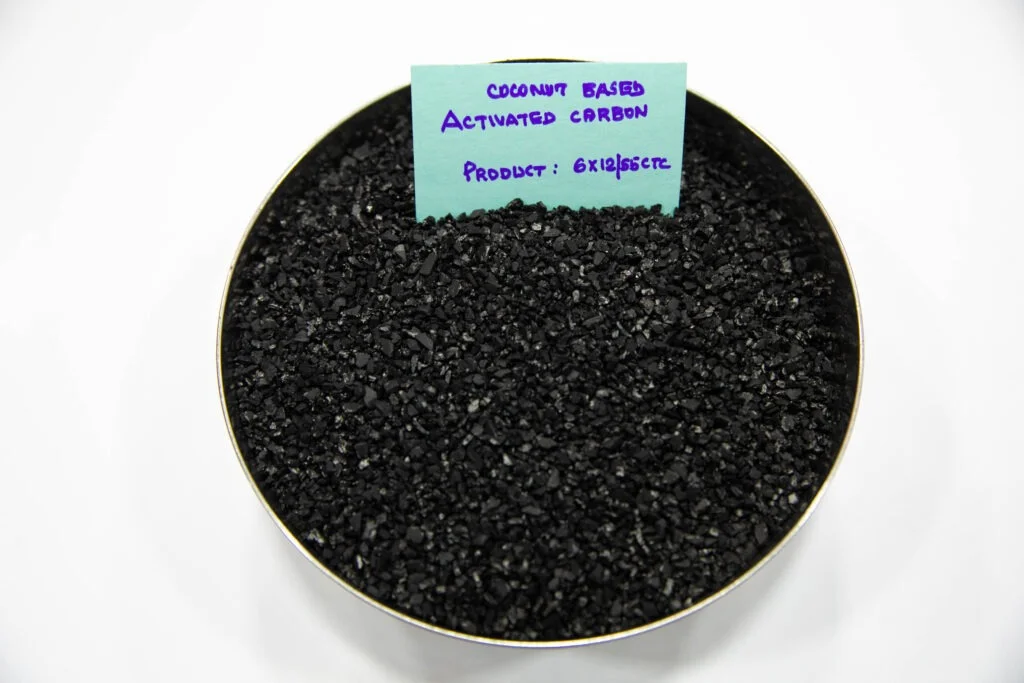
Activated carbon, also known as activated charcoal, is a form of carbon processed to have small, low-volume pores that increase the surface area available for adsorption. This incredible surface area—often exceeding 500 m²/g—is what gives activated carbon its powerful adsorption capabilities. The process begins with a carbon-rich source material, such as coal, wood, coconut shell, or peat. These materials undergo a two-stage process: carbonization and activation. Carbonization involves heating the material in the absence of oxygen, creating char. Activation then introduces an oxidizing agent, like steam or carbon dioxide, to create the porous structure. Different activation methods result in variations in pore size and structure, impacting the type of molecules the carbon can effectively adsorb. SDJZ Chem specializes in providing activated carbon produced with precision to meet specific application requirements.
Key Highlights: The remarkable adsorptive capacity stems from its vast internal surface area, created through carbonization and activation processes. Different source materials and activation techniques lead to diverse pore structures.
Types of Activated Carbon and Their Applications
Activated carbon isn't a one-size-fits-all material. It comes in various forms tailored to specific applications. These include:
- Powdered Activated Carbon (PAC): Used extensively in water treatment, food and beverage processing, and pharmaceutical applications.
- Granular Activated Carbon (GAC): Ideal for water filtration, air purification, and solvent recovery systems due to its larger particle size and longer contact time.
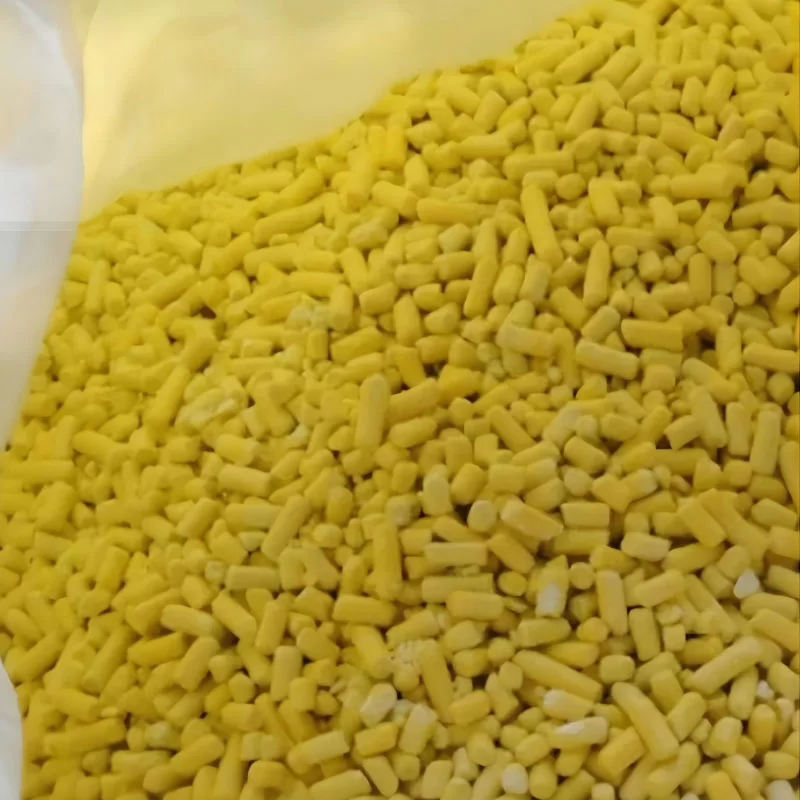
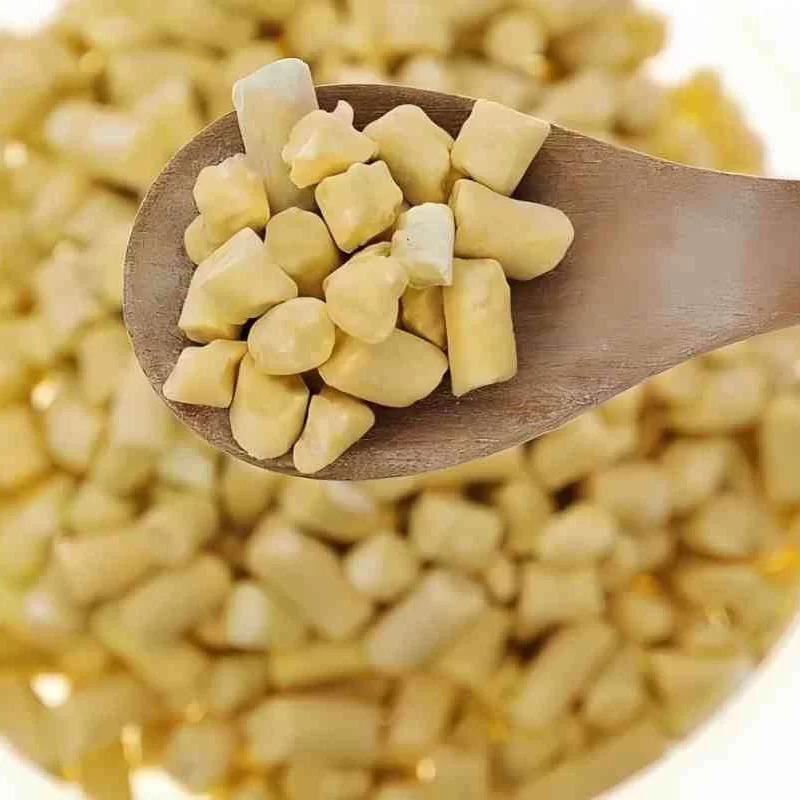
- Extruded Activated Carbon: Commonly used in gas phase applications like odor control, VOC removal, and catalyst support.
- Impregnated Activated Carbon: Modified with chemicals to enhance its ability to adsorb specific contaminants, often used for specialized air purification.
The choice of activated carbon type depends largely on the target contaminant, the application environment, and required performance characteristics. SDJZ Chem provides a comprehensive range of these types, ensuring you find the perfect fit for your project.
Key Types of Activated Carbon:
• Powdered Activated Carbon (PAC)
• Granular Activated Carbon (GAC)
• Extruded Activated Carbon
• Impregnated Activated Carbon
Activated Carbon Applications: A Comparative Overview
The versatility of activated carbon leads to its application in numerous sectors. Here's a comparative overview:
Product Specifications & Quality Control
SDJZ Chem maintains rigorous quality control standards throughout the production process. Here’s a sample of our specifications:
Conclusion: Harnessing the Power of Activated Carbon with SDJZ Chem
Choosing the right activated carbon is vital for optimal performance and efficiency. SDJZ Chem offers a diverse portfolio of high-quality activated carbon products, coupled with expert technical support to help you select the best solution for your specific needs. From water purification to air filtration and beyond, we are committed to delivering superior products and exceptional service.
Frequently Asked Questions (FAQs)
What is the difference between activated carbon and charcoal?
While both activated carbon and charcoal come from carbon-based materials, they differ significantly in their properties and applications. Charcoal is created through simple burning, resulting in a relatively low surface area. Activated carbon, on the other hand, undergoes a further activation process to dramatically increase its surface area and enhance its adsorption capabilities. This makes activated carbon far more effective at removing impurities and contaminants than standard charcoal. Think of charcoal as the starting material and activated carbon as a refined, high-performance version.
How long does activated carbon remain effective?
The effectiveness of activated carbon diminishes over time as its adsorption sites become saturated with contaminants. The lifespan depends on the concentration of contaminants, the flow rate, and the type of activated carbon used. Regular monitoring and replacement are essential. Indicators of saturation include a decrease in adsorption capacity, breakthrough of contaminants, and changes in effluent quality. SDJZ Chem offers regeneration services and guidance on determining the optimal replacement schedule.
Can activated carbon be regenerated and reused?
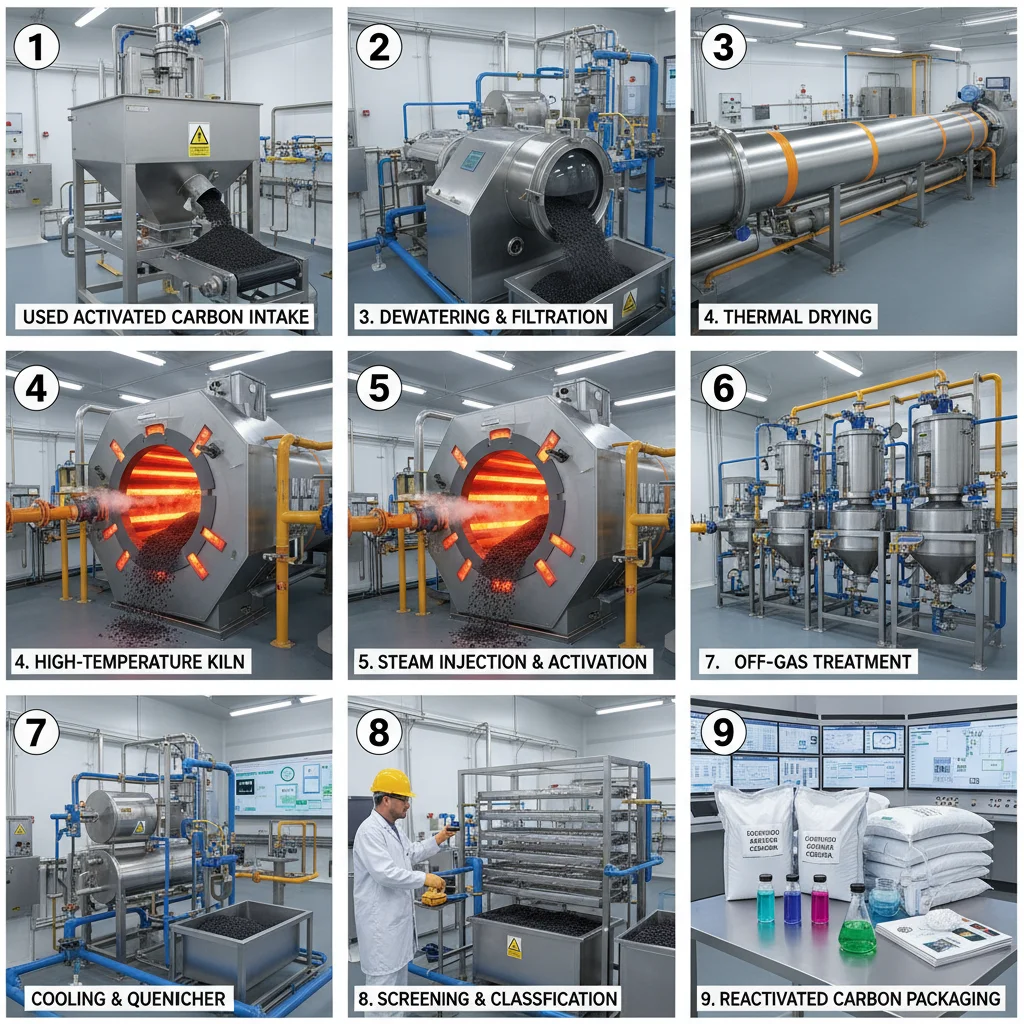
Yes, in many cases, activated carbon can be regenerated, extending its lifespan and reducing waste. Regeneration involves removing the adsorbed contaminants from the carbon’s surface. Common regeneration methods include thermal regeneration (heating to high temperatures) and chemical regeneration (using solvents to desorb contaminants). However, regeneration isn’t always feasible or cost-effective, depending on the type of contaminants and the carbon’s condition. SDJZ Chem offers regeneration services to help clients maximize the value of their activated carbon.
Is activated carbon environmentally friendly?
Activated carbon itself is generally considered environmentally friendly, as it’s derived from renewable resources like coconut shells and wood. It plays a crucial role in environmental protection by removing pollutants from water and air. However, the production process can have environmental impacts, particularly regarding energy consumption and waste generation. SDJZ Chem is committed to sustainable manufacturing practices to minimize our environmental footprint and offer responsibly sourced activated carbon solutions.