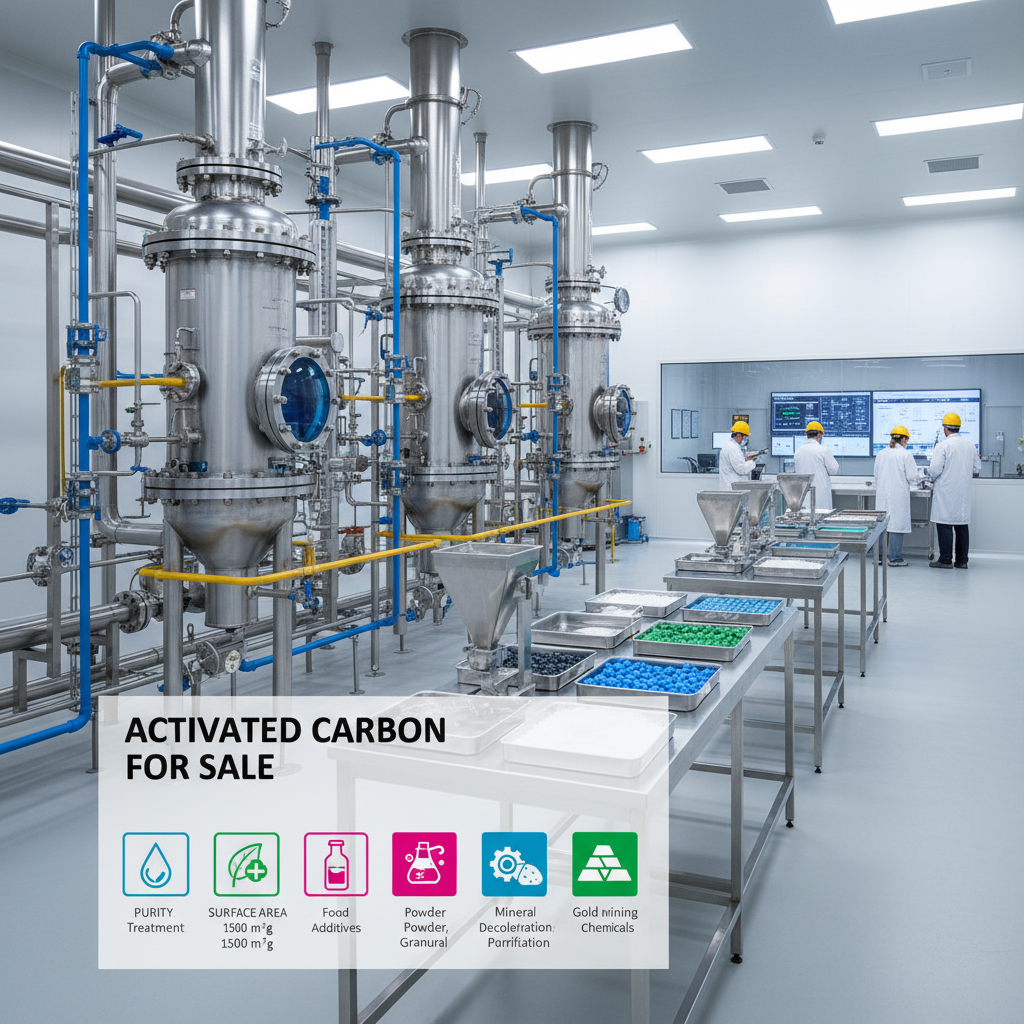
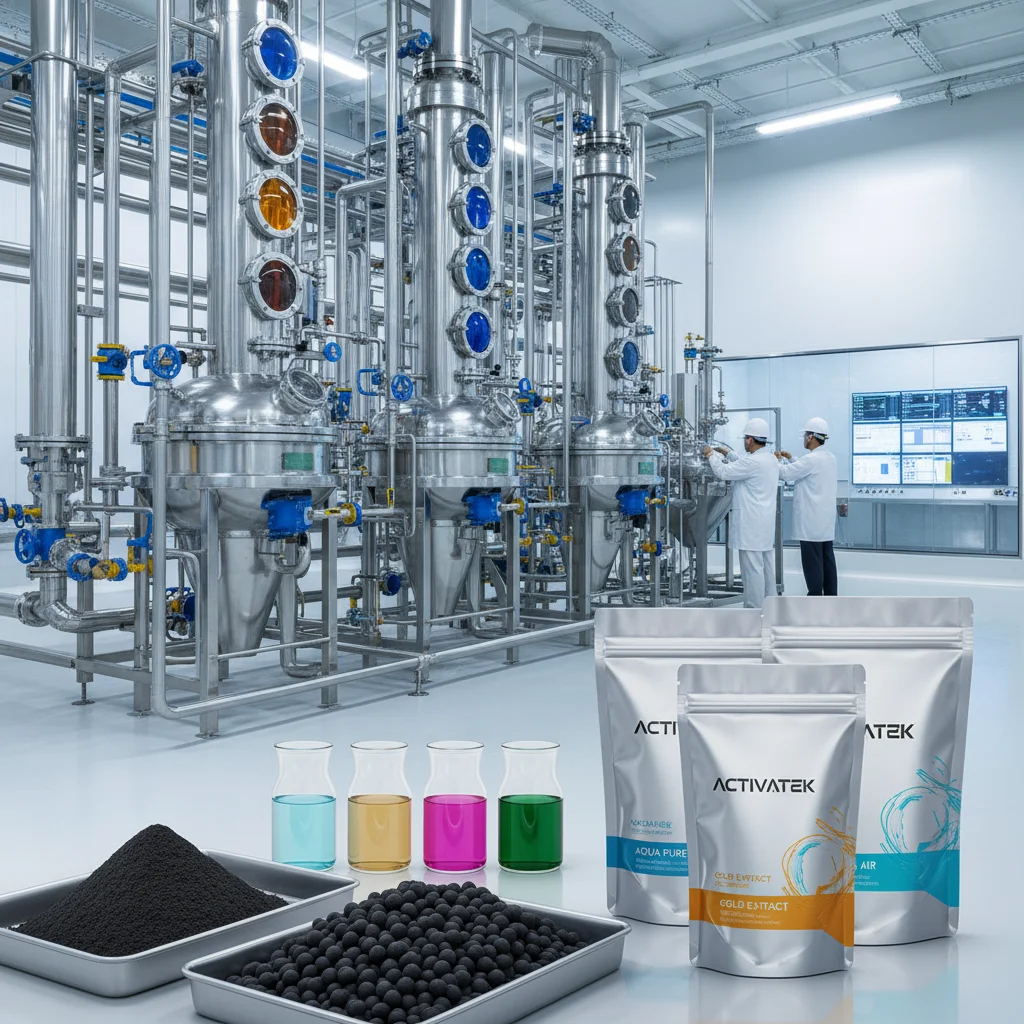
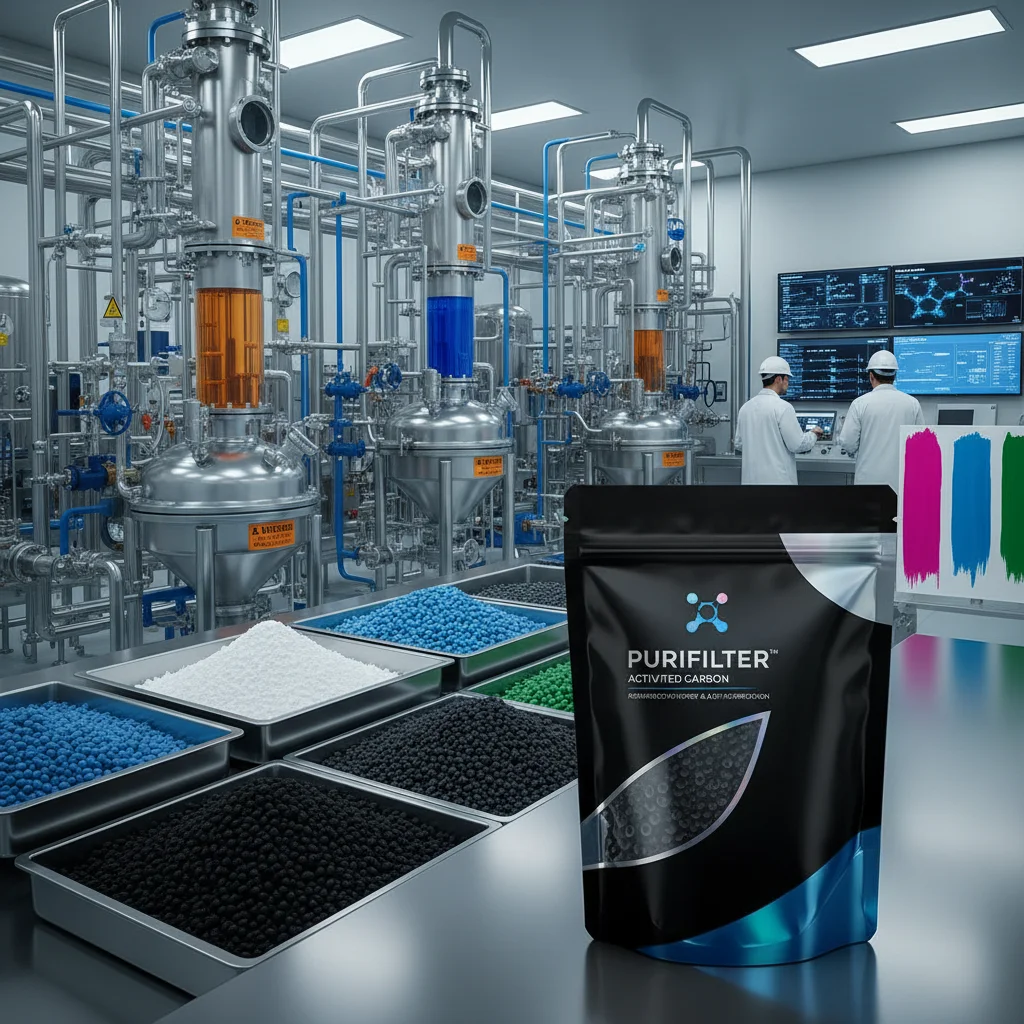
Activated carbon for sale is a crucial component in a vast array of industries and applications, ranging from water purification and air filtration to medical treatments and food processing. Its exceptional adsorption capabilities, stemming from its large surface area and porous structure, make it an indispensable material for removing contaminants and improving product quality. Understanding the nuances of activated carbon – its types, production methods, and applications – is paramount for professionals and organizations seeking effective and sustainable solutions.
The global market for activated carbon is experiencing significant growth, driven by increasing environmental regulations, rising concerns over water scarcity, and the expanding demand for cleaner air. According to recent reports, the activated carbon market is projected to reach multi-billion dollar valuations in the coming years. This expansion underscores the vital role activated carbon plays in addressing pressing global challenges and highlights the opportunities for innovation and investment in this field. Finding a reliable supplier for activated carbon for sale is becoming increasingly important.
This detailed exploration will delve into the core aspects of activated carbon for sale, covering its definition, key factors influencing its performance, diverse applications, long-term advantages, future trends, and potential challenges. The goal is to provide a comprehensive understanding of this versatile material and its potential to contribute to a more sustainable and healthy future.
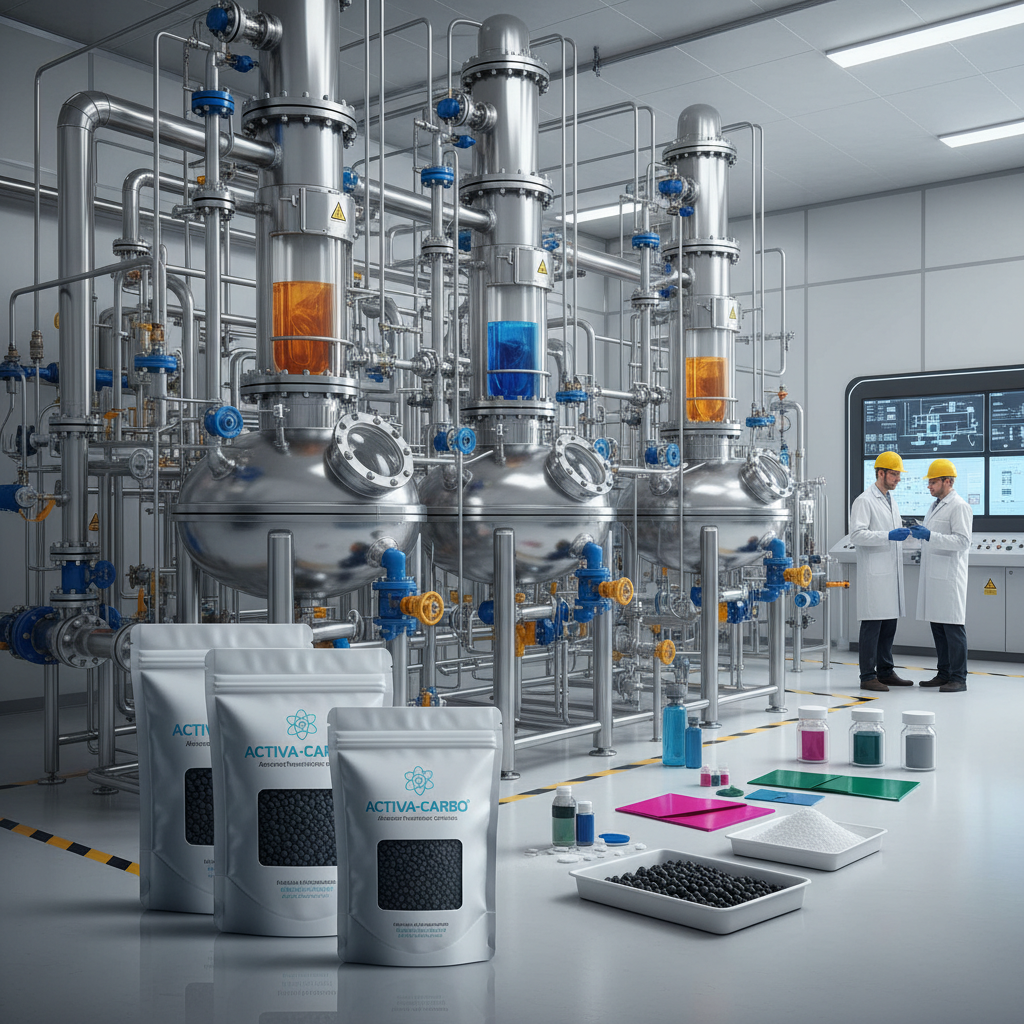
Introduction to Activated Carbon for Sale
Activated carbon for sale isn't merely a product; it represents a solution to countless environmental and industrial challenges. From ensuring potable water supplies to enhancing the safety of industrial processes, activated carbon plays a critical, often unseen, role. The demand for high-quality activated carbon continues to rise, necessitating a thorough understanding of its characteristics and sourcing options.
The availability of diverse types of activated carbon – powdered, granular, extruded, and impregnated – offers tailored solutions for specific applications. Selecting the right type of activated carbon for sale requires careful consideration of factors like particle size, pore structure, and surface chemistry. Understanding these properties allows for optimized performance and cost-effectiveness.
The Global Relevance of Activated Carbon
The need for effective purification and filtration technologies is a global concern, driving the demand for activated carbon across numerous countries and industries. Developing nations often rely on activated carbon for basic water treatment, while industrialized countries utilize it for more sophisticated applications like air pollution control and pharmaceutical manufacturing. The United Nations and various environmental agencies advocate for the widespread adoption of activated carbon technologies to achieve sustainable development goals.
Globally, the water and wastewater treatment sector is the largest consumer of activated carbon, accounting for a substantial portion of the overall market. However, applications in the food and beverage industry, pharmaceutical industry, and automotive industry are also significant and growing. The ISO standards related to activated carbon quality and performance are increasingly stringent, reflecting the growing emphasis on product reliability and environmental responsibility.
Addressing industrial pollution and ensuring access to clean water are pressing global challenges. Activated carbon for sale offers a viable and cost-effective solution for these problems, making it a critical component of sustainable infrastructure and environmental protection initiatives worldwide. Suppliers offering consistent quality and reliable delivery are essential for meeting this growing demand.
Defining Activated Carbon for Sale
Activated carbon for sale is a form of carbon processed to have small, low-volume pores that increase the surface area available for adsorption or chemical reactions. This process typically involves heating carbonaceous source materials (like coal, wood, coconut shell, or petroleum pitch) to high temperatures and activating them with gases like steam or carbon dioxide. The resulting material possesses an exceptionally high surface area – often exceeding 500 m²/g – making it incredibly effective at trapping impurities.
The connection between activated carbon and modern industry, or even humanitarian needs, is profound. In industrial settings, it’s used to purify feedstocks, recover valuable solvents, and control emissions. In humanitarian contexts, it's often deployed in portable water filters to provide safe drinking water in disaster-stricken areas or communities lacking access to clean water sources. The simple accessibility of activated carbon for sale can be lifesaving.
Essentially, activated carbon acts like a molecular sponge, selectively attracting and holding onto contaminants. The adsorption process, driven by Van der Waals forces and other intermolecular interactions, allows activated carbon to remove a wide range of substances, including organic compounds, chlorine, odors, and heavy metals, making it invaluable for a diverse range of applications.
Key Factors Influencing Activated Carbon Performance
The effectiveness of activated carbon for sale is dictated by several key factors. Pore size distribution is paramount – micropores (diameter < 2 nm) are ideal for adsorbing small molecules, while mesopores (2-50 nm) and macropores (> 50 nm) facilitate access for larger molecules. Surface area, measured in m²/g, directly correlates with adsorption capacity; higher surface area generally means greater efficiency.
Another crucial factor is the activation method used during production. Steam activation typically results in a broader pore size distribution, while chemical activation tends to produce a more controlled pore structure. The source material also impacts performance; coconut shell-based activated carbon often exhibits superior hardness and pore structure compared to coal-based varieties.
Performance Metrics for Activated Carbon for Sale
Global Applications and Use Cases
The applications of activated carbon for sale are incredibly diverse. In water treatment, it removes chlorine, sediment, volatile organic compounds (VOCs), taste, and odor. In air purification, it adsorbs pollutants, odors, and harmful gases. The food and beverage industry utilizes it for decolorizing liquids, removing impurities, and improving product quality.
In remote industrial zones, activated carbon is frequently used for wastewater treatment, ensuring compliance with environmental regulations and protecting local ecosystems. In post-disaster relief operations, portable activated carbon filters provide access to safe drinking water for affected populations. The pharmaceutical industry relies on activated carbon for purifying APIs (Active Pharmaceutical Ingredients) and removing unwanted byproducts.
Advantages and Long-Term Value
The advantages of using activated carbon for sale are numerous. It's a cost-effective solution compared to many alternative purification technologies. It's highly versatile, capable of removing a broad spectrum of contaminants. It’s a relatively environmentally friendly material, particularly when sourced from sustainable resources like coconut shells.
From a long-term perspective, investing in activated carbon systems translates to improved public health, reduced environmental impact, and enhanced operational efficiency. The reliability and consistent performance of high-quality activated carbon for sale build trust and ensure long-term sustainability for businesses and communities alike.
Future Trends and Innovations
The future of activated carbon is poised for innovation. Research is focused on developing new activation methods to enhance pore structure and adsorption capacity. Nanotechnology is being explored to create activated carbon composites with tailored properties. The development of bio-based activated carbon from renewable sources like agricultural waste is gaining momentum.
Integrating activated carbon with other technologies, such as membrane filtration and advanced oxidation processes, is also a key trend. Furthermore, the rise of digital monitoring and control systems will allow for optimized activated carbon usage and performance, contributing to more sustainable and efficient operations.
Summary of Activated Carbon for Sale Performance Characteristics
| Carbon Source Material |
Pore Size Distribution |
Adsorption Capacity (mg/g) |
Cost per Kilogram (USD) |
| Coconut Shell |
Narrow, Primarily Micropores |
800-1200 |
$5 - $8 |
| Coal |
Broad, Includes Macro and Mesopores |
500-900 |
$3 - $6 |
| Wood |
Moderate, Balanced Pore Distribution |
600-1000 |
$4 - $7 |
| Petroleum Pitch |
Tailorable, Controlled Pore Structure |
700-1100 |
$6 - $9 |
| Impregnated (Silver) |
Microporous with Silver Nanoparticles |
900-1300 |
$8 - $12 |
| Agricultural Waste |
Variable, Dependent on Waste Type |
400-800 |
$2 - $5 |
FAQS
Lead times vary depending on the quantity and specific type of activated carbon requested. Generally, standard products in stock can be shipped within 3-5 business days. Larger or custom orders may require 2-4 weeks for production and delivery. We prioritize timely order fulfillment and provide transparent communication throughout the process.
We offer a comprehensive range of activated carbon forms, including powdered activated carbon (PAC), granular activated carbon (GAC), extruded activated carbon, and impregnated activated carbon. Each form is suited for different applications based on particle size, pore structure, and specific adsorption requirements. We can assist in selecting the optimal form for your needs.
Activated carbon is carefully packaged to ensure safe transport and prevent contamination. We utilize durable, sealed bags or drums, depending on the quantity and form. Packaging materials comply with relevant safety regulations and are designed to protect the product from moisture, damage, and spillage during transit.
Yes, in many applications, activated carbon can be reactivated through thermal regeneration, restoring its adsorption capacity. However, the effectiveness of reactivation depends on the type of contaminants adsorbed and the reactivation process used. We offer reactivation services and can advise on the feasibility of reactivation for your specific application.
We are committed to delivering high-quality activated carbon that meets rigorous industry standards. Our products are manufactured under strict quality control procedures and are certified to ISO 9001 and other relevant standards. We provide detailed product specifications and analysis reports to ensure transparency and customer confidence.
When stored properly in a dry, sealed container, activated carbon has a very long shelf life—essentially indefinite. However, it can slowly lose adsorption capacity due to humidity and atmospheric contaminants. We recommend storing activated carbon in a cool, dry place away from direct sunlight and strong odors to maintain its optimal performance.
Conclusion
In conclusion, activated carbon for sale represents a vital component in addressing numerous global challenges related to water purification, air quality, industrial processes, and environmental protection. Its exceptional adsorption capabilities, versatility, and cost-effectiveness make it an indispensable material across a wide range of industries. Understanding the factors that influence its performance and the latest innovations in the field is crucial for maximizing its benefits.
Looking ahead, continued research and development will unlock even greater potential for activated carbon, paving the way for more sustainable and efficient solutions. We encourage you to explore our comprehensive range of activated carbon for sale and contact our expert team to discuss your specific requirements. Visit our website today to learn more and find the perfect solution for your needs.