Comprehensive Guide to Activated Carbon Pellets Bulk Sourcing and Applications
Activated Carbon Pellets Bulk: A Comprehensive Guide
Activated carbon pellets, available in bulk quantities, are a versatile adsorbent material used across numerous industries. From water purification to air filtration and beyond, understanding their properties, applications, and sourcing options is crucial. This article will provide a detailed overview of activated carbon pellets, focusing on bulk purchasing and their diverse range of uses. We'll cover key characteristics, benefits, and considerations for selecting the right pellets for your specific needs.
Understanding Activated Carbon Pellets
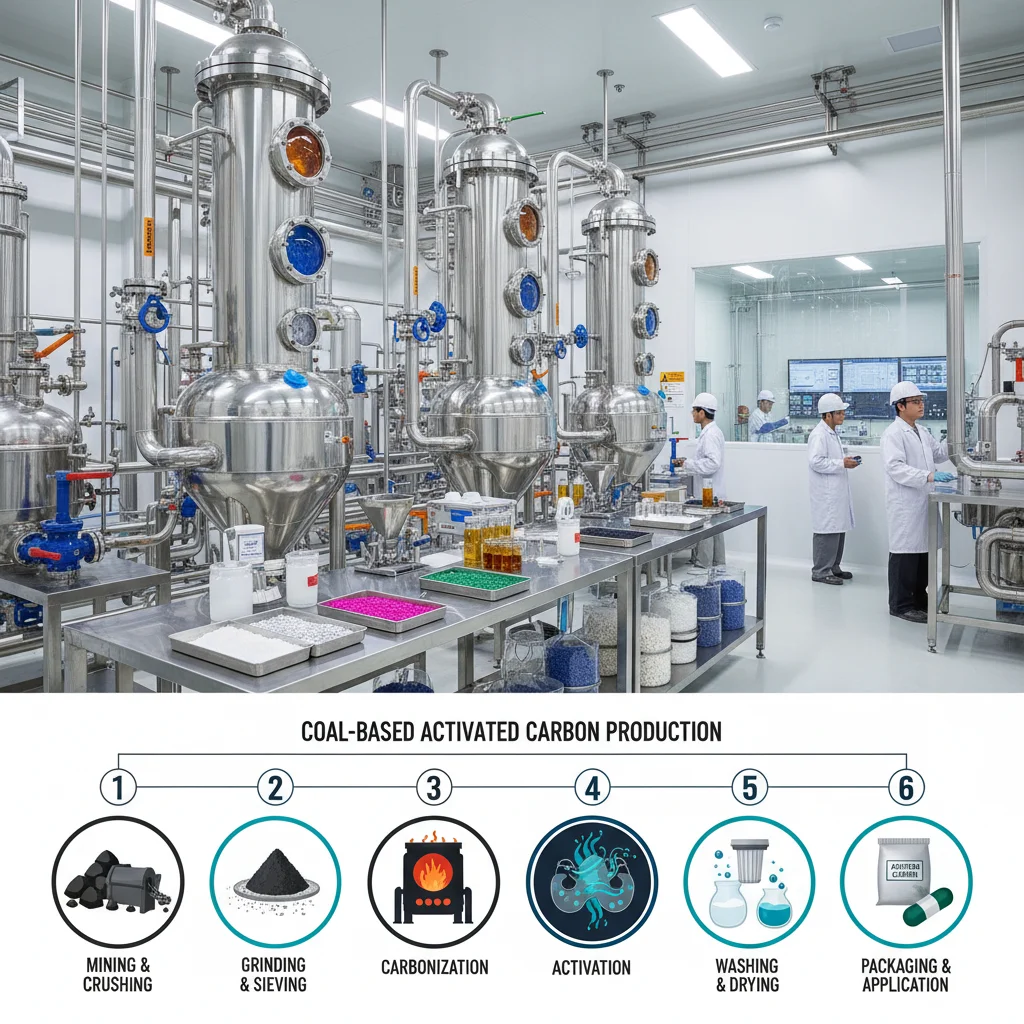
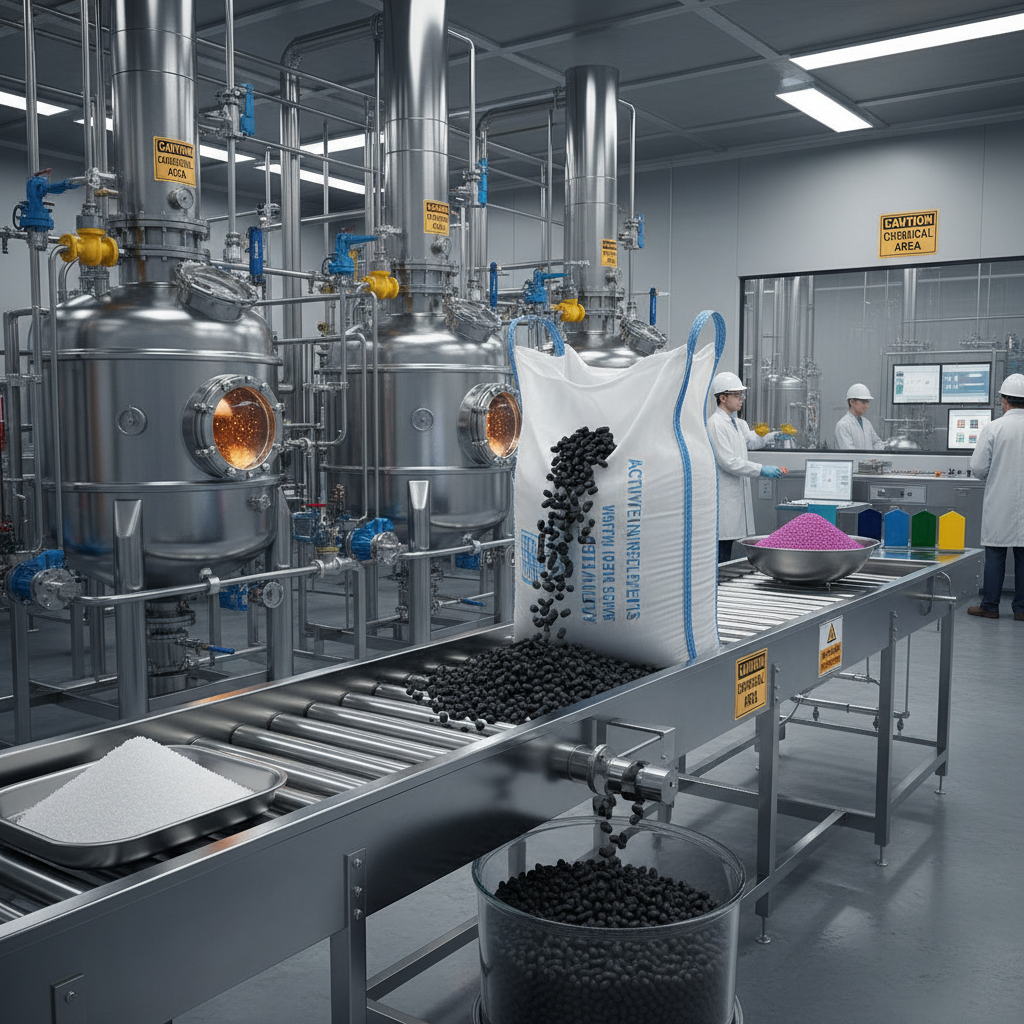
Activated carbon pellets are created by processing carbon-rich materials – like coal, wood, or coconut shells – to develop a highly porous structure. This extensive surface area, ranging from 500 to 2500 m²/g, is what grants activated carbon its exceptional adsorption capabilities. Adsorption isn’t absorption; it's the adhesion of molecules to a surface, making it ideal for removing impurities. The pellet form is particularly advantageous for applications requiring low pressure drop and good fluid flow, such as air purification systems and large-scale water treatment plants. Different activation processes (chemical or physical) lead to varying pore sizes and properties, influencing their effectiveness against different contaminants. Purchasing activated carbon pellets in bulk from reputable suppliers like SDJZ-CHEM ensures consistent quality and performance.
Key Highlights: Highly porous structure offers exceptional adsorption. Pellet form allows for low pressure drop. Consistent quality is vital – source from reliable suppliers.
Applications of Activated Carbon Pellets
The broad range of applications for activated carbon pellets stems from their ability to remove a wide array of contaminants. Common uses include:
- Water Purification: Removing chlorine, sediment, volatile organic compounds (VOCs), taste, and odor.
- Air Purification: Filtering odors, gases, and pollutants from industrial emissions and indoor air.
- Industrial Processes: Decolorizing sugar solutions, purifying chemicals, and recovering solvents.
- Gas Storage: Adsorbing gases like methane for fuel storage.
- Medical Applications: Treating poisoning and overdoses (though this requires specialized medical-grade carbon).
The specific grade and type of activated carbon pellet required will depend on the targeted contaminant and the application's parameters.
Activated Carbon Pellets Bulk: Key Specifications & Grades
When considering activated carbon pellets bulk purchases, understanding key specifications is paramount. Different grades cater to different applications. Here’s a table outlining common specifications:
Sourcing Activated Carbon Pellets in Bulk
When procuring activated carbon pellets in bulk, several factors are crucial. Reliability of the supplier, consistent product quality, competitive pricing, and efficient logistics are paramount. SDJZ-CHEM offers a wide range of activated carbon pellets, tailored to various applications, with a strong focus on quality control and customer satisfaction. We provide detailed product specifications, technical support, and flexible packaging options. Ensure the supplier can provide certificates of analysis (COA) verifying the product's quality and compliance with industry standards.
Conclusion: Choosing the Right Activated Carbon Solution
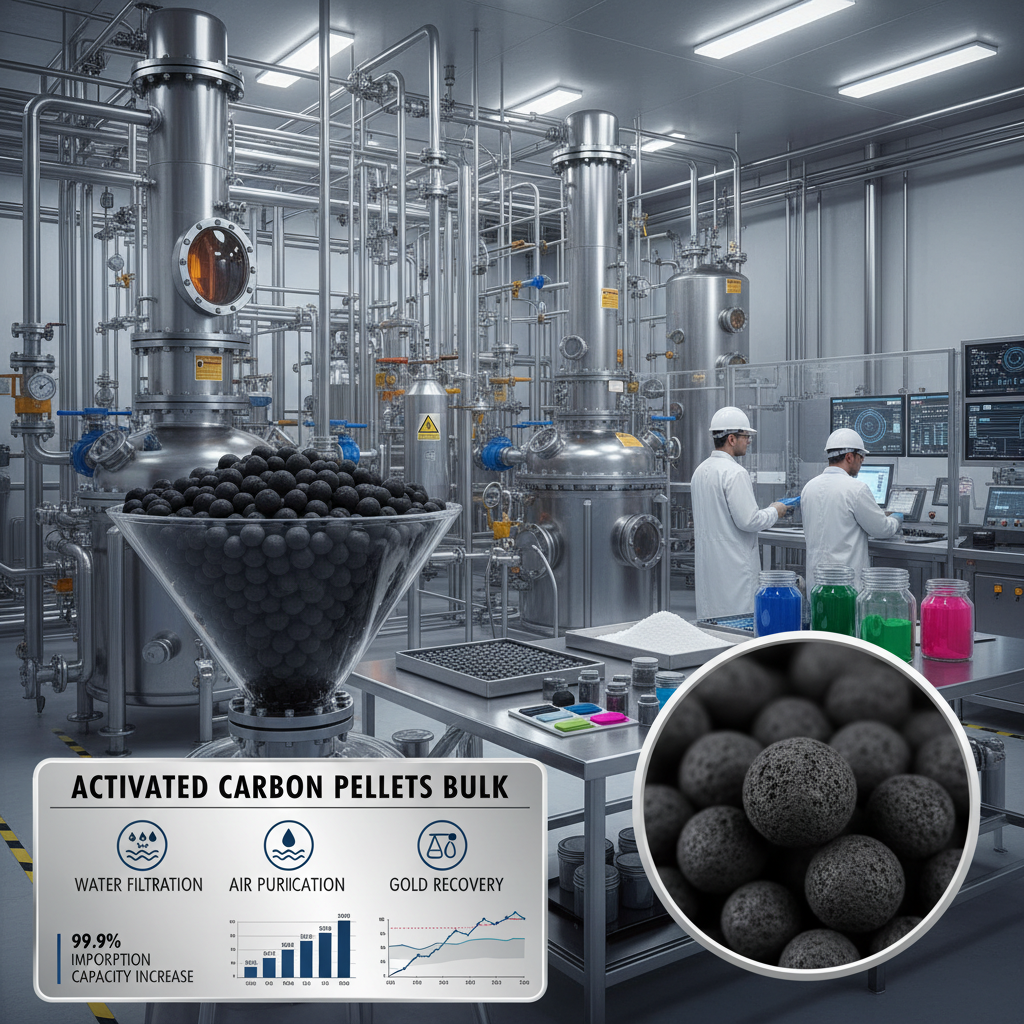
Activated carbon pellets are an indispensable component in numerous industrial and environmental applications. Selecting the correct grade and sourcing from a trusted supplier like SDJZ-CHEM ensures optimal performance and cost-effectiveness. Understanding the specifications, applications, and sourcing considerations outlined in this guide will empower you to make informed decisions for your specific needs.
Frequently Asked Questions (FAQs)
What is the difference between powdered, granular, and pelletized activated carbon?
Powdered activated carbon (PAC) has the smallest particle size and is used for applications requiring rapid adsorption, like emergency water treatment. Granular activated carbon (GAC) has a larger particle size and is commonly used in fixed-bed systems for water and air purification. Pelletized activated carbon offers a good balance of properties; it's larger than GAC but provides lower pressure drop, making it ideal for air filtration and specialized water treatment systems. The choice depends on the specific application and desired adsorption kinetics.
How often should activated carbon be replaced?
The replacement frequency depends on the loading and type of contaminants. Monitoring the effluent quality is crucial. Once the carbon reaches its adsorption capacity – meaning it’s no longer effectively removing contaminants – it needs to be replaced or regenerated. Regeneration, a process of removing adsorbed contaminants, can extend the carbon’s lifespan, but it's not always feasible or cost-effective.
Can activated carbon be regenerated?
Yes, activated carbon can be regenerated, typically through thermal oxidation, which removes adsorbed organic compounds. However, regeneration is not always complete, and each regeneration cycle reduces the carbon's overall adsorption capacity. The cost of regeneration must be weighed against the cost of new carbon. Some specialized carbons cannot be effectively regenerated.
What safety precautions should be taken when handling activated carbon?
Activated carbon dust can be irritating to the respiratory system and skin. Wear appropriate personal protective equipment (PPE), including a dust mask, gloves, and eye protection, when handling the material. Avoid creating dust, and ensure adequate ventilation. Refer to the material safety data sheet (MSDS) for specific handling and safety information.