Find High Quality Activated Carbon for Sale and Comprehensive Solutions
Activated Carbon for Sale: A Comprehensive Guide
Looking for high-quality activated carbon? Whether for water filtration, air purification, or industrial processes, finding a reliable supplier is crucial. This article provides an in-depth look at activated carbon, its uses, types, and how to choose the right product for your needs. We’ll explore the benefits of sourcing from a trusted supplier like SDJZ Chem, and discuss key considerations when making a purchase. SDJZ Chem offers a wide range of activated carbon solutions tailored to various applications.
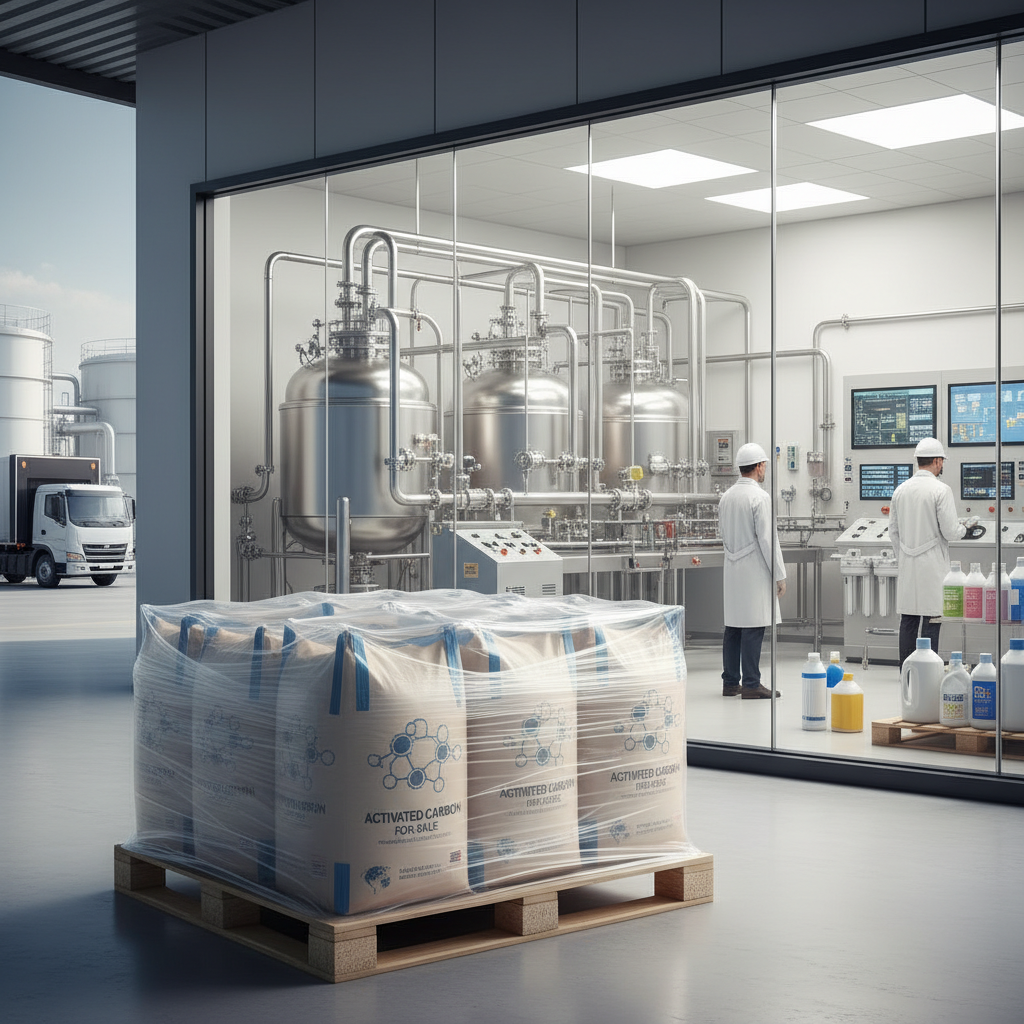
Understanding Activated Carbon: What It Is and How It's Made
Activated carbon is a form of carbon processed to have small, low-volume pores that increase the surface area available for adsorption or chemical reactions. This incredibly high surface area – often exceeding 500 m²/g – is what makes activated carbon so effective at removing impurities. It’s typically derived from carbonaceous source materials like coal, wood, coconut shell, or peat. The activation process, which can be physical (steam activation) or chemical (acid activation), creates this porous structure. Choosing the right source material and activation method significantly impacts the final product’s properties and suitability for specific applications.
Key Highlights: Activated carbon’s effectiveness stems from its vast surface area, allowing for superior adsorption capabilities. Different source materials and activation methods result in varying pore sizes and adsorption characteristics.
Applications of Activated Carbon: A Diverse Range of Uses
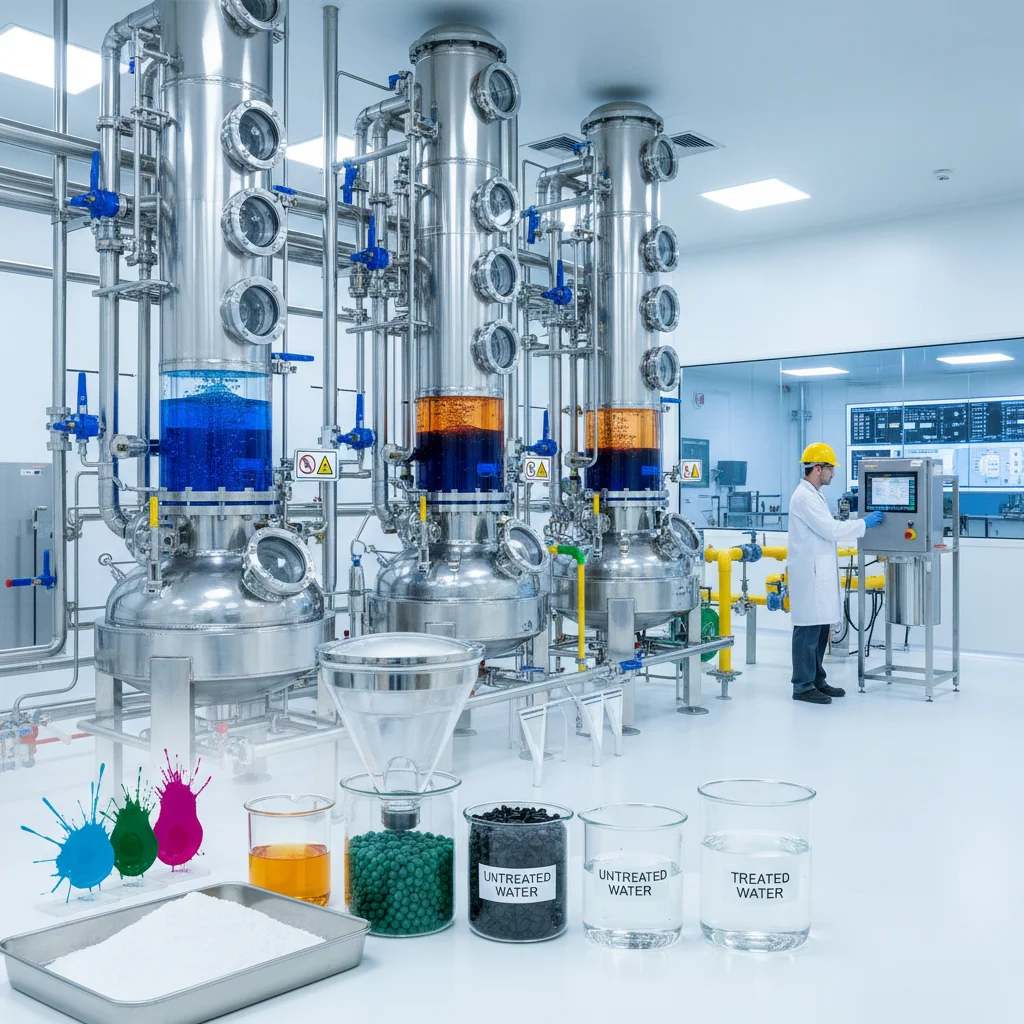
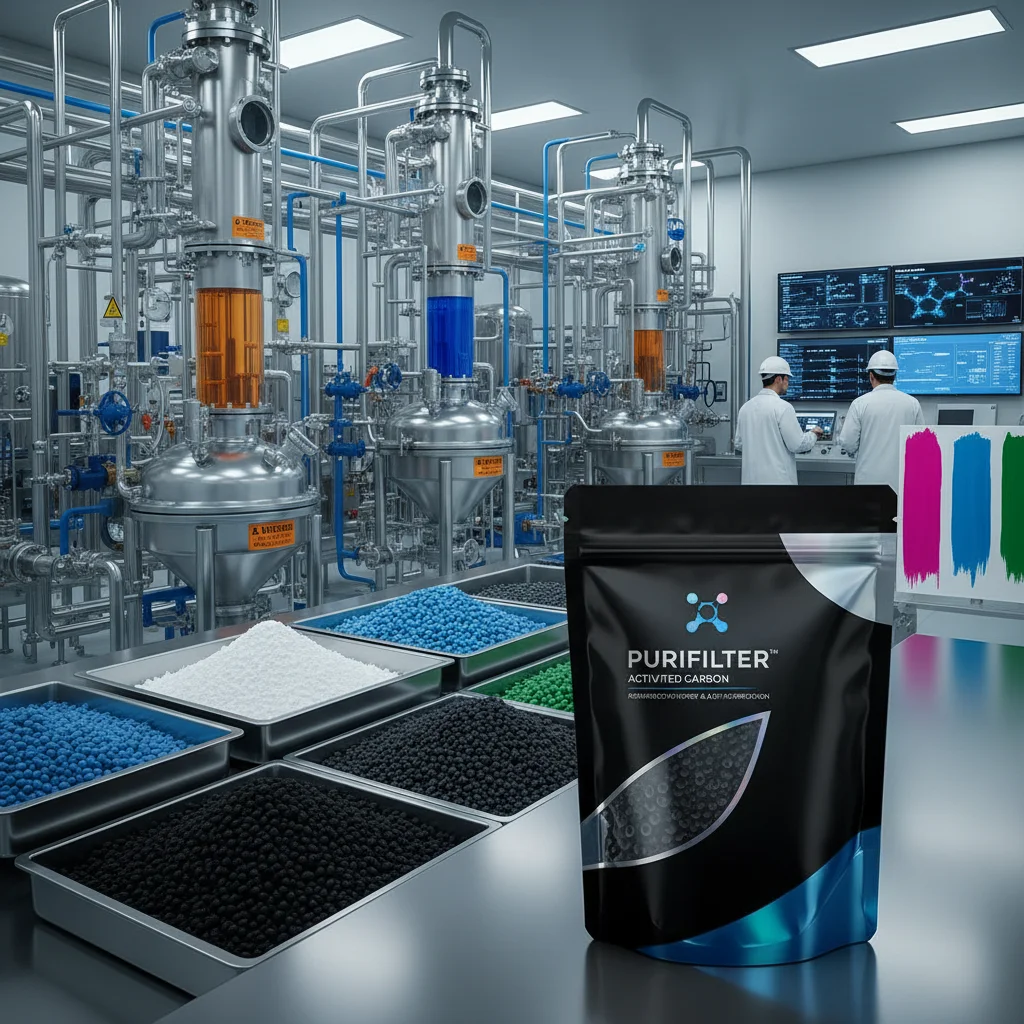
The versatility of activated carbon leads to its use in numerous industries. Some key applications include: water purification (removing chlorine, sediment, and volatile organic compounds), air purification (removing odors, gases, and pollutants), food and beverage processing (decolorizing sugar syrups, removing unwanted tastes), pharmaceutical industry (detoxification), and industrial gas purification. The specific grade and form of activated carbon (powdered, granular, extruded) are chosen based on the application’s requirements. For example, granular activated carbon (GAC) is commonly used in water filters, while powdered activated carbon (PAC) is often used for rapid color removal.
Activated Carbon Applications:
• Water Purification
• Air Purification
• Food & Beverage Processing
• Pharmaceutical Industry
Choosing the Right Activated Carbon for Your Needs
Selecting the appropriate activated carbon depends on the specific application and the contaminants you need to remove. Key factors to consider include: particle size (powdered, granular, extruded), pore size distribution (macro-, meso-, and micropores), hardness, ash content, and iodine number. The iodine number indicates the surface area and adsorption capacity; higher numbers generally mean greater capacity. For water purification, a carbon with a high micropore volume is ideal for removing small organic molecules. SDJZ Chem offers expert guidance to help you select the optimal activated carbon for your requirements.
SDJZ Chem: Your Trusted Source for Activated Carbon
SDJZ Chem is a leading supplier of high-quality activated carbon, offering a comprehensive range of products to meet diverse industrial needs. We are committed to providing exceptional customer service, competitive pricing, and reliable delivery. Our activated carbon undergoes rigorous quality control testing to ensure consistent performance and purity. We also offer custom packaging and tailored solutions to suit your specific requirements.
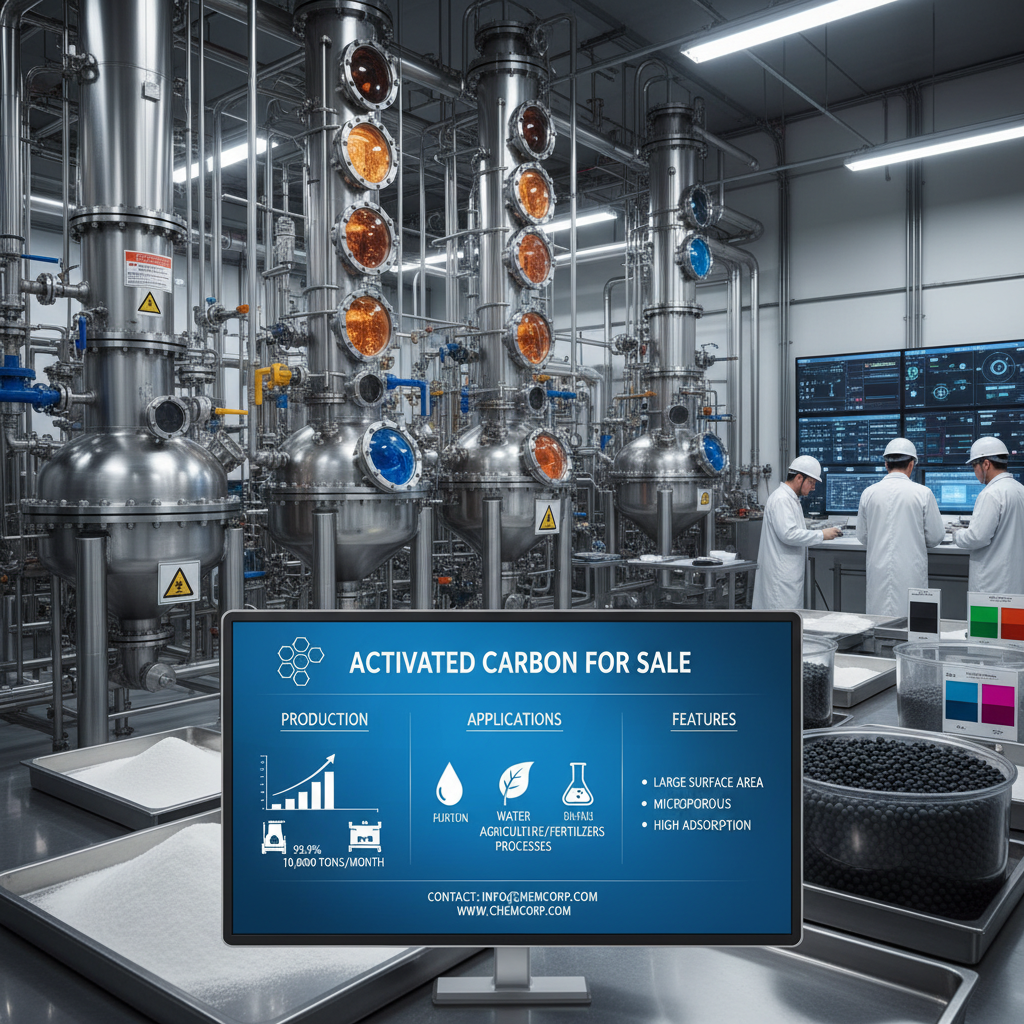
Activated Carbon Product Specifications
Here is a sample specification table of our coal based activated carbon:
Conclusion: Choosing the Right Activated Carbon Partner
Investing in high-quality activated carbon is crucial for optimal performance in various applications. SDJZ Chem offers a wide selection of activated carbon products, expert guidance, and reliable service to ensure you find the perfect solution for your needs. Contact us today to discuss your specific requirements and receive a customized quote.
Frequently Asked Questions (FAQs)
What is the difference between coal-based and coconut shell-based activated carbon?
Coal-based activated carbon typically has a larger pore size distribution and is more cost-effective, making it suitable for applications like water treatment and air purification where a broad range of contaminants needs to be removed. Coconut shell-based activated carbon has a higher density and a more uniform pore structure, particularly with micropores, which makes it ideal for applications requiring high adsorption capacity for smaller molecules, such as decolorizing liquids or purifying specialty chemicals. Both types have their advantages and the optimal choice depends on the specific application and budget.
How is activated carbon regenerated?
Activated carbon can be regenerated through various methods, including thermal regeneration (heating to high temperatures in a controlled atmosphere to remove adsorbed contaminants) and chemical regeneration (using chemicals like acids or bases to desorb contaminants). Thermal regeneration is more common for large-scale applications, while chemical regeneration is often used for specific contaminants. Regeneration restores the adsorption capacity of the carbon, reducing waste and lowering costs. SDJZ Chem offers regeneration services for certain types of activated carbon.
What safety precautions should be taken when handling activated carbon?
Activated carbon dust can be irritating to the respiratory system and eyes. It’s important to wear appropriate personal protective equipment (PPE), including a dust mask, safety glasses, and gloves, when handling activated carbon powder. Avoid creating dust during handling and ensure adequate ventilation. Activated carbon can also absorb oxygen, so it should be stored in a dry, well-ventilated area away from incompatible materials. Always consult the Safety Data Sheet (SDS) for detailed safety information.