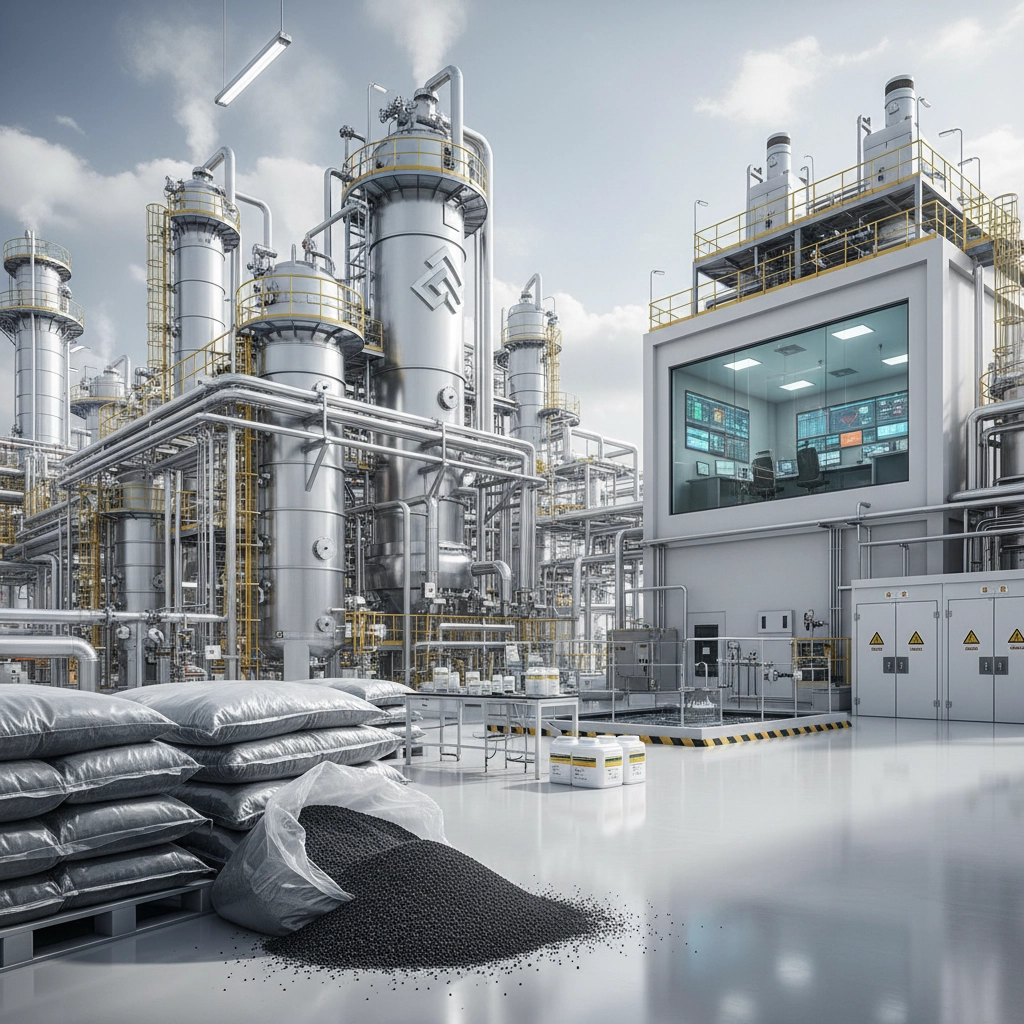
In the demanding landscape of industrial filtration and purification, the ability to reactivate activated carbon represents a critical intersection of economic efficiency and environmental stewardship. As global industries shift toward circular economy models, the process of restoring the adsorptive capacity of spent carbon has evolved from a niche utility to a cornerstone of sustainable chemical management. By removing accumulated contaminants through thermal or chemical means, enterprises can drastically reduce their reliance on virgin raw materials.
The global demand for high-purity water treatment and air purification has surged, placing immense pressure on the supply chains of raw carbon sources. Understanding how to effectively reactivate activated carbon allows operators in sectors ranging from gold mining to pharmaceutical manufacturing to maintain peak operational performance without the prohibitive costs of constant replacement. This practice not only mitigates the waste stream associated with spent adsorbents but also ensures a consistent level of purity in critical industrial processes.
For professionals in the chemical and mineral processing industries, mastering the nuances of carbon regeneration is no longer optional. Whether it is optimizing the removal of organic pollutants or reclaiming precious metals from spent beds, the strategic implementation of technologies to reactivate activated carbon offers a tangible competitive advantage. This guide explores the technical depth, practical applications, and future innovations that define the current state of carbon reactivation.
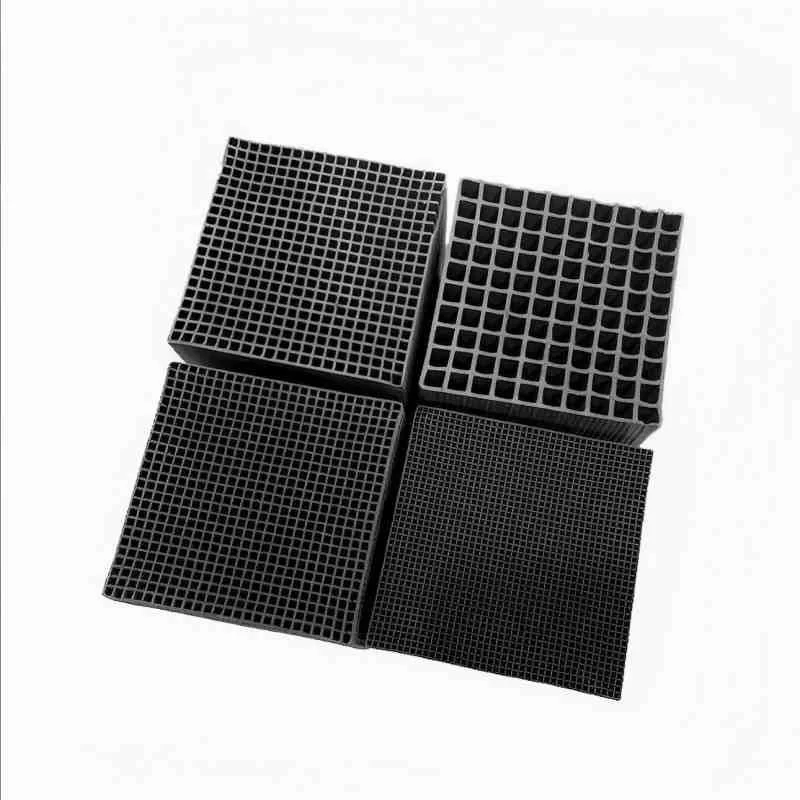
Global Relevance of Reactivating Activated Carbon
From a global perspective, the imperative to reactivate activated carbon is driven by the escalating costs of raw material extraction and stringent environmental regulations. According to ISO environmental standards and various UN sustainability goals, reducing industrial waste is paramount. The disposal of spent activated carbon often presents a hazardous waste challenge, as the adsorbed toxins can leach into groundwater if not handled correctly. By opting for reactivation, industries can close the loop, transforming a potential pollutant back into a high-value asset.
Furthermore, the volatile pricing of coconut shell, coal, and wood-based carbons makes on-site or outsourced regeneration a strategic hedge against supply chain disruptions. In regions like Southeast Asia and North America, where water treatment chemicals and mineral processing reagents are in high demand, the ability to restore carbon beds ensures that critical infrastructure remains operational without waiting for long lead-time shipments of virgin media.
Technical Definition and Industrial Meaning
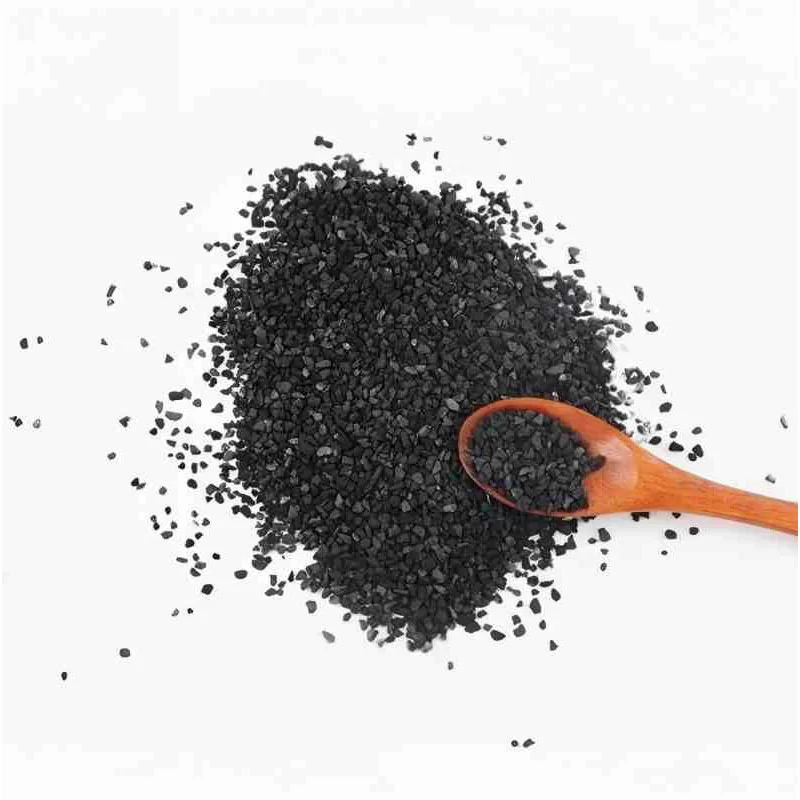
To reactivate activated carbon is to undergo a process of removing adsorbed organic and inorganic compounds from the carbon's internal pore structure, thereby restoring its original adsorptive capacity. Unlike simple washing, true reactivation usually involves high-temperature thermal treatment in a controlled atmosphere—typically steam or an inert gas—which pyrolyzes the adsorbed contaminants and clears the micropores.
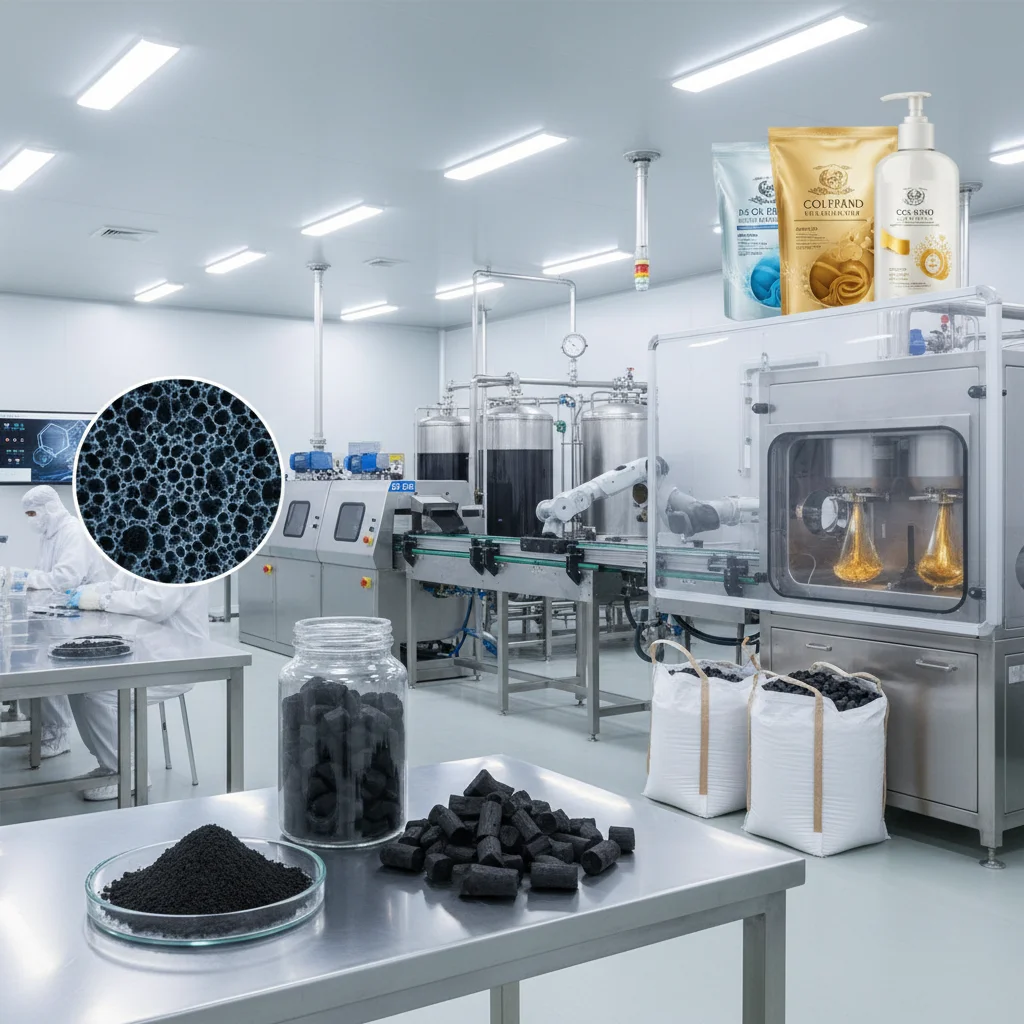
In the context of modern industry, this process is the chemical equivalent of "resetting" a filter. For sectors dealing with detergent chemicals or food additives, where contamination can lead to massive product recalls, the precision of the reactivation process is vital. It ensures that the carbon maintains its surface area and pore volume distribution, which are the primary drivers of its effectiveness in capturing molecular impurities.
Beyond the technicality, this practice represents a shift toward "Green Chemistry." By extending the lifecycle of the carbon media, companies reduce their carbon footprint—both literally and figuratively. The energy required to reactivate carbon is significantly lower than the energy required to produce virgin carbon from raw biomass or mineral ores, making it a cornerstone of eco-efficient industrial design.
Core Factors Influencing Carbon Restoration
The success of the effort to reactivate activated carbon depends heavily on Thermal Stability. Not all carbon bases react the same way to heat; for instance, coconut-shell carbon generally withstands reactivation cycles better than some peat-based alternatives. Maintaining the structural integrity of the carbon skeleton during the heating phase is essential to prevent "burning off" the actual carbon matrix.
Another critical component is Desorption Efficiency, which refers to how completely the adsorbed pollutants are removed. If the reactivation temperature is too low, residual contaminants remain, leading to "premature breakthrough" in the next cycle. Conversely, excessive heat can collapse the micropore structure, reducing the overall surface area available for adsorption.
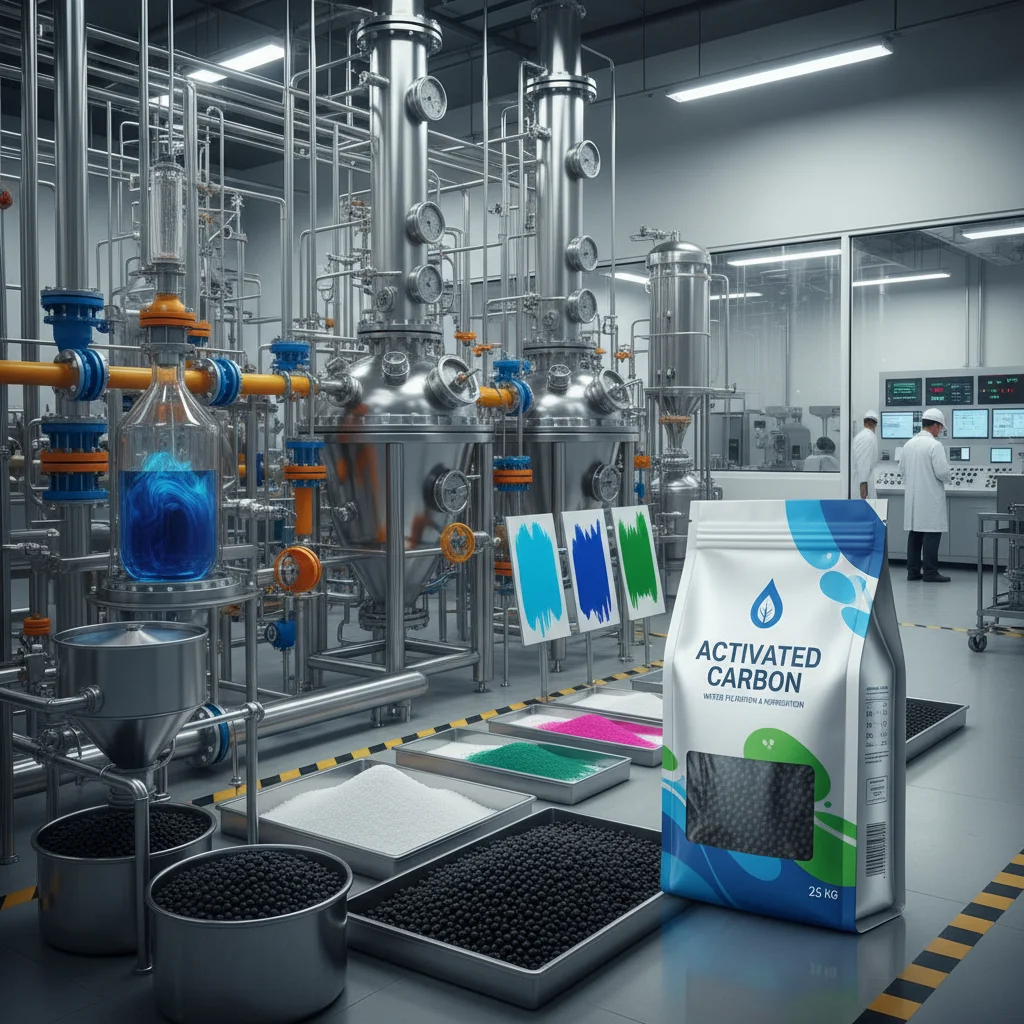
Finally, Cost-Benefit Scalability determines whether a facility should implement on-site reactivation or use a professional service. For gold mining chemicals and water treatment plants with massive carbon footprints, the investment in a rotary kiln or fluidized bed reactor for reactivation often pays for itself within a few years through reduced procurement costs.
Global Applications and Sector Use Cases
The practical application to reactivate activated carbon spans across diverse geographies and industries. In the gold mining sector, specifically in Carbon-in-Pulp (CIP) and Carbon-in-Leach (CIL) processes, carbon is used to adsorb gold-cyanide complexes. The subsequent stripping and reactivation of this carbon are vital for the continuous recovery of precious metals, making it one of the most economically significant use cases of regeneration worldwide.
In urban water treatment plants across Europe and Asia, spent carbon used for removing PFAS (per- and polyfluoroalkyl substances) or chlorine is routinely reactivated. This prevents the accumulation of hazardous chemicals in landfills. Similarly, in the production of food additives, carbon is used to decolorise syrups and oils; reactivating this media ensures that the high-purity standards of food-grade chemicals are met while keeping production costs sustainable.
Efficiency Comparison of Carbon Restoration Methods
Economic Advantages and Long-Term Value
The primary driver for the decision to reactivate activated carbon is the dramatic reduction in Operational Expenditure (OPEX). Virgin activated carbon is an expensive commodity. By restoring spent carbon to 90-95% of its original capacity, companies can reduce their annual carbon procurement budget by up to 50%. This logical financial incentive is often the catalyst for integrating regeneration systems into existing water treatment or mineral processing workflows.
Beyond the balance sheet, there is a profound social and emotional value associated with sustainability. Companies that prioritize carbon reactivation demonstrate a commitment to environmental dignity and innovation. In an era where ESG (Environmental, Social, and Governance) scores influence investor decisions and consumer trust, the move away from "use-and-throw" carbon systems signals a forward-thinking approach to corporate responsibility.
Future Trends in Carbon Regeneration Technology
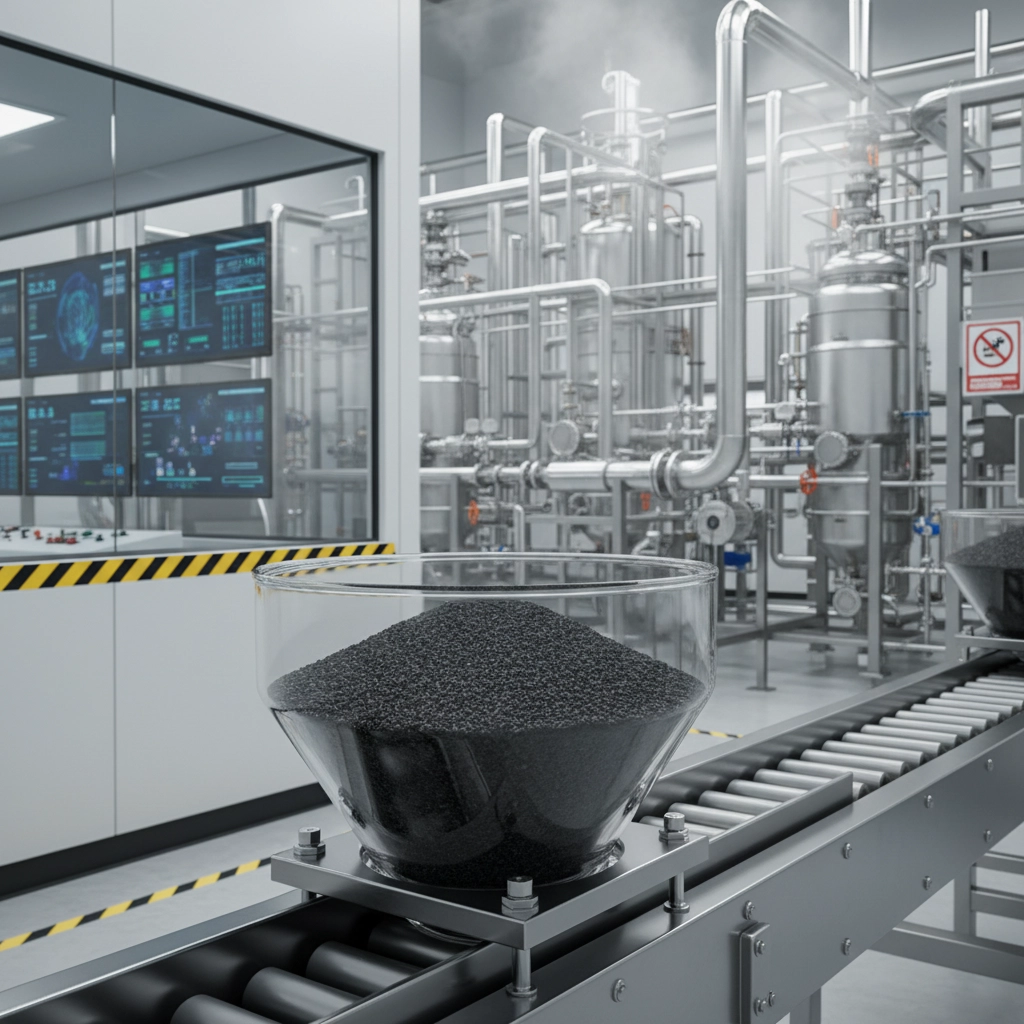
The future of how we reactivate activated carbon is leaning heavily toward digitalization and green energy. We are seeing the emergence of "Smart Kilns" equipped with AI-driven sensors that adjust temperature and steam flow in real-time based on the composition of the spent carbon. This minimizes energy waste and prevents the overheating of the carbon bed, further extending the number of possible reactivation cycles.
Additionally, there is a growing interest in plasma-enhanced regeneration. By using low-temperature plasma, it may be possible to decompose complex organic pollutants without the extreme heat required by traditional thermal kilns. This could revolutionize the treatment of highly toxic industrial waste streams, allowing for faster turnaround times and lower carbon emissions during the process itself.
Sustainability policies are also evolving. We expect to see "Carbon Credits" awarded to industries that can prove a high percentage of carbon reactivation. This will transform a technical necessity into a financial asset, encouraging even smaller enterprises to adopt circular regeneration practices to meet national net-zero targets.
Operational Challenges and Expert Solutions
Despite the benefits, the attempt to reactivate activated carbon is not without hurdles. One of the most common challenges is "pore plugging" by inorganic salts or minerals, which cannot be removed by heat alone. These "dead zones" in the carbon structure reduce the efficiency of subsequent adsorption cycles, eventually necessitating the total replacement of the media.
To overcome this, experts recommend a hybrid approach: a preliminary chemical wash (acid or base treatment) to remove inorganic scales, followed by high-temperature thermal reactivation. This dual-stage process ensures that both the chemical and physical properties of the carbon are restored, maximizing the longevity of the material.
Another challenge is the management of the off-gases produced during pyrolysis. The volatile organic compounds (VOCs) released during the heating phase can be hazardous. The solution lies in the integration of secondary afterburners or scrubbers that treat the exhaust gases, ensuring that the process of cleaning the water or air does not result in the pollution of the atmosphere.
Comparative Analysis of Carbon Reactivation Parameters
| Reactivation Method | Recovery Rate (%) | Energy Intensity | Best Use Case |
|---|
| Thermal Steam | 85-95% | High | General VOC removal |
| Chemical Washing | 40-60% | Low | Inorganic salt removal |
| Fluidized Bed | 90-98% | Moderate | Industrial scale mining |
| Plasma Treatment | 70-85% | Moderate | Specialized toxins |
| Microwave Heating | 60-80% | Medium | Small batch lab use |
| Hybrid Thermal-Chem | 95%+ | High | Complex waste streams |
FAQS
Typically, activated carbon can be reactivated between 5 to 15 times, depending on the base material and the nature of the pollutants. Each thermal cycle causes a slight loss of carbon mass (usually 5-10%) due to oxidation. Once the physical structure collapses or the pore volume drops below a critical threshold (often around 70% of original), the carbon is considered "spent" beyond recovery and must be replaced with virgin media.
This depends on the volume of carbon used. For large-scale operations, such as gold mining or municipal water treatment, the capital investment in on-site reactivation kilns is justified by the massive savings in transport and procurement. For smaller facilities, outsourcing to a specialized reactivation service is more economical as it avoids the high CAPEX of equipment and the complexities of managing hazardous off-gases.
Most organic compounds are easily removed via thermal pyrolysis. However, inorganic contaminants like heavy metals, calcium carbonates, or silica "blind" the pores and cannot be removed by heat. In these cases, a chemical pre-treatment (such as an acid wash) is necessary before the thermal process to effectively restore the carbon's capacity.
If performed correctly, reactivation restores the carbon to a state nearly identical to virgin carbon. However, if the temperature was insufficient, residual contaminants can leak into the process stream (breakthrough). This is why professional reactivation includes a quality control phase where the "iodine number" or "surface area" is measured to verify that the carbon meets purity standards before reuse.
Yes, it is significantly more sustainable than producing virgin carbon. Reactivation reduces the need for raw material harvesting and prevents large amounts of spent carbon from entering landfills. While the thermal process requires energy, the overall carbon footprint—when considering the lifecycle of the material—is substantially lower than the "mine-to-waste" pipeline.
For urgent, small-scale needs, microwave-assisted thermal desorption is the fastest method, providing rapid heating of the carbon core. However, for industrial volumes, fluidized bed reactors are the most efficient, as they ensure uniform heat distribution and faster processing times compared to traditional rotary kilns.
Conclusion
The strategic ability to reactivate activated carbon stands as a pivotal solution for modern industrial purification, balancing the scales between high-performance filtration and economic sustainability. By integrating thermal and chemical regeneration, industries can drastically cut costs, minimize hazardous waste, and ensure a stable supply of critical adsorptive media. From gold mining to water treatment, the shift toward carbon restoration reflects a broader global transition toward circularity and environmental accountability.
As we look toward the future, the integration of AI-driven monitoring and plasma technologies will likely make the reactivation process even more efficient and accessible. For businesses seeking to optimize their operational efficiency and reduce their ecological footprint, investing in high-quality carbon management is no longer just a technical choice—it is a business imperative. We invite you to explore how professional chemical solutions can enhance your process. Visit our website: www.sdjz-chem.com