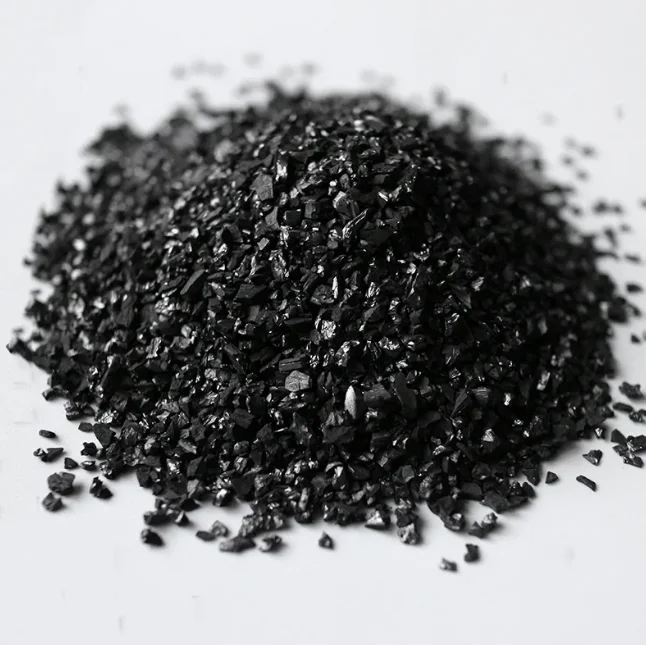
In the modern industrial landscape, the quest for purity and environmental compliance has led to the widespread adoption of granular activated carbon, a cornerstone of advanced filtration and purification systems. From ensuring the safety of municipal drinking water to the rigorous decontamination of industrial effluents, this porous material serves as a critical barrier against organic pollutants and toxins. Understanding its mechanism is not just a matter of chemistry, but a global necessity for sustainable resource management.
The global market for carbon-based adsorbents has seen exponential growth, driven by stringent ISO environmental standards and the increasing prevalence of water scarcity. As industries strive to meet "Zero Liquid Discharge" goals, the demand for high-efficiency granular activated carbon has shifted from simple usage to a sophisticated science of pore-size optimization and surface chemistry tailored to specific molecular targets.
Whether applied in the gold mining sector for precious metal recovery or in the production of high-purity food additives, the versatility of this material is unmatched. By leveraging its immense internal surface area, companies can effectively remove volatile organic compounds (VOCs), odors, and chlorine, thereby enhancing product quality and safeguarding public health on a global scale.
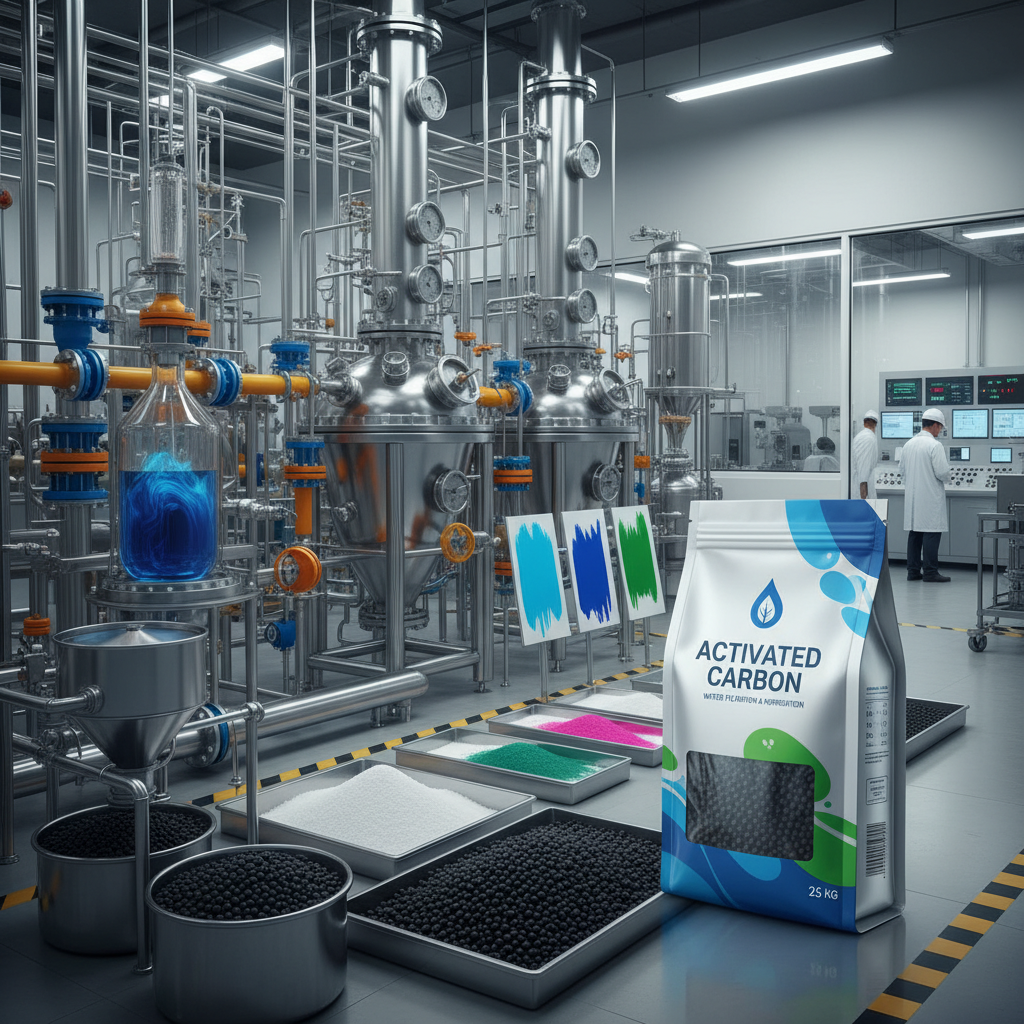
Global Relevance and Industry Context of Granular Activated Carbon
The global deployment of granular activated carbon is intrinsically linked to the rising challenges of industrial pollution and the necessity for clean potable water. With the World Bank highlighting the critical shortage of clean water in developing regions, the ability to rapidly deploy carbon filtration systems has become a humanitarian priority. In many industrial zones, this material is the first line of defense against chemical runoff, preventing catastrophic soil and groundwater contamination.
Furthermore, the shift toward "Green Chemistry" has placed a spotlight on the lifecycle of adsorbents. The industry is no longer focusing solely on the initial adsorption capacity but is now emphasizing the regenerability of the carbon. This systemic approach ensures that granular activated carbon contributes to a circular economy by reducing waste and minimizing the carbon footprint associated with the production of new virgin materials.
Defining the Technical Essence of Granular Activated Carbon
At its core, granular activated carbon is a processed form of carbon—typically derived from coconut shells, coal, or wood—that has been "activated" through high-temperature steam or chemical treatment. This process carves out an intricate network of micropores and mesopores, creating a surface area so vast that a single gram of the material can have a surface area exceeding 1,000 square meters.
Unlike powdered versions, the granular form is specifically engineered for continuous flow applications. Its physical structure allows liquids and gases to pass through with minimal pressure drop while maximizing the contact time between the contaminant and the carbon surface. This makes it an indispensable tool for large-scale water treatment plants and industrial air scrubbers.
The connection between this material and modern humanitarian needs is most evident in disaster relief. In areas where infrastructure has collapsed, portable filtration units utilizing granular activated carbon provide an immediate solution for removing harmful organics and chlorine from available water sources, directly preventing the spread of waterborne diseases.
Core Components of High-Performance Adsorption
The effectiveness of granular activated carbon is primarily determined by its Pore Size Distribution. Micropores are essential for trapping small molecules like VOCs, while mesopores facilitate the transport of larger organic molecules into the internal structure, ensuring that the entire volume of the granule is utilized.
Surface Chemistry is another critical factor. By modifying the surface functional groups—such as adding oxygen or nitrogen moieties—the granular activated carbon can be tailored to be more hydrophilic or hydrophobic, allowing for the selective adsorption of specific ions or organic pollutants in complex mixtures.
Mechanical Strength and Hardness are paramount for industrial scalability. In high-pressure filtration columns, the carbon must resist attrition and crumbling. A high hardness rating ensures that the granular activated carbon maintains its structural integrity over multiple regeneration cycles, reducing the frequency of media replacement and lowering operational costs.
Comparative Efficiency of Adsorption Methods
When evaluating the performance of granular activated carbon, it is essential to compare different activation methods. Steam-activated carbon often provides a more consistent micropore structure, ideal for gas-phase applications, whereas chemically activated carbon may offer a broader pore range suitable for heavy wastewater treatment.
The selection of the raw material also dictates the efficiency. For instance, coconut-shell based carbon is renowned for its superior hardness and high density of micropores, making it the gold standard for gold mining and high-purity water applications compared to wood-based alternatives.
Efficiency Ratings of Granular Activated Carbon Variants
Global Applications Across Diversified Industries
In the mineral processing sector, specifically gold mining, granular activated carbon is used in Carbon-in-Pulp (CIP) and Carbon-in-Leach (CIL) processes. The carbon adsorbs the gold-cyanide complex from the slurry, allowing for the efficient recovery of precious metals from low-grade ores.
Beyond mining, the food and beverage industry utilizes this material to decolorise syrups and remove off-flavors from edible oils. In the realm of water treatment chemicals, granular activated carbon acts as a polishing step to remove trace organic contaminants that biological treatments cannot handle, ensuring compliance with the strictest health regulations.
Long-Term Value and Sustainability Benefits
The long-term value of integrating granular activated carbon into industrial workflows extends beyond simple filtration. By reducing the toxicity of wastewater, companies mitigate the risk of environmental lawsuits and regulatory fines, providing a layer of financial and legal security.
From a sustainability perspective, the shift toward bio-based precursors (such as agricultural waste) for carbon production reduces reliance on fossil-fuel-derived coal. This transition aligns corporate goals with global ESG (Environmental, Social, and Governance) criteria, fostering trust among investors and consumers who demand ethical supply chains.
Moreover, the reliability of GAC systems ensures operational continuity. In remote industrial zones where sophisticated chemical treatment plants are impractical, the simplicity of carbon beds provides a dependable, low-maintenance solution that preserves the dignity of local communities by providing access to clean water.
Future Innovations and Technical Challenges
The future of granular activated carbon lies in "Smart Carbon" materials. Researchers are currently developing carbon composites infused with nanoparticles that can selectively target emerging contaminants, such as PFAS ("forever chemicals"), which traditional carbon may struggle to capture efficiently.
Digital transformation is also playing a role. The integration of real-time sensors in carbon columns allows operators to predict "breakthrough" points—the moment the carbon becomes saturated—using AI algorithms. This prevents unexpected contamination leaks and optimizes the regeneration schedule.
Despite these advances, the challenge of energy-intensive thermal regeneration remains. The industry is exploring microwave-assisted regeneration and chemical washing to lower the energy requirements, making the use of granular activated carbon even more eco-friendly and cost-effective.
Technical Analysis of Granular Activated Carbon Performance Parameters
| Precursor Material |
Primary Pore Type |
Typical Application |
Relative Hardness (1-10) |
| Coconut Shell |
Microporous |
Gold Recovery / Water |
9.8 |
| Bituminous Coal |
Broad Spectrum |
Industrial Wastewater |
8.5 |
| Hardwood |
Macroporous |
Air Purification |
6.2 |
| Palm Kernel |
Microporous |
Beverage Filtration |
9.2 |
| Anthracite |
Mesoporous |
Heavy Metal Removal |
7.8 |
| Bamboo |
Mixed Pore |
Eco-friendly Filters |
6.5 |
FAQS
Granular activated carbon (GAC) is designed for continuous flow systems. Unlike powdered carbon, which requires a separate filtration step to remove the carbon after treatment, GAC stays in a fixed bed. This allows for easier operation, lower labor costs, and the ability to regenerate the material in situ, making it far more cost-effective for large-scale industrial applications.
The lifespan depends on the contaminant load and flow rate. In typical industrial settings, GAC can last from several months to a year. However, using breakthrough monitoring sensors allows operators to determine the exact moment of saturation, ensuring that the media is replaced only when necessary to maximize efficiency and minimize cost.
While GAC is primarily known for removing organic compounds, specific types of chemically modified granular activated carbon can effectively adsorb heavy metals. By altering the surface charge or adding specific ligands, the carbon can be engineered to target ions like lead, mercury, and cadmium, though specialized resins are sometimes used in conjunction for extreme purity requirements.
Yes, coconut-shell based GAC is generally more sustainable as it utilizes a renewable agricultural byproduct. Coal-based carbon relies on mining, which has a higher environmental impact. Additionally, coconut-shell carbon often exhibits higher hardness, leading to fewer fines and a longer operational life, which further reduces the overall environmental footprint.
Pressure drop is usually caused by the accumulation of suspended solids or the breakdown of carbon granules. To prevent this, it is recommended to install a pre-filtration stage (such as a sand filter) to remove turbidity. Additionally, choosing a high-hardness granular activated carbon reduces the creation of fines that clog the system.
Absolutely. While the same basic principle of adsorption applies, the specific grade of granular activated carbon differs. Liquid-phase GAC is optimized for hydraulic conductivity and wet stability, whereas gas-phase GAC is engineered for maximum air permeability and specific affinity for volatile organic compounds (VOCs) and odors.
Conclusion
In summary, granular activated carbon represents a perfect synergy of material science and environmental engineering. By leveraging vast surface areas and tunable chemistry, it provides an essential solution for everything from precious metal recovery in mining to the critical purification of global water supplies. Its ability to be regenerated and its shift toward renewable precursors ensure that it remains a sustainable choice for the modern industrial era.
As we move toward a future of increasing environmental scrutiny and stricter purity standards, the role of GAC will only expand. Companies are encouraged to invest in high-quality, high-hardness carbon media and integrate smart monitoring technologies to optimize their filtration lifecycles. By doing so, industries can achieve a balance between economic profitability and ecological stewardship. Visit our website for more professional solutions: www.sdjz-chem.com