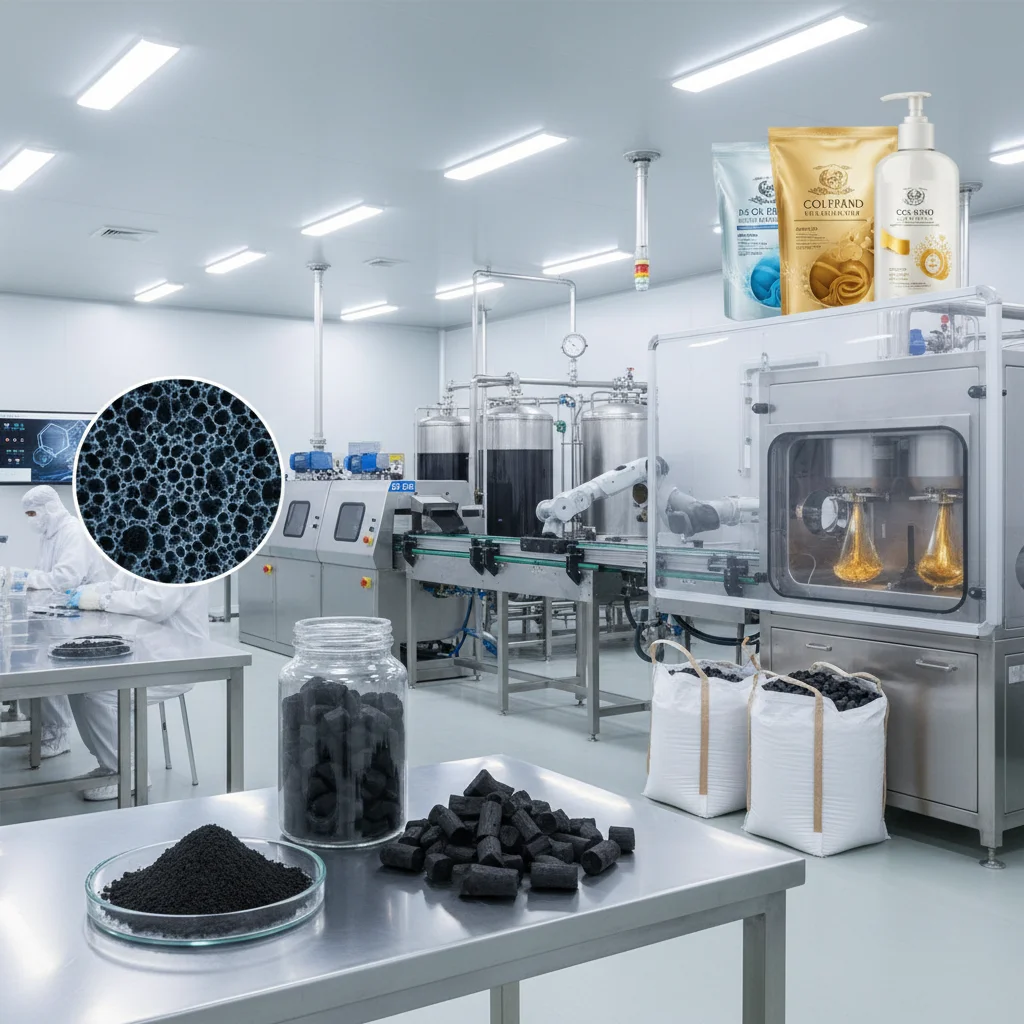
In the demanding landscape of industrial filtration and chemical purification, zncl2 activated carbon stands as a pivotal material, bridging the gap between raw biomass and high-performance adsorbents. By utilizing zinc chloride as a chemical activating agent, manufacturers can create a carbon structure with an extraordinary internal surface area, making it indispensable for capturing volatile organic compounds and purifying complex liquid streams.
The global shift toward stringent environmental regulations has amplified the necessity for highly efficient carbon-based solutions. As industries strive to meet ISO 14001 standards and reduce their ecological footprint, the precise engineering of pore sizes—a hallmark of the zinc chloride activation process—allows for the targeted removal of specific pollutants that traditional carbon cannot handle.
Understanding the chemistry and application of zncl2 activated carbon is not merely a technical requirement but a strategic advantage. From enhancing the purity of food additives to securing the efficiency of gold mining chemicals, this material provides the reliability and scalability needed to maintain high-throughput industrial operations while ensuring safety and sustainability.
Chemical Activation Mechanisms of ZnCl2 Carbon
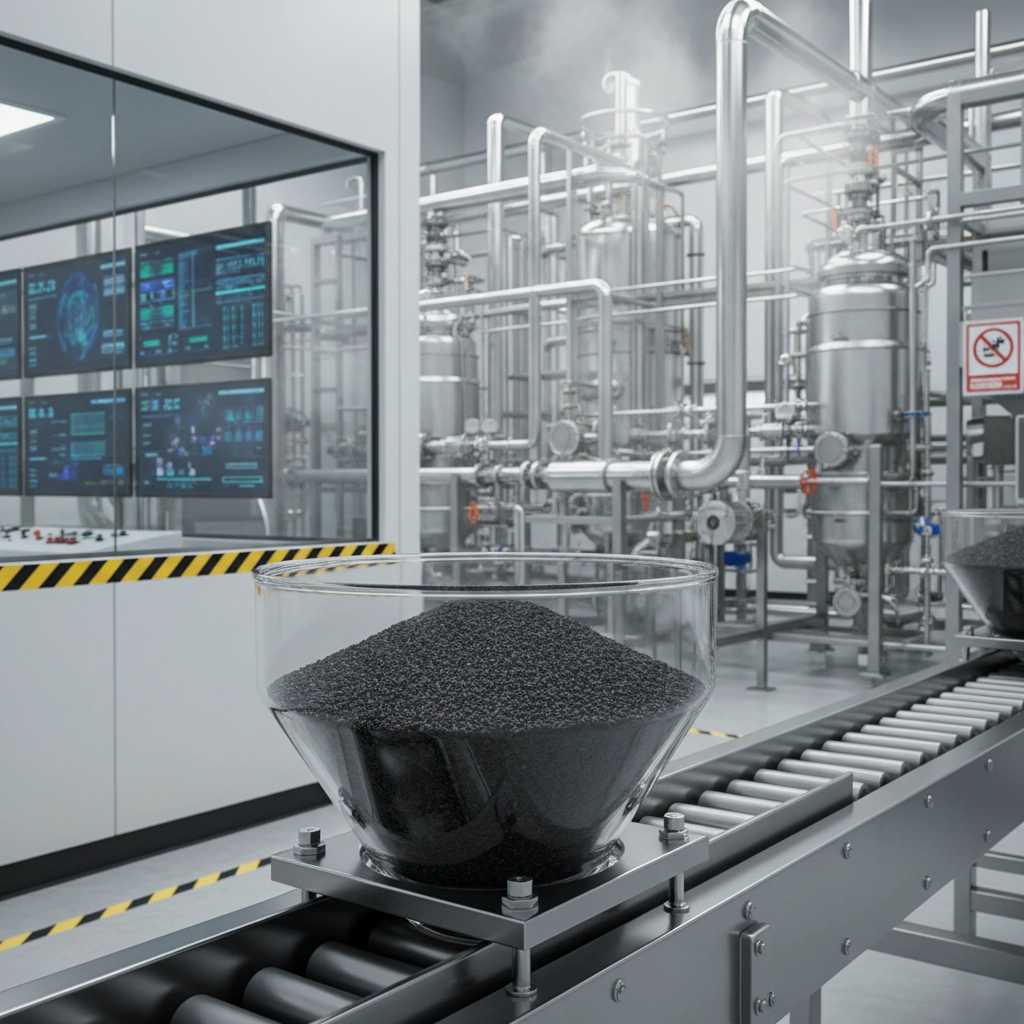
The production of zncl2 activated carbon involves a sophisticated chemical process where zinc chloride acts as a dehydrating agent. When the precursor material—often organic biomass—is impregnated with ZnCl2 and heated, the salt promotes the breakdown of cellulose and lignin, preventing the shrinkage of the carbon structure and creating a vast network of micropores.
Unlike physical activation which relies on steam or CO2, the ZnCl2 method allows for lower carbonization temperatures and a more precise control over the resulting pore distribution. This chemical approach ensures that the carbon retains a high density of active sites, which are essential for the adsorption of small molecules in high-precision chemical manufacturing.
Critical Structural Properties for Industrial Use
The efficacy of zncl2 activated carbon is primarily defined by its pore architecture. The chemical activation process typically results in a high proportion of micropores (pores smaller than 2nm), which provide the necessary surface area for the trapping of gas-phase contaminants and small organic molecules. This makes it an ideal choice for air purification systems and solvent recovery.
Beyond porosity, the surface chemistry of ZnCl2-activated carbons plays a vital role. The presence of residual oxygen-containing functional groups allows the material to engage in both physical adsorption and chemical bonding with target pollutants. This dual-action mechanism is particularly beneficial when treating complex industrial wastewater containing a mix of polar and non-polar substances.
Furthermore, the mechanical strength of the carbon granules ensures that they can withstand the pressures of industrial columns without crumbling. This structural integrity reduces the frequency of media replacement, thereby lowering the overall operational cost for facilities dealing with large-scale filtration of water treatment chemicals or mineral processing reagents.
Comparative Performance in Fluid Purification
When comparing various grades of adsorbents, zncl2 activated carbon often outperforms standard steam-activated carbon in the adsorption of low-molecular-weight compounds. Its ability to create a more uniform micropore distribution means that "dead zones" within the carbon particle are minimized, maximizing the utilization of the material.
In the context of food additives and detergent chemicals, the purity of the final product depends on the removal of trace impurities. Using zncl2 activated carbon ensures that color-forming bodies and odors are stripped away efficiently, maintaining the sensory characteristics and chemical stability of the end product.
The kinetic profile of ZnCl2-activated materials also suggests a faster adsorption rate for specific volatile organics. This is critical in "fast-flow" industrial environments where the contact time between the fluid and the adsorbent is limited, ensuring that effluent meets environmental discharge standards without requiring oversized filtration beds.
Efficiency Metrics Across Different Applications
Measuring the performance of zncl2 activated carbon requires looking at several key metrics: Iodine Value, Methylene Blue adsorption, and Breakthrough Time. Each of these indicates how the carbon behaves under different pressures and chemical loads, allowing engineers to select the precise grade for their specific industrial needs.
For instance, in gold mining chemicals recovery, a higher iodine value is preferred to ensure the maximum capture of precious metal complexes. Conversely, in water treatment, the focus shifts toward the carbon's ability to handle larger organic molecules without clogging the micropore structure prematurely.
Performance Ratings of ZnCl2 Activated Carbon Variants
Global Integration in Water and Mineral Processing
Across the globe, from the mining hubs of Australia to the chemical parks of Southeast Asia, zncl2 activated carbon is integrated into large-scale purification loops. In mineral processing, it is used to recover expensive reagents and remove toxins from tailings water, preventing environmental contamination and recovering valuable assets.
In the realm of water treatment chemicals, the material serves as a final polishing stage. By removing trace organics and residual chlorine, it ensures that the water used in industrial boilers or cooling towers is ultra-pure, thereby preventing corrosion and scaling, which can lead to millions of dollars in equipment downtime.
Long-term Economic and Environmental Value
The investment in high-quality zncl2 activated carbon yields long-term dividends through extended filter life and reduced waste. Because the chemical activation process creates a more robust and accessible pore network, these carbons often require less frequent regeneration compared to low-grade alternatives, directly lowering the carbon footprint of the facility.
From a sustainability perspective, the move toward using agricultural waste as the precursor for ZnCl2 activation converts potential landfill mass into a high-value industrial tool. This "circular economy" approach not only reduces raw material costs but also aligns corporate goals with global ESG (Environmental, Social, and Governance) mandates.
Moreover, the reliability of these materials provides a psychological safety net for plant operators. Knowing that the adsorption capacity is consistent and predictable prevents the risk of "breakthrough" events, where pollutants suddenly pass through the filter, ensuring that the facility remains in compliance with strict local environmental laws.
Future Innovations in Carbon Activation Technology
The future of zncl2 activated carbon is leaning toward "smart" activation. Researchers are exploring ways to modify the ZnCl2 process with nano-catalysts to create "hierarchical" carbon structures—materials that possess both macro-pores for fast transport and micro-pores for high-capacity storage.
Digital transformation is also playing a role, with AI-driven models now being used to predict the optimal impregnation ratio of zinc chloride to the biomass precursor. This ensures that each batch of carbon is tailored to a specific molecular target, reducing chemical waste during production and increasing the purity of the final adsorbent.
As the industry moves toward green chemistry, the focus is shifting toward the recovery and recycling of the zinc chloride agent itself. By implementing closed-loop recovery systems, manufacturers can maintain the high performance of the carbon while eliminating the hazardous waste associated with traditional chemical activation.
Comparison of ZnCl2 Activation Parameters and Performance
| Activation Temperature |
Impregnation Ratio |
Pore Volume (cm³/g) |
Adsorption Rating |
| 400°C |
1:1 |
0.45 |
6.5 |
| 500°C |
2:1 |
0.68 |
8.2 |
| 600°C |
3:1 |
0.82 |
9.4 |
| 700°C |
3:1 |
0.75 |
8.8 |
| 550°C |
2:1 |
0.72 |
8.9 |
| 450°C |
1.5:1 |
0.55 |
7.1 |
FAQS
ZnCl2 activation is a chemical process that occurs at lower temperatures, creating a higher density of micropores compared to the physical process of steam activation. This results in a carbon that is far more effective at capturing small, volatile organic molecules, making it superior for high-precision chemical purification and air filtration.
Yes, provided the carbon undergoes a thorough washing and neutralization process to remove all residual zinc chloride salts. Once purified and certified, it is widely used in the food additive industry to remove decolorizing agents and impurities without altering the taste or chemical composition of the product.
Absolutely. ZnCl2-activated carbons can be regenerated through thermal reactivation or chemical washing, depending on the nature of the adsorbed pollutant. Because of their robust structural integrity, they can undergo multiple cycles of use before the pore structure significantly degrades, making them cost-effective for large industrial plants.
The lifespan varies based on the pollutant load and flow rate, but typically ranges from 6 to 24 months. Monitoring the breakthrough point—where pollutants begin to appear in the effluent—is the best way to determine when the bed needs regeneration or replacement to maintain system efficiency.
Lignocellulosic materials such as coconut shells, wood waste, and agricultural husks are ideal. These materials provide the necessary carbon skeleton that, when reacted with zinc chloride, produces a highly stable and porous structure with excellent mechanical strength and adsorption capacity.
In gold mining, certain reagents are used to leach gold from ore. ZnCl2 activated carbon is employed to adsorb these complexes from the solution. Its high surface area and specific pore size allow it to selectively capture precious metal complexes, facilitating their recovery and reducing the waste of expensive chemicals.
Conclusion
In summary, zncl2 activated carbon represents a sophisticated synthesis of chemical engineering and material science. By leveraging the unique dehydrating properties of zinc chloride, this material achieves a level of microporosity and surface activity that is essential for modern industrial purification. From the critical sectors of water treatment and mineral processing to the delicate requirements of food additives, its ability to selectively remove impurities while maintaining structural durability makes it an unrivaled tool in the chemical manufacturer's arsenal.
Looking forward, the integration of green precursors and closed-loop activation cycles will further solidify the role of this material in a sustainable industrial future. For companies seeking to optimize their filtration efficiency and reduce operational overhead, investing in precision-engineered ZnCl2 carbons is a strategic necessity. To discover the right grade of adsorbent for your specific industrial challenge, we invite you to visit our website: www.sdjz-chem.com.