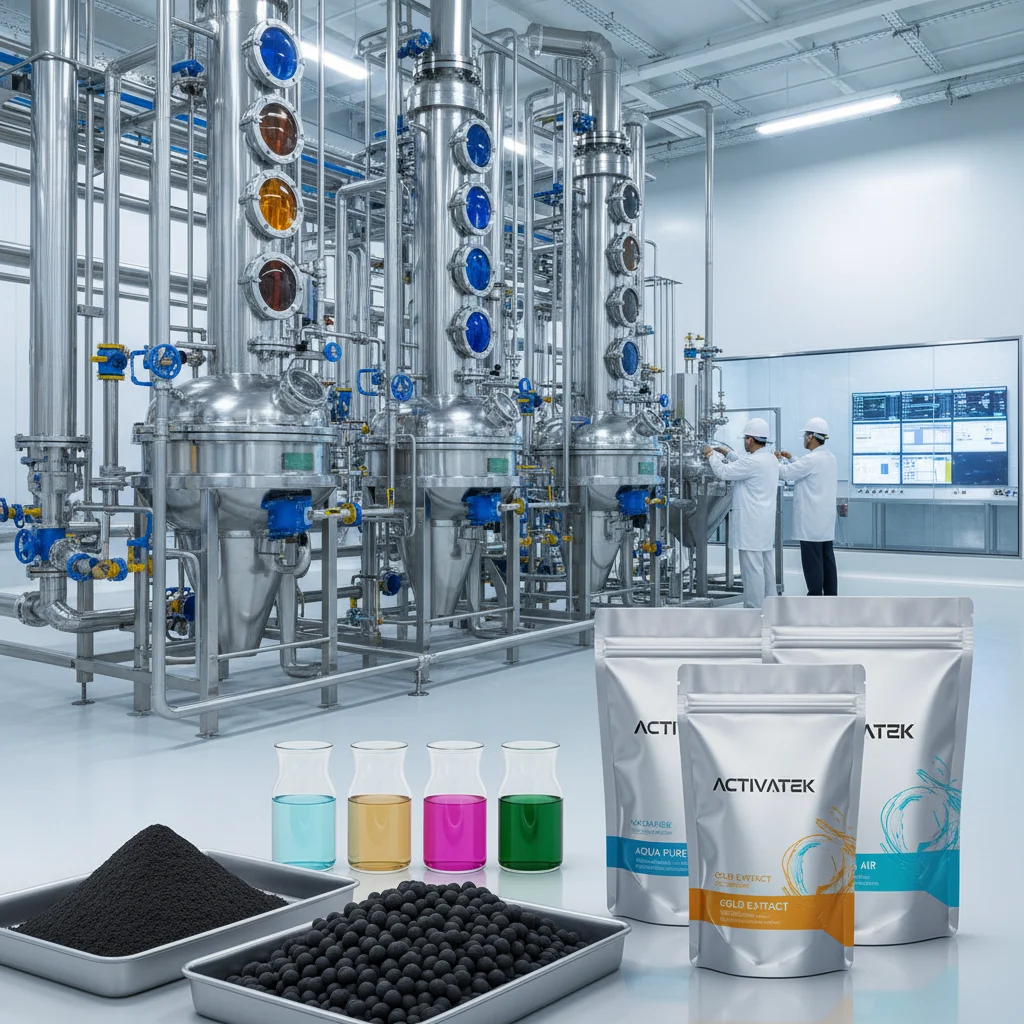
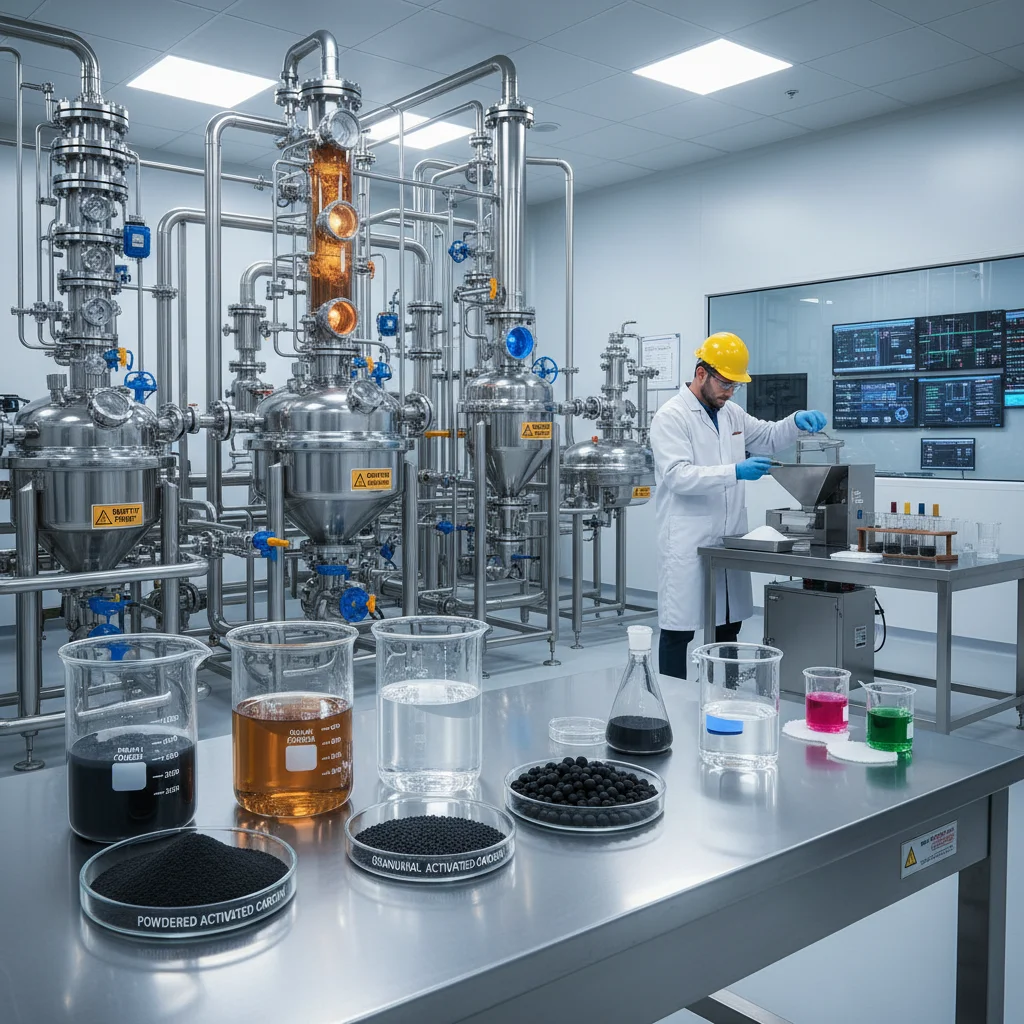
In the modern landscape of chemical purification and environmental remediation, silver impregnated activated carbon stands as a sophisticated intersection of physical adsorption and chemical catalysis. By combining the massive surface area of activated carbon with the potent antimicrobial and selective chemical properties of silver, this material solves challenges that standard carbon cannot, particularly in the removal of trace contaminants and the prevention of biofilm growth.
Across the globe, industries ranging from high-purity water treatment to pharmaceutical manufacturing are increasingly relying on silver-modified adsorbents to ensure stringent safety standards. The ability of silver impregnated activated carbon to neutralize biological pathogens while simultaneously trapping organic pollutants makes it an indispensable tool in protecting public health and enhancing industrial efficiency.
Understanding the mechanics and applications of this advanced material is crucial for engineers and procurement specialists who seek to optimize their filtration systems. This comprehensive guide explores how silver impregnated activated carbon operates, its strategic advantages over traditional media, and the future trends driving its adoption in the global chemical and water treatment sectors.

Global Relevance of Silver Impregnated Activated Carbon
On a global scale, the demand for high-purity water and air is no longer a luxury but a regulatory requirement. According to standards aligned with ISO and WHO guidelines, the presence of microbial contamination in industrial water systems can lead to catastrophic failures in pharmaceutical stability and food safety. silver impregnated activated carbon addresses these critical vulnerabilities by integrating bactericidal properties directly into the filtration media, ensuring that the carbon bed does not become a breeding ground for bacteria.
The strategic importance of this material is further amplified in emerging markets where water infrastructure is developing. By implementing silver-modified carbon systems, regions can achieve a dual-action purification process—removing toxic organic compounds while simultaneously disinfecting the effluent. This efficiency reduces the reliance on harsh chemical disinfectants like chlorine, which often produce harmful by-products, thereby aligning industrial growth with sustainable environmental goals.
Defining Silver Impregnated Activated Carbon
In simple terms, silver impregnated activated carbon is a high-surface-area carbonaceous material—typically derived from coconut shells or coal—that has been chemically treated to incorporate silver nanoparticles or ions into its pore structure. While standard activated carbon relies solely on physical adsorption to trap molecules, the addition of silver introduces a chemical "active site" that disrupts the cellular membranes of microorganisms.
This synergy transforms a passive filter into an active antimicrobial shield. The carbon matrix acts as a delivery vehicle, holding the silver in place and preventing it from leaching rapidly, while the silver ions work to eliminate bacteria, fungi, and certain viruses. This makes it fundamentally different from traditional carbon, which can actually harbor bacterial growth if not periodically sanitized.
From a humanitarian and industrial perspective, this technology is a cornerstone of modern purity. Whether it is used in the production of ultrapure water for semiconductor fabrication or in emergency drinking water kits for disaster-stricken areas, the role of silver impregnated activated carbon is to provide a reliable, low-maintenance barrier against both chemical toxins and biological threats.
Core Components and Performance Factors
The efficacy of silver impregnated activated carbon depends heavily on the distribution of silver within the carbon pores. Uniform impregnation ensures that there are no "dead zones" in the filter bed, allowing for consistent antimicrobial action across the entire flow path of the treated fluid.
Another critical factor is the balance between adsorption capacity and silver concentration. If the silver loading is too high, it may block the micropores of the carbon, reducing the silver impregnated activated carbon's ability to trap organic pollutants. Conversely, too little silver fails to provide the necessary bacteriostatic effect, highlighting the need for precision engineering during the manufacturing process.
Finally, the stability of the silver bonding is paramount for longevity. High-quality impregnation methods utilize chemical complexes to anchor silver ions to the carbon surface, ensuring a slow, controlled release. This stability determines the lifespan of the media and minimizes the frequency of filter replacements in large-scale industrial installations.
Industrial Applications and Use Cases
The application of silver impregnated activated carbon spans several high-stakes environments. In the pharmaceutical industry, it is used in the final polishing stages of water purification to ensure that injectable medications are free from endotoxins and microbial contaminants. In gold mining and mineral processing, modified carbons are often employed to selectively recover precious metals while maintaining a clean operational environment.
Beyond the factory floor, these materials are vital in remote industrial zones and post-disaster relief operations. Portable water filtration units utilizing silver impregnated activated carbon allow NGOs to provide safe drinking water in areas where electricity for UV sterilization or chemical dosing is unavailable, proving that high-tech chemistry can have a profound humanitarian impact.
Comparative Efficiency of Carbon Media Types
Tangible Advantages and Long-Term Value
The primary value of silver impregnated activated carbon lies in its dual-functionality, which leads to significant cost savings over time. By reducing the need for separate disinfection stages and lowering the frequency of system "shock" treatments with chlorine or ozone, operators can lower their operational expenditures and reduce the chemical footprint of their facilities.
From a risk management perspective, the reliability of silver-modified media provides peace of mind. The prevention of biofilm accumulation within filter beds eliminates the risk of sudden bacterial breakthroughs, which can lead to costly product recalls in the food and beverage industry. This commitment to safety and innovation fosters trust between manufacturers and their end consumers, adding an intangible but vital emotional value to the brand.
Future Trends in Silver-Based Adsorbents
The evolution of silver impregnated activated carbon is moving toward "smart" materials. Researchers are currently exploring the use of nano-structured silver clusters that can be released in response to specific environmental triggers, such as a change in pH or the detection of a specific pathogen. This "on-demand" release would extend the lifespan of the carbon bed even further and increase its precision.
Sustainability is also driving innovation, with a shift toward using bio-based activated carbons derived from agricultural waste rather than coal. When combined with silver impregnation, these green carbons offer a carbon-neutral alternative that does not sacrifice performance. This transition is essential as global policies shift toward a circular economy and stricter ESG (Environmental, Social, and Governance) reporting.
Furthermore, the integration of digital monitoring—such as real-time sensors that track the silver depletion rate—is becoming more common. This allows for predictive maintenance, where silver impregnated activated carbon is replaced exactly when its efficacy drops, rather than on a fixed schedule, further optimizing resources and reducing waste.
Challenges and Innovative Solutions
Despite its advantages, one of the primary challenges with silver impregnated activated carbon is the cost of the silver itself. The volatility of precious metal prices can make the initial investment higher than standard carbon. To solve this, manufacturers are developing "thin-film" impregnation techniques that use less silver but distribute it more efficiently, maintaining high antimicrobial activity while reducing material costs.
Another technical hurdle is the potential for silver leaching over long periods, which could lead to regulatory concerns regarding metal discharge in effluent water. Modern solutions involve the use of organic ligands that create a stronger covalent bond between the silver and the carbon surface, ensuring that the silver remains active but securely attached to the matrix.
Lastly, the saturation of the carbon pores by organic matter can shield bacteria from the silver ions. The industry is overcoming this by implementing multi-stage filtration systems where a standard carbon pre-filter removes the bulk of the organic load, allowing the silver impregnated activated carbon to act as a high-precision final polish, maximizing both the adsorption and the disinfection capabilities.
Core Analysis of Silver Impregnated Activated Carbon Implementation
|
Application Sector
|
Primary Contaminant
|
Efficiency Score (1-10)
|
Maintenance Cycle
|
| Pharmaceutical Water |
Endotoxins/Bacteria |
9.8 |
Quarterly |
| Food & Beverage |
Biofilms/Chlorine |
9.2 |
Bi-Annually |
| Medical Dialysis |
Pyrogens/Organics |
9.5 |
Monthly |
| Emergency Relief |
Waterborne Pathogens |
8.7 |
Single-use |
| Industrial Cooling |
Algae/Scaling |
7.9 |
Annually |
| Laboratory Grade |
Trace VOCs/Microbes |
9.9 |
Quarterly |
FAQS
Unlike standard activated carbon, which only adsorbs organic pollutants, silver impregnated activated carbon adds a potent antimicrobial layer. This prevents the carbon bed from becoming a breeding ground for bacteria (biofilm), ensuring that the water exiting the filter is not only chemically pure but also biologically safe. This makes it ideal for applications where microbial growth is a significant risk.
The lifespan depends on the water quality and flow rate. Typically, it lasts between 3 to 12 months in industrial settings. The silver ions are released slowly, but once the carbon's adsorption sites are saturated with organic matter or the silver concentration drops below a critical threshold, the media must be replaced to maintain the required purity levels.
Yes, when manufactured to industry standards (such as NSF or ISO), it is safe. The silver is chemically bonded to the carbon to prevent excessive leaching. The amount of silver released into the water is typically well below the WHO and EPA maximum contaminant levels, providing disinfection benefits without posing a health risk to the consumer.
Regenerating silver impregnated activated carbon is more complex than standard carbon. While thermal reactivation can remove organic pollutants, it can also cause the silver nanoparticles to sinter or evaporate. For most high-precision applications, replacement is recommended to ensure the antimicrobial potency remains consistent.
Industries that require "ultrapure" water are the primary beneficiaries. This includes pharmaceutical manufacturing, semiconductor fabrication, medical dialysis centers, and high-end food and beverage production. Any process where biological contamination could lead to product failure or health hazards relies heavily on silver-modified adsorbents.
The best practice is to use a multi-stage filtration approach. Install a sediment filter or a standard activated carbon pre-filter to remove large particles and the bulk of the organic load. This protects the silver impregnated activated carbon, allowing it to focus on trace contaminant removal and final disinfection, thereby extending its operational life.
Conclusion
In summary, silver impregnated activated carbon represents a critical advancement in filtration technology, blending the mechanical power of adsorption with the biochemical power of silver. By addressing the dual challenge of chemical pollutants and microbial growth, it provides a level of security and purity that standard carbon cannot match. Its application across pharmaceutical, industrial, and humanitarian sectors underscores its versatility and essential role in modern water and air treatment.
Looking forward, as we move toward more sustainable and "smart" industrial processes, the role of modified adsorbents will only grow. Investing in high-quality silver-impregnated media is not just a technical decision but a strategic one—enhancing product safety, reducing operational risks, and aligning with global environmental standards. For those seeking to optimize their purity systems, the transition to silver-modified solutions is a clear path toward operational excellence. Visit our website: www.sdjz-chem.com