Industrial Guide to the Classification of Activated Carbon
Understanding the Classification of Activated Carbon for Industrial Use
Activated carbon is an incredibly versatile material used across countless industries for purification, filtration, and decolorization. However, not all activated carbons are created equal. To select the right medium for your specific application, it is essential to understand the classification of activated carbon, which is typically based on its raw material, activation method, and physical structure. Whether you are treating wastewater, purifying air, or refining chemicals, the correct classification determines the efficiency of adsorption and the overall cost-effectiveness of your operation. In this guide, we will explore the diverse categories of this powerful adsorbent to help you make an informed procurement decision.

Classification of Activated Carbon by Raw Material
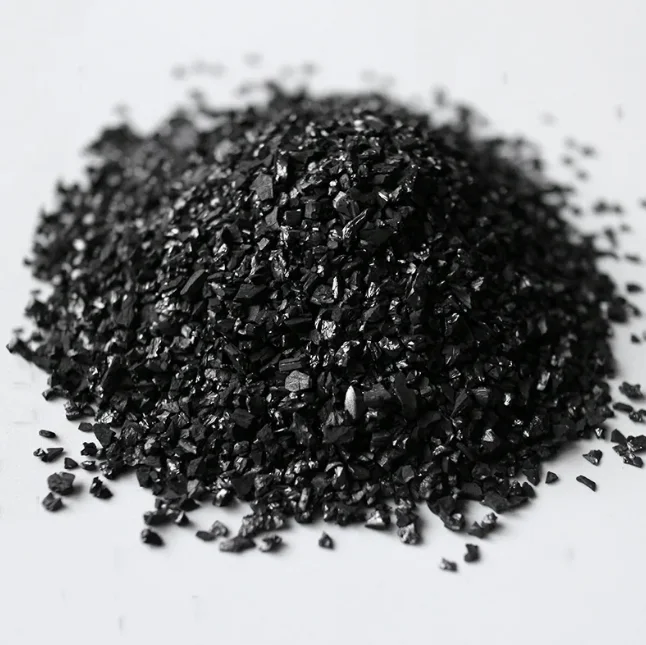
The primary way to categorize activated carbon is by the organic source material used during production. The precursor determines the initial pore structure and the chemical affinity of the final product. Common sources include coconut shells, which provide a high density of micropores ideal for gas phase applications; coal (bituminous or anthracite), known for its versatility in water treatment; and wood, which typically offers a wider range of macropores. Selecting the right source is the first step in the classification of activated carbon to ensure the material can trap the specific molecular size of the contaminants you are targeting.
Pro Tip: Coconut-based carbon is generally preferred for gold recovery and air filtration due to its hardness and small pore size, whereas coal-based carbon is the industry standard for large-scale water purification.
Activation Methods: Chemical vs. Physical
Activation is the process that "opens up" the carbon structure to create a massive internal surface area. There are two primary methods used in the classification of activated carbon: physical activation and chemical activation. Physical activation involves exposing the carbonized material to oxidizing gases like steam or CO2 at very high temperatures. Chemical activation uses agents such as phosphoric acid or zinc chloride to dehydrate the precursor, followed by a lower-temperature heat treatment. This difference significantly impacts the pore size distribution and the resulting adsorption capacity for different chemical species.
Comparing Physical Forms in the Classification of Activated Carbon
Beyond chemistry, the physical form of the carbon is critical for operational efficiency. Depending on whether the carbon is used in a fixed bed, a fluidized bed, or a batch process, it will be manufactured in different shapes. The most common forms are Granular (GAC), Powdered (PAC), and Pelletized carbon. Granular carbon is ideal for continuous flow systems, while powdered carbon is often used for rapid, one-time batch treatments. Understanding these physical differences is a key component of the classification of activated carbon for engineering purposes.
Pore Size Distribution: The Micro, Meso, and Macro Scale
A deeper dive into the classification of activated carbon involves looking at the pore sizes. Pores are classified as micropores (< 2nm), mesopores (2-50nm), and macropores (> 50nm). Micropores are where the majority of the adsorption occurs for small molecules (like VOCs), while macropores act as "highways" allowing molecules to enter the deeper parts of the carbon grain. A balanced pore distribution is often necessary for treating complex waste streams containing a mix of small and large organic molecules.

Application-Specific Product Specifications
When procuring activated carbon, the classification of activated carbon is translated into technical specifications. Parameters such as the Iodine Number (indicating micropore capacity), CTC (Carbon Tetrachloride) value (indicating overall activity), and Hardness Number (indicating resistance to attrition) are used to certify the quality. For example, a high Iodine Number is crucial for air purification, while high hardness is required for high-pressure water systems to prevent the carbon from crumbling.
Selecting the Right Carbon for Your Process
Choosing the right product requires a synthesis of all the points mentioned in the classification of activated carbon. For organic solvent recovery, a pelletized coal-based carbon is often the best fit. For high-purity drinking water, a coconut-shell granular carbon provides the cleanest results with minimal leaching. It is always recommended to perform a bench-scale test or a pilot study to verify the adsorption isotherm and breakthrough curve of the carbon before committing to a full-scale installation.
Conclusion: Mastering the Classification of Activated Carbon
The classification of activated carbon is more than just a technical list; it is a roadmap to operational efficiency. By understanding the relationship between raw materials, activation methods, and pore structures, companies can significantly reduce their waste and improve product purity. Whether you need the microporous precision of coconut shell carbon or the robust versatility of coal-based granules, matching the carbon's properties to your specific pollutant is the key to success. Trust in professional specifications to ensure your filtration system performs at its peak.
Frequently Asked Questions (FAQs)
Why does the raw material matter in the classification of activated carbon?
The raw material is the foundation of the carbon's pore structure. For instance, coconut shells are naturally denser and produce a high concentration of micropores, which are ideal for capturing very small molecules like those found in gases. In contrast, wood and some coals produce a wider variety of pore sizes, including mesopores, which allow larger organic molecules (like dyes or tannins) to enter. Using the wrong raw material can lead to "pore blocking," where large molecules clog the entrance to the carbon, rendering the internal surface area useless.
What is the difference between GAC and PAC in practical terms?
Granular Activated Carbon (GAC) is used primarily in fixed-bed filters where water or air flows through a stationary bed of carbon. It is designed for long-term use and can often be thermally reactivated. Powdered Activated Carbon (PAC), however, is a fine powder that is typically mixed directly into a liquid, allowed to adsorb contaminants, and then filtered out. PAC has a much faster adsorption rate because the distance the contaminant must travel to find a pore is much shorter, making it perfect for rapid response to contamination spikes.
How do I know if I need a high Iodine Number carbon?
The Iodine Number is a standardized test that measures the carbon's ability to adsorb iodine, which serves as a proxy for its micropore volume. If your target contaminants are small organic molecules—such as chlorine, ozone, or small volatile organic compounds (VOCs)—you should seek a carbon with a high Iodine Number (typically above 900 mg/g). If you are treating larger molecules like humic acids or larger oils, the Iodine Number is less critical than the mesopore volume. You can find detailed product specifications on the SDJZ Chem website.
Can all activated carbons be reactivated?
Most GAC (Granular Activated Carbon) can be reactivated through a process of thermal regeneration, where the carbon is heated in a kiln to burn off the adsorbed pollutants. However, this is not possible for PAC (Powdered Activated Carbon) because the powder is usually lost during the filtration process or too fine to be handled in a kiln. Additionally, some chemical activations may result in a carbon structure that is less stable during thermal regeneration. The ability to reactivate carbon is a major economic factor in the classification of activated carbon for industrial scale-up.