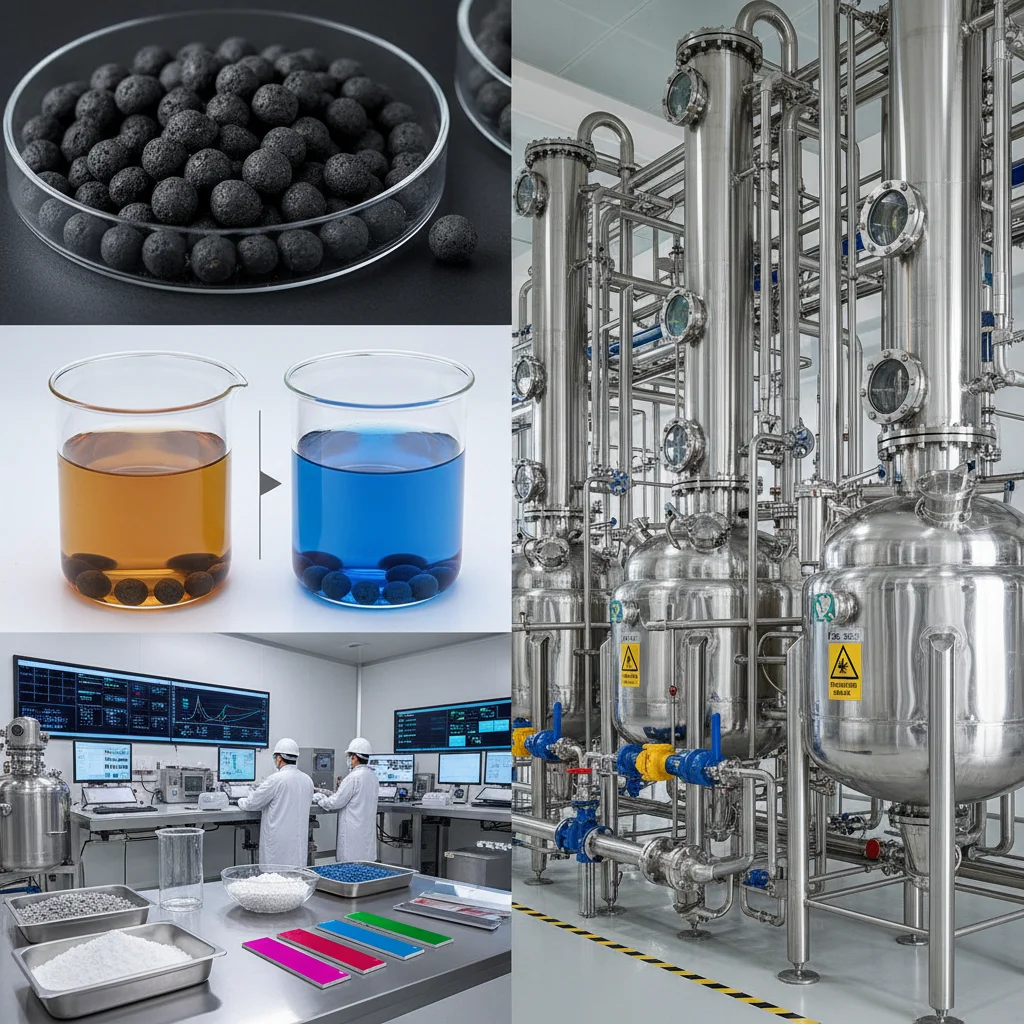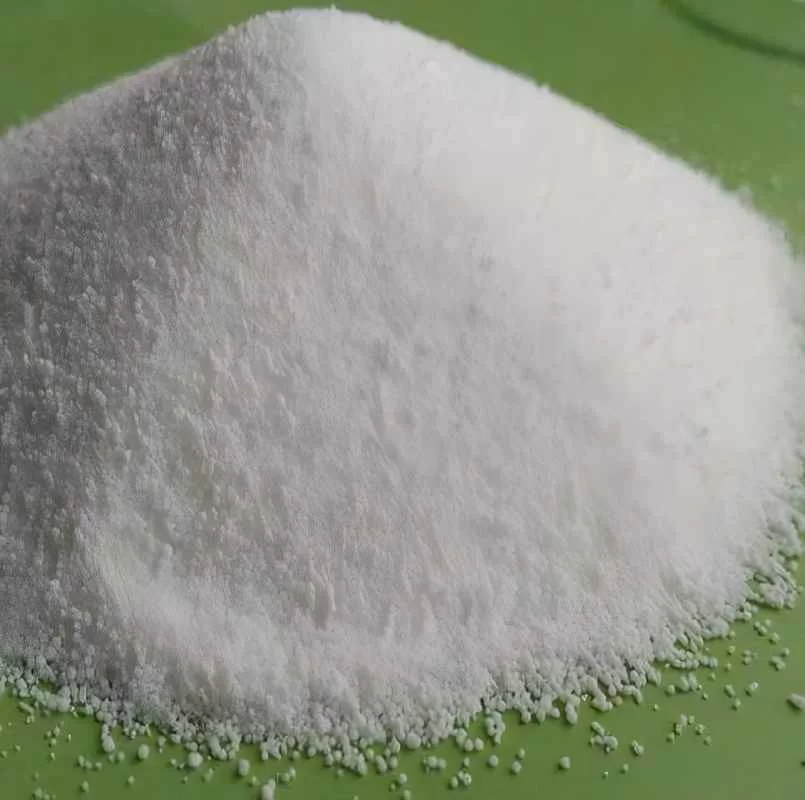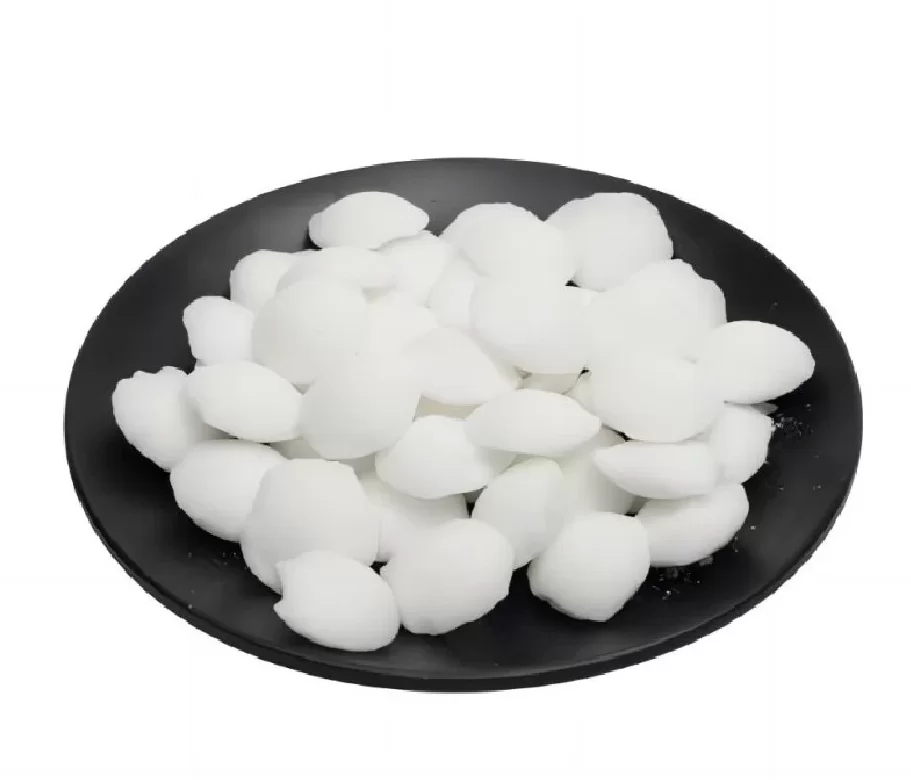
Activated carbon plays a vital role in modern gold extraction and recovery systems and is widely known as the “efficient catcher” for dissolved gold. In cyanide-based gold processing, activated carbon—particularly high-quality coconut shell charcoal—serves as the primary medium for capturing gold cyanide complexes from leaching solutions. Its exceptional adsorption capacity, mechanical strength, and chemical stability make it an indispensable material in the global gold mining industry.
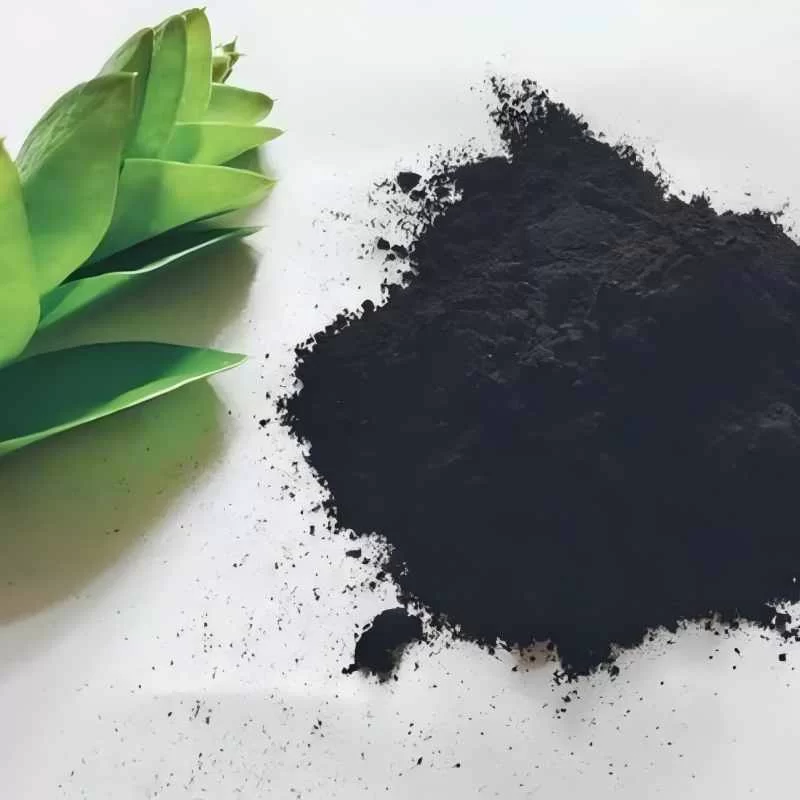
As ore grades continue to decline and mining operations seek higher efficiency and sustainability, activated carbon has become a key factor in improving gold recovery rates and reducing precious metal losses.
Role of Activated Carbon in Gold Recovery
During cyanide leaching, gold is dissolved into solution in the form of gold cyanide complexes. While this conversion is essential, dissolved gold must be efficiently recovered to achieve economic value. Activated carbon provides the solution by selectively adsorbing gold cyanide ions from the pregnant leach solution.
The adsorption process occurs when gold complexes are attracted to and retained within the extensive pore structure of activated carbon particles. Once loaded with gold, the carbon can be separated from the slurry and treated to recover metallic gold. This mechanism forms the basis of widely used gold recovery systems such as Carbon-in-Pulp (CIP), Carbon-in-Leach (CIL), and Carbon-in-Column (CIC) processes.
Without activated carbon, large-scale gold recovery from low-grade ores would be technically difficult and economically inefficient.
Coconut Shell Activated Carbon: A Preferred Material
Among various raw materials used to produce activated carbon—such as coal, wood, and synthetic polymers—coconut shell charcoal is considered the premium choice for gold recovery applications.
Coconut shell activated carbon offers several critical advantages:
High micropore volume optimized for gold cyanide adsorption
Excellent hardness and abrasion resistance
Low ash content and minimal impurity release
Long service life in continuous processing systems
The dense structure of coconut shell carbon allows it to withstand mechanical agitation, pumping, and repeated regeneration cycles without excessive degradation. These properties make it particularly suitable for dynamic gold processing environments.
Application in CIP and CIL Systems
Activated carbon is most commonly used in Carbon-in-Pulp (CIP) and Carbon-in-Leach (CIL) circuits, which dominate modern gold processing plants.
In CIP systems, leaching and adsorption occur in separate stages. After gold is dissolved in cyanide solution, activated carbon is introduced into adsorption tanks, where it captures gold from the slurry.
In CIL systems, leaching and adsorption occur simultaneously in the same tanks. Activated carbon adsorbs gold as soon as it dissolves, helping maintain low gold concentrations in solution and enhancing overall leaching efficiency.
In both systems, carbon particles move counter-current to the slurry flow, ensuring maximum contact between carbon and gold-bearing solution. This continuous adsorption mechanism significantly improves gold recovery rates.
Mechanism of Gold Adsorption
The adsorption of gold cyanide complexes onto activated carbon is primarily driven by physical and chemical interactions within the carbon’s pore network. The extremely large internal surface area—often exceeding 1,000 square meters per gram—provides countless active sites for gold capture.
Gold cyanide ions diffuse into the micropores of the carbon, where they are retained through electrostatic attraction and surface interactions. This process is highly selective, allowing gold and silver to be preferentially adsorbed even in the presence of other dissolved species.
The efficiency of adsorption depends on factors such as pore size distribution, carbon activity, solution chemistry, and contact time.
Benefits of Activated Carbon in Gold Processing
Activated carbon provides several important benefits that directly influence plant performance:
High Recovery Efficiency
Properly selected activated carbon can adsorb large quantities of gold, significantly increasing overall recovery rates.
Rapid Adsorption Kinetics
Gold uptake occurs quickly, enabling compact plant designs and high throughput.
Reusability
Activated carbon can be regenerated multiple times, reducing operating costs and material consumption.
Operational Stability
Carbon systems operate reliably under a wide range of processing conditions.
Compatibility with Established Technologies
Activated carbon integrates seamlessly with electrowinning and elution systems for gold recovery.
These advantages make activated carbon one of the most cost-effective and reliable materials in precious metal metallurgy.
Regeneration and Carbon Management
After adsorption, gold-loaded carbon is transferred to elution circuits where gold is stripped from the carbon using specialized solutions. The recovered gold is then processed into doré bars, while the carbon is regenerated and returned to the adsorption circuit.
Thermal reactivation restores the adsorption capacity of activated carbon by removing organic contaminants and residual compounds. Effective carbon management—including screening, regeneration, and loss control—is essential for maintaining consistent gold recovery performance.
Well-managed carbon systems can operate for extended periods with minimal performance degradation.
Contribution to Process Optimization
Activated carbon not only captures gold but also plays a strategic role in overall process optimization. By maintaining low dissolved gold concentrations, carbon adsorption drives continued gold dissolution from ore particles, improving leaching kinetics and reducing residence time.
This synergistic effect between leaching and adsorption enables mining operations to achieve higher recoveries with lower reagent consumption and smaller processing footprints.
Environmental and Sustainability Considerations
Activated carbon contributes to more sustainable gold production by improving recovery efficiency and reducing metal losses to tailings. Higher recovery means less ore needs to be processed to produce the same amount of gold, lowering energy use and environmental impact.
Coconut shell activated carbon is derived from renewable agricultural byproducts, further enhancing its sustainability profile. With proper regeneration and reuse, carbon consumption can be minimized, supporting responsible resource management.
Future Development and Innovation
Ongoing research continues to enhance activated carbon performance through improved activation techniques, surface modification, and optimized pore structures. These innovations aim to increase gold loading capacity, improve adsorption selectivity, and extend service life.
As gold ores become more complex and environmental standards become stricter, high-performance activated carbon will play an increasingly important role in maintaining efficient and responsible gold production.
Activated carbon, particularly coconut shell-based charcoal, stands as the efficient catcher in modern gold recycling systems. By selectively adsorbing gold cyanide complexes, it transforms dissolved gold into recoverable value and dramatically improves overall recovery rates.
Its unique combination of high adsorption capacity, mechanical strength, reusability, and operational reliability has made activated carbon an essential component of cyanide gold processing circuits worldwide.
As the mining industry continues to pursue higher efficiency and sustainability, activated carbon will remain a cornerstone technology—quietly yet effectively capturing gold and ensuring the economic viability of modern gold extraction.