Comprehensive Guide to Powdered Activated Carbon PAC Applications and Benefits
Powdered Activated Carbon (PAC): A Comprehensive Guide
Powdered Activated Carbon (PAC) is a versatile adsorbent material widely used in a variety of industrial and environmental applications. Its exceptional surface area and porosity make it highly effective at removing contaminants from liquids and gases. This article provides a detailed overview of PAC, covering its properties, manufacturing, applications, and benefits. We’ll explore how SDJZ Chem delivers high-quality PAC solutions tailored to meet diverse industrial needs. Understanding the nuances of PAC is crucial for optimizing treatment processes and achieving desired outcomes.
What is Powdered Activated Carbon (PAC)?
Powdered Activated Carbon (PAC) is a finely divided carbonaceous material produced from carbon-rich sources like coal, wood, coconut shell, or peat. The raw material undergoes activation processes – typically chemical or physical – to develop an extensive pore structure, vastly increasing its surface area. This large surface area is the key to PAC’s adsorption capabilities. The particle size of PAC is generally less than 0.180 mm (80 mesh). SDJZ Chem’s PAC products are renowned for their consistent particle size and high adsorption capacity.
Key Highlights: PAC’s high surface area and porosity enable it to effectively adsorb a wide range of contaminants, making it a versatile solution for various industrial applications.
Manufacturing Processes of Powdered Activated Carbon
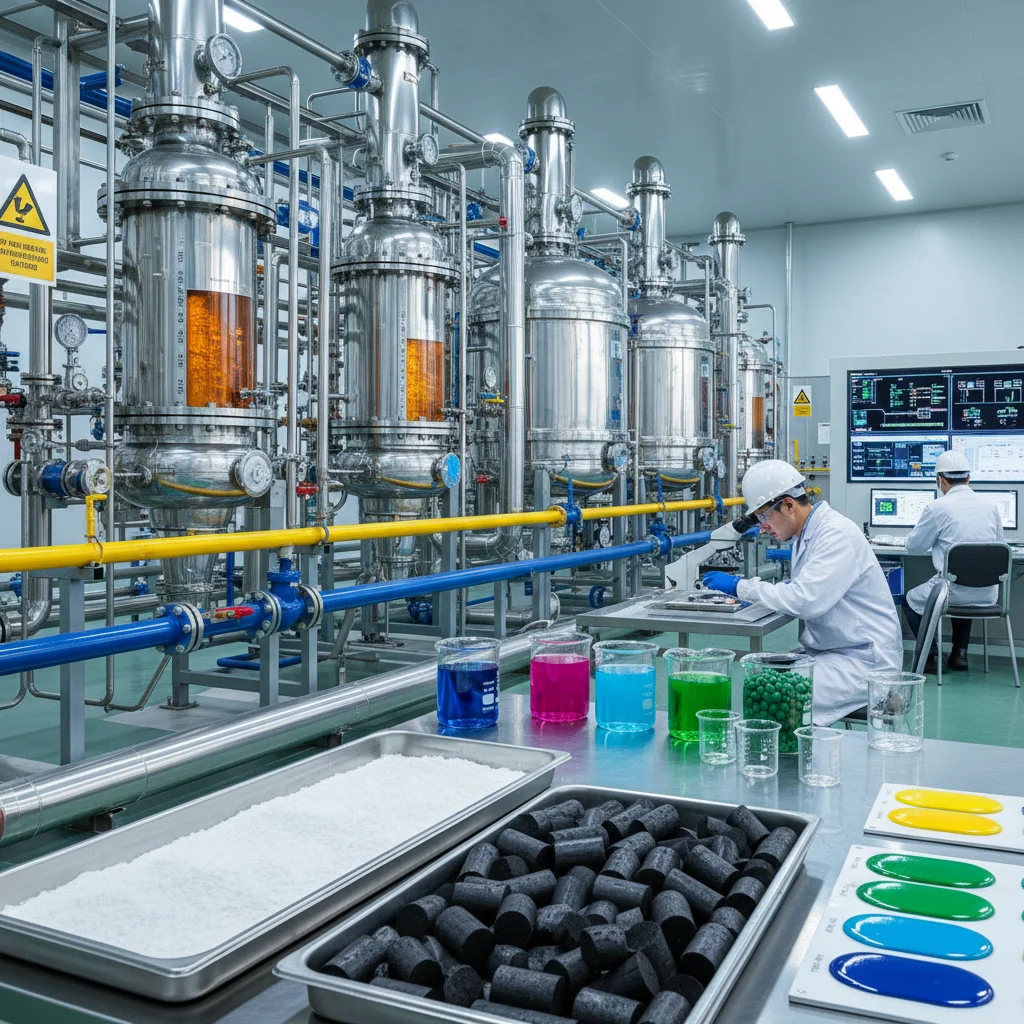
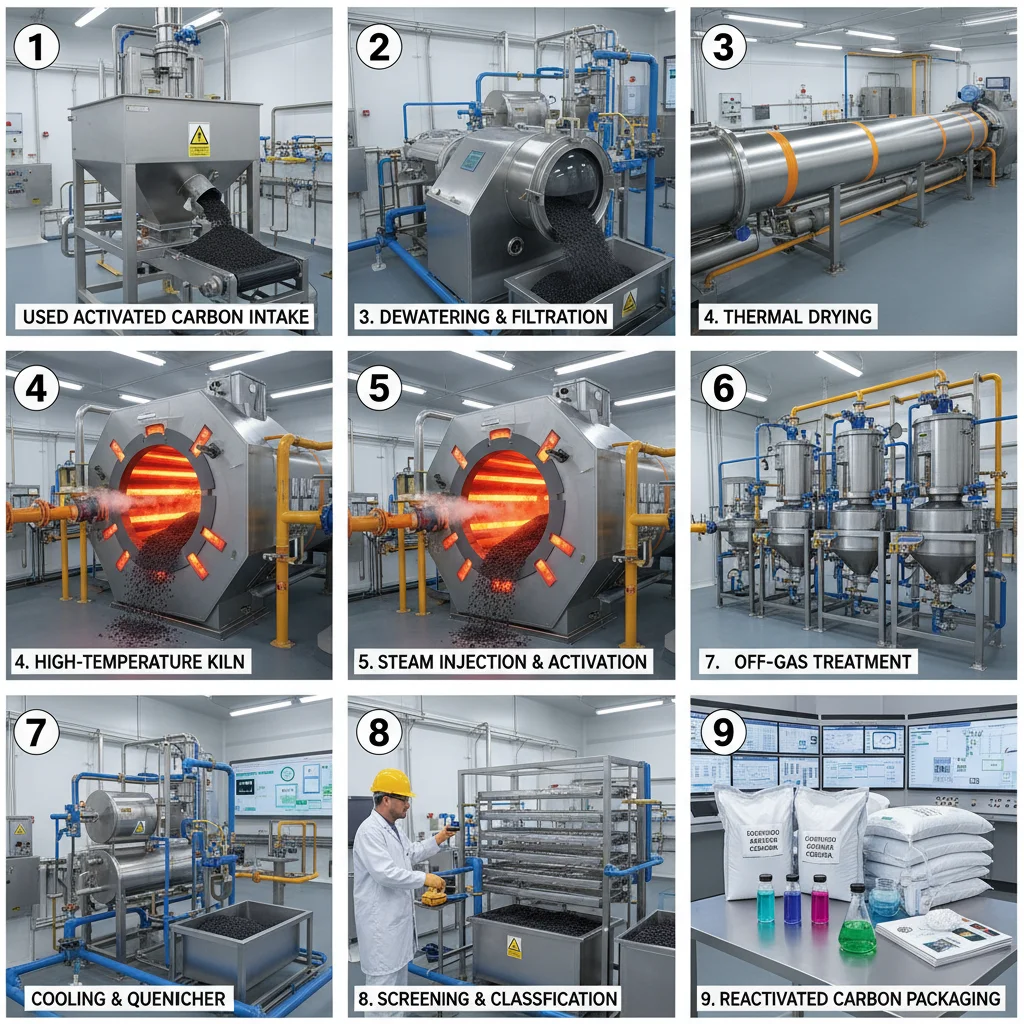
PAC is manufactured through two primary activation methods: physical activation and chemical activation. Physical activation involves carbonizing the raw material at high temperatures followed by oxidation with gases like steam or carbon dioxide to develop the pore structure. Chemical activation utilizes activating agents such as phosphoric acid, zinc chloride, or potassium hydroxide during the carbonization process. The choice of activation method impacts the pore size distribution and adsorption characteristics of the resulting PAC. SDJZ Chem utilizes advanced manufacturing techniques to produce PAC with tailored properties for specific applications.
Activation Method Comparison:
• Physical Activation: Typically results in larger pore sizes, suitable for larger molecule adsorption.
• Chemical Activation: Generally produces smaller pores, ideal for adsorbing smaller molecules.
• Cost: Physical activation is often more economical for large-scale production.
• Environmental Impact: Chemical activation can generate wastewater requiring treatment.
Powdered Activated Carbon Applications
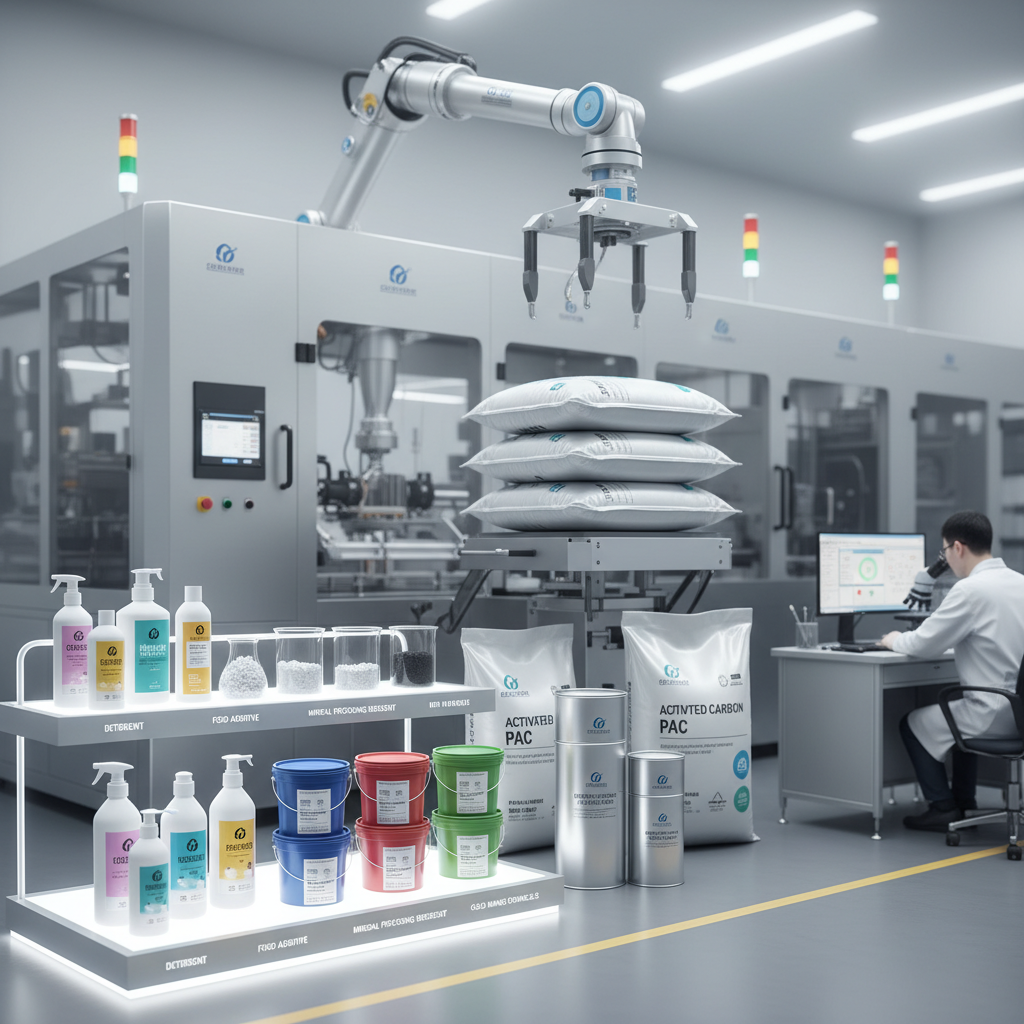
PAC finds extensive use in a diverse array of applications. One of the most common is water treatment, where it effectively removes taste, odor, color, and organic contaminants. It's also widely used in wastewater treatment to eliminate pollutants and comply with environmental regulations. Other applications include food and beverage processing (decolorization of sugar), pharmaceutical production (purification of drugs), air purification (removal of volatile organic compounds – VOCs), and soil remediation. SDJZ Chem provides PAC grades specifically designed to optimize performance in each of these areas.
Benefits of Using Powdered Activated Carbon
Using PAC offers numerous advantages. It's a cost-effective treatment solution, particularly for intermittent or seasonal contamination issues. It provides rapid adsorption, making it ideal for emergency response situations. PAC is also easy to handle and apply, requiring minimal infrastructure. Moreover, it's a highly effective solution for removing a broad spectrum of contaminants. SDJZ Chem provides expert guidance to help you select the optimal PAC grade and dosage for your specific application.
Product Specifications
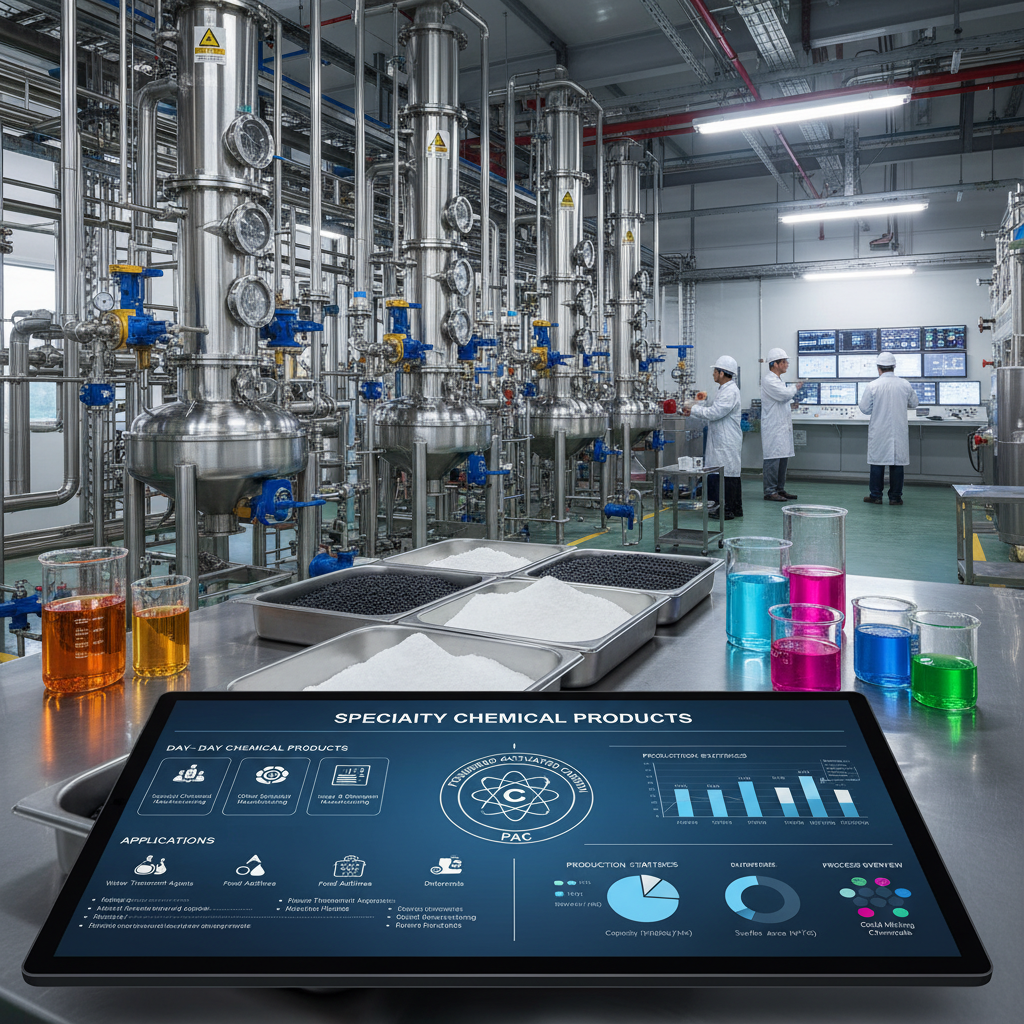
Here’s a general overview of the typical specifications for our PAC products. Specific values may vary depending on the grade and intended application.
Conclusion: Choosing the Right PAC for Your Needs
SDJZ Chem is a leading provider of high-quality Powdered Activated Carbon (PAC) solutions. We offer a comprehensive range of PAC grades tailored to meet the specific requirements of diverse industries. Our commitment to quality, innovation, and customer service ensures you receive the optimal product for your application. Contact us today to discuss your needs and find the perfect PAC solution for your challenges.
Frequently Asked Questions (FAQs)
What is the optimal dosage of PAC for water treatment?
The optimal PAC dosage for water treatment depends on several factors, including the type and concentration of contaminants, the water's pH and temperature, and the desired level of purification. Typically, dosages range from 5 to 50 mg/L, but jar tests are essential to determine the most effective dosage for your specific water source. These tests help optimize both performance and cost-effectiveness. SDJZ Chem’s technical team can assist with dosage calculations and jar test analysis.
How does PAC compare to Granular Activated Carbon (GAC)?
While both PAC and GAC are activated carbon forms, they differ in particle size and application. PAC is a fine powder, ideal for quick contact time applications and intermittent treatment, offering rapid adsorption. GAC consists of larger granules, suitable for fixed-bed systems providing continuous treatment. PAC is generally more cost-effective for addressing sudden contamination events, while GAC is preferred for ongoing treatment needs. SDJZ Chem offers both PAC and GAC solutions to cater to diverse requirements.
What are the storage recommendations for PAC?
PAC should be stored in a cool, dry, and well-ventilated area, away from direct sunlight, heat sources, and oxidizing agents. It’s crucial to keep the packaging sealed to prevent moisture absorption and maintain its adsorption capacity. Proper storage ensures the PAC remains effective until it’s ready for use. We recommend storing PAC in its original packaging whenever possible.