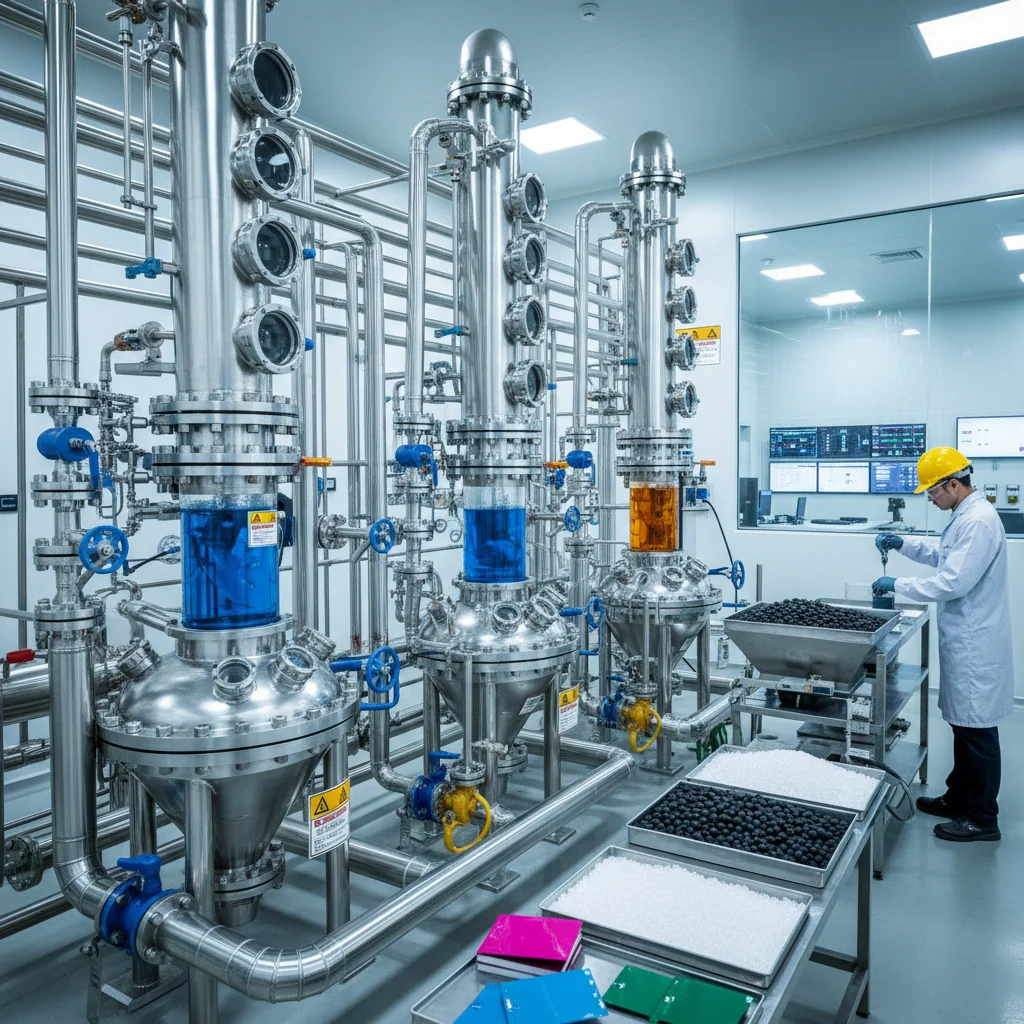
Comprehensive Guide to Coal Based Activated Carbon Production and Applications
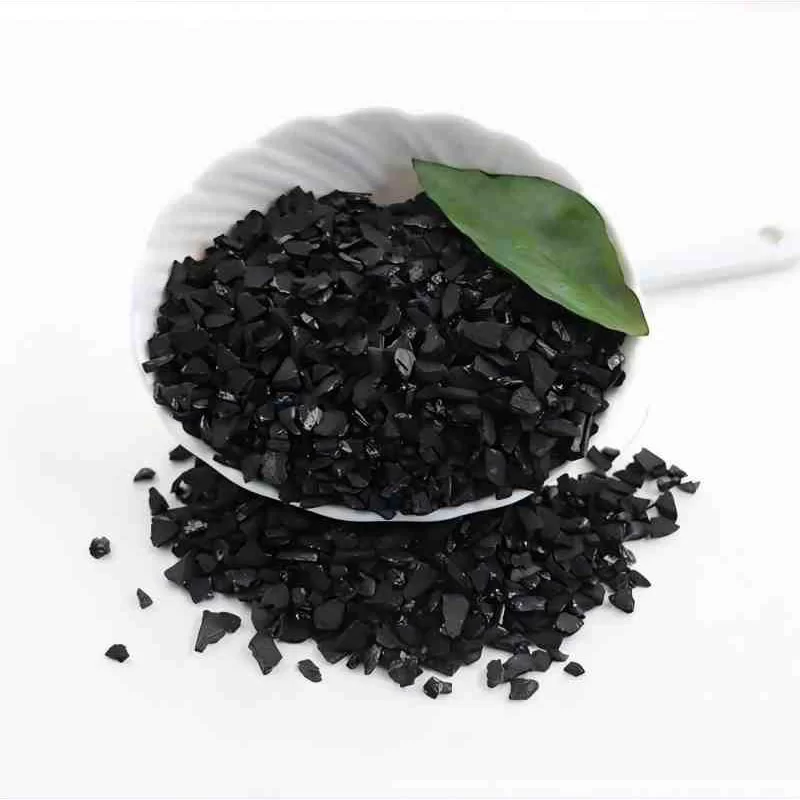
Coal Based Activated Carbon: A Comprehensive Guide
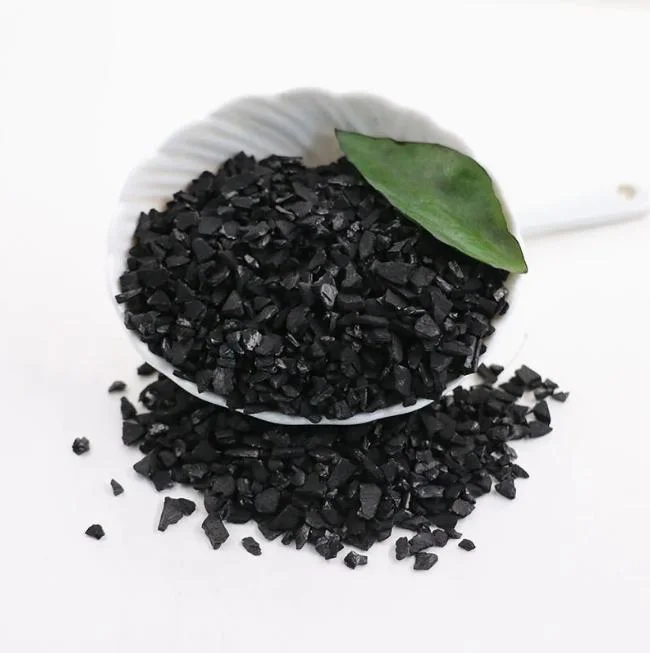
Activated carbon, a versatile material widely used in various industries, comes in different forms, with coal based activated carbon being a prominent one. Known for its high porosity and exceptional adsorption capabilities, it's crucial for purification and filtration processes. This article delves into the production, properties, applications, and benefits of coal based activated carbon, providing a thorough overview for professionals and those interested in this valuable resource. Understanding its unique characteristics and applications is essential for optimizing its use in diverse settings. Explore the benefits of sourcing from a reliable supplier like SDJZ Chem for consistently high-quality products.
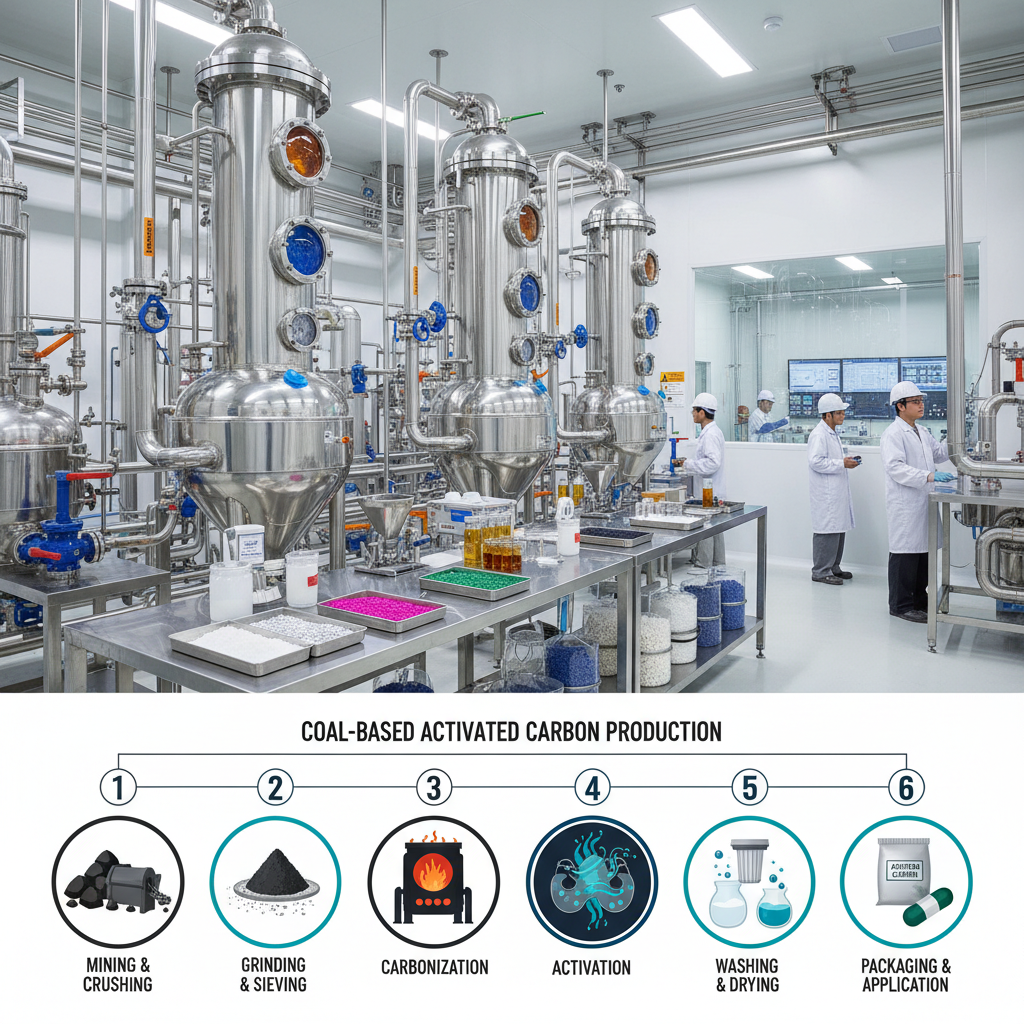
What is Coal Based Activated Carbon?
Coal based activated carbon is produced from various types of coal, including bituminous, anthracite, and lignite. The process involves carbonization, followed by activation – a crucial step that significantly increases the surface area and porosity of the material. Activation can be achieved through physical methods (steam or gas activation) or chemical methods (using activating agents like phosphoric acid or zinc chloride). This high surface area is what gives activated carbon its remarkable adsorption properties, allowing it to effectively remove impurities and contaminants from liquids and gases. The quality and performance of the activated carbon are directly influenced by the type of coal used and the activation process employed.
Key Highlights: Produced from various types of coal; High porosity due to activation; Exceptional adsorption properties; Used in diverse purification processes.
The Production Process of Coal Based Activated Carbon
The production of coal based activated carbon generally involves two main stages: carbonization and activation. Carbonization involves heating the coal in the absence of oxygen, driving off volatile matter and leaving behind a carbon-rich char. This char is then subjected to activation, either physically or chemically. Physical activation uses steam or carbon dioxide at high temperatures to create pores, while chemical activation uses activating agents to promote pore development. The choice of activation method influences the final pore size distribution and adsorption characteristics of the activated carbon. SDJZ Chem employs advanced activation technologies to ensure superior product quality.
Key Properties of Coal Based Activated Carbon
Several key properties define the quality and effectiveness of coal based activated carbon. These include:
- Surface Area: Measured in m²/g, a higher surface area indicates greater adsorption capacity.
- Pore Size Distribution: The proportion of micropores (50nm) impacts the type of molecules adsorbed.
- Hardness: Affects the resistance to attrition and dust formation during handling.
- Density: Influences the packing and settling characteristics.
- Ash Content: Lower ash content generally results in higher purity and performance.
Applications of Coal Based Activated Carbon
The versatile nature of coal based activated carbon leads to its use in a wide range of applications, including:
Choosing the Right Coal Based Activated Carbon Supplier
Selecting a reputable supplier is critical to ensuring consistent product quality and performance. Look for suppliers that offer comprehensive product specifications, quality control certifications (e.g., ISO 9001), and technical support. SDJZ Chem is a leading manufacturer and supplier of coal based activated carbon, providing tailored solutions to meet diverse industry needs. We offer a wide range of products with varying pore size distributions, surface areas, and hardness levels to optimize adsorption performance for specific applications.
Conclusion: The Importance of Quality Coal Based Activated Carbon
Coal based activated carbon is a vital material in numerous industries, providing effective purification and filtration solutions. Choosing the right type of activated carbon and a reliable supplier like SDJZ Chem is crucial for achieving optimal performance and ensuring the safety and quality of your products. Invest in quality activated carbon for long-term efficiency and reliability.
Frequently Asked Questions (FAQs)
What are the main advantages of using coal based activated carbon over other types?
Coal based activated carbon generally offers a good balance of cost-effectiveness and performance. It possesses a well-developed pore structure, making it suitable for a broad range of applications. Compared to wood-based activated carbon, coal-based carbon typically has a higher hardness and is less prone to dust formation. While coconut shell-based activated carbon offers very high surface area, it's often more expensive. The specific choice depends on the application requirements and budget.
How is the performance of activated carbon measured?
The performance of activated carbon is assessed through several key parameters, including its BET surface area (measuring porosity), iodine number (indicating adsorptive capacity), and particle size distribution. BTEX removal tests, hardness tests, and ash content analysis are also commonly conducted. These measurements help determine the suitability of the activated carbon for specific applications.
Can activated carbon be regenerated and reused?
Yes, activated carbon can often be regenerated and reused, depending on the nature of the adsorbed contaminants. Thermal regeneration, where the carbon is heated to high temperatures to remove adsorbed substances, is a common method. Chemical regeneration involves using solvents or other chemicals to desorb the contaminants. However, regeneration processes can reduce the overall surface area and adsorption capacity over time.
What safety precautions should be taken when handling activated carbon?
Activated carbon dust can be irritating to the eyes, skin, and respiratory system. It's essential to wear appropriate personal protective equipment (PPE), such as dust masks, gloves, and eye protection, when handling activated carbon. Avoid generating dust, and ensure adequate ventilation. Activated carbon can also absorb moisture from the air, so proper storage in a dry environment is crucial.