Comprehensive Guide to Activated Carbon Pellets for Industrial Filtration
Activated Carbon Pellets: A Comprehensive Guide
Activated carbon pellets are a versatile and highly effective filtration medium used across a wide range of industries. From water purification and air filtration to chemical processing and gas adsorption, these tiny but powerful particles play a crucial role in removing contaminants and improving product quality. SDJZ-Chem specializes in providing high-quality activated carbon pellets tailored to meet diverse application needs. This article explores the properties, applications, benefits, and selection criteria for activated carbon pellets, providing a thorough understanding for professionals and potential buyers.
Understanding Activated Carbon Pellets
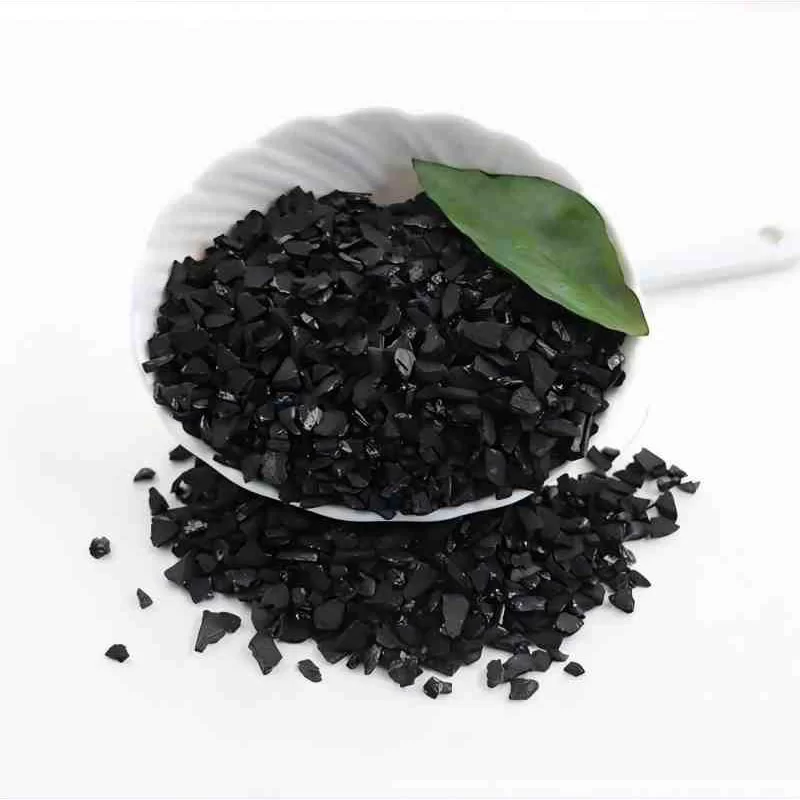
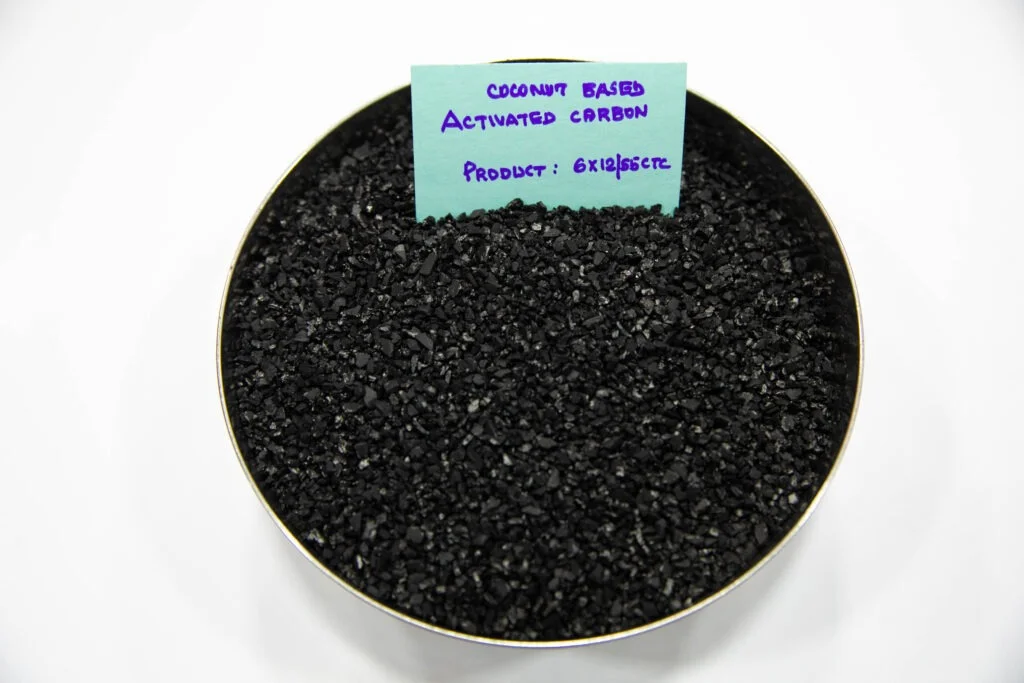
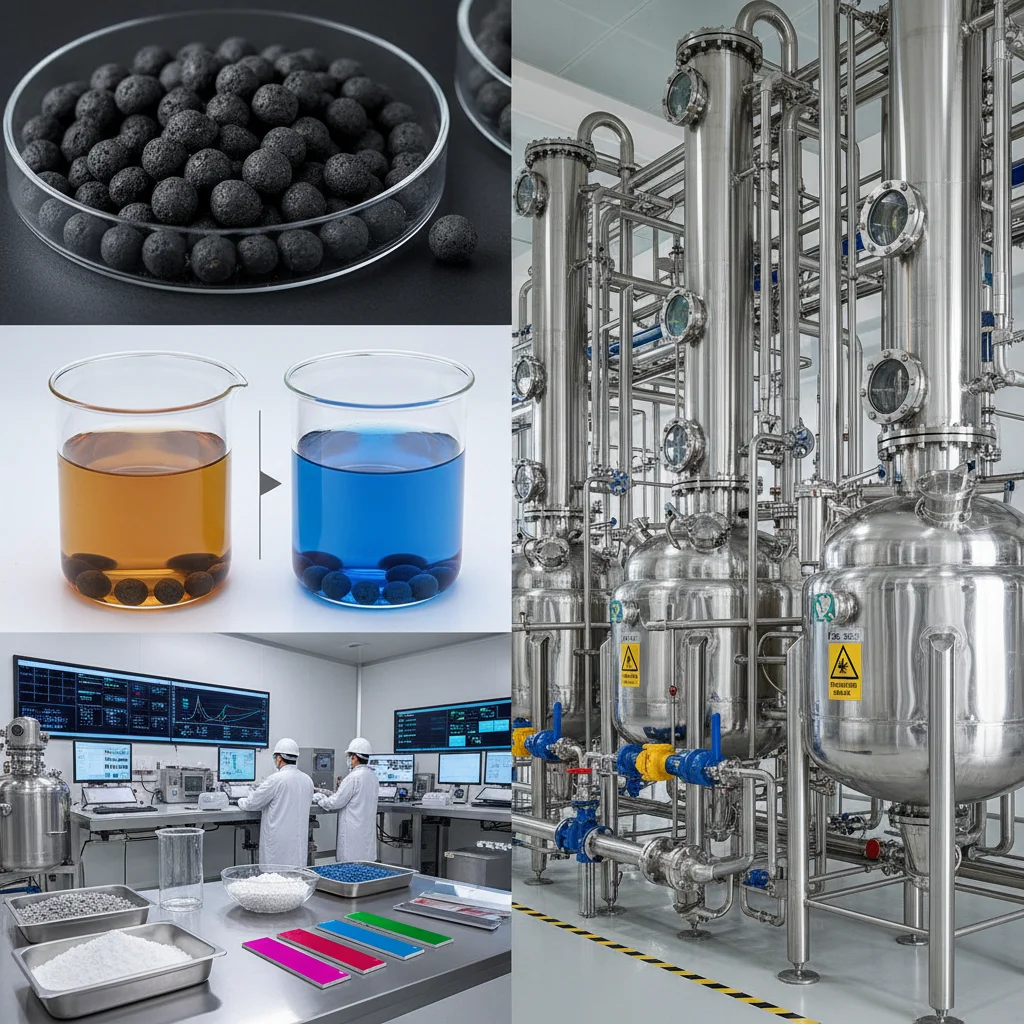
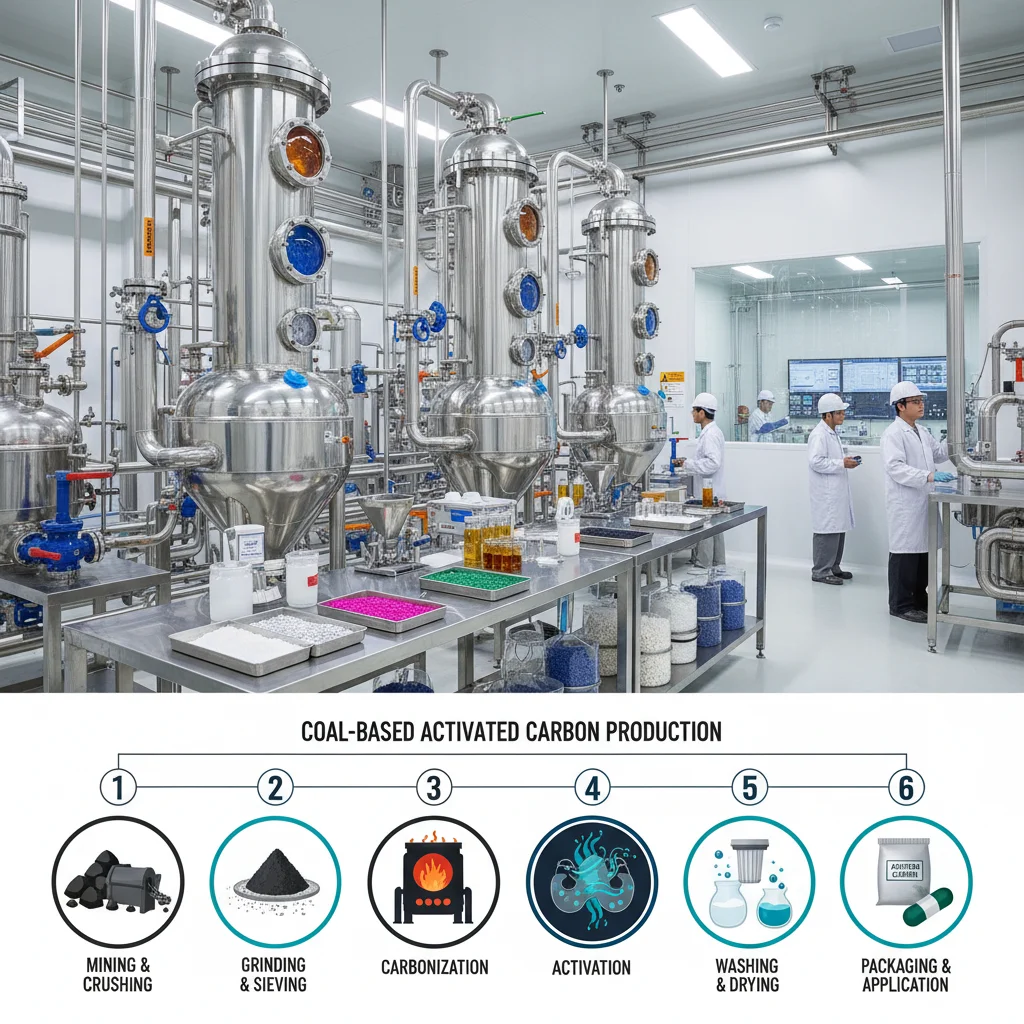
Activated carbon pellets are produced through a process that increases the carbon surface area, creating a highly porous structure. This increased surface area dramatically enhances its adsorption capacity, allowing it to effectively trap impurities. The activation process typically involves heating carbon-rich materials (such as coal, wood, or coconut shell) in the presence of a gas, creating millions of microscopic pores. The resulting pellets boast exceptional adsorption capabilities for removing contaminants like volatile organic compounds (VOCs), chlorine, odors, and dissolved solids. SDJZ-Chem offers a variety of activated carbon pellets with varying pore sizes and activation levels to cater to specific filtration requirements.
Key Highlights: High surface area, exceptional adsorption capacity, versatile applications, customizable to specific filtration needs.
Applications of Activated Carbon Pellets
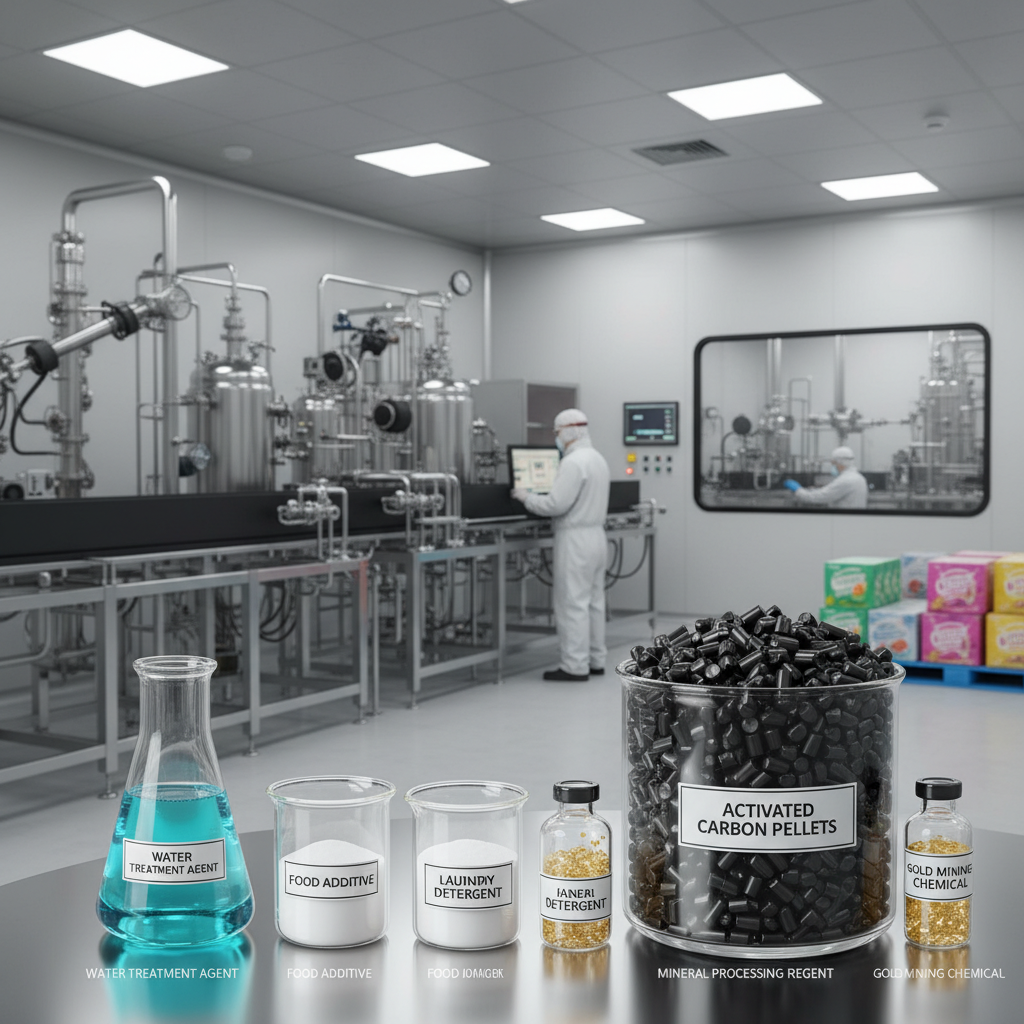
The applications of activated carbon pellets are incredibly diverse. In water treatment, they remove chlorine, sediment, and volatile organic compounds, improving taste and odor. Air purification systems utilize them to eliminate odors, gases, and pollutants, creating cleaner indoor air quality. The chemical and pharmaceutical industries leverage their adsorption properties for purification and separation processes. They also find use in gas masks, solvent recovery systems, and even in the food and beverage industry for decolorization and purification. Explore our product range to find the perfect activated carbon pellets for your application.
Application Benefits:
• Improved water quality
• Enhanced air purity
• Efficient purification in chemical processes
• Effective gas and odor removal
Choosing the Right Activated Carbon Pellets: Key Considerations
Selecting the appropriate activated carbon pellets requires careful consideration of several factors. Pore size distribution is critical, as it determines the size of the molecules that can be adsorbed. Different applications require different pore sizes. The source material (coal, wood, coconut shell) also influences performance and cost. Finally, the activation process impacts the surface area and adsorption capacity. SDJZ-Chem's expert team can assist you in selecting the optimal pellets for your specific needs.
The Benefits of Using Activated Carbon Pellets
Using activated carbon pellets offers numerous benefits, including high efficiency, cost-effectiveness, and environmental friendliness. Their ability to remove a wide range of contaminants makes them a versatile solution for various purification challenges. Compared to other filtration methods, they often require less energy and produce less waste. SDJZ-Chem is committed to providing sustainable and environmentally responsible activated carbon solutions.
Product Specifications
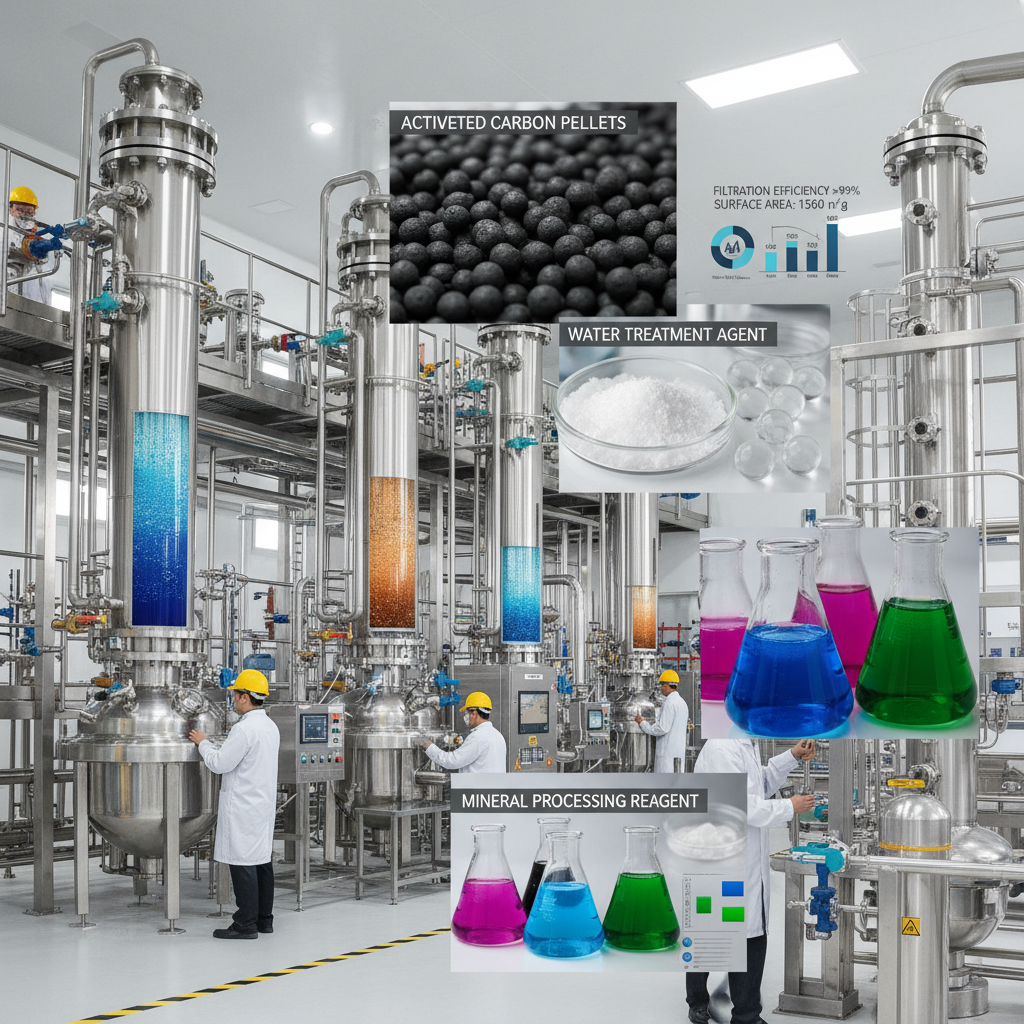
Here’s a sample of the specifications offered by SDJZ-Chem for our activated carbon pellets. Please contact us for detailed datasheets and customized options.
Conclusion: Choose SDJZ-Chem for Your Activated Carbon Needs
SDJZ-Chem offers a comprehensive range of activated carbon pellets designed to meet diverse filtration requirements. Our commitment to quality, sustainability, and customer satisfaction makes us a trusted partner for industries worldwide. Contact us today to discuss your specific application and receive a customized solution.
Frequently Asked Questions (FAQs)
What is the difference between powdered activated carbon and pelletized activated carbon?
Powdered activated carbon (PAC) is finely ground and typically used in batch treatments, while pelletized activated carbon is in a larger, granular form. Pellets are ideal for continuous filtration systems like fixed-bed reactors, offering lower pressure drop and easier handling. PAC is often used for rapid removal of contaminants in emergencies. Choosing between the two depends on your specific application and filtration system design. Pellets are preferred when long contact times and efficient regeneration are required.
How often should activated carbon pellets be replaced?
The replacement frequency depends on the contaminant load and the specific application. Monitoring the effluent quality is the best way to determine when replacement or regeneration is needed. Generally, replacement or regeneration is required when the adsorption capacity is exhausted, and breakthrough of contaminants occurs. Regular testing and analysis are crucial for maintaining optimal filtration performance.
Can activated carbon pellets be regenerated?
Yes, activated carbon pellets can often be regenerated, extending their lifespan and reducing waste. Regeneration involves removing the adsorbed contaminants through processes like thermal oxidation or steam stripping. However, regeneration isn’t always complete, and some loss of adsorption capacity may occur over time. SDJZ-Chem can provide guidance on appropriate regeneration methods for your specific activated carbon type and application.
Are activated carbon pellets safe to handle?
While generally safe, activated carbon pellets can generate dust during handling, which may cause respiratory irritation. It’s recommended to wear a dust mask and eye protection when handling the pellets. Ensure adequate ventilation in the work area. Refer to the Safety Data Sheet (SDS) for specific safety precautions and handling instructions.