Potassium Ethyl Xanthate: Properties, Applications, and Industrial Importance
Potassium Ethyl Xanthate, commonly abbreviated as PEX, is an important organic sulfur-containing compound widely used in the mining and mineral processing industries. As a highly effective flotation reagent, it plays a critical role in the separation and recovery of valuable sulfide minerals. Due to its strong collecting ability, relatively low cost, and high selectivity, potassium ethyl xanthate has become one of the most commonly used xanthate collectors worldwide.

Chemical Structure and Characteristics
Potassium ethyl xanthate has the chemical formula C₃H₅KOS₂. It belongs to the xanthate family, which are salts or esters of xanthic acid. Structurally, it consists of an ethyl group attached to a dithiocarbonate functional group, with potassium acting as the counterion.
The molecular structure gives potassium ethyl xanthate strong affinity for metal ions, especially those present in sulfide minerals. This property enables it to selectively adsorb onto mineral surfaces, forming hydrophobic layers that allow the minerals to attach to air bubbles during flotation.
Physical Properties
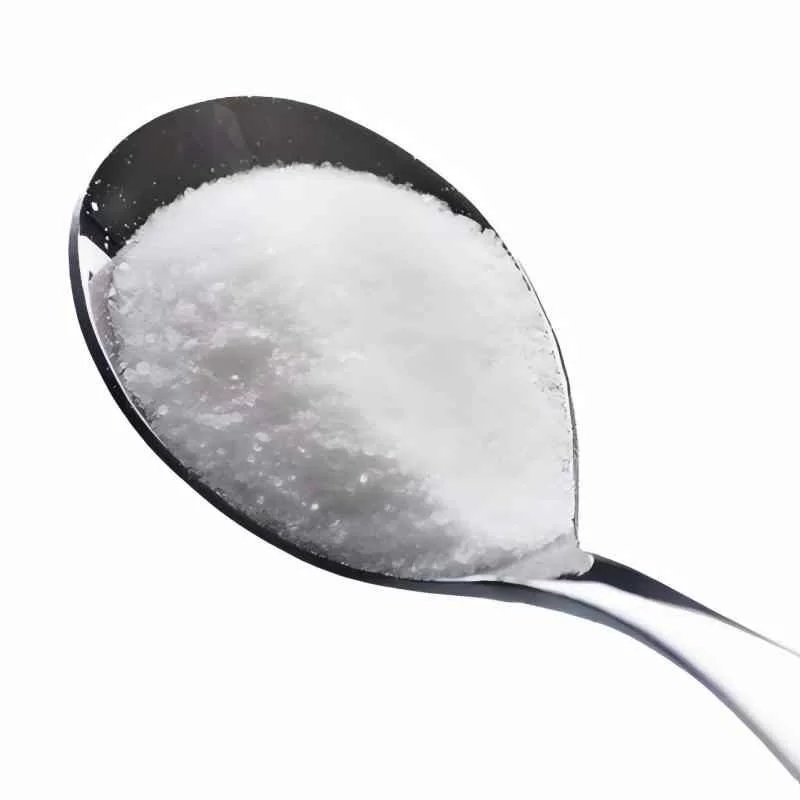
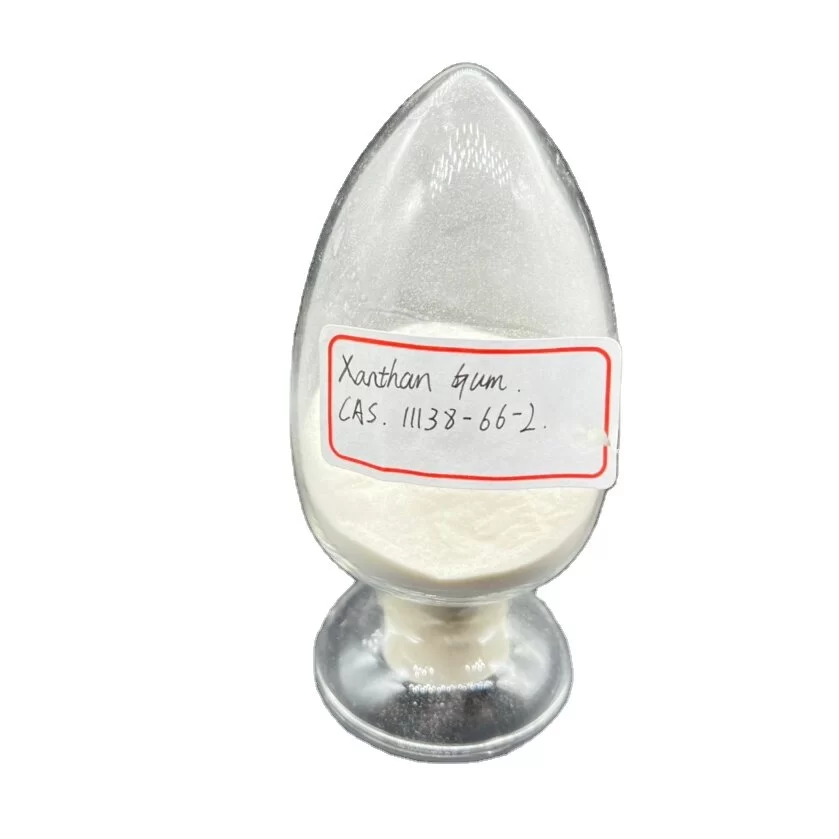
Potassium ethyl xanthate is typically supplied as yellow or pale-yellow granules or powder with a characteristic sulfur-like odor. It is soluble in water and forms alkaline solutions. However, it is unstable in acidic environments, where it decomposes rapidly to release carbon disulfide and alcohol.
Because of its sensitivity to moisture, heat, and acids, potassium ethyl xanthate must be stored under dry, cool, and well-ventilated conditions. Proper packaging and handling are essential to maintain product quality and safety.
Production Process
Potassium ethyl xanthate is produced through the reaction of ethanol with potassium hydroxide to form potassium ethoxide, followed by reaction with carbon disulfide. The process can be summarized as:
Ethanol + Potassium hydroxide → Potassium ethoxide
Potassium ethoxide + Carbon disulfide → Potassium ethyl xanthate
The resulting product is then crystallized, dried, and packaged. Strict control of temperature and reaction conditions is necessary to ensure purity and stability.
Role in Mineral Flotation
The primary application of potassium ethyl xanthate is in froth flotation, a key technique used in mineral beneficiation. In flotation systems, PEX acts as a collector, selectively enhancing the hydrophobicity of target minerals.
It is particularly effective for the flotation of:
Copper sulfide ores
Lead sulfide ores
Zinc sulfide ores
Nickel sulfide ores
Pyrite and other iron sulfides
Potassium ethyl xanthate is known as a “short-chain xanthate,” which provides strong collecting power but relatively lower selectivity compared with longer-chain xanthates. This makes it suitable for easy-to-float ores or as a primary collector in rougher flotation stages.
Advantages in Industrial Use
Potassium ethyl xanthate offers several advantages that explain its widespread industrial adoption:
High collecting efficiency for sulfide minerals
Fast flotation kinetics
Low consumption dosage
Good water solubility
Competitive production cost
Because of these benefits, it is often used in combination with other collectors, frothers, or modifiers to optimize recovery and concentrate grade.
Safety and Handling Considerations
Although potassium ethyl xanthate is highly effective, it presents certain safety risks. It can decompose to release toxic carbon disulfide gas under acidic or high-temperature conditions. Inhalation of dust or vapors may cause irritation to the respiratory system, eyes, and skin.
Therefore, safety measures are essential during storage, transportation, and use. These include:
Keeping containers tightly sealed
Avoiding contact with acids
Using protective gloves and masks
Ensuring adequate ventilation
In industrial environments, strict compliance with chemical safety regulations is required to minimize occupational hazards.
Environmental Aspects
Environmental impact is an important concern in modern mining operations. Xanthates, including potassium ethyl xanthate, can be toxic to aquatic organisms if released untreated into water systems. As a result, flotation tailings and wastewater must be properly treated before discharge.
Common treatment methods include oxidation, biodegradation, and chemical decomposition, which reduce residual xanthate concentrations. Many mining companies now integrate environmental management systems to ensure responsible use of flotation reagents.
Comparison with Other Xanthates
Within the xanthate family, potassium ethyl xanthate is considered one of the strongest collectors due to its short alkyl chain. Compared with potassium amyl xanthate (PAX) or potassium butyl xanthate (PBX), PEX provides:
Stronger collecting power
Lower selectivity
Better performance in fast flotation systems
As a result, PEX is often chosen for rougher flotation or for ores that are relatively easy to float, while longer-chain xanthates are preferred in cleaner stages requiring higher selectivity.
Industrial Importance and Market Demand
With the continuous demand for base metals such as copper, zinc, and nickel, the global mining industry remains heavily dependent on flotation technology. Potassium ethyl xanthate plays an indispensable role in maintaining high recovery rates and economic efficiency.
Despite increasing research into alternative and greener collectors, xanthates remain dominant due to their reliability, cost-effectiveness, and proven performance. Improvements in dosage control and wastewater treatment have further strengthened their long-term industrial relevance.
Future Development Trends
Future development of potassium ethyl xanthate focuses on improving safety, reducing environmental impact, and enhancing selectivity. Research efforts include modified xanthates, controlled-release formulations, and combined reagent systems that reduce overall chemical consumption.
As sustainability becomes a central goal in mining, potassium ethyl xanthate will likely continue to be used alongside advanced process control and environmental technologies.
Potassium Ethyl Xanthate is a vital flotation reagent with significant industrial value. Its strong collecting ability, ease of use, and economic advantages make it a cornerstone of sulfide mineral beneficiation. While safety and environmental concerns require careful management, proper handling and treatment methods allow it to be used effectively and responsibly.
As global mineral demand continues to grow, potassium ethyl xanthate will remain an essential component in modern mineral processing, supporting efficient resource utilization and sustainable industrial development.