Sodium Fatty Alcohol Polyoxyethylene Ether Sulfate (AES): Properties, Applications, and Environmental Significance
Sodium Fatty Alcohol Polyoxyethylene Ether Sulfate, commonly known as AES, is one of the most widely used anionic surfactants in the modern chemical industry. Due to its excellent detergency, emulsifying ability, and foaming performance, AES plays a crucial role in household cleaning products, personal care formulations, and industrial detergents. As consumer demand for effective yet environmentally friendly surfactants increases, AES has become a key material balancing performance, cost, and biodegradability.
Chemical Structure and Composition
AES is derived from fatty alcohols, which are typically obtained from natural oils such as palm oil or coconut oil, or from petrochemical sources. Through ethoxylation, fatty alcohols react with ethylene oxide to form fatty alcohol polyoxyethylene ethers. These intermediates are then sulfated and neutralized with sodium hydroxide, producing the final anionic surfactant AES.
Its general chemical structure can be represented as:
RO–(CH₂CH₂O)ₙ–SO₃Na
In this structure, R represents the alkyl chain of the fatty alcohol, while n indicates the average number of ethylene oxide units, usually ranging from 1 to 3 in commercial products. This molecular design provides AES with both hydrophobic and hydrophilic groups, enabling it to effectively reduce surface tension and interact with oils, dirt, and water simultaneously.
Physical and Chemical Properties
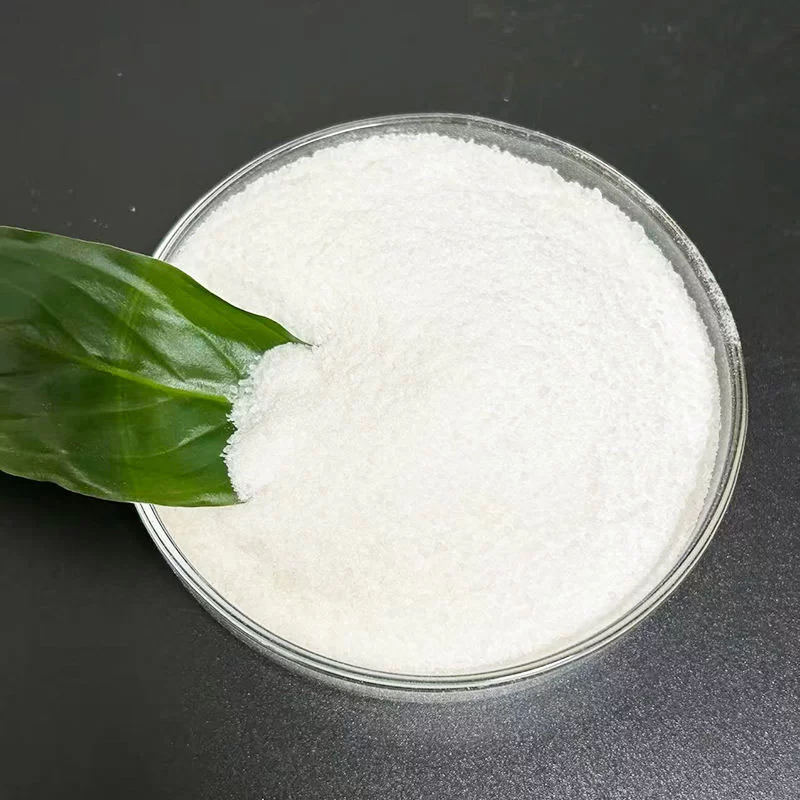
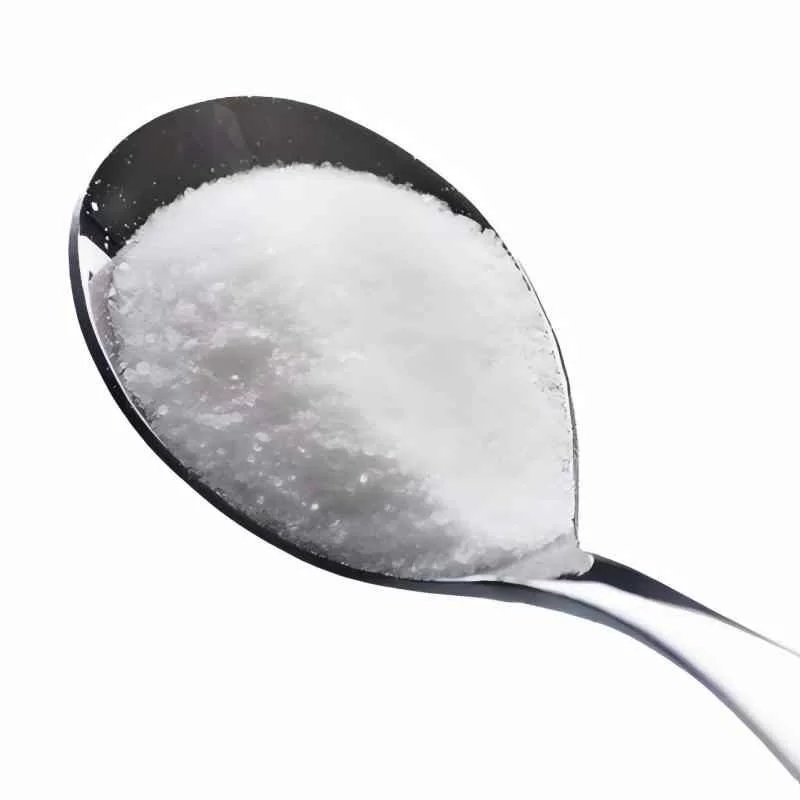
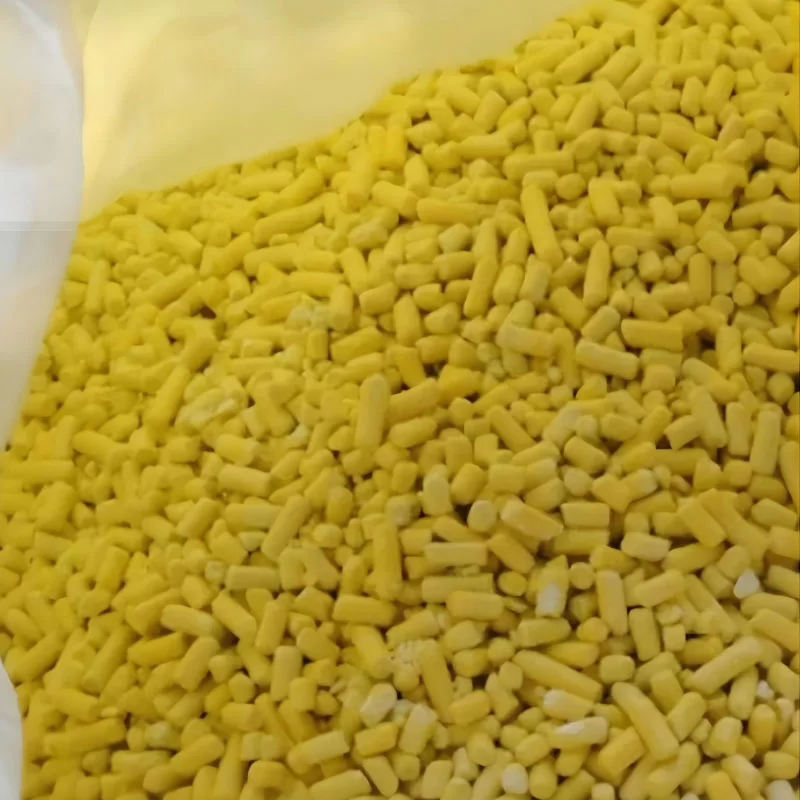
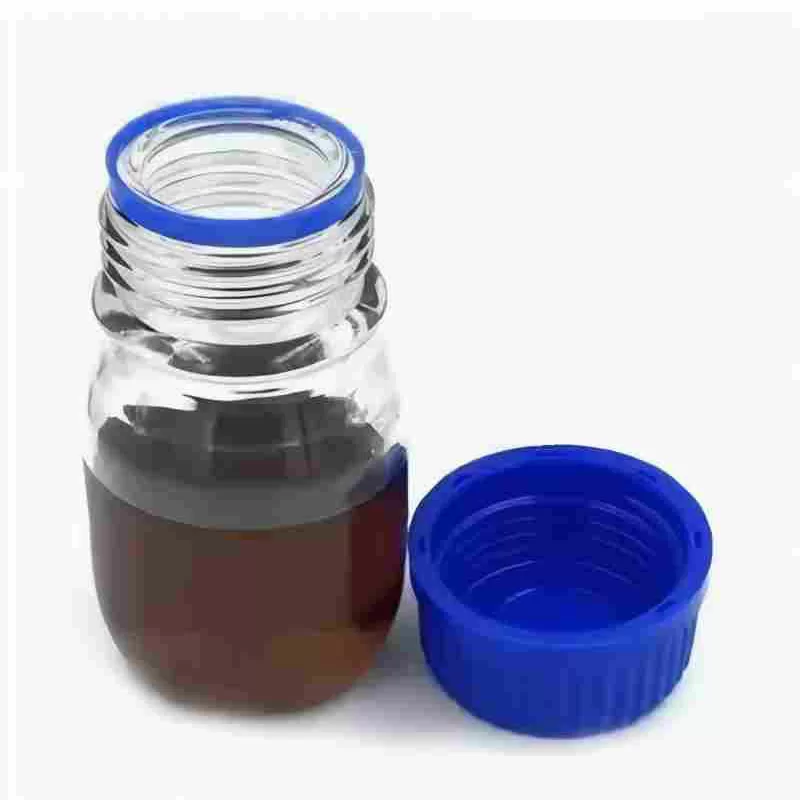
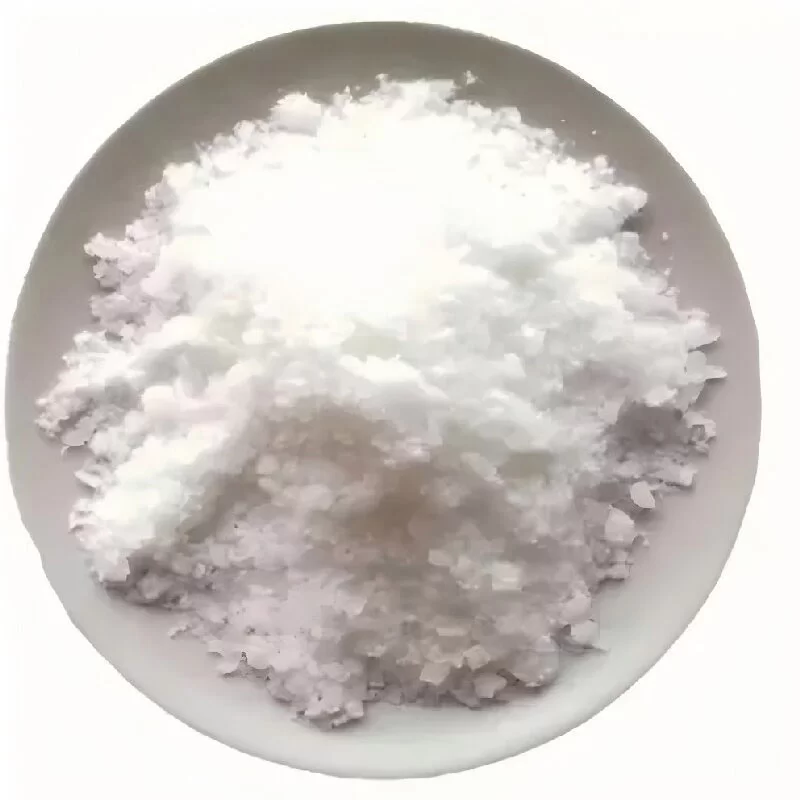
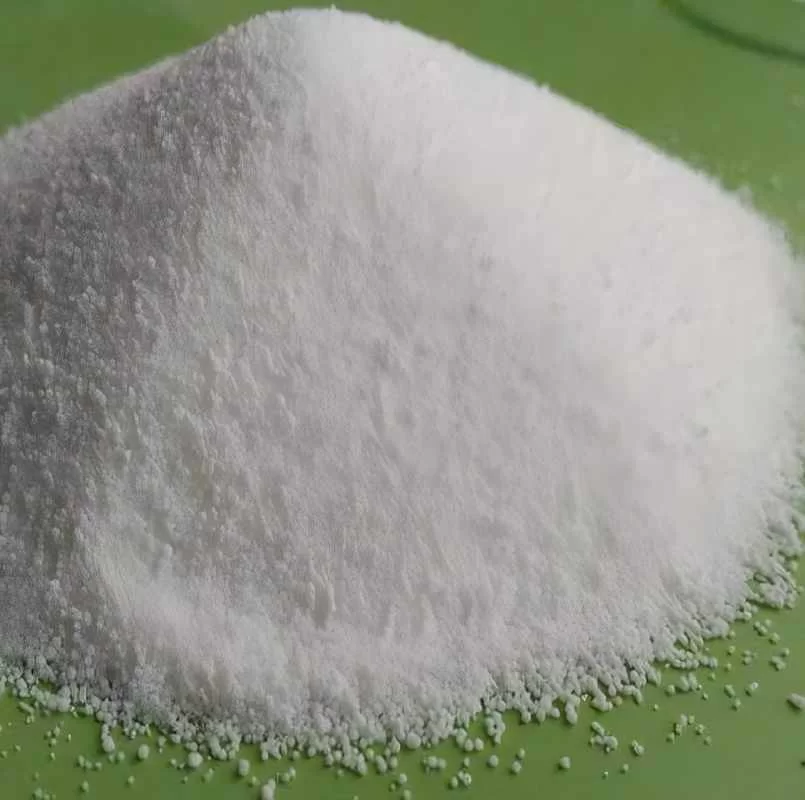
AES is usually supplied as a clear or slightly yellow viscous liquid or paste, depending on concentration. It exhibits excellent solubility in water and maintains stable performance over a wide pH range. Compared with traditional surfactants such as sodium dodecyl sulfate (SDS), AES offers milder skin compatibility while retaining strong cleansing ability.
Key properties of AES include:
High detergency and wetting power
Strong and stable foam generation
Good emulsification and dispersion ability
Compatibility with other surfactants
Relatively low irritation to skin and eyes
These characteristics make AES particularly suitable for daily-use products that require both efficiency and user safety.
Applications in Household Cleaning Products
One of the primary applications of AES is in household detergents. It is widely used in laundry detergents, dishwashing liquids, and multipurpose cleaners. AES effectively removes grease, oils, and particulate soil from fabric and hard surfaces, even at relatively low concentrations.
In liquid detergents, AES contributes to rapid foaming and easy rinsing, improving consumer experience. Its ability to perform well in both soft and hard water further enhances its practicality in different geographical regions.
Because of its cost-effectiveness and reliable performance, AES remains a core surfactant in many detergent formulations worldwide.
Use in Personal Care Products
AES is also extensively applied in personal care products such as shampoos, shower gels, facial cleansers, and hand soaps. Compared with harsher surfactants, AES provides gentle cleansing while maintaining sufficient foaming, which consumers often associate with cleanliness.
When properly formulated with conditioning agents and mild co-surfactants, AES-based products can offer good skin feel and reduced irritation. This balance between cleansing strength and mildness has made AES a standard ingredient in mass-market personal care formulations.
Industrial and Institutional Applications
Beyond household and personal care uses, AES is employed in a wide range of industrial applications. It is used in textile processing for scouring and washing, where it helps remove oils and impurities from fibers. In the leather industry, AES assists in degreasing and cleaning hides during preparation stages.
In industrial cleaners, AES functions as a wetting and emulsifying agent, improving the efficiency of alkaline or neutral cleaning systems. It is also used in car wash formulations, metal cleaning solutions, and general-purpose degreasers.
Environmental Performance and Biodegradability
With growing awareness of environmental protection, the ecological impact of surfactants has become increasingly important. AES is considered to have good biodegradability under aerobic conditions. The fatty alcohol portion can be readily decomposed by microorganisms, while the ethoxylated sulfate group breaks down into less harmful substances.
Compared with older surfactants, AES shows lower bioaccumulation potential and reduced long-term environmental persistence. Many AES products meet international standards for biodegradability, making them acceptable for widespread consumer use.
Nevertheless, responsible formulation and wastewater treatment remain essential to minimize environmental load, especially in regions with limited sewage infrastructure.
Safety and Health Considerations
AES is generally regarded as safe when used within recommended concentrations. However, as with most surfactants, prolonged or high-level exposure may cause skin or eye irritation. For this reason, occupational handling requires appropriate protective measures such as gloves and safety goggles.
In consumer products, AES concentrations are carefully controlled, and formulations often include moisturizing or soothing agents to reduce irritation. Regulatory authorities in many countries evaluate AES under chemical safety frameworks to ensure its safe use in daily-life applications.
Comparison with Other Surfactants
Compared with linear alkylbenzene sulfonate (LAS), AES offers better solubility, milder skin effects, and improved performance in liquid formulations. While LAS remains popular in powder detergents due to cost advantages, AES dominates the liquid detergent and personal care markets.
Compared with nonionic surfactants, AES provides stronger foaming and better dirt removal, although it may be slightly more sensitive to water hardness. For this reason, AES is often blended with other surfactant types to achieve optimal formulation balance.
Future Development Trends
As the chemical industry moves toward sustainability, the development of greener surfactants is a major trend. AES derived from natural fatty alcohols is increasingly favored, and manufacturers are focusing on reducing energy consumption and emissions during production.
Research efforts also aim to improve mildness, enhance biodegradability, and reduce sulfate content while maintaining performance. Modified AES products and blended systems continue to expand their application scope in both consumer and industrial markets.
Sodium Fatty Alcohol Polyoxyethylene Ether Sulfate (AES) is a highly versatile and essential surfactant in modern chemical formulations. Its balanced combination of strong detergency, good foaming ability, mild skin compatibility, and acceptable environmental profile has secured its position in household, personal care, and industrial cleaning products.
As consumer expectations evolve toward safety, performance, and sustainability, AES will continue to play a central role in surfactant technology. Through continuous improvement in raw materials, processing methods, and formulation science, AES is expected to remain a key component in the future of cleaning and hygiene industries.