Calcium Hypochlorite: Properties, Applications, and Safety Considerations
Calcium hypochlorite, commonly known as bleaching powder or chlorinated lime, is an important inorganic chemical compound widely used for disinfection, sanitation, and water treatment. With the chemical formula Ca(OCl)₂, it is a white or grayish solid with a strong chlorine odor. Due to its high oxidizing power and ability to release chlorine in water, calcium hypochlorite plays a crucial role in public health, industrial processes, and environmental protection.
Chemical Properties
Calcium hypochlorite is a calcium salt of hypochlorous acid. It is typically produced by reacting calcium hydroxide with chlorine gas under controlled conditions. The resulting product contains varying percentages of available chlorine, usually between 65% and 70%, which determines its effectiveness as a disinfectant.
The compound is relatively stable when kept dry and cool, but it decomposes gradually when exposed to moisture, heat, or sunlight. When dissolved in water, calcium hypochlorite reacts to form hypochlorous acid (HOCl), the active agent responsible for its strong disinfecting and bleaching effects. This reaction can be represented as:
Physical Characteristics
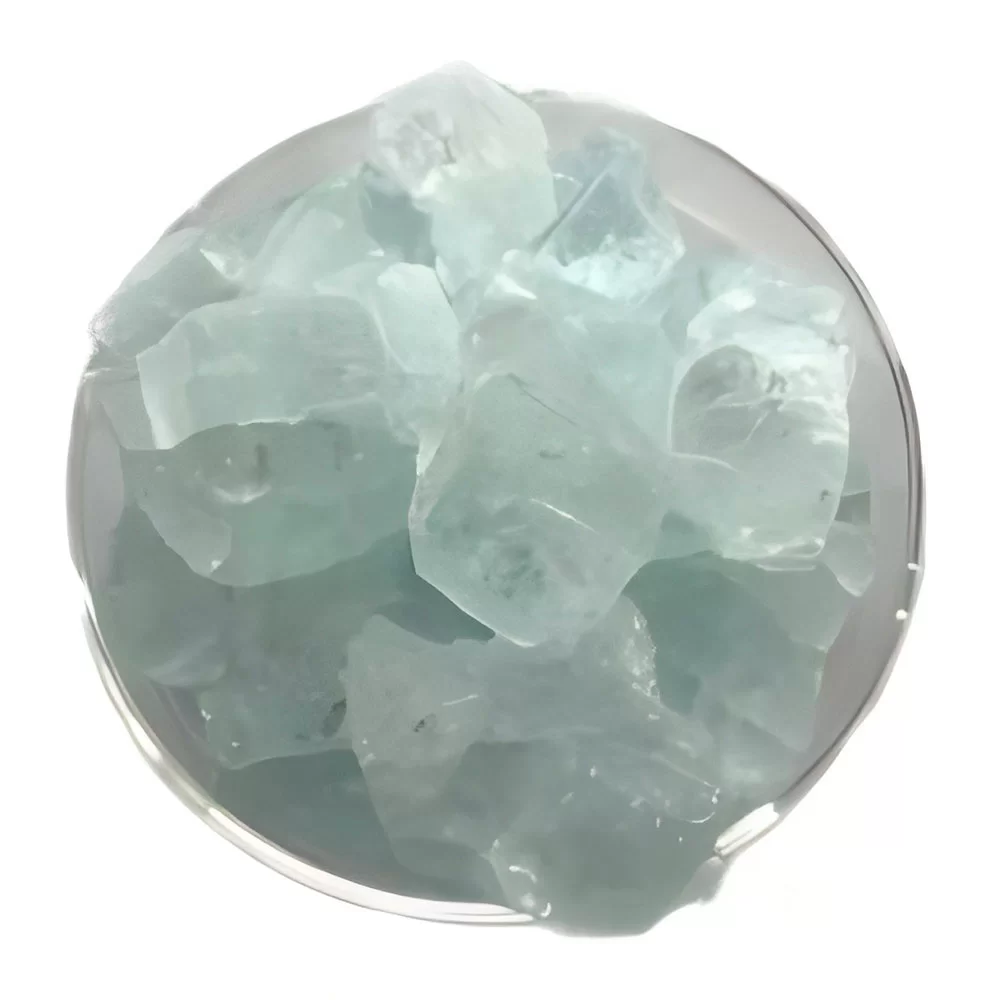
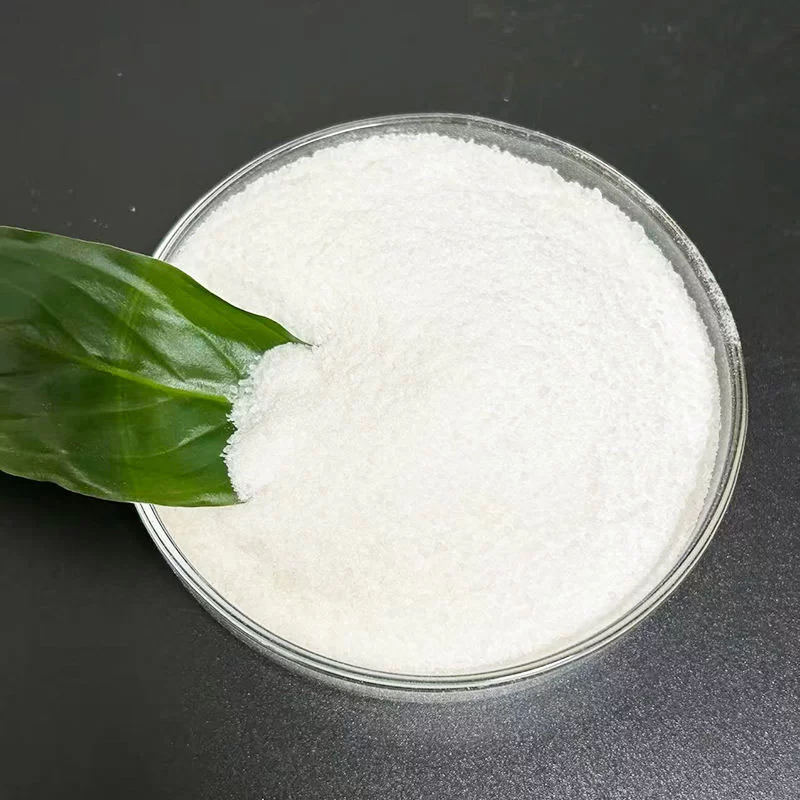
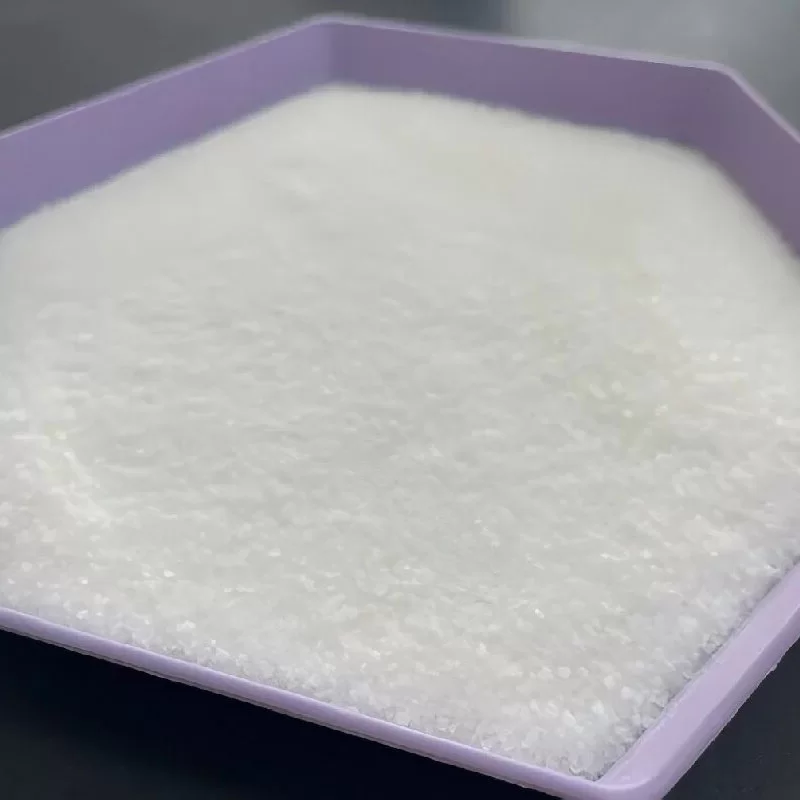
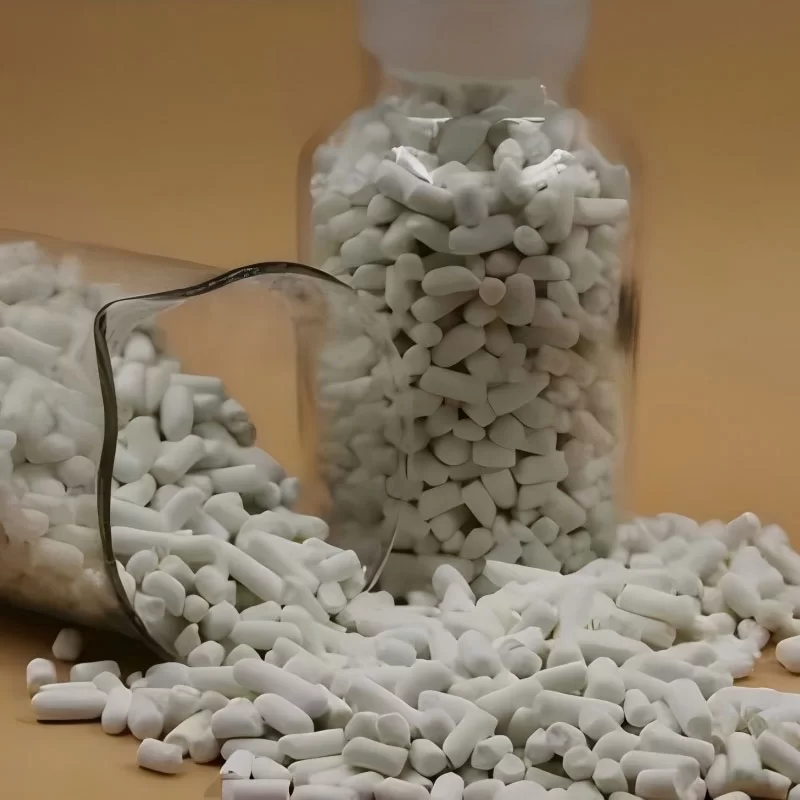
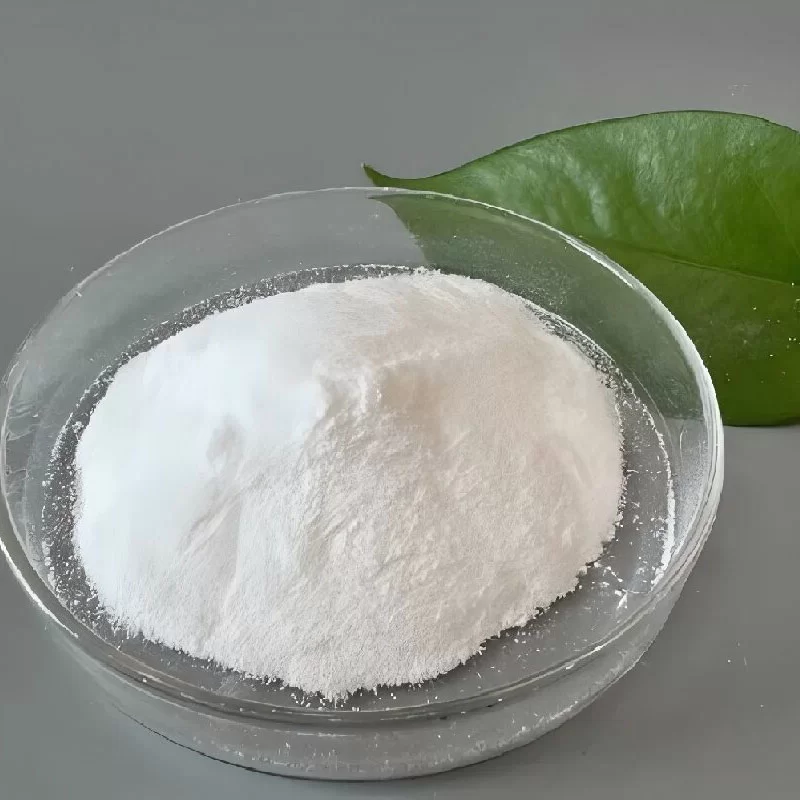
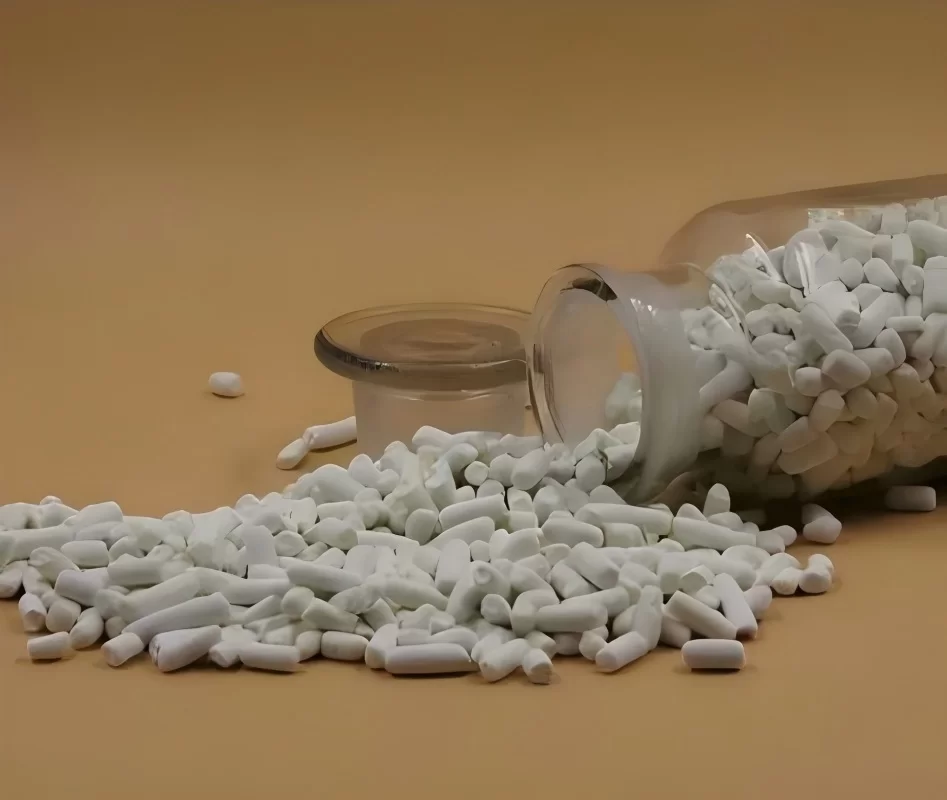
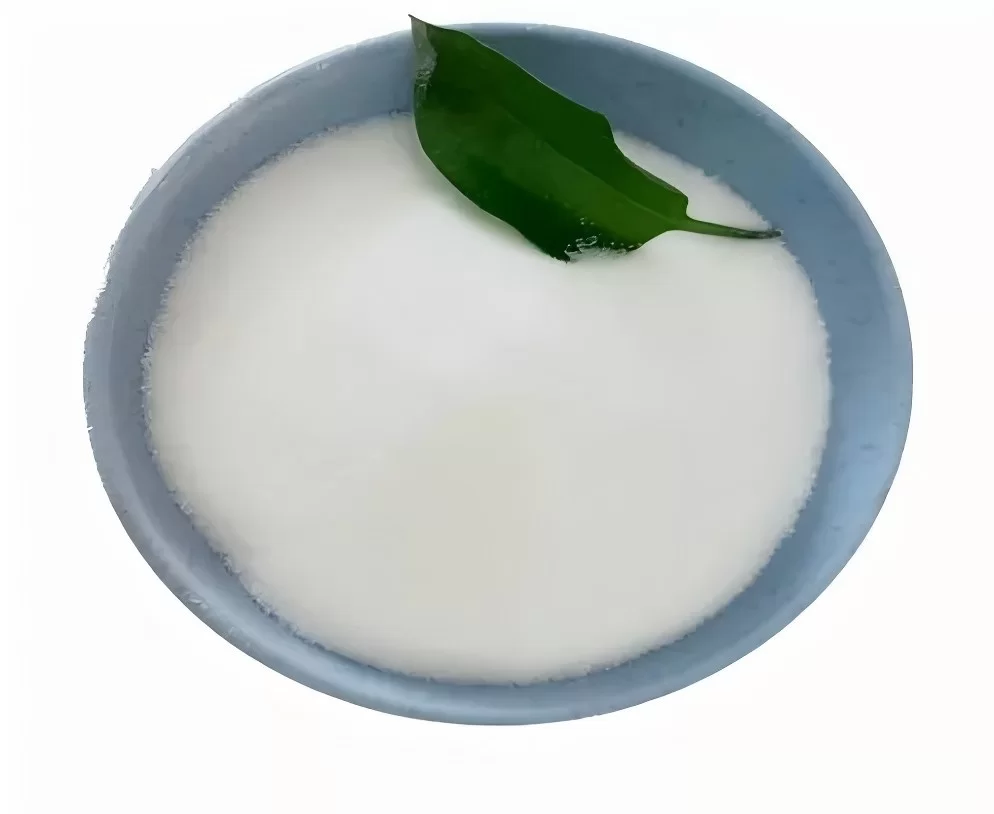
In appearance, calcium hypochlorite is usually found as granules, tablets, or powder. It is only slightly soluble in water, but sufficient amounts dissolve to provide effective disinfection. Compared with sodium hypochlorite (liquid bleach), calcium hypochlorite is more stable during storage and has a higher chlorine concentration, making it suitable for long-term use and transportation.
However, it is also more reactive and must be handled carefully. It can react violently with organic materials, reducing agents, or acids, sometimes causing fire or explosion under improper conditions.
Applications in Water Treatment
One of the most significant uses of calcium hypochlorite is in drinking water and wastewater treatment. It is widely employed by municipal water facilities, especially in rural or emergency settings, because it is easy to store and transport. When added to water in controlled amounts, it effectively eliminates pathogenic microorganisms and ensures water safety.
In swimming pools, calcium hypochlorite is commonly used as a chlorine source to maintain proper sanitation levels. It helps control bacteria growth, prevents algae formation, and keeps water clear. Compared with liquid chlorine, it is easier to measure and less likely to spill, which improves operational safety.
Industrial and Agricultural Uses
Calcium hypochlorite also has important industrial applications. In the textile industry, it is used as a bleaching agent for cotton and linen fabrics. Its strong oxidizing properties allow it to remove natural pigments and stains, producing brighter and cleaner materials.
In agriculture, calcium hypochlorite is sometimes applied for disinfecting irrigation systems, tools, and storage areas. It can also be used to control microbial contamination in post-harvest handling of fruits and vegetables, helping reduce spoilage and extend shelf life.
Additionally, it is employed in the paper industry, food processing equipment sanitation, and odor control systems.
Role in Emergency and Disaster Situations
Calcium hypochlorite is particularly valuable in emergency response situations, such as natural disasters, floods, or refugee camps. In these conditions, access to clean drinking water is often limited. Because calcium hypochlorite is lightweight, concentrated, and effective in small doses, it can be distributed easily to provide rapid water disinfection.
International health organizations often recommend it for emergency water purification, as it can significantly reduce the risk of waterborne diseases such as cholera, typhoid, and dysentery.
Health and Safety Considerations
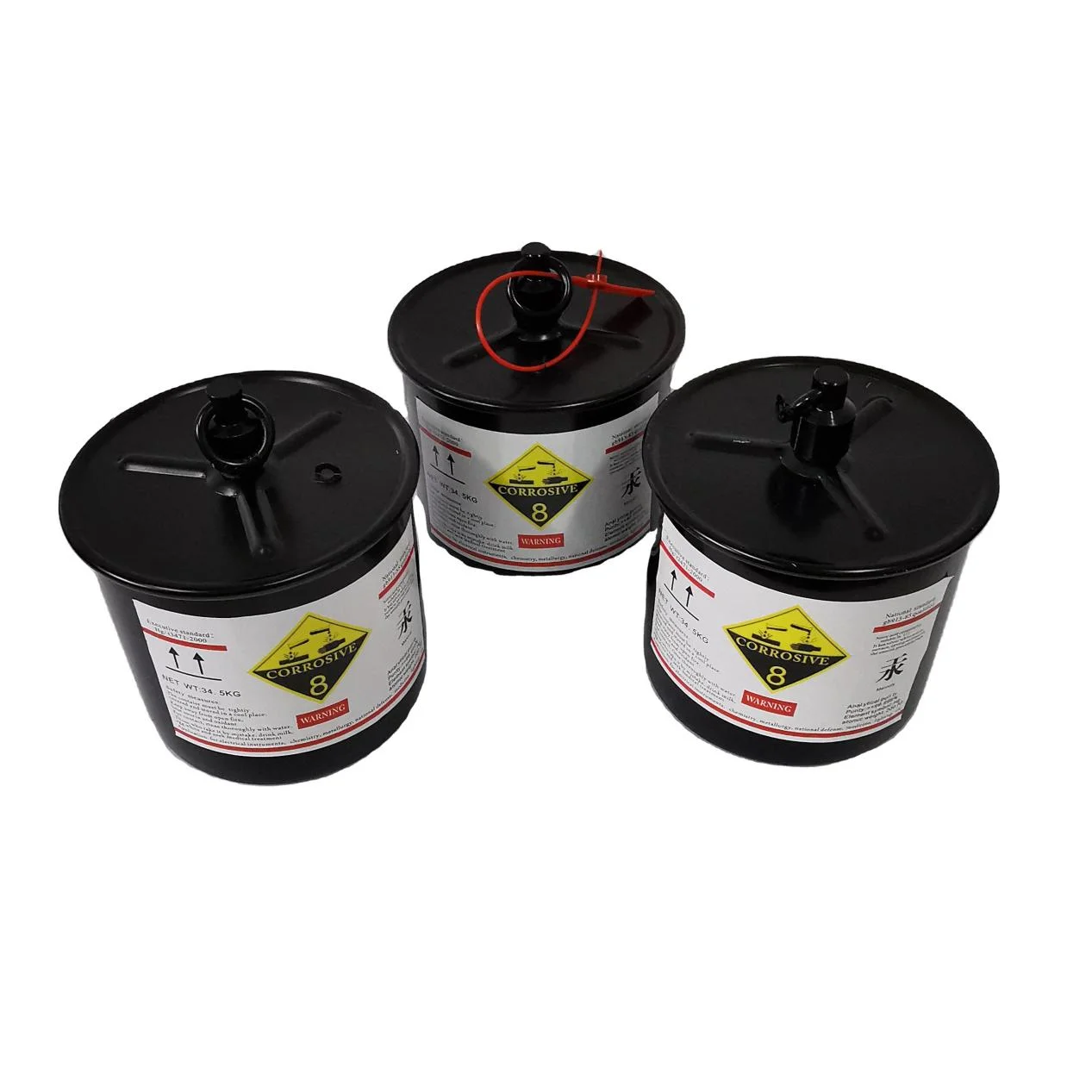
Despite its usefulness, calcium hypochlorite poses potential health and safety risks if not handled correctly. Direct contact with the skin or eyes can cause irritation or burns. Inhalation of chlorine vapors released during decomposition may lead to respiratory problems.
Proper protective equipment, including gloves, goggles, and masks, should be worn when handling the chemical. It must be stored in tightly sealed containers, away from heat, moisture, acids, and flammable substances. Mixing calcium hypochlorite with ammonia or organic materials can result in dangerous reactions and toxic gas formation.
Training and strict safety protocols are therefore essential in workplaces that use this compound.
Environmental Impact
When used appropriately, calcium hypochlorite contributes positively to environmental health by reducing harmful microorganisms in water systems. However, excessive chlorine discharge can negatively affect aquatic life, as chlorine compounds are toxic to fish and other organisms.
For this reason, wastewater treatment facilities carefully monitor chlorine dosage and often apply dechlorination processes before releasing treated water into natural environments. Responsible management ensures that the benefits of calcium hypochlorite are balanced with environmental protection.
Comparison with Other Chlorine Compounds
Compared with sodium hypochlorite, calcium hypochlorite offers higher stability and chlorine content but requires more careful handling. Chlorine gas, while highly effective, poses greater risks due to its toxicity and pressurized storage requirements. As a result, calcium hypochlorite is often considered a safer and more practical alternative, especially for small-scale or decentralized water treatment systems.
Calcium hypochlorite is a versatile and powerful chemical compound with wide-ranging applications in water treatment, sanitation, industry, agriculture, and emergency response. Its effectiveness as a disinfectant stems from its ability to release hypochlorous acid, a strong oxidizing agent capable of destroying harmful microorganisms.
While its benefits are significant, calcium hypochlorite must be handled responsibly due to its reactive nature and potential health hazards. With proper storage, correct dosage, and strict safety measures, it remains one of the most reliable and widely used chlorine-based disinfectants in the modern world.
As global demand for clean water and effective sanitation continues to grow, calcium hypochlorite will remain an essential chemical in safeguarding public health and supporting sustainable development.