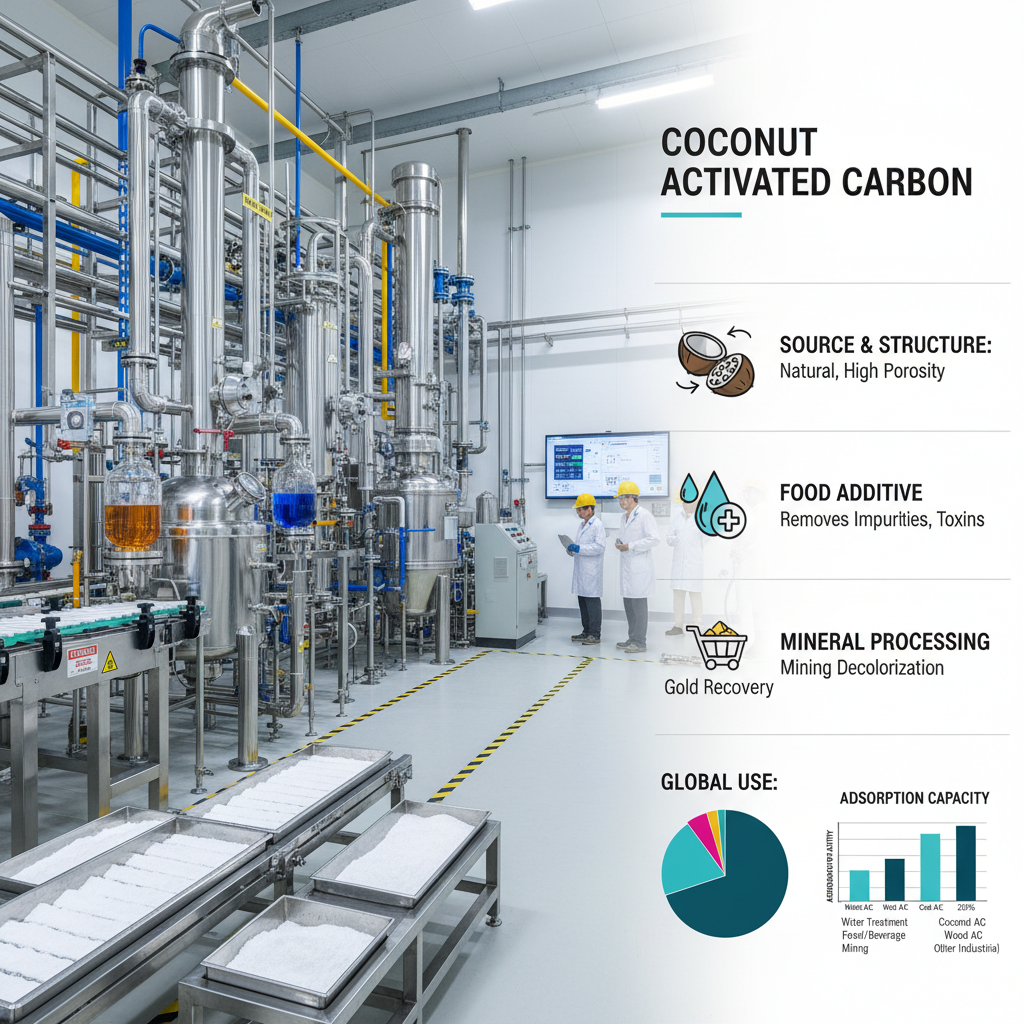
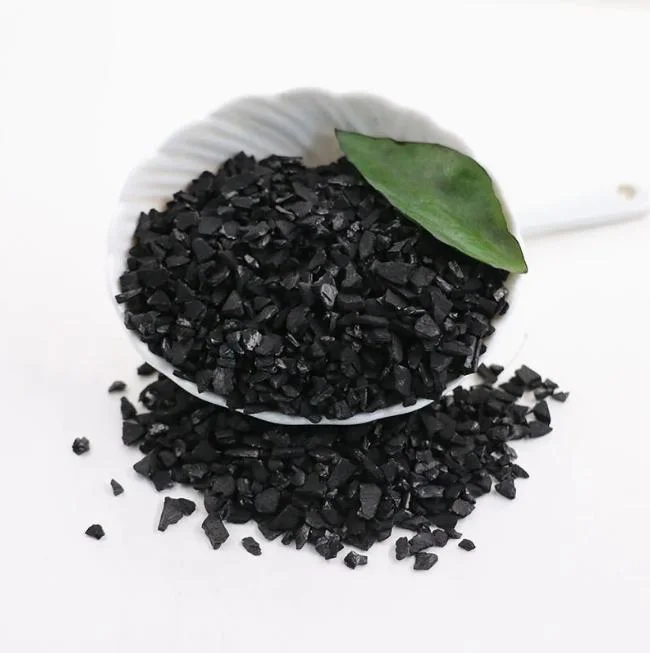
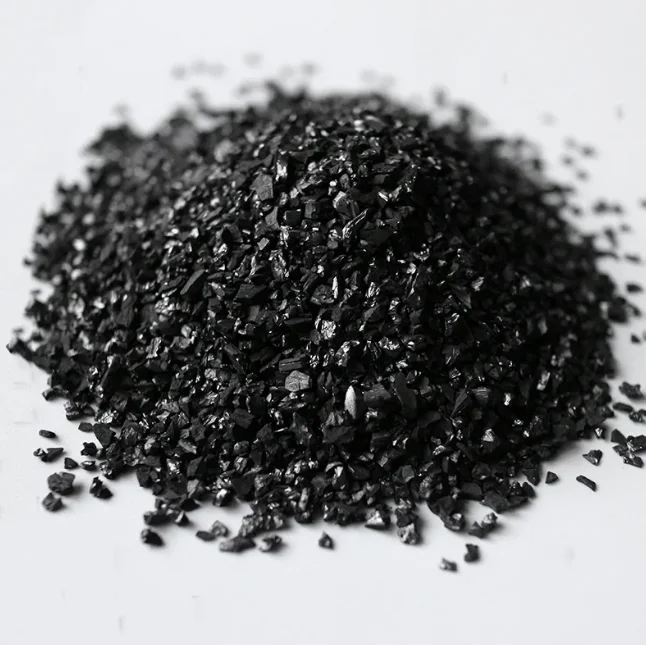
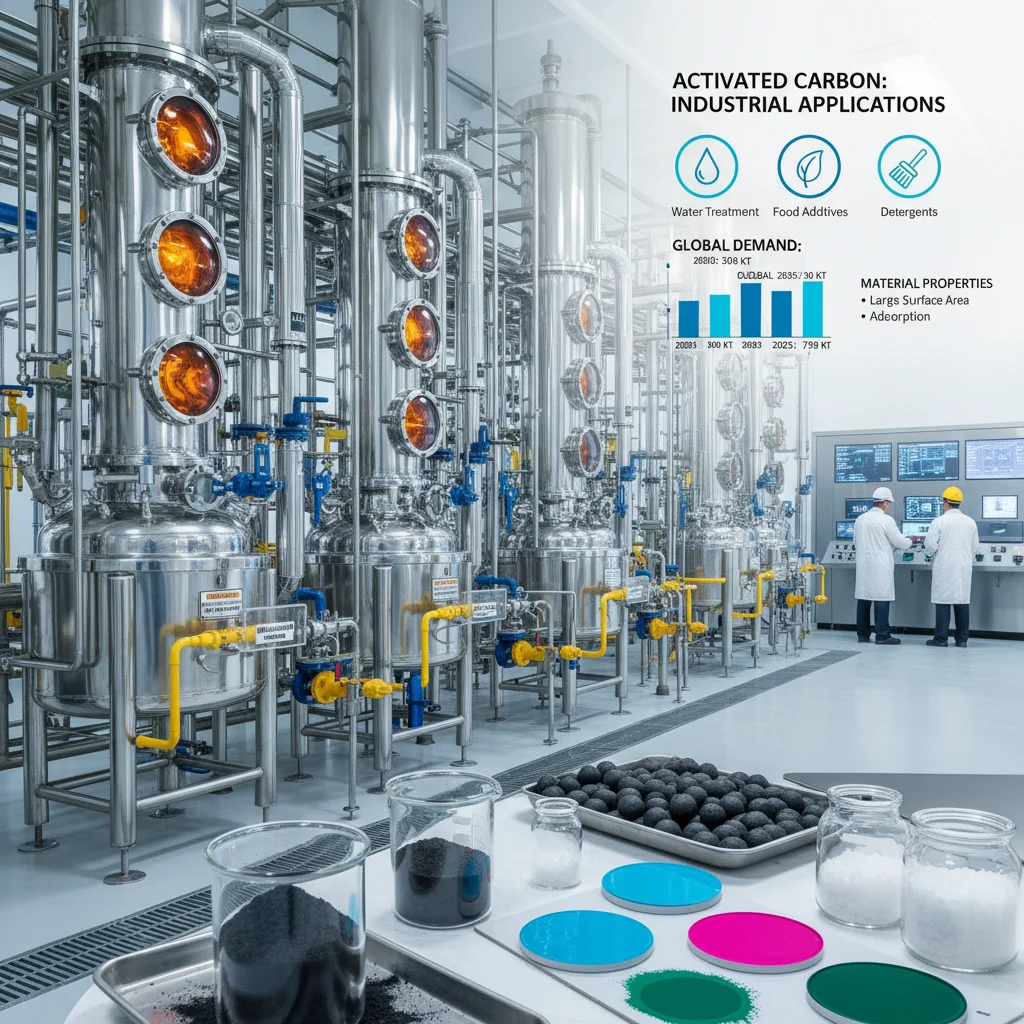
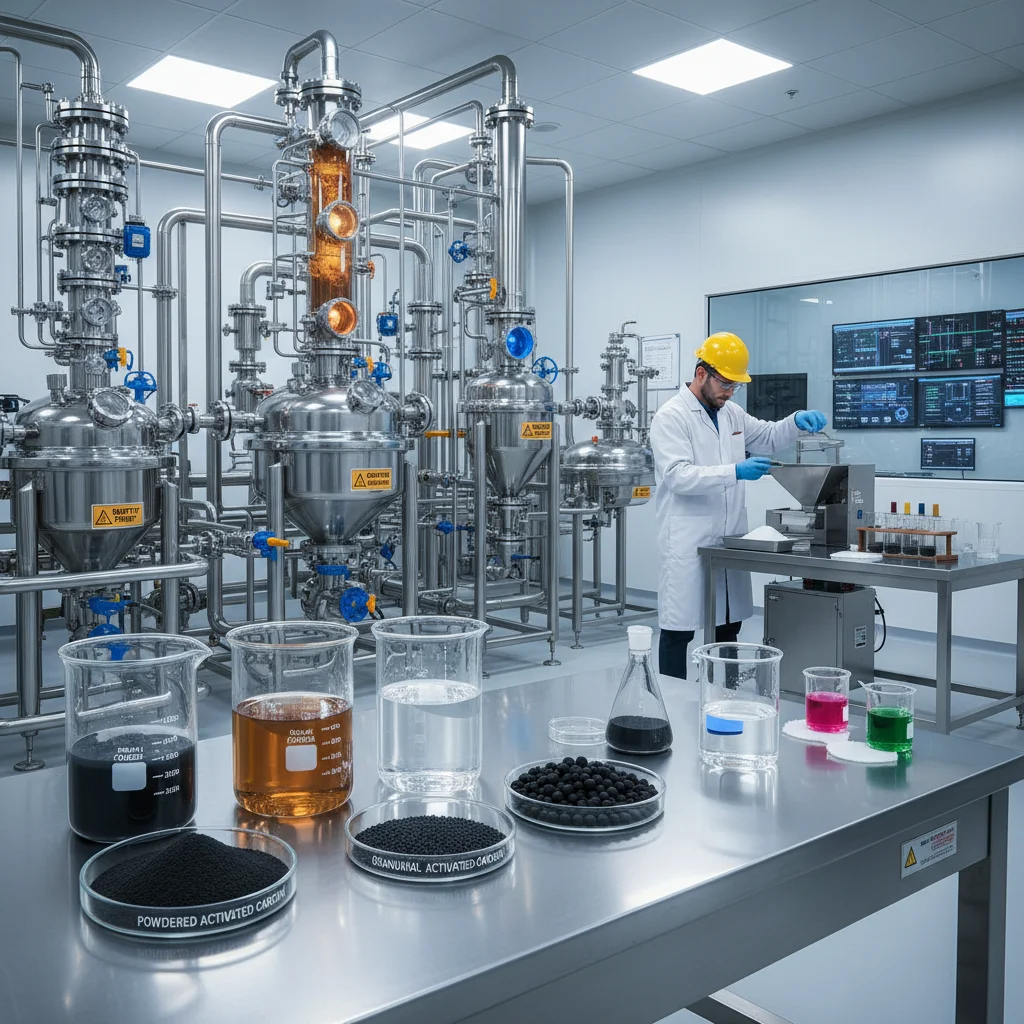
In the modern landscape of industrial filtration and purification, coconut activated carbon has emerged as a gold standard for high-efficiency adsorption. By leveraging the natural cellular structure of coconut shells, this material provides an unparalleled surface area that captures micropollutants with precision, making it indispensable for everything from drinking water safety to advanced chemical processing.
The global shift toward sustainable manufacturing has pushed industries to move away from coal-based carbons in favor of renewable alternatives. coconut activated carbon not only reduces the carbon footprint of production but also offers superior hardness and attrition resistance, ensuring that filtration systems maintain their integrity even under high-pressure industrial flows.
Understanding the nuances of this material is critical for engineers and procurement specialists in the water treatment and chemical sectors. By optimizing the selection of pore sizes and activation methods, businesses can significantly reduce operational costs while meeting stringent environmental regulations and improving the purity of their final product outputs.
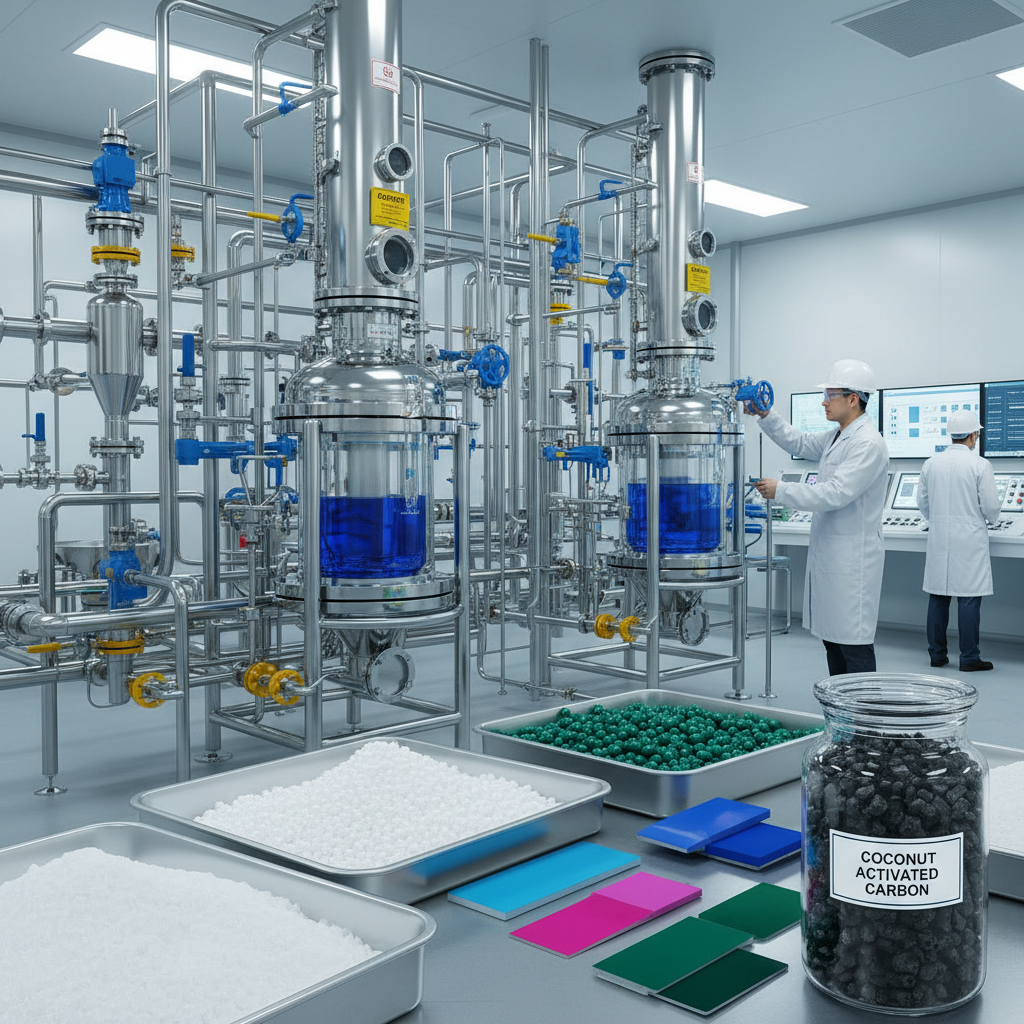
Global Industry Context of Coconut Activated Carbon
The global demand for coconut activated carbon is driven by an escalating crisis in water scarcity and chemical pollution. According to ISO standards for air and water quality, the need for microporous adsorbents has surged as urban populations grow and industrial effluents become more complex. This has transformed coconut shell waste from an agricultural byproduct into a high-value commodity in the international chemical market.
Many developed nations are now implementing stricter "Zero Liquid Discharge" (ZLD) policies, forcing manufacturers to seek adsorption media that can handle low-concentration contaminants with high precision. The ability of coconut-based media to target small molecular weight organic compounds makes it the preferred choice over wood or coal alternatives in high-tech pharmaceutical and semiconductor fabrication plants.
Defining the Properties of Coconut Activated Carbon
At its core, coconut activated carbon is a porous form of carbon produced through the controlled carbonization and activation of coconut shells. Unlike other precursors, coconut shells have a naturally dense structure that, when activated via steam or chemical agents, creates a vast network of micropores (pores smaller than 2 nanometers). This unique architecture is what allows the material to act as a molecular sieve, trapping impurities while allowing clean water or air to pass through.
From a technical standpoint, the "activation" process is where the magic happens. By exposing the carbonized shells to high temperatures and oxidizing agents, the internal surface area is expanded—often reaching over 1,000 square meters per gram. This ensures that the material has an incredible capacity for adsorption, making it a critical tool for removing chlorine, volatile organic compounds (VOCs), and odors from various industrial streams.
In the context of modern humanitarian needs, this material plays a pivotal role in providing potable water in disaster-stricken areas. Because it is highly effective at removing toxins and pathogens from groundwater, it is frequently integrated into portable filtration systems used by NGOs and government agencies to prevent waterborne diseases in remote regions.
Core Components for Performance Efficiency
One of the most critical factors in the performance of coconut activated carbon is its Micropore Distribution. The ratio of micropores to mesopores determines which specific molecules the carbon can capture. For gold mining or water treatment, a high density of small pores is essential for capturing the smallest chemical contaminants that would otherwise slip through coarser filters.
Mechanical Hardness is another pillar of efficiency. Coconut-based carbon is significantly harder than coal-based carbon, meaning it suffers far less from "attrition" or crumbling during backwashing cycles. This durability ensures that the coconut activated carbon does not create "fines" that could clog downstream equipment or contaminate the purified output.
Lastly, Chemical Purity ensures that the carbon itself does not leach ash or metallic impurities into the processed liquid. High-grade coconut carbon is processed to minimize ash content, which is vital for food-grade additives and pharmaceutical applications where the strictest purity standards are non-negotiable.
Global Applications and Industrial Use Cases
The versatility of coconut activated carbon is evident across diverse sectors. In the gold mining industry, it is used in Carbon-in-Pulp (CIP) and Carbon-in-Leach (CIL) processes to adsorb gold-cyanide complexes from ore slurries. Its high hardness is a key advantage here, as it can withstand the abrasive nature of mining slurries without disintegrating.
In the realm of water treatment, specifically for municipal drinking water, it is utilized to remove taste and odor compounds as well as PFAS "forever chemicals." From the high-tech hubs of Singapore to the industrial zones of Germany, coconut-based filtration is the primary defense against chlorine residuals and organic pollutants in city-wide water grids.
Comparative Efficiency of Carbon Sources
Long-Term Value and Sustainability Advantages
Investing in coconut activated carbon offers a double dividend: operational reliability and environmental stewardship. Unlike coal-based carbon, which relies on extractive mining, coconut shells are a renewable agricultural byproduct. By utilizing waste from the food industry, companies can improve their ESG (Environmental, Social, and Governance) ratings and reduce their reliance on fossil-fuel-derived materials.
Moreover, the long-term cost efficiency is driven by the material's lifespan. Due to its superior hardness, it requires less frequent replacement and exhibits lower pressure drops over time. This reduces the energy consumption of pumping systems and minimizes the waste generated from spent carbon, creating a lean, sustainable loop in the industrial purification process.
Future Trends in Carbon Activation Technology
The future of coconut activated carbon is moving toward "Tailored Pore Engineering." Using advanced chemical activation and plasma-enhanced processes, manufacturers can now create carbon with specific pore sizes designed to target a single, specific molecule. This level of precision will revolutionize the pharmaceutical industry, allowing for the ultra-purification of drug precursors with minimal waste.
Digital transformation is also touching the carbon industry. We are seeing the integration of IoT sensors in filtration columns to monitor the saturation levels of coconut activated carbon in real-time. This prevents "breakthrough" (where pollutants pass through the filter) and optimizes the regeneration cycle, ensuring maximum utility of the carbon media.
Finally, the push for a circular economy is leading to better regeneration technologies. Instead of disposing of spent carbon, new thermal reactivation methods are being developed that can restore the pore structure of coconut carbon without degrading its hardness, effectively creating a closed-loop system for industrial adsorbents.
Overcoming Common Implementation Challenges
Despite its benefits, users often face challenges regarding "initial dusting" and "air trapping" during the first installation of coconut activated carbon. Dusting can lead to turbidity in the effluent, while trapped air can cause channeling, where water bypasses the carbon beds. To solve this, expert engineers recommend a rigorous pre-wash phase and the use of graded support gravel to ensure an even flow distribution.
Another common hurdle is the "breakthrough point" estimation. Many operators replace their carbon too early or too late because they lack accurate adsorption isotherms for their specific water chemistry. The solution lies in adopting a pilot-scale testing approach, where a small column of the carbon is tested against the actual waste stream to determine the exact saturation curve.
Lastly, sourcing consistency can be an issue. Depending on the region and the age of the coconut shells, the iodine value (a measure of adsorption capacity) can vary. Working with a certified manufacturer who provides Batch Analysis Certificates (CoA) for every shipment is the only way to ensure that the performance of the coconut activated carbon remains consistent across different procurement cycles.
Technical Analysis of Coconut Activated Carbon Performance Metrics
|
Performance Indicator
|
Coconut-Based Carbon
|
Coal-Based Carbon
|
Relative Advantage
|
| Iodine Value (mg/g) |
1000 - 1200 |
800 - 1000 |
Higher Microporosity |
| Hardness Score (1-10) |
9.5 |
7.0 |
Less Attrition Loss |
| Ash Content (%) |
< 3% |
5% - 12% |
Superior Purity |
| Renewability |
100% Renewable |
Non-Renewable |
Eco-Friendly Sourcing |
| VOC Removal Rate |
Excellent |
Good |
Better for Small Molecules |
| Life Cycle Cost |
Low (Long Life) |
Medium |
Reduced Replacement |
FAQS
Coconut activated carbon is primarily superior due to its microporous structure, which is more effective at removing small organic molecules. Additionally, it possesses significantly higher mechanical hardness, meaning it doesn't break down as easily during backwashing, and it is a renewable resource, making it more environmentally sustainable.
The lifespan depends on the contaminant load and flow rate. However, because of its high density and hardness, it typically lasts longer than other carbons. In industrial settings, we recommend monitoring the "breakthrough point" via testing, but generally, it provides a more stable performance over several thousand hours of operation.
Yes, it is often the preferred choice for food-grade applications. Because it is derived from a natural agricultural byproduct and typically has a very low ash content, it minimizes the risk of leaching inorganic impurities into the final product, provided it is processed to meet food-grade standards.
Yes, it can be regenerated through thermal reactivation, where the carbon is heated to high temperatures in a controlled atmosphere to burn off the adsorbed contaminants. Due to its inherent hardness, coconut carbon maintains its structural integrity better than wood or peat carbons during the regeneration process.
Saturation is identified when the concentration of the target pollutant in the effluent (the water leaving the filter) begins to rise and approach the concentration of the influent. This is known as the breakthrough point. Regular sampling and lab analysis of the output are the most reliable ways to determine when to replace the media.
The Iodine Value is a standardized measure of the carbon's adsorption capacity, specifically its ability to adsorb small molecules. A higher iodine value typically indicates a higher surface area and more micropores, which directly translates to a higher efficiency in capturing contaminants from liquids or gases.
Conclusion
In summary, coconut activated carbon represents the ideal intersection of high-performance engineering and environmental responsibility. Its unique microporous structure, exceptional mechanical durability, and renewable origin make it far superior to traditional carbon sources for demanding industrial applications such as gold mining, pharmaceutical purification, and municipal water treatment. By reducing attrition and providing precise molecular filtration, it ensures both operational efficiency and a lower ecological footprint.
As we move toward a future of smarter, greener chemistry, the adoption of high-purity, tailored coconut carbon will be essential for companies striving to meet zero-pollution targets. We recommend that industrial operators conduct site-specific adsorption tests to fully leverage the capabilities of this material. For high-quality, certified adsorption solutions, visit our website: www.sdjz-chem.com