The global demand for high-efficiency purification materials has led to the widespread adoption of advanced filtration media in industrial and environmental sectors. Among these, coconut shell-based solutions stand out due to their exceptional porosity and purity, offering a sustainable way to remove contaminants from air and water. Understanding the mechanics of adsorption is essential for industries aiming to meet stringent environmental regulations and quality standards.
In the modern manufacturing landscape, the precision of chemical purification directly impacts the yield and safety of final products. From the pharmaceutical grade decolorization of sugar to the recovery of precious metals, the ability to target specific molecular impurities is a critical operational requirement. This necessity has pushed the industry toward high-activity granular materials that can withstand rigorous industrial cycles.
By implementing high-purity activated carbon activated carbon, companies can significantly reduce waste and improve the purity of their output. This material, specifically engineered through steam activation of coconut shells, provides the high iodine value and structural strength necessary for demanding applications in water treatment and gas-phase adsorption.

The Composition and Properties of Coconut Shell Carbon
Our material is an acid-washed, high-purity granular carbon manufactured through the precise steam activation of carefully selected coconut shells. This process creates a highly developed macroporosity, which is essential for the efficient decolorization and decontamination of various industrial fluids. Unlike coal-based alternatives, coconut shell carbon offers a more uniform pore distribution, making it ideal for high-precision filtration.
The resulting structure is characterized by a high activity level, ensuring that the activated carbon activated carbon can effectively trap a wide range of molecular sizes. This physical architecture is what allows the product to excel in purification tasks where purity and low ash content are non-negotiable requirements.
Industrial Significance of High Iodine Values
In the world of adsorbent materials, the iodine value is the primary indicator of micropore volume and overall adsorption capacity. A higher iodine value, such as the 850-1100 mg/g range found in our premium grade, signifies a denser network of internal pores capable of capturing small organic molecules. This makes the material exceptionally effective for removing trace contaminants that other carbons might miss.
Beyond just capacity, the structural integrity—measured by a strength rating of over 90%—ensures that the granules do not break down under the pressure of high-flow industrial systems. This prevents the formation of "fines" that can clog filters or contaminate the purified stream, maintaining a consistent flow rate and reducing maintenance downtime.
The balance between high activity (iodine value) and physical durability is what defines a commercial-grade product. By controlling the activation temperature and steam flow, we ensure that the carbon achieves maximum surface area without compromising the mechanical strength of the coconut shell matrix.
Key Applications in Water and Gas Purification
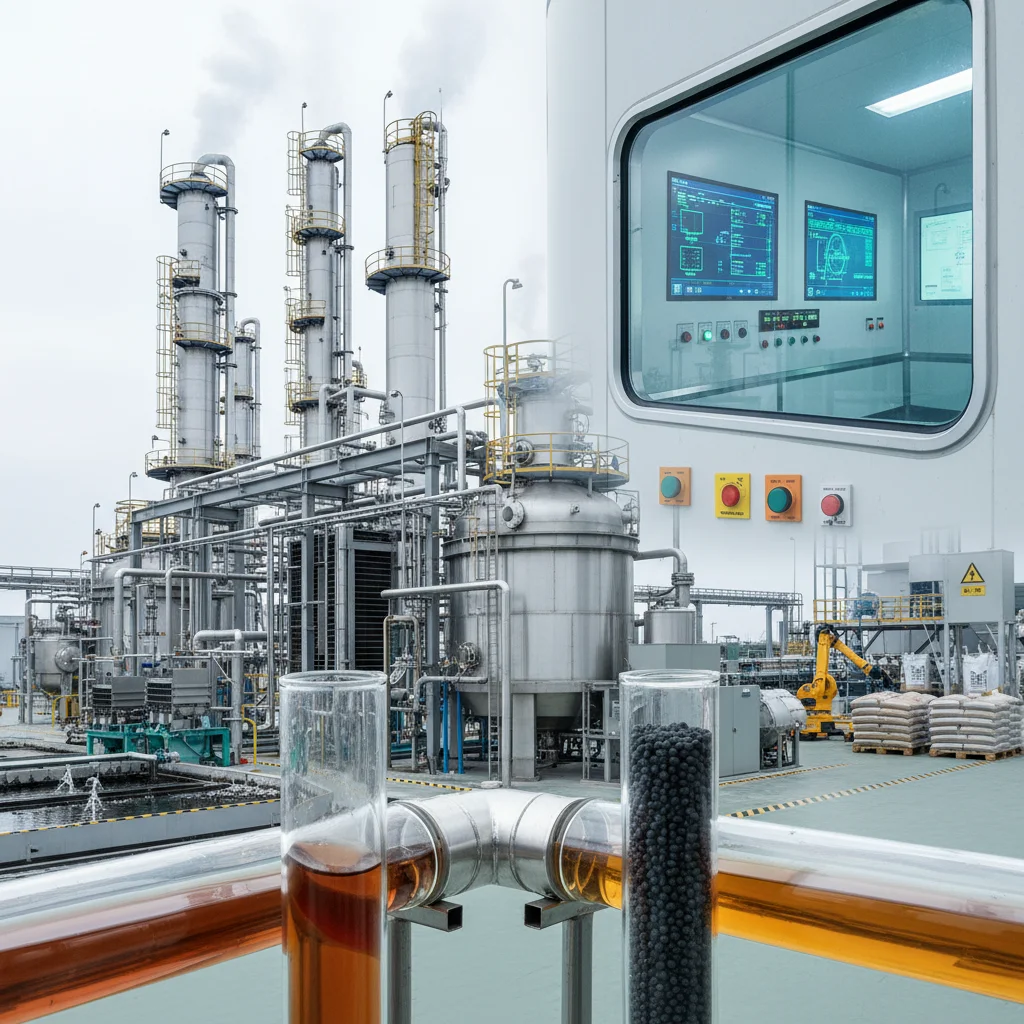
Water treatment remains one of the most critical applications for activated carbon activated carbon. From municipal drinking water and purified tap water to complex industrial wastewater, the ability to remove chlorine, organic pollutants, and odors is vital for public health and environmental compliance.
In the gas phase, this material is indispensable for VOC removal and biogas desulfurization. By capturing H2S and other volatile organic compounds, it prevents equipment corrosion and reduces harmful emissions into the atmosphere, playing a key role in air purification and odor control systems.
Furthermore, the food and beverage industry relies on these properties for sugar decolorization. The high purity and low ash content (less than 10%) ensure that the carbon does not introduce secondary contaminants into the food chain, providing a safe and efficient way to achieve crystal-clear product quality.
Performance Metrics and Quality Standards
To ensure consistent performance, we adhere to strict parameters including a moisture content of less than 8% and a PH range of 4.5-8. These specifications prevent the carbon from leaching unwanted chemicals into the treated medium and ensure that the adsorption sites are not prematurely blocked by water molecules.
The bulk density of 0.45-0.55g/cm3 allows for predictable loading in filter vessels, ensuring optimal contact time between the fluid and the adsorbent. Whether used in pressure swing adsorption or as a catalyst carrier, these metrics guarantee a reliable and reproducible result.
Efficiency Ratings of Different Activated Carbon Types
Specialization in Gold Recovery and Mining
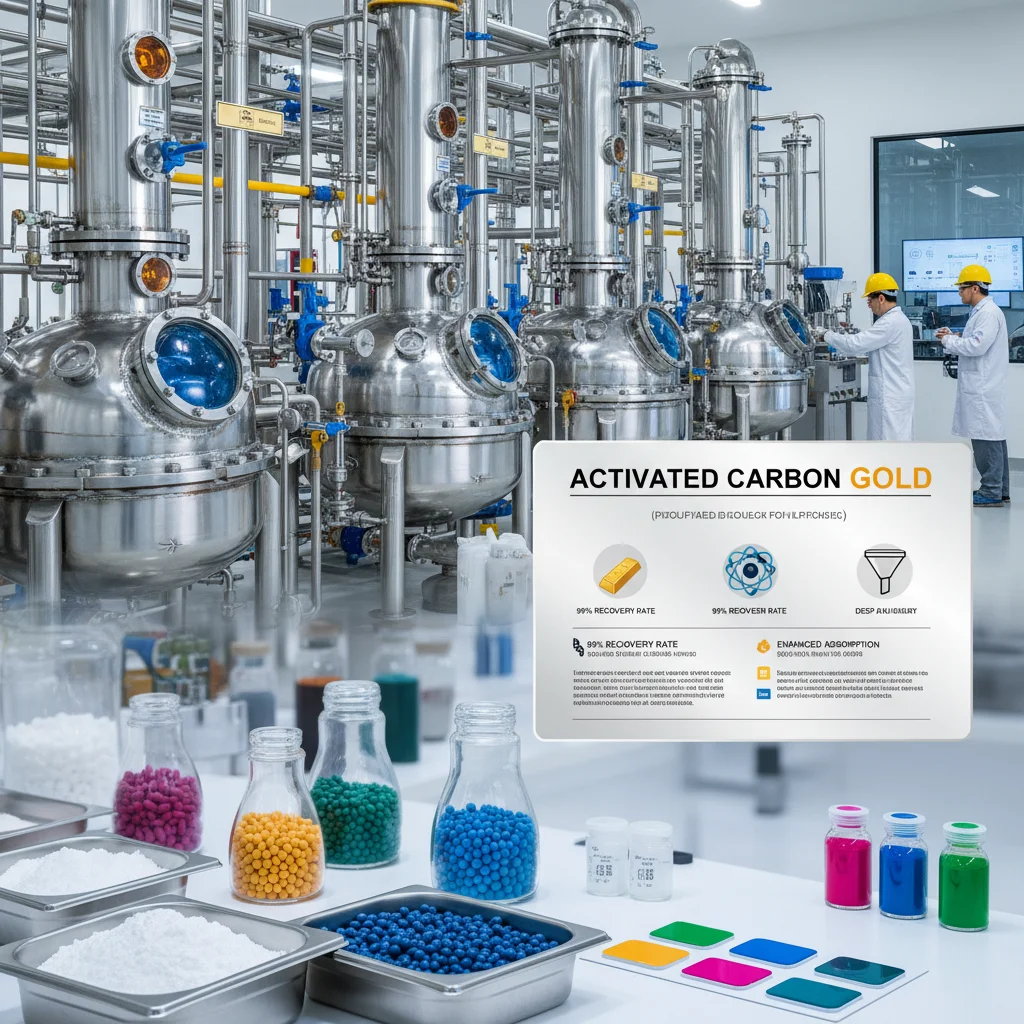
In the mining industry, the use of activated carbon activated carbon for gold extraction is a highly specialized process. The carbon acts as a substrate for the adsorption of gold-cyanide complexes, allowing for the efficient recovery of precious metals from leach solutions.
Because of the abrasive nature of mining slurries, the high strength (>90%) of coconut shell carbon is critical. It prevents the loss of gold-loaded carbon through attrition, ensuring that the maximum amount of precious metal is recovered while minimizing the cost of carbon replacement.
Environmental Impact and VOC Removal
The removal of Volatile Organic Compounds (VOCs) is a major challenge for industrial zones and urban centers. Our carbon series products are specifically engineered to capture gas-phase pollutants, including H2S and other sulfur-containing compounds, which are often found in biogas and industrial exhaust.
By utilizing a high surface area and optimized pore structure, the material effectively scrubs the air, preventing the release of harmful odors and toxins. This makes it an essential component for gas masks and large-scale air purification systems designed to protect workers and the environment.
Additionally, the use of sustainable coconut shells as a raw material reduces the environmental footprint compared to synthetic or coal-based adsorbents. This aligns with global trends toward green chemistry and circular economy principles in the manufacturing of chemical reagents.
Selection Guide for Different Industrial Scenarios
Choosing the right grade of activated carbon activated carbon depends on the specific size requirements and target contaminant. While we offer standard mesh sizes from 6-50, we provide customization to match the pressure drop and contact time requirements of a client's specific filter design.
For high-flow water systems, larger granules are preferred to reduce resistance, whereas powdered forms are more effective for batch treatment where rapid adsorption is required. The decision process should always consider the balance between flow rate, adsorption capacity, and the cost of regeneration.
Ultimately, professional technical support is key to optimizing the system. By analyzing the specific chemistry of the wastewater or gas stream, we can recommend the precise mesh size and activity level to ensure maximum efficiency and minimum waste.
Comparative Analysis of Activated Carbon Specifications by Application
| Application Field | Priority Parameter | Recommended Mesh | Expected Performance |
|---|
| Gold Recovery | Hardness/Strength | 12-20 Mesh | High Gold Loading |
| Drinking Water | Iodine Value | 8-12 Mesh | Chlorine Removal |
| Sugar Decolorizing | Ash Content | Powdered | Colorless Syrup |
| Biogas Desulfurization | Surface Area | 10-30 Mesh | H2S Reduction |
| VOC Removal | Pore Distribution | 20-50 Mesh | Odor Elimination |
| Industrial Wastewater | Bulk Density | 6-12 Mesh | COD Reduction |
FAQS
Coconut shell carbon typically has a higher proportion of micropores, which makes it significantly more effective at removing small molecular contaminants. Additionally, it generally has lower ash content and higher purity, which is critical for food-grade and pharmaceutical applications where contamination must be avoided at all costs.
The iodine value is a direct measure of the internal surface area and porosity. A higher value (e.g., 850-1100 mg/g) indicates a greater capacity for adsorption. This means the carbon can treat a larger volume of liquid or gas before it becomes saturated and needs to be replaced or regenerated.
Yes, we offer a wide range of mesh sizes from 6 to 50. We can customize the granulation process to meet your specific requirements for pressure drop and contact time, ensuring that the media fits perfectly within your existing vessel architecture.
Absolutely. Due to our acid-washing process and the use of high-purity coconut shells, our carbon maintains a low ash content (under 10%) and is highly recommended for sugar decolorization and other food-grade purification tasks where purity is paramount.
Replacement is typically indicated by "breakthrough," where the contaminant levels in the effluent begin to rise. Regular testing of the treated water or gas, combined with monitoring the pressure drop across the filter bed, will help you determine the optimal replacement cycle.
In gold mining, it is used as an adsorbent to recover gold from cyanide leach solutions. Because the process involves abrasive environments, the high mechanical strength (>90%) of our coconut shell carbon is essential to prevent the loss of gold-loaded material during the recovery process.
Conclusion
The versatility and efficiency of high-purity activated carbon activated carbon make it an indispensable tool across a spectrum of industries, from mining and wastewater treatment to food processing and air purification. By combining a high iodine value with exceptional mechanical strength and purity, coconut shell carbon provides a reliable solution for removing complex contaminants and achieving high-grade product purification.
Looking ahead, the shift toward more sustainable and high-performance filtration media will only increase the importance of precisely engineered adsorbents. We encourage industrial operators to prioritize materials with documented purity and structural integrity to ensure long-term operational efficiency and environmental compliance. Visit our website: www.sdjz-chem.com