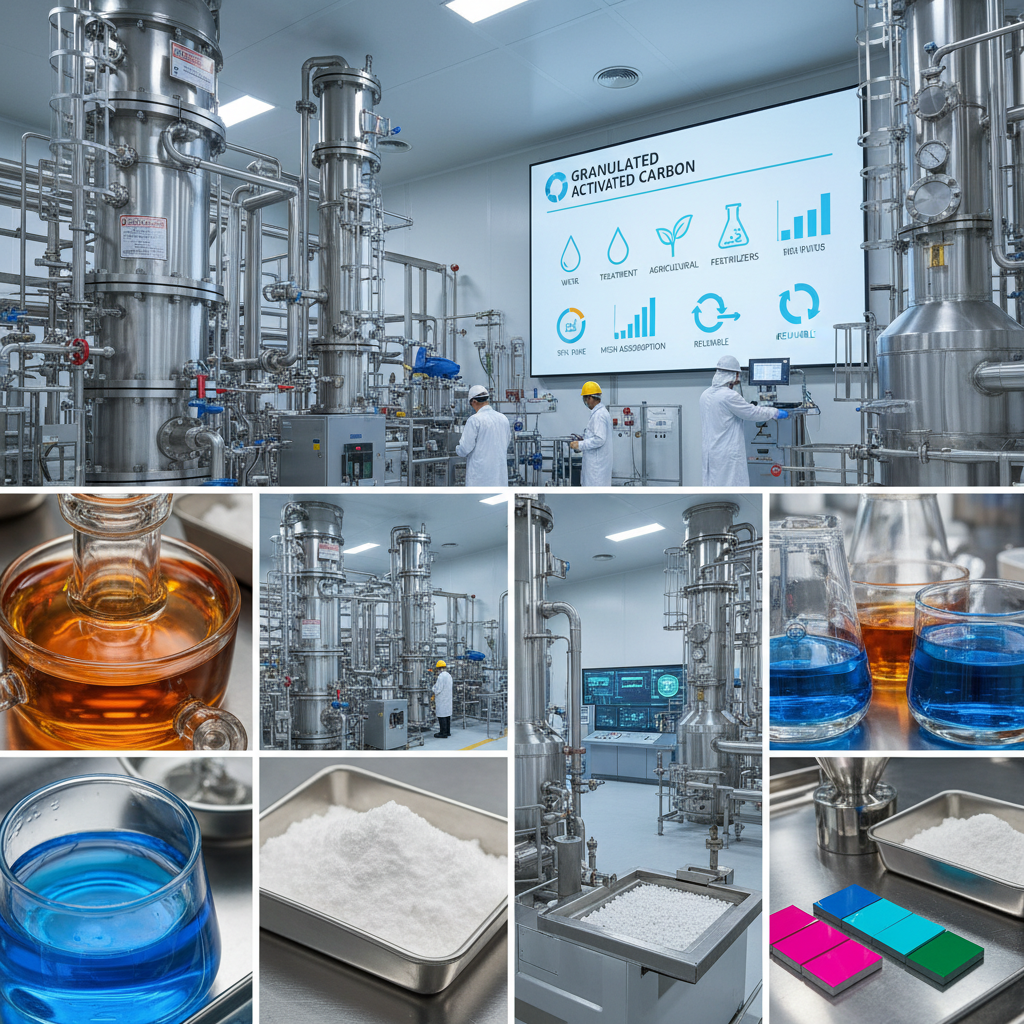
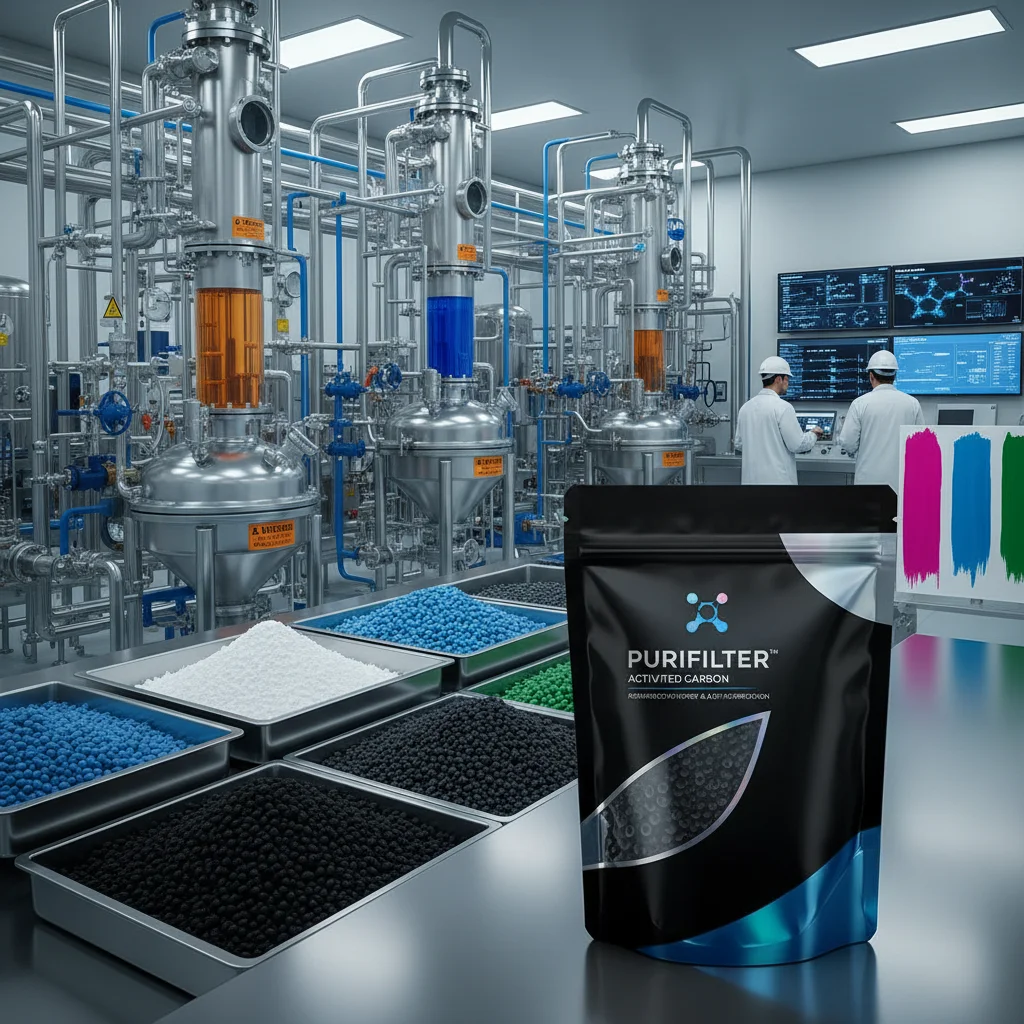
In the complex landscape of industrial purification, granulated activated carbon stands as a cornerstone technology for removing contaminants from liquids and gases. Its unique porous structure allows it to trap a vast array of organic compounds and impurities, making it indispensable for everything from municipal water treatment to high-precision pharmaceutical manufacturing. Understanding the mechanics of this material is essential for any operation seeking to optimize its filtration efficiency and operational lifespan.
Globally, the demand for high-quality adsorption media has surged as environmental regulations become more stringent. From the removal of volatile organic compounds (VOCs) in air emissions to the purification of chemical feedstocks, granulated activated carbon provides a scalable and cost-effective solution. Its ability to be thermally reactivated also aligns with modern circular economy goals, reducing waste while maintaining high performance across multiple cycles.
For professionals in the chemical and water treatment sectors, selecting the right grade of activated carbon is not merely a procurement decision but a strategic engineering choice. Whether the goal is removing chlorine, decolorizing a solution, or capturing heavy metals, the physical and chemical properties of the carbon granules dictate the success of the process. This guide explores the technical nuances and practical applications that make this material a global industry standard.
Global Relevance and Industry Context of GAC
The global utilization of granulated activated carbon is intrinsically linked to the rise of industrialization and the subsequent need for environmental remediation. With ISO standards governing the quality of carbon products, the industry has shifted toward highly standardized materials that ensure predictable performance in water treatment and air filtration. In regions like Southeast Asia and North America, the adoption of GAC has been pivotal in meeting strict EPA and EU water quality directives.
A significant challenge currently facing the industry is the increasing concentration of "forever chemicals" such as PFAS in groundwater. Traditional filtration methods often fall short, but specialized granulated activated carbon has emerged as one of the most viable primary defenses. By leveraging high surface area and tailored pore sizes, industrial operators can effectively sequester these hazardous pollutants before they reach municipal supplies, safeguarding public health on a massive scale.
Defining Granulated Activated Carbon and Its Role
At its simplest, granulated activated carbon is a form of carbon processed to have small, low-volume pores that increase the surface area available for adsorption. Unlike powdered carbon, the granulated form consists of larger particles (typically 12x40 or 8x30 mesh), which allows for a lower pressure drop in fixed-bed filters. This makes it the ideal choice for continuous flow systems where water or gas must pass through a medium without requiring excessive pumping energy.
The "activation" process involves treating raw materials—such as coconut shells, coal, or wood—with heat and chemicals to "open up" the carbon structure. This creates a molecular sieve that can attract and hold organic molecules via Van der Waals forces. In modern industry, this role is critical not just for purification, but for the recovery of valuable catalysts in chemical synthesis and the removal of odors in food and beverage processing.
Beyond the technicalities, GAC serves a vital humanitarian role in developing regions. In areas lacking advanced wastewater infrastructure, simple granulated activated carbon filters provide a low-cost, high-impact method for removing toxins from drinking water. Its versatility makes it a bridge between basic survival and advanced industrial sanitation, proving that a simple material can solve complex global problems.
Core Technical Factors for Adsorption Efficiency
The primary driver of performance in granulated activated carbon is the Pore Size Distribution. To maximize efficiency, the carbon must have a balanced mix of macropores (for transport), mesopores, and micropores (where the actual adsorption occurs). If the pores are too small, large organic molecules cannot enter; if they are too large, the total surface area decreases, reducing the carbon's capacity.
Another critical factor is the Iodine Number, which serves as a proxy for the micropore volume of granulated activated carbon. A higher iodine number generally indicates a higher capacity for adsorbing small molecules. When selecting a product for water treatment chemicals or mineral processing reagents, engineers must match the iodine number to the molecular weight of the target contaminant to avoid premature breakthrough.
Finally, mechanical hardness and attrition resistance are paramount for long-term stability. In high-pressure environments, fragile carbon granules can crush, creating "fines" that clog the filter bed and increase pressure drop. High-quality granulated activated carbon is engineered to resist this degradation, ensuring that the physical structure remains intact even under rigorous backwashing cycles.
Practical Applications Across Global Industries
In the realm of Water Treatment Chemicals, granulated activated carbon is used extensively to remove chlorine and organic odors from municipal water. In the gold mining industry, specialized carbon is used in Carbon-in-Pulp (CIP) and Carbon-in-Leach (CIL) processes to recover gold from cyanide leach solutions, demonstrating its value as a recovery tool rather than just a waste filter.
Furthermore, the food additive and pharmaceutical industries rely on GAC for the decolorization of syrups and the purification of active pharmaceutical ingredients (APIs). By removing trace impurities and unwanted pigments, granulated activated carbon ensures that final products meet strict purity and aesthetic standards, directly impacting consumer trust and product safety.
Comparison of Adsorption Efficiency by GAC Source
Long-Term Value and Sustainability Benefits
The true value of investing in premium granulated activated carbon lies in the reduction of total cost of ownership (TCO). While lower-grade carbons may be cheaper upfront, their lower adsorption capacity leads to more frequent replacements and increased downtime. High-capacity carbon extends the "run time" of a filter bed, reducing the logistical costs and energy associated with media change-outs.
From a sustainability perspective, GAC is a champion of the green economy. Many varieties are derived from renewable biomass, such as coconut shells, reducing reliance on fossil-fuel-based carbons. Moreover, the ability to thermally regenerate granulated activated carbon means that the same material can be used for years, diverting tons of waste from landfills and lowering the overall carbon footprint of industrial water treatment plants.
Future Trends in Carbon Adsorption Technology
The next frontier for granulated activated carbon is "surface functionalization." Researchers are now developing chemically modified carbons that can target specific ions or molecules with extreme precision. By adding nitrogen or oxygen functional groups to the carbon surface, the material can be tuned to selectively remove heavy metals like mercury or lead while ignoring harmless minerals, drastically increasing the efficiency of mineral processing reagents.
Digital transformation is also hitting the filtration sector. Smart monitoring systems now use real-time sensors to track the "saturation point" of GAC beds. Instead of replacing carbon on a fixed schedule, AI-driven analytics allow operators to replace granulated activated carbon only when its adsorption capacity is actually exhausted, preventing waste and optimizing resource allocation.
Additionally, there is a growing move toward the use of bio-char derived from agricultural waste. This not only provides a low-cost source of granulated activated carbon but also turns a waste stream into a value-added product. This synergy between waste management and industrial purification represents the future of sustainable chemical manufacturing.
Overcoming Common Implementation Challenges
One of the most common failures in GAC systems is "channeling," where the fluid finds a path of least resistance through the bed, leaving large portions of the granulated activated carbon unused. This is typically caused by poor installation or improper packing. The solution lies in implementing rigorous distribution headers and ensuring the carbon is loaded evenly to maintain a uniform flow velocity across the entire cross-section.
Another challenge is the buildup of biofilms on the carbon surface, which blocks the micropores and reduces adsorption efficiency. To combat this, operators must implement periodic backwashing and occasional chemical disinfection. Using granulated activated carbon with a higher hardness rating also helps, as it withstands the physical stress of frequent backwashing without breaking down.
Finally, the issue of "breakthrough" can be unpredictable if the feed water chemistry fluctuates. To solve this, many plants are moving toward a lead-lag configuration, where two GAC vessels are placed in series. When the first bed reaches breakthrough, the second bed acts as a safety net, allowing the operator to replace the granulated activated carbon in the first vessel without interrupting the purification process.
Performance Analysis of GAC Implementation Strategies
| Strategy Type |
Initial Cost |
Efficiency Score |
Maintenance Effort |
| Single Bed System |
Low |
6/10 |
Medium |
| Lead-Lag Configuration |
Medium |
9/10 |
Low |
| Thermal Regeneration |
High |
8/10 |
High |
| Surface Modified GAC |
Medium |
10/10 |
Medium |
| Bio-char Integration |
Very Low |
5/10 |
Medium |
| AI-Driven Monitoring |
Medium |
9/10 |
Very Low |
FAQS
The primary difference lies in particle size and application. Granulated activated carbon (GAC) consists of larger grains, making it suitable for continuous flow filters where low pressure drop is required. Powdered activated carbon (PAC) is a fine dust typically added directly to a liquid in a batch process and then filtered out. GAC is preferred for long-term, permanent installations, whereas PAC is used for emergency or seasonal contaminant spikes.
Replacement is determined by the "breakthrough point," which occurs when the carbon's adsorption sites are full and contaminants begin to appear in the effluent. This is monitored through regular sampling and analysis of the filtered liquid. If the concentration of the target contaminant exceeds your regulatory limit, the carbon is exhausted. Using AI monitoring or lead-lag systems can help predict this window more accurately.
Most high-quality GAC can be thermally regenerated by heating it in a kiln to burn off the adsorbed organic matter. However, the efficiency of regeneration depends on the material. Coal-based and coconut-shell carbons generally handle regeneration well. If the carbon has adsorbed heavy metals or inorganic salts, thermal regeneration may not be effective, as these materials do not burn off and can permanently clog the pores.
For PFAS removal, high-quality coal-based or specialized synthetic granulated activated carbons are typically most effective due to their specific pore size distribution. Because PFAS molecules vary in chain length, a carbon with a strong mix of meso- and micropores is ideal. It is often recommended to use a lead-lag system for PFAS to ensure absolute removal before the first bed is exhausted.
It depends on the target molecule. Coconut shell GAC is generally superior for removing small molecules and is highly prized for its hardness and purity, making it ideal for drinking water and gold recovery. Coal-based GAC has a broader pore distribution, making it more effective for larger organic molecules and industrial wastewater treatment. The choice depends entirely on the chemical profile of your contaminant.
Backwashing is essential to remove trapped debris and prevent clogging, but it can cause attrition (physical wear) of the granules. If the carbon is too soft, backwashing creates fines that wash away, reducing the total volume of the bed over time. Using a high-hardness granulated activated carbon ensures that the media can withstand frequent backwashing without significant mass loss, extending the overall life of the filter.
Conclusion
In summary, granulated activated carbon is far more than a simple filter medium; it is a sophisticated engineering tool capable of solving some of the world's most pressing purification challenges. From its critical role in removing hazardous PFAS and chlorine to its efficiency in gold recovery and pharmaceutical purification, the versatility of GAC is unmatched. By focusing on core technical factors like pore size distribution and iodine number, and by implementing strategic configurations like lead-lag systems, industrial operators can maximize both purity and cost-efficiency.
Looking forward, the integration of surface functionalization and AI-driven monitoring will further elevate the capabilities of adsorption technology. As the global industry shifts toward a more sustainable, circular economy, the transition to renewable bio-chars and advanced regeneration processes will ensure that water and air purification remain environmentally responsible. For those seeking to optimize their industrial processes, investing in high-grade carbon is a step toward operational excellence and environmental stewardship. Visit our website: www.sdjz-chem.com