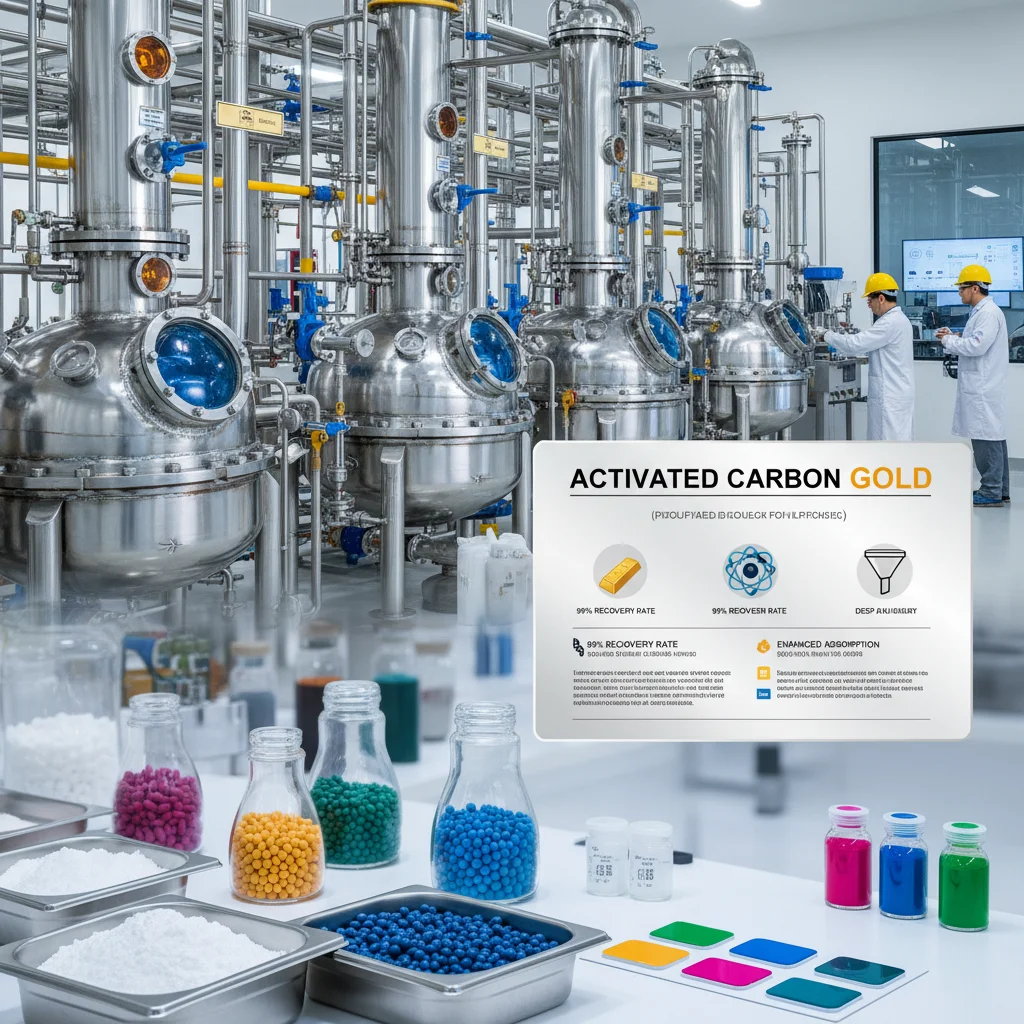
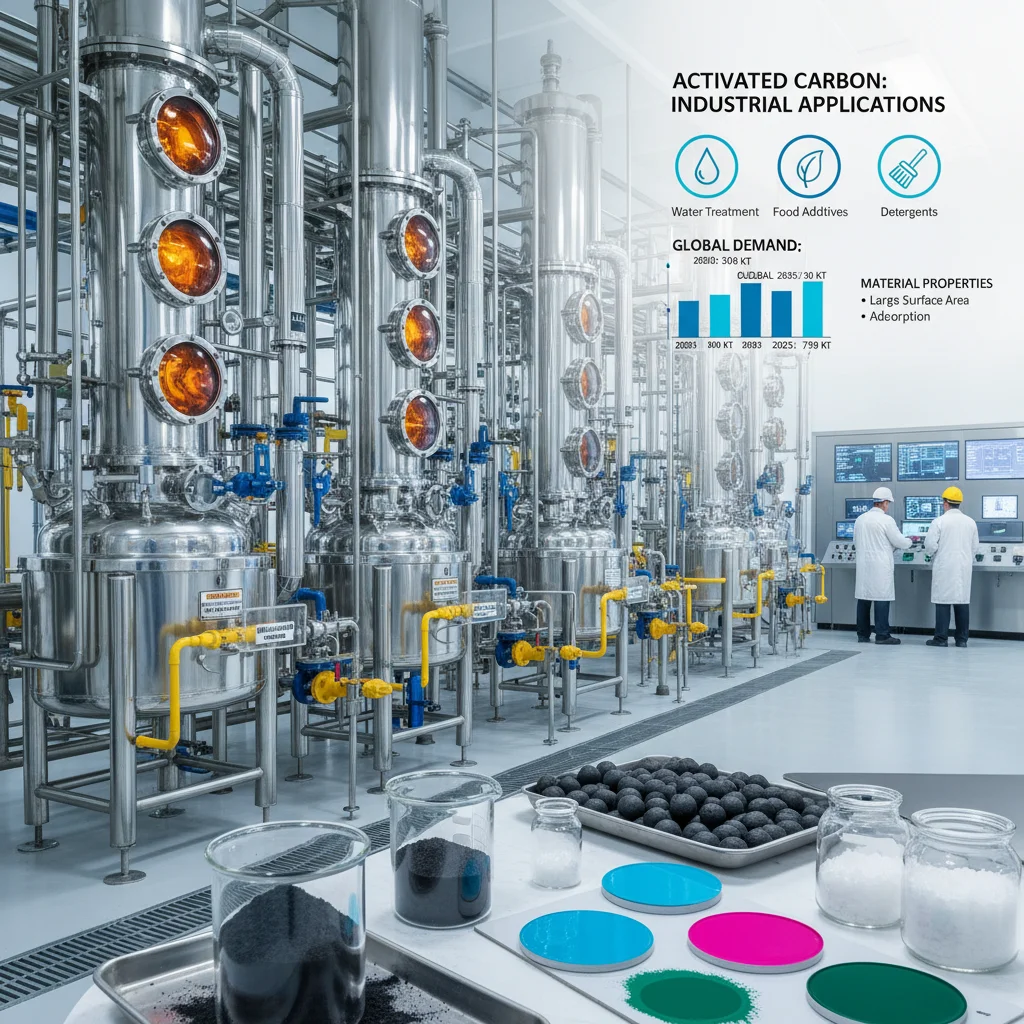
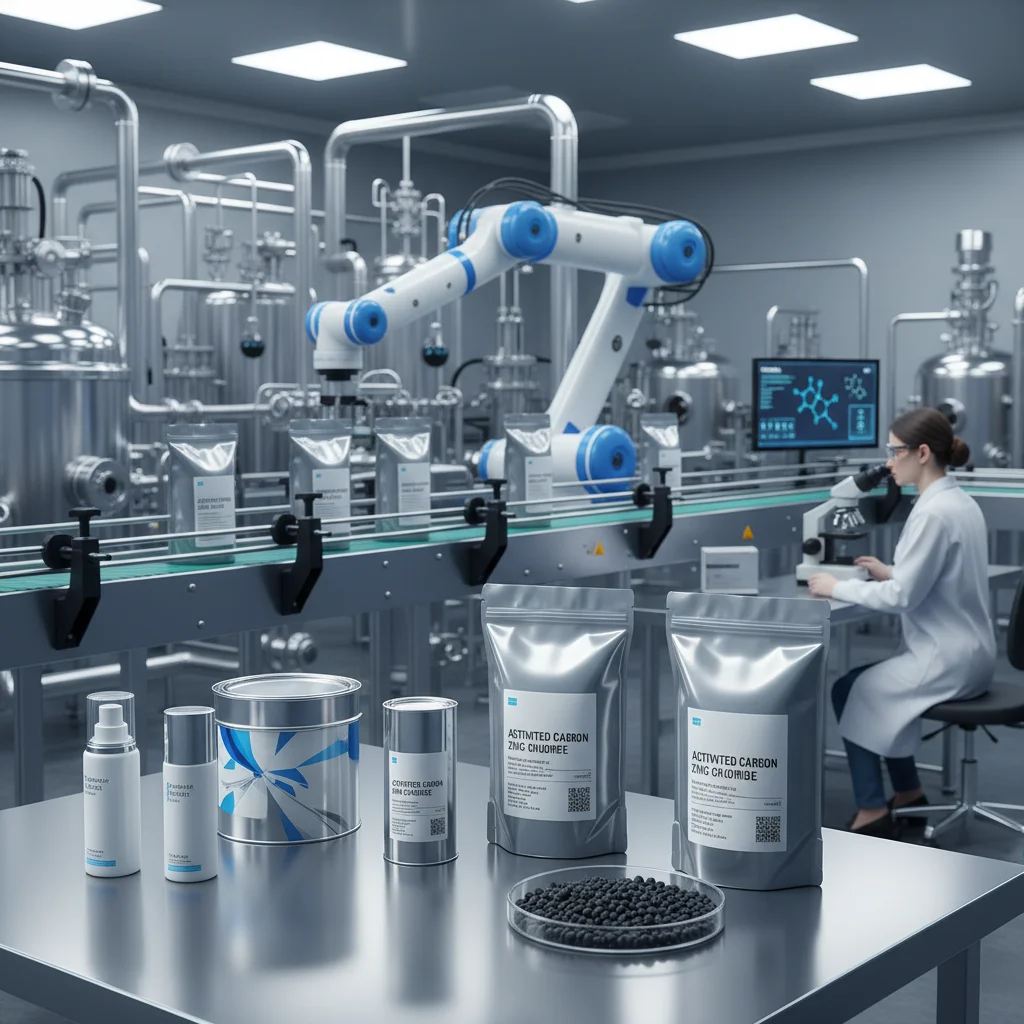
In the modern industrial landscape, the demand for high-efficiency purification media has led to the widespread adoption of activated carbon pellets. These engineered adsorbents play a critical role in maintaining environmental standards and ensuring the purity of chemical products across various manufacturing sectors. By leveraging a vast network of internal pores, these pellets can effectively capture volatile organic compounds, toxins, and impurities from both liquid and gaseous streams.
The global shift toward sustainable chemistry and stricter emission regulations has placed activated carbon pellets at the forefront of wastewater treatment and air purification strategies. From the recovery of precious metals in gold mining to the desulfurization of biogas, the ability to precisely control the pore structure and surface chemistry of these adsorbents allows industries to optimize their operational efficiency while reducing their ecological footprint.
Choosing the right grade of activated carbon pellets is essential for maximizing the lifespan of filtration systems and ensuring consistent product quality. Our premium columnar carbon, derived from selected coconut shells and processed via advanced steam activation, offers the structural integrity and high activity required for the most demanding industrial applications.

The Technical Composition of Activated Carbon Pellets
Our premium activated carbon pellets are meticulously manufactured from selected coconut shells, utilizing a sophisticated steam activation process. This method creates a highly developed macroporous structure, which is critical for the rapid kinetic movement of molecules during the adsorption process. By focusing on coconut shell precursors, we ensure a naturally dense and hard structure that resists attrition better than coal-based alternatives.
To further enhance purity, an acid-washing process is employed to remove residual minerals and ash. This results in an ultra-clean medium that is essential for sensitive chemical purification and food-grade applications, ensuring that no secondary contamination is introduced into the process stream during the decontamination phase.
Industrial Relevance and Global Standards
In the global chemical manufacturing sector, the adherence to rigorous standards such as ISO and specific inorganic salt manufacturing protocols is paramount. Activated carbon pellets serve as a primary defense against impurities in large-scale production, where even trace amounts of contaminants can compromise the stability of a final chemical product.
The challenge for many industrial operators lies in balancing high adsorption capacity with structural durability. Standard carbons often suffer from significant attrition, leading to dust formation and pressure drops within the filter vessel. This not only reduces the efficiency of the system but also increases the frequency of media replacement, driving up operational costs.
By implementing high-strength coconut shell carbon, industries can meet the stringent requirements of the pharmaceutical and food and beverage sectors. The ability to provide a customizable mesh size (from 6 to 50) allows these pellets to be integrated into a wide variety of industrial vessels, ensuring optimal flow rates and maximum contact time between the adsorbent and the contaminant.
Core Performance Metrics for Adsorption
The efficacy of activated carbon pellets is primarily measured by the Iodine Value, which indicates the degree of microporosity and the capacity for adsorbing small molecules. Our product boasts an iodine value between 850-1100 mg/g, ensuring exceptional efficiency for capturing VOCs and toxins.
Beyond activity, structural strength is a critical metric. With a strength rating exceeding 90%, these activated carbon pellets minimize the risk of crumbling under the high-pressure cycles typical of Pressure Swing Adsorption (PSA) systems, effectively reducing dust generation to less than 10% loss.
Additionally, the pH value (4.5-8) and low ash content (<10%) ensure that the carbon remains chemically neutral. This neutrality prevents adverse reactions with the substances being purified, making these activated carbon pellets ideal for high-purity chemical manufacturing and wastewater treatment.
Comparative Efficiency in Pressure Swing Adsorption
Pressure Swing Adsorption (PSA) relies on the rapid adsorption and desorption of gases at different pressures. In nitrogen production, the use of high-activity activated carbon pellets is essential to separate oxygen and water vapor from the air stream efficiently. The structural integrity of the pellets ensures that the bed does not compact over time.
When compared to standard carbon media, our premium coconut shell product offers an extended adsorption cycle life and a significantly lower total cost of ownership due to reduced replacement frequency. This makes it a superior choice for continuous industrial operations where downtime is costly.
Performance Comparison of Different Adsorbent Grades
Strategic Applications in Resource Recovery
In the field of mineral processing, specifically gold extraction, activated carbon pellets are used to recover gold from cyanide leach solutions. The high activity and structural strength of coconut shell carbon allow it to withstand the abrasive environment of carbon-in-pulp (CIP) and carbon-in-leach (CIL) circuits, ensuring maximum gold recovery rates.
Furthermore, these adsorbents are indispensable for biogas desulfurization. By removing hydrogen sulfide (H2S) from biogas, the pellets protect downstream engines and turbines from corrosion, effectively transforming a raw waste product into a high-value energy source while adhering to environmental emissions laws.
Overcoming Operational Challenges in Filtration
One of the most common challenges in industrial filtration is the "channeling" effect, where fluids create a path of least resistance through the carbon bed, bypassing the adsorbent. This is often caused by irregular pellet shapes or poor packing. Our precision-manufactured pellets ensure a uniform bulk density (0.45-0.55g/cm3), promoting an even flow distribution.
Another significant issue is the accumulation of moisture and impurities that can blind the pores. The acid-washed nature of our carbon reduces the presence of ash and mineral deposits, which minimizes the rate of pore clogging and extends the time between regeneration cycles.
Finally, the risk of attrition—where pellets break down into fines—can clog downstream equipment. By maintaining a strength rating of >90%, our carbon significantly reduces the generation of carbon dust, thereby protecting the integrity of the entire purification system and reducing maintenance labor.
Future Innovations in Carbon Material Science
The future of activated carbon pellets is moving toward "functionalized" carbons, where the surface chemistry is tailored for specific molecular targets. We are seeing an increase in the development of carbons with specific surface modifications to target heavy metals in wastewater more aggressively, combining the benefits of physical adsorption with chemical ion exchange.
Sustainability is also driving innovation. The move toward renewable raw materials, such as the coconut shells we utilize, is becoming the industry standard. The implementation of eco-friendly steam activation reduces the carbon footprint of the manufacturing process itself, aligning industrial purification with global green energy goals.
Automation and digital monitoring are also integrating into carbon filtration systems. Real-time sensors now allow operators to monitor the saturation levels of carbon beds, enabling "just-in-time" replacement of pellets. This prevents breakthrough contamination while ensuring that the full adsorption capacity of the media is utilized before replacement.
Performance Analysis of Premium Carbon vs. Standard Alternatives
| Material Grade |
Adsorption Cycle Life |
Attrition Rate |
Purity Level |
| Premium Coconut Pellets |
Extended (High) |
Very Low (<10%) |
Ultra-High |
| Standard Coal Carbon |
Moderate |
Moderate |
Medium |
| Wood-based Carbon |
Short |
High |
Medium |
| Industrial Grade Pellets |
Moderate |
Low |
Standard |
| Acid-Washed Specialty |
High |
Very Low |
Maximum |
| Recycled Carbon Media |
Low |
Moderate |
Low |
FAQS
Coconut shell carbon possesses a naturally high density of micropores, which are ideally sized to trap small gas molecules and VOCs. Compared to coal or wood, it offers superior structural hardness, meaning the pellets maintain their shape and efficiency longer under the high-velocity airflow typical of air purification systems.
In PSA systems, activated carbon pellets act as the selective adsorbent. They capture specific impurities (like CO2 or moisture) at high pressure and release them at low pressure. The high strength (>90%) of our pellets is crucial here to prevent the bed from crushing during these frequent pressure swings.
Yes, absolutely. Because our carbon undergoes an acid-washing process and is derived from natural coconut shells, it ensures minimal impurities and ash content. This makes it an ultra-clean medium suitable for removing colors and odors from beverages without introducing contaminants.
Yes, we provide customizable mesh sizes ranging from 6 to 50. This allows clients to tailor the granule size to their specific equipment dimensions and flow requirements, ensuring the optimal balance between pressure drop and adsorption contact time.
The Iodine Value is a standard measure of the carbon's adsorption capacity for small molecules. A value of 850-1100 mg/g indicates a very high surface area and pore volume, guaranteeing that the pellets can capture a larger quantity of toxins per gram of material.
Our products are primarily used in gold mining for gold recovery, biogas plants for desulfurization, wastewater treatment facilities for toxic removal, and the chemical industry for the purification of organic solvents and inorganic salts.
Conclusion
In summary, high-performance activated carbon pellets derived from coconut shells provide an unparalleled combination of high iodine activity, structural strength, and chemical purity. By integrating these advanced adsorbents into industrial processes—from PSA nitrogen production to gold extraction—companies can significantly improve their purification efficiency, reduce operational waste, and lower the total cost of ownership through extended media lifespan.
As industrial standards move toward greater sustainability and precision, the role of high-purity, acid-washed carbon will only grow. We recommend that operators regularly evaluate their iodine value and attrition rates to ensure their systems are operating at peak efficiency. For professional purification solutions tailored to your specific industrial needs, visit our website: www.sdjz-chem.com