Product keywords : Sodium cyanide Activated carbon Silver Mercury
High Purity Reagents for Activated Carbon Gold Recovery
  • Home
  • Top Blog
  • High Purity Reagents for Activated Carbon Gold Recovery
0%

Table of Contents

In the complex landscape of industrial chemical procurement, the demand for high-purity reagents often intersects with specialized recovery processes. While many industries focus on the extraction of precious metals, the underlying chemical purity of the reagents used remains the most critical factor for operational success. Understanding the synergy between high-density materials and specialized recovery agents is essential for maintaining efficiency in modern inorganic salt manufacturing.

The global market for high-purity chemicals is currently undergoing a transformation, driven by the need for extreme precision in high-tech instruments and chemical synthesis. Companies are increasingly seeking materials that offer not only ultra-high purity but also guaranteed compliance with international hazardous material transport regulations. This shift ensures that the supply chain remains resilient and the output remains consistent across various industrial applications.

Whether you are optimizing a production line for inorganic salts or exploring the intersection of chemical reagents and activated carbon gold recovery, the quality of your raw materials determines your final yield. By prioritizing reagents with purity levels of ≥99.999%, manufacturers can significantly reduce impurity risks and enhance the long-term value of their industrial assets.

activated carbon gold

The Role of High-Purity Mercury in Industrial Processes

activated carbon gold

Industrial-grade liquid mercury serves as a cornerstone in specialized chemical manufacturing, particularly where extreme density and stable thermal expansion are required. With a density of 13.59 g/cm³, this material is indispensable for high-precision instruments and advanced chemical processes that demand a liquid metal capable of operating at standard temperature and pressure.

The integration of ultra-high purity mercury ensures that sensitive chemical reactions are not compromised by trace contaminants. By maintaining a purity level of ≥99.999%, manufacturers can avoid the volatility and inefficiency associated with standard-grade materials, effectively securing a more stable and predictable production environment.

Technical Specifications and Purity Standards

At the heart of high-performance chemical production is the rigorous adherence to purity standards. Our high-purity reagent is characterized by an iron (Fe) content of ≤0.00002% and other heavy metals like lead (Pb) at ≤0.00004%. These microscopic thresholds are critical for avoiding catalysts poisoning and ensuring the integrity of the final chemical product.

Physical properties also play a vital role in industrial application. The precise boiling point of 356.6℃ and an extremely low vapor pressure allow for safer handling and more consistent results during thermal processing. Such stability is paramount when the reagent is used as a core component in high-precision industrial measurements.

When compared to standard grade mercury, which typically ranges from 99.9% to 99.99%, our ultra-pure reagent eliminates moderate impurity risks. This difference may seem marginal on paper, but in high-yield chemical synthesis, it represents the difference between a standard output and a premium industrial asset.

Operational Synergy with Activated Carbon Gold Systems

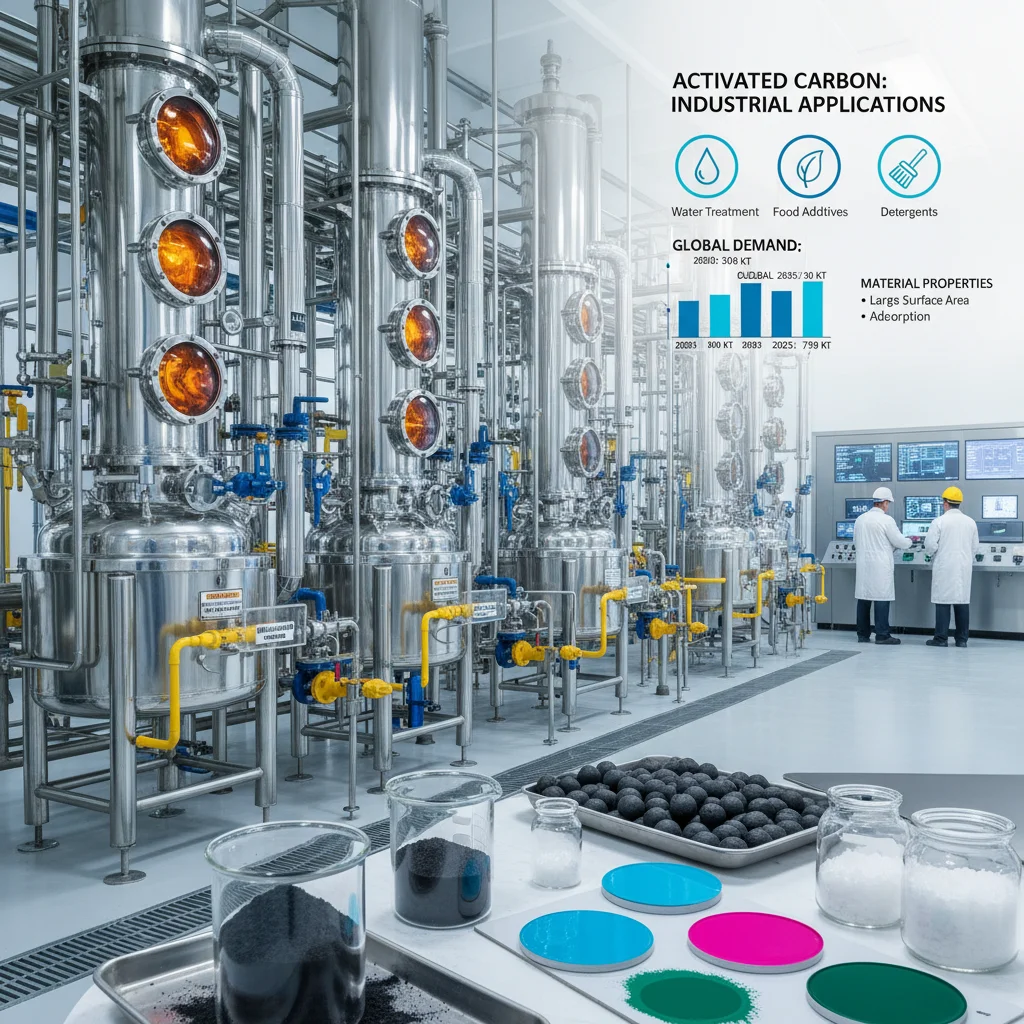
In the mining and precious metal recovery sectors, the interaction between chemical reagents and activated carbon gold recovery processes is a subject of intense technical focus. While mercury is used in specific specialized applications, the overall efficiency of a facility depends on how different materials interact within the processing stream.

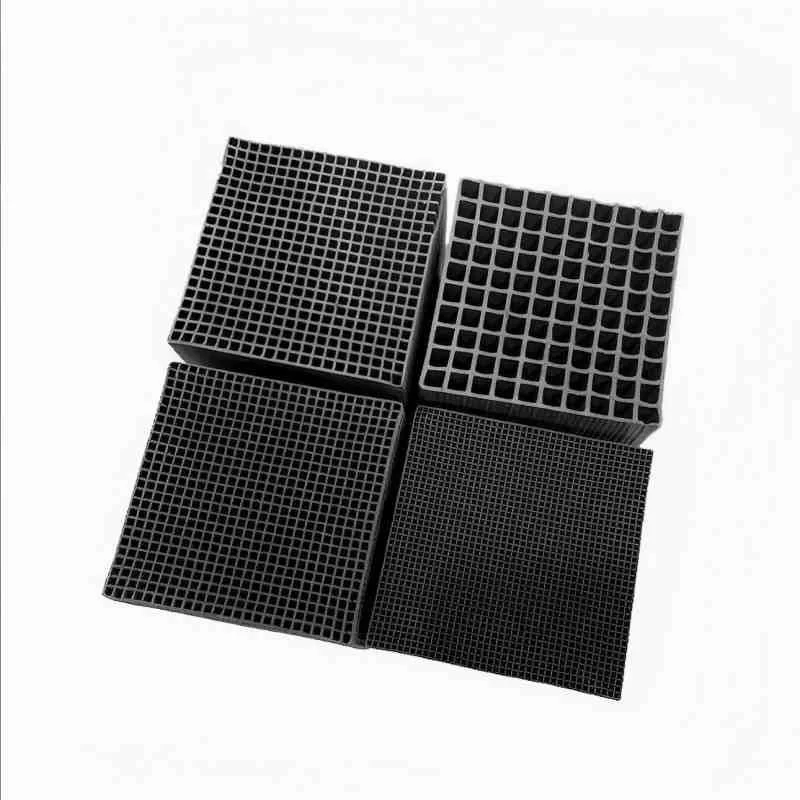
The use of ultra-pure reagents minimizes the introduction of competing ions that could otherwise interfere with the adsorption capacity of activated carbon gold systems. By maintaining a clean chemical environment, operators can maximize the recovery rate of precious metals while reducing the environmental footprint of their waste streams.

Ultimately, the goal is to create a seamless workflow where high-density liquids and carbon-based adsorption media work in tandem. This synergy allows for the precise separation of elements, ensuring that the purity of the reagent supports the efficiency of the recovery process without causing contamination.

Performance Metrics for Chemical Reagents

Evaluating the return on investment for chemical reagents requires looking beyond the initial purchase price. Key metrics include process yield, impurity risk, and regulatory compliance. Ultra-pure materials consistently provide higher yields by reducing the need for secondary purification steps.

When analyzing the efficiency of different reagent grades, the data clearly shows that ultra-high purity levels lead to negligible impurity risks. This stability directly translates to lower operational downtime and a more reliable supply chain for inorganic salt manufacturers.

Efficiency Comparison of Chemical Reagents in Recovery Systems

Global Logistics and Hazardous Material Compliance

The international trade of liquid mercury requires strict adherence to safety protocols and legal frameworks. As a legitimate export enterprise approved by national authoritative departments, we ensure that every shipment is fully compliant with international hazardous material regulations. This removes the regulatory risk for the buyer and ensures a smooth customs clearance process.

Professional logistics are a critical component of our service. With years of specialized experience in handling hazardous liquids, we employ leak-proof, environmentally friendly green packaging. This commitment to safety ensures that the ultra-high purity of the material is preserved from the factory floor to the final destination.

Economic Impact of Ultra-Pure Material Selection

From a financial perspective, selecting a premium reagent is an investment in risk mitigation. While the upfront cost of ≥99.999% purity mercury is higher than standard grades, the reduction in process failure and the increase in output quality result in a superior long-term value.

Furthermore, the stability of the supply chain prevents costly production halts. By partnering with a direct manufacturer, industrial users can secure consistent inventory levels and competitive pricing, bypassing unnecessary intermediaries and reducing procurement overheads.

The emotional angle of trust cannot be overlooked. Knowing that a supplier provides full-chain support—from professional technical guidance to seamless export documentation—allows plant managers to focus on production rather than logistics worries.

Future Trends in Inorganic Salt Manufacturing

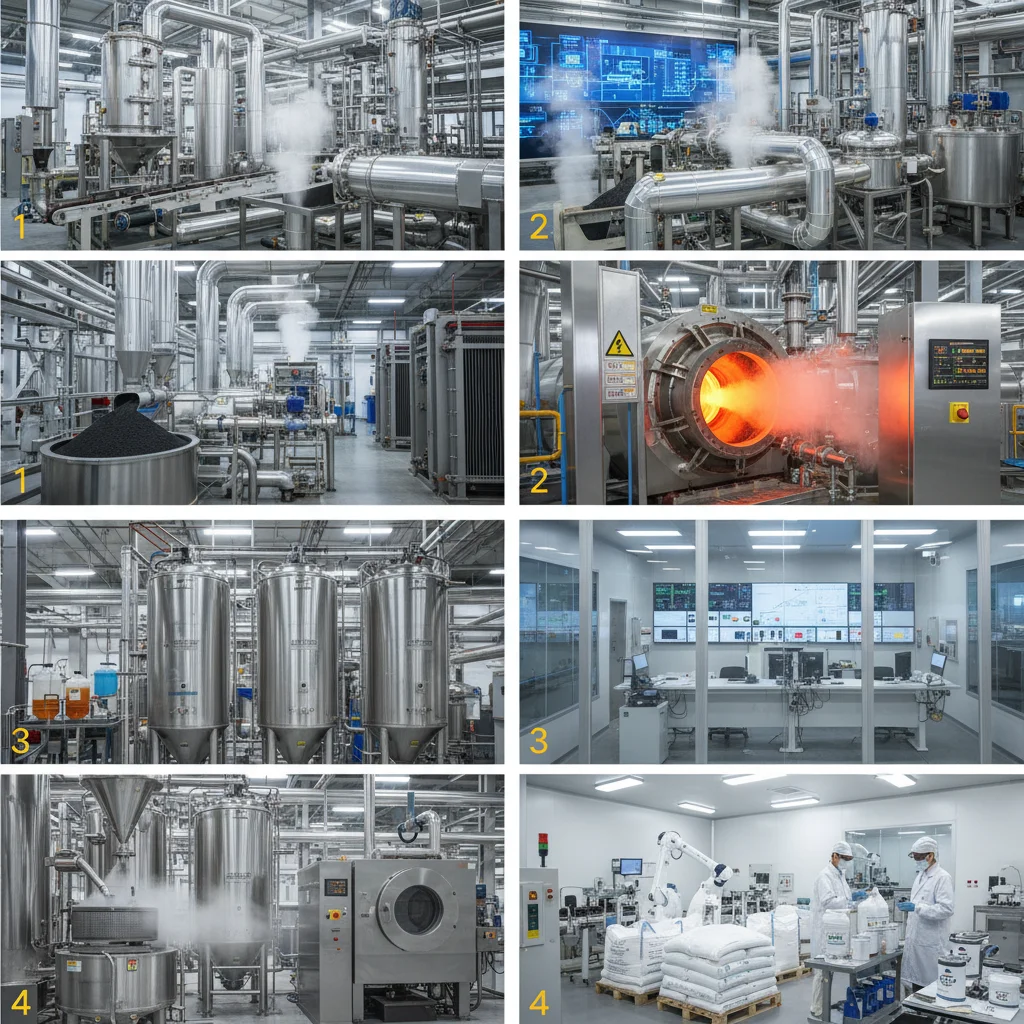
The future of the inorganic salt and chemical industry is leaning toward automation and "green" chemistry. The implementation of real-time inventory control and rigorous multi-stage testing for impurities is becoming the standard for maintaining high-purity production lines.

We anticipate a greater integration of digital transformation in the monitoring of hazardous materials. Smart packaging and blockchain-based compliance monitoring will likely replace traditional paperwork, making the transport of sensitive reagents even more secure and transparent.

As sustainability becomes a global priority, the focus will shift toward maximizing the lifecycle of reagents and improving recovery techniques. The synergy between high-purity inputs and advanced recovery methods will be the primary driver of efficiency in the next decade.

Comparative Analysis of Reagent Grades in Industrial Application

Material Grade Purity Level Impurity Risk Long-term Value
Standard Industrial 99.9% Moderate Basic Commodity
High Purity 99.99% Low Stable Asset
Ultra-Pure Hg ≥99.999% Negligible Premium Asset
Reagent Grade A 99.995% Very Low High Value
Custom Pure Tailored Controlled Strategic Asset
Recovery Grade 99.9% Variable Commodity

FAQS

What are the primary industrial applications of this high-purity mercury?

Our ultra-high purity mercury (≥99.999%) is primarily used in high-precision instruments, advanced chemical synthesis, and the inorganic salts manufacturing sector. Its extreme density and stable thermal expansion make it ideal for environments where accuracy and stability are non-negotiable.

How do you ensure the purity of ≥99.999% during export?

We employ a rigorous multi-stage testing process specifically targeting iron and other heavy metal impurities. Combined with our leak-proof, green packaging and specialized handling, we guarantee that the purity is maintained from the production line to the final delivery.

Is your company authorized for the international export of hazardous chemicals?

Yes, we are a legitimate export enterprise approved by national authoritative departments. We manage all necessary licenses and permits to ensure that international trade is fully compliant, risk-free, and follows all legal hazardous material shipping protocols.

What safety measures are taken during the transportation of liquid mercury?

We use specialized, environmentally friendly, leak-proof packaging designed for hazardous liquids. Our logistics team has years of experience in secure handling and conforms to all international transport regulations to prevent leaks or contamination during transit.

Can you provide customized quantities for large-scale inorganic salt manufacturing?

Absolutely. We maintain consistent inventory levels and robust production capacities to support large-scale industrial requirements. Our dedicated account managers can coordinate customized order volumes and delivery schedules to suit your production cycle.

What documentation is provided with each shipment?

Each shipment is accompanied by a comprehensive set of documents, including the Certificate of Analysis (CoA) verifying the 99.999% purity, safety data sheets (SDS), and all necessary export permits and customs clearance documentation.

Conclusion

The pursuit of excellence in chemical manufacturing depends on the quality of the fundamental reagents used. By choosing ultra-high purity mercury with a purity of ≥99.999%, industrial operators can virtually eliminate impurity risks, optimize process yields, and ensure a stable production environment. This commitment to quality, paired with professional logistics and full regulatory compliance, transforms a simple chemical reagent into a strategic industrial asset.

Looking forward, the integration of high-purity materials with advanced recovery systems will continue to drive innovation in the inorganic salts sector. We encourage manufacturers to prioritize purity and compliance to ensure long-term operational sustainability and competitive advantage in the global market. For more information on securing your high-purity chemical supply, visit our website: www.sdjz-chem.com

Marcus Thorne

Marcus Thorne

Marcus Thorne is the Quality Control Supervisor at Shandong Jiuzhou Chemical. He leads a team dedicated to maintaining the highest standards of product quality. Marcus is a trained chemist with extensive experience in analytical testing and quality assurance systems. He oversees all incoming raw material inspections and final product analyses,
Previous Efficient Gold Extraction Using Activated Carbon for Gold Recovery
Next High Efficiency Industrial Activated Carbon Pellets for Purification

If you are interested in our products, you can choose to leave your information here, and we will be in touch with you shortly.