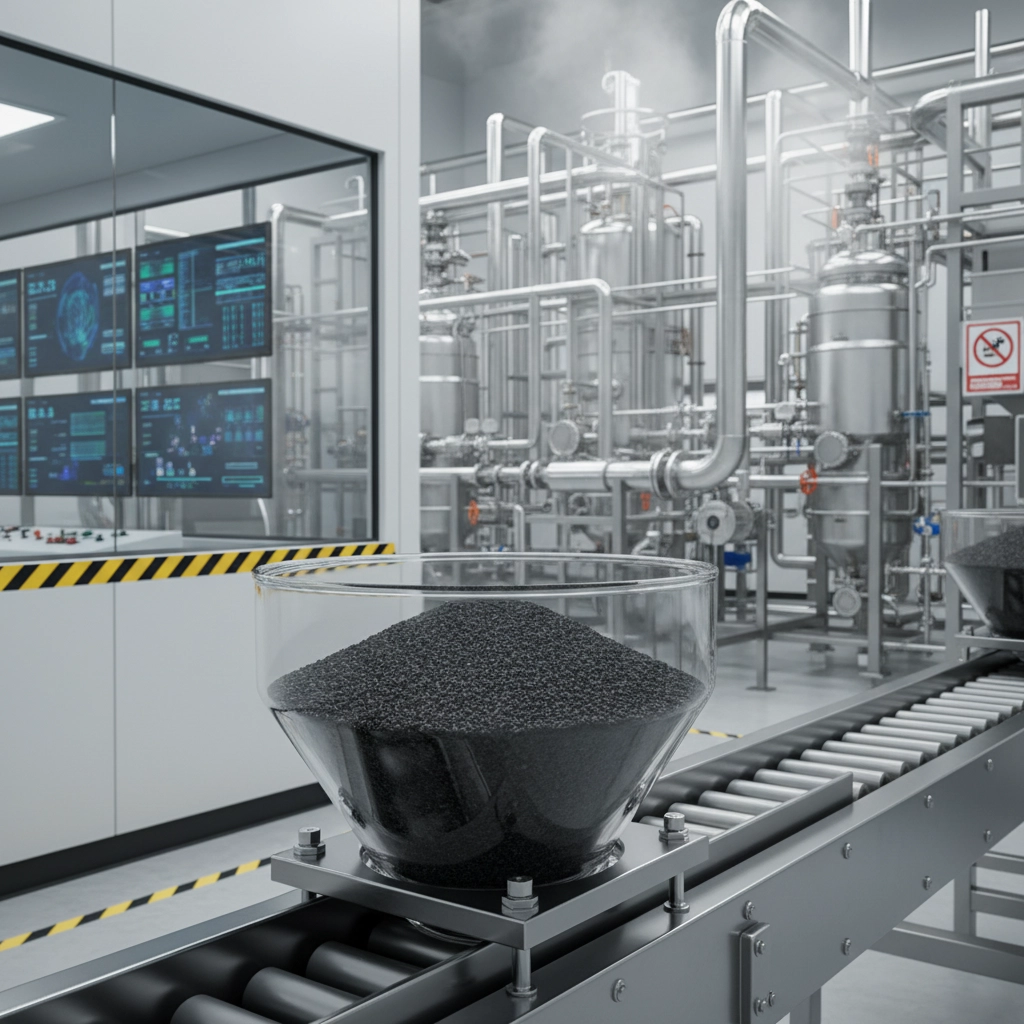
Activated carbon filtration stands as a cornerstone of modern purification technology, offering an unparalleled ability to remove organic contaminants and impurities from liquids and gases. By leveraging the immense surface area of porous carbon, this process ensures that industrial effluents and drinking water meet stringent safety standards, making it indispensable for environmental protection.
Across the globe, the demand for high-efficiency filtration systems has surged as industrialization increases the complexity of wastewater streams. From the removal of chlorine and volatile organic compounds to the decolorization of chemical products, this technology provides a scalable and reliable solution for maintaining purity in diverse manufacturing sectors.
Integrating high-grade materials into activated carbon filtration systems allows industries to optimize their output while minimizing ecological footprints. Understanding the synergy between chemical adsorbents and physical filtration is key to achieving long-term operational sustainability and regulatory compliance.
In the current global industrial landscape, the necessity for clean water and air has never been more critical. As outlined by various ISO standards for environmental management, the implementation of advanced purification stages, such as activated carbon filtration, is essential for mitigating the impact of hazardous chemical runoff in manufacturing zones.
The challenge lies in the increasing presence of "forever chemicals" and micro-pollutants that traditional sedimentation cannot capture. By employing high-surface-area carbon media, industries can effectively trap these pollutants, ensuring that the final product—whether it be a chemical reagent or treated water—meets the highest purity specifications.
At its most basic level, activated carbon filtration is a process of adsorption, where molecules of a gas or liquid adhere to the surface of the carbon. Unlike absorption, where a substance is taken into the bulk of a material, adsorption happens on the surface, utilizing millions of microscopic pores to trap impurities.
This mechanism is particularly vital in the production of high-purity inorganic salts and chemicals. For instance, when refining substances like Copper Sulfate for electroplating grades, the filtration process helps remove organic traces that could otherwise interfere with the electrical conductivity or the purity of the final crystal.
Modern industry relies on this process to ensure that trace elements are managed correctly. Whether used in water treatment or chemical synthesis, the ability of the carbon matrix to selectively bind to organic contaminants makes it a versatile tool for quality control across multiple product categories.
The efficiency of any activated carbon filtration system depends heavily on the pore size distribution of the carbon used. Macropores act as the entry points, while micropores provide the actual trapping sites for small molecules, ensuring a comprehensive cleanup of the medium.
Scalability is another critical factor. An industrial-grade activated carbon filtration setup must be capable of handling high flow rates without compromising the contact time between the contaminant and the carbon surface, which is essential for achieving high removal percentages.
Finally, the regeneration capability of the media determines the long-term cost-efficiency. By using thermal or chemical regeneration, the trapped impurities can be removed, allowing the carbon to be reused multiple times, thus reducing waste and operational expenditure.
The application of filtration technologies varies significantly across sectors. In the mining and mineral processing industry, carbon-based systems are often used to recover precious metals or remove toxins from process water, ensuring the facility remains compliant with environmental laws.
In the textile and leather tanning industries, where organic dyes and mordants are prevalent, filtration is used to treat wastewater before discharge. This prevents the contamination of local water tables and ensures that the chemicals used in the tanning process do not enter the public ecosystem.
Implementing a robust filtration strategy provides significant long-term value by reducing the frequency of equipment failure. When impurities are removed from industrial fluids, the resulting reduction in corrosion and scaling extends the lifespan of pumps, pipes, and reactors.
From a sustainability perspective, the ability to recycle water within a closed-loop system—enabled by advanced adsorption—drastically reduces the consumption of fresh water. This not only lowers utility costs but also enhances the company's standing as an eco-responsible manufacturer.
The future of filtration is moving toward "smart" carbons, which are chemically modified to target specific pollutants with surgical precision. By doping the carbon matrix with metal oxides or nitrogen, engineers can create materials that preferentially bind to heavy metals or specific organic toxins.
Furthermore, the integration of digital monitoring systems allows for real-time tracking of "breakthrough" points—the moment the carbon becomes saturated. This prevents the accidental leakage of contaminants and ensures that media replacement occurs exactly when needed, optimizing costs.
We are also seeing a shift toward bio-based carbons derived from agricultural waste. This transition from coal-based to biomass-based carbon reduces the carbon footprint of the filtration process itself, aligning industrial purity with green energy goals.
One of the primary challenges in any filtration system is the risk of "channeling," where the fluid finds a path of least resistance and bypasses much of the carbon media. This results in poor treatment and inconsistent product quality.
To solve this, engineers utilize graded bedding and precise flow distributors to ensure an even velocity across the entire bed. Regular backwashing protocols are also implemented to remove trapped particulates that might clog the pores and reduce the effective surface area.
Another hurdle is the handling of spent carbon, which can be hazardous depending on the pollutants it has trapped. Professional disposal and thermal reactivation services are the industry standard for ensuring that the waste cycle is closed safely and legally.
| Filtration Variable | Operational Impact | Cost Factor | Sustainability Score |
|---|---|---|---|
| Pore Size Optimization | High Purity | Moderate | 8/10 |
| Contact Time (EBCT) | Adsorption Rate | Low | 7/10 |
| Media Regeneration | Lifecycle Extension | High Initial | 10/10 |
| Backwash Frequency | Pressure Drop | Moderate | 6/10 |
| Bio-based Carbon Use | Eco-compliance | Moderate | 9/10 |
| Digital Monitoring | Precision Timing | High | 8/10 |
Unlike sand filters, which primarily use physical straining to remove particles, activated carbon filtration uses chemical adsorption. This allows it to remove dissolved organic compounds, odors, and chlorine that are far too small to be caught by a sand bed, providing a molecular level of purity.
The replacement cycle depends on the contaminant load and flow rate. Most industrial systems monitor the "breakthrough" point where contaminants appear in the effluent. Typically, regeneration or replacement occurs every 6 to 24 months, depending on the specific chemical application and usage intensity.
Standard activated carbon is best for organics. However, specialized or impregnated carbons are designed specifically to bind with heavy metals. For comprehensive removal, it is often used in a multi-stage system combining ion exchange and carbon adsorption.
Yes, because of its modular nature, it can be scaled down. While the initial setup for high-pressure vessels is an investment, the low cost of the raw carbon media and the ability to regenerate it make it one of the most cost-effective purification methods available.
Absolutely. Coconut shell carbon typically has more micropores, making it ideal for removing small molecules and odors. Coal-based carbon has a wider range of pore sizes, which is better for larger organic molecules and industrial wastewater treatment.
Generally, activated carbon filtration has a minimal impact on pH. However, depending on the activation process used to create the carbon, a slight shift may occur. This is easily managed with a post-filtration pH adjustment step if the application requires strict neutrality.
Activated carbon filtration represents a vital intersection of chemical engineering and environmental stewardship. By effectively removing complex organic impurities and ensuring the purity of industrial reagents, it provides the reliability needed for high-stakes manufacturing while protecting our natural water resources.
As we move toward a more sustainable industrial future, the adoption of regenerative and bio-based carbon media will further enhance the value of these systems. We encourage manufacturers to audit their current purification cycles to integrate these efficient adsorption technologies for better quality and lower environmental impact. Visit our website: www.sdjz-chem.com

If you are interested in our products, you can choose to leave your information here, and we will be in touch with you shortly.