Industrial Guide to Understanding Activated Carbon Bulk Price
Understanding the Activated Carbon Bulk Price: A Comprehensive Guide
For industrial procurement managers and environmental engineers, finding a competitive activated carbon bulk price is essential for maintaining operational efficiency while ensuring high purification standards. Activated carbon is a versatile adsorbent used across water treatment, air filtration, and chemical processing. However, the cost of purchasing in bulk is influenced by a complex interplay of raw materials, activation methods, and global logistics. This guide provides a professional analysis of pricing drivers and how to source the best value for your industrial needs.

Factors Influencing the Activated Carbon Bulk Price
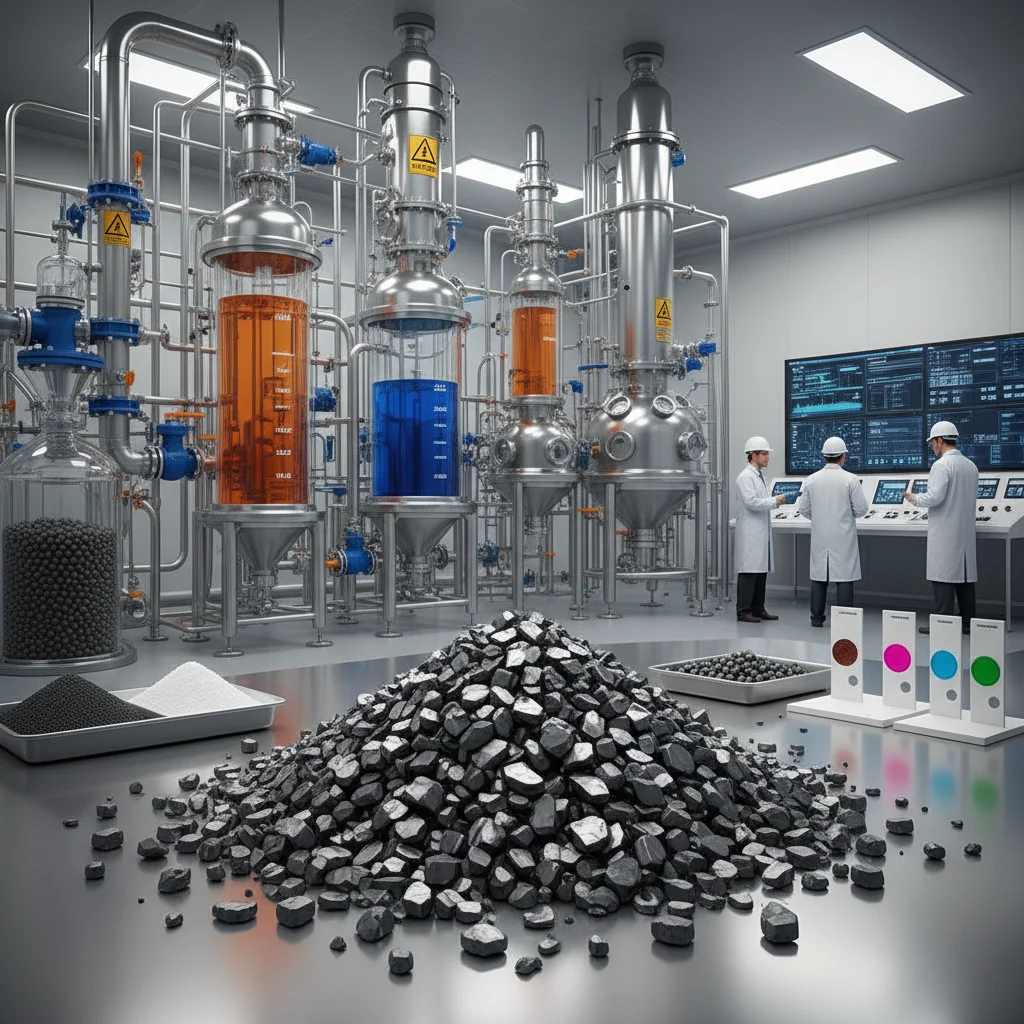
The market volatility of activated carbon bulk price is primarily driven by the source material. Whether the carbon is derived from coconut shells, coal, or wood determines its pore structure and, consequently, its cost. Coconut shell carbon typically commands a premium due to its high microporosity and sustainability. Additionally, the activation process—whether chemical or thermal—adds to the production cost. Energy prices play a significant role here, as high-temperature kilns require substantial power. Logistics, including shipping costs and tariffs for international trade, further impact the final landed cost for bulk buyers.
Pro Tip: To lock in a stable activated carbon bulk price, consider long-term supply contracts with manufacturers to hedge against raw material price spikes.
Comparing Different Grades and Their Bulk Pricing
Not all activated carbon is created equal. Depending on the Iodine Value (IV) and CTC (Carbon Tetrachloride) adsorption capacity, the pricing varies significantly. Industrial users must balance the need for high performance with the budget constraints. Below is a comparison of common grades used in bulk procurement to help you understand how specifications correlate with the activated carbon bulk price.
Optimal Sourcing for Activated Carbon Bulk Price Efficiency
To achieve the most favorable activated carbon bulk price, buyers should focus on direct-from-manufacturer sourcing. Eliminating middlemen significantly reduces the mark-up. Furthermore, optimizing shipping volumes—such as utilizing full container loads (FCL)—can drastically lower the per-ton cost. It is also advisable to request a detailed CoA (Certificate of Analysis) to ensure that the low price does not come at the cost of quality, as under-activated carbon will require more frequent replacements, increasing the total cost of ownership.

Technical Specifications Impacting the Bulk Price
The technical rigor of the product directly scales with the activated carbon bulk price. For instance, granular activated carbon (GAC) with a very narrow particle size distribution requires more precise screening, which adds to the cost. Similarly, high-purity carbon with low ash content is more expensive due to the additional washing and processing required. Understanding these specifications allows you to negotiate based on your actual needs rather than paying for unnecessary quality overhead.
Environmental Regulations and Price Trends
Global environmental policies are increasingly affecting the activated carbon bulk price. Stricter emissions standards for carbon production plants often lead to increased operational costs, which are passed on to the consumer. However, the shift toward sustainable, biomass-based carbons is opening new market segments. As demand for green chemicals grows, the production scale of bio-based carbon is increasing, which may lead to more stable pricing in the long run compared to fossil-fuel-based coal carbon.
Conclusion: Optimizing Your Procurement Strategy
Maximizing Value in Bulk Carbon Sourcing
Securing a favorable activated carbon bulk price requires a balance between technical specifications and procurement logistics. By understanding the influence of raw materials, opting for direct manufacturer partnerships, and precisely defining your purity requirements, you can reduce costs without sacrificing performance. Partnering with a reliable supplier like SDJZ Chem ensures that you receive consistent quality and competitive pricing tailored to your industrial scale.
Frequently Asked Questions (FAQs)
How does order volume affect the activated carbon bulk price?
Order volume is one of the most significant factors in pricing. Manufacturers typically offer tiered pricing; the larger the volume, the lower the cost per ton. This is due to economies of scale in production and the reduction of overhead costs relative to the total amount of material shipped. For example, purchasing a full 20ft container usually results in a much lower activated carbon bulk price compared to purchasing several pallets, as shipping and handling costs are optimized.
Why is coconut shell carbon more expensive than coal carbon?
Coconut shell activated carbon is generally more expensive because of its superior microporous structure, which is ideal for removing small molecules from water and air. Additionally, the sourcing and processing of coconut shells are often more labor-intensive and subject to different supply chain constraints than coal. However, the higher efficiency often means you need less material to achieve the same result, potentially lowering your overall operational cost despite a higher initial activated carbon bulk price.
Can I get a lower price by compromising on the Iodine Value?
Yes, a lower Iodine Value typically corresponds to a lower activated carbon bulk price because it indicates a lower total pore volume and less intense activation. However, this is only recommended if your application does not require high adsorption capacity. If you use low-IV carbon for a high-demand purification process, the carbon will saturate faster, leading to more frequent change-outs and higher long-term expenses.
What shipping terms are best for reducing bulk costs?
For those looking to minimize the total activated carbon bulk price, FOB (Free On Board) or CIF (Cost, Insurance, and Freight) are common. If you have your own logistics network, FOB allows you to control the shipping cost. However, for many companies, CIF is more convenient as the manufacturer handles the complexity of international shipping. To truly lower costs, ensure you are ordering in increments that maximize container space to avoid paying for "empty air."