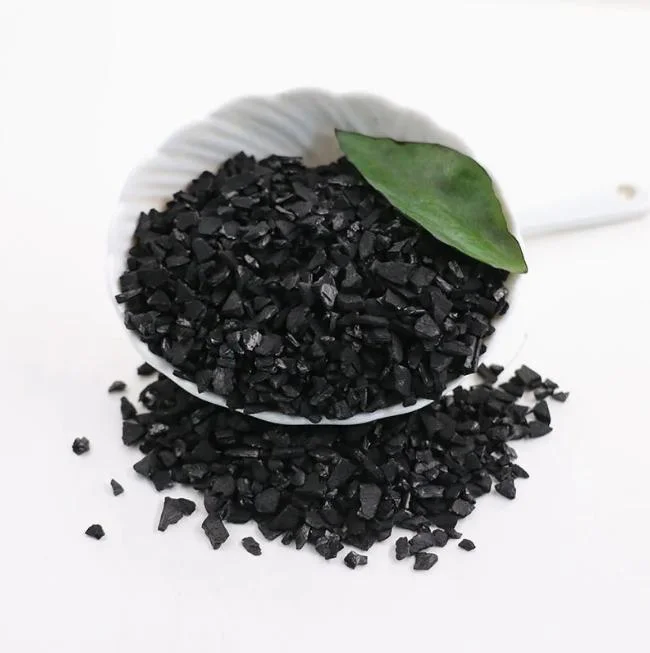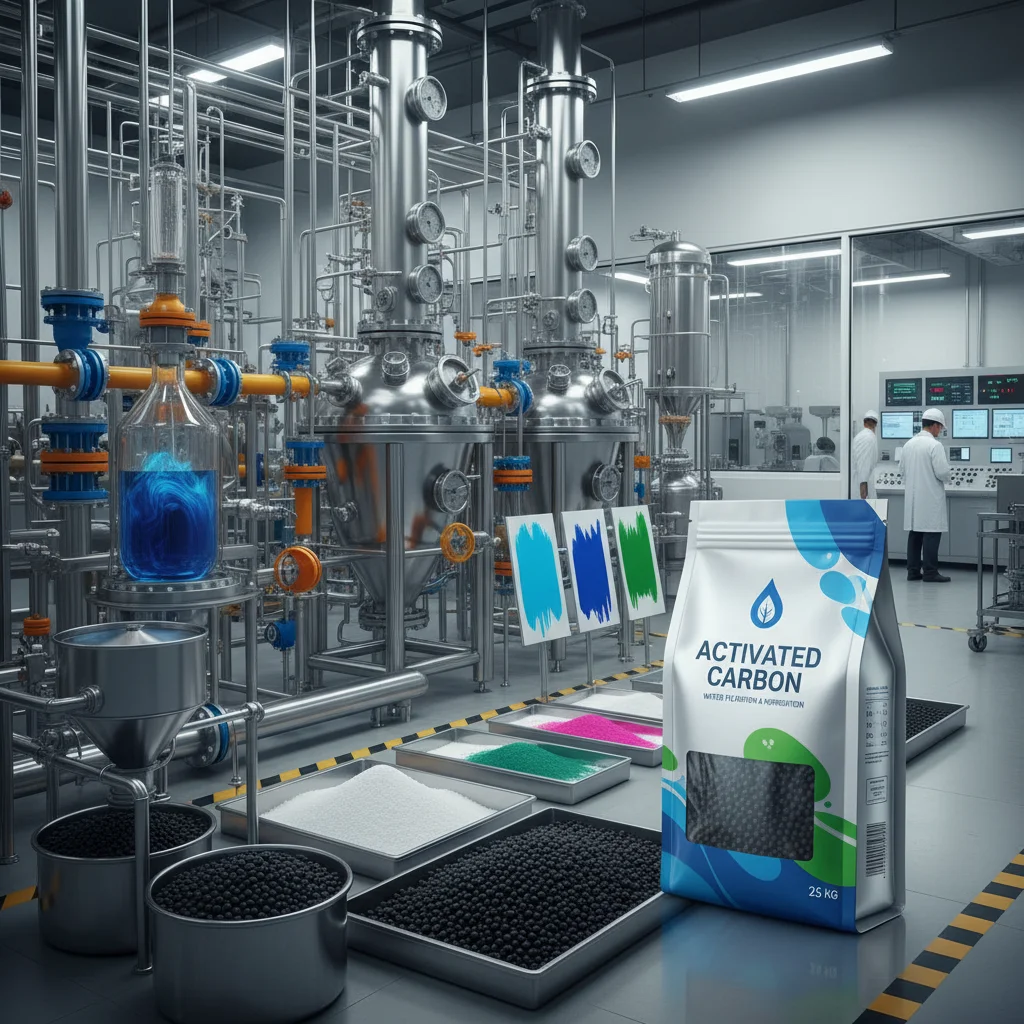
Selecting the right activated carbon suppliers is rarely a matter of finding the lowest price, but rather identifying the specific pore structure and surface chemistry required for a particular industrial separation task. In sectors ranging from gold mining to water treatment, the efficiency of adsorption directly impacts the purity of the final product and the overall operational cost.
The complexity of carbon sourcing lies in the diversity of raw materials—coal, coconut shells, or wood—each yielding different mechanical strengths and adsorption kinetics. For procurement officers in the inorganic salts and mineral processing industries, the challenge is to balance the iodine value and ash content with the long-term stability of the supply chain.
This guide examines the critical evaluation metrics for sourcing high-performance adsorbents and how the integration of chemical purity, such as that found in specialized inorganic salt production, correlates with high-standard industrial filtration requirements.

Critical Parameters for Evaluating Adsorption Efficiency

The effectiveness of an adsorbent is primarily determined by its internal surface area and the distribution of its pore sizes. Macropores facilitate the transport of molecules, while micropores provide the actual sites for adsorption. When dealing with high-purity requirements in the chemical industry, the ash content of the carbon becomes a critical variable, as leachable impurities can contaminate the process stream.
Technical specifications often focus on the Iodine Number, which serves as a proxy for micropore volume. However, for larger organic molecules, the Molasses Number is a more accurate indicator of performance. Procurement teams must ensure that the specifications provided by the supplier align with the molecular weight of the target contaminant.
Furthermore, the mechanical hardness of the carbon prevents attrition during regeneration or high-pressure flow, reducing the amount of "fines" that can clog downstream filters. This structural integrity is a hallmark of premium industrial-grade carbons produced under strict thermal control.
Strategic Sourcing and Supplier Quality Benchmarks
Reliable sourcing requires a supplier capable of maintaining batch-to-batch consistency. In the context of high-standard chemical production—similar to the rigor applied by Shandong Jiuzhou Chemical Co., Ltd. in their sodium cyanide lines—quality control must extend from the raw material source to the final activation process.
Key benchmarks for supplier evaluation include the availability of Third-Party Testing (TPI) and the transparency of their activation methods. Whether using steam or chemical activation, the process must be documented to ensure no residual catalysts remain that could react with the process chemicals.
Additionally, the supplier's ability to manage hazardous materials logistics is paramount. The experience of handling dangerous goods, such as those required in gold mining chemicals, ensures that delivery schedules are maintained without compromising safety protocols or regulatory compliance.
Industrial Application Scenarios for Activated Carbon
In the gold mining industry, activated carbon is indispensable for the Carbon-in-Pulp (CIP) and Carbon-in-Leach (CIL) processes. Here, the carbon adsorbs the gold-cyanide complex from the slurry, allowing for efficient recovery of precious metals. The synergy between high-purity sodium cyanide and high-activity carbon maximizes the extraction yield.
Water treatment facilities utilize carbon for the removal of chlorine, volatile organic compounds (VOCs), and taste-and-odor causing agents. The choice between granular (GAC) and powdered (PAC) carbon depends on whether the system is a fixed-bed reactor or a batch-dosing operation.
In the manufacture of detergent chemicals and food additives, carbon is used for decolorization. Removing organic impurities and pigment molecules ensures that the final product meets the stringent visual and purity standards required for international export markets.
Performance Analysis of Carbon Grades in Processing
Comparing standard grade carbons with premium, high-purity options reveals a significant difference in breakthrough time—the point at which the adsorbent becomes saturated and contaminants pass through the system. Premium grades typically exhibit a more uniform pore distribution, extending the operational cycle.
The following data illustrates the relative efficiency of different carbon types across key industrial metrics. While standard carbons are cost-effective for bulk filtration, specialized grades reduce waste and increase the recovery rate of target solutes.
activated carbon suppliers Performance Metrics
As seen in the data, the shift toward high-purity materials reduces byproduct formation and lowers the overall liability costs associated with hazardous waste management, reflecting a higher return on investment despite a higher initial unit price.
Procurement Risks and Mitigation Strategies
The most common risk in sourcing adsorbents is "spec-drift," where the carbon's performance degrades over several shipments. To mitigate this, procurement contracts should include strict acceptance criteria based on the Iodine value and a maximum limit for ash content.
Another critical consideration is the sustainability of the raw material. Coconut-shell based carbons are often preferred for their hardness and environmental profile, whereas coal-based carbons may offer better versatility for large-molecule removal but carry a higher environmental footprint.
Implementing a dual-sourcing strategy reduces the risk of production halts. Ensuring that the secondary supplier can meet the same technical specifications prevents the need for system recalibration when switching sources.
Future Trends in Sustainable Adsorption Technology
The industry is shifting toward "engineered" carbons, where the surface chemistry is modified to target specific ionic species. This precision adsorption is expected to reduce the total volume of carbon required for complex waste streams, lowering the overall cost of ownership.
Regeneration technology is also evolving. New thermal and chemical regeneration methods may allow for more cycles before the carbon must be replaced, significantly reducing the environmental impact and the need for virgin material.
Furthermore, the integration of AI-driven monitoring systems allows operators to predict breakthrough points with higher accuracy, optimizing the timing of carbon replacement and ensuring continuous compliance with environmental discharge standards.
Comparative Decision Matrix for Material Selection
Choosing the correct carbon grade requires a trade-off analysis between cost, capacity, and mechanical durability. The following matrix provides a decision-making framework based on the most common industrial requirements.
By aligning the material properties with the operational environment, engineers can maximize the life cycle of the adsorbent and minimize the frequency of expensive change-outs.
| Carbon Base | Primary Strength | Typical Application | Critical Limitation |
|---|---|---|---|
| Coconut Shell | High Hardness | Gold Recovery (CIP/CIL) | Higher Unit Cost |
| Bituminous Coal | Wide Pore Range | VOC Gas Treatment | Higher Ash Content |
| Wood-Based | Macropore Volume | Decolorization | Low Mechanical Strength |
| Synthetic Polymer | Custom Selectivity | Pharmaceuticals | Limited Availability |
| Peat-Based | Rapid Kinetics | Waste Water Polishing | Lower Density |
| Bamboo Carbon | High Surface Area | Air Purification | Variable Consistency |
For enterprises requiring a combination of high-purity chemicals and reliable adsorbent sourcing, reviewing the integrated capabilities available at www.sdjz-chem.com can provide a comprehensive view of how inorganic salt quality and mineral processing reagents intersect for maximum industrial efficiency.
Frequently Asked Questions
Conclusion
Optimizing the selection of activated carbon suppliers is a strategic necessity for maintaining operational efficiency and product purity in the chemical and mining sectors. By focusing on pore architecture, mechanical hardness, and supplier consistency, companies can avoid the hidden costs of premature adsorbent failure and process contamination.
As the industry moves toward more sustainable and engineered solutions, the integration of high-purity raw materials and advanced adsorption technologies will continue to drive higher yields and lower environmental impact. Professionals can explore further technical specifications and industrial chemical solutions by visiting www.sdjz-chem.com.