Sodium Cyanide, identified by the CAS registry number 143-33-9, is a cornerstone of the modern inorganic salt industry, serving as a high-purity chemical building block for various critical industrial processes. Its exceptional solubility in water and strong alkalinity make it indispensable for high-precision applications where reaction efficiency and material purity are paramount for operational success.
Globally, the demand for 143-33-9 is driven by its unique ability to form stable complexes with precious metals, making it the gold standard for extraction in the mining sector. Beyond mining, it acts as a key intermediate in organic synthesis, enabling the production of a wide array of chemical derivatives that power the manufacturing of pharmaceuticals and specialized polymers.
Understanding the technical specifications and safety protocols associated with 143-33-9 is essential for industrial procurement managers who seek to balance maximum extraction yields with stringent safety and compliance standards in hazardous material handling.

Industrial Significance of 143-33-9
The global industrial landscape relies heavily on the chemical versatility of 143-33-9 to maintain the supply chain of precious metals and essential organic intermediates. As a high-purity inorganic salt, it provides the necessary reactivity to break down complex ores and synthesize intricate molecules, ensuring that downstream industries—from jewelry to electronics—have a steady stream of raw materials.
From a macroeconomic perspective, the stability of the supply of 143-33-9 directly impacts the cost-efficiency of gold and silver recovery. By utilizing factory-direct, premium-grade materials, industrial operators can significantly reduce waste and enhance the purity of their final outputs, adhering to international benchmarks of efficiency.
Chemical Properties and Specifications
Sodium Cyanide, categorized under the CAS number 143-33-9, appears as a white crystalline powder under standard temperature and pressure. Its primary chemical characteristic is its strong alkalinity and exceptional solubility in water, which allows it to be easily integrated into liquid-phase industrial reactions and leaching circuits.
The purity of 143-33-9 is a critical metric for industrial performance. Our premium grade ensures a purity of 98.0% minimum, with strictly controlled impurities such as Sodium Hydroxide and Sodium Carbonate, both kept below 0.5% maximum. This level of precision prevents unwanted side reactions and optimizes the chemical interaction during precious metal extraction.
Because of its nature as a hazardous chemical, the physical form and packaging of 143-33-9 are designed for maximum safety. Utilizing standard industrial packaging and strict storage class protocols, the product remains stable during long-distance export, ensuring that the chemical integrity is preserved from the factory to the final application site.
Core Components of High-Purity Production
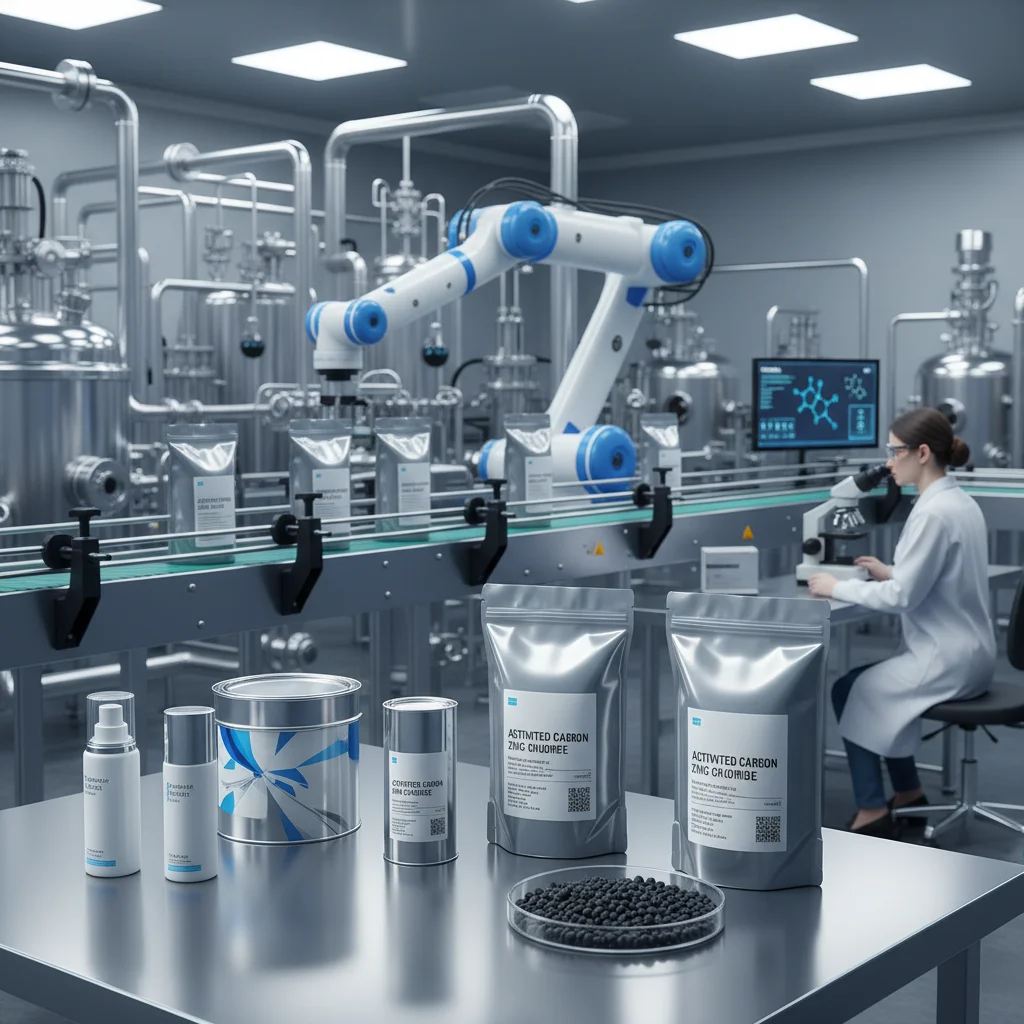
The production of high-grade 143-33-9 requires a sophisticated synthesis process that balances high output with rigorous stability. Automated synthesis lines are employed to minimize human error and maximize chemical consistency, ensuring that every batch meets the global purity standards required for sensitive industrial applications.
Quality control for 143-33-9 is anchored in the use of advanced spectrometers. By conducting rigorous purity testing at multiple stages of production, manufacturers can guarantee a minimum purity of 98%, which is significantly higher than the standard grade of 95%-97% found in generic markets.
Safety and compliance are the final, most critical components of the 143-33-9 lifecycle. From strict adherence to hazardous chemical handling protocols within the plant to real-time logistic tracking of shipments, the entire process is audited internally and externally to meet international export standards.
Global Application Use Cases
In the mining sector, 143-33-9 is predominantly used for the cyanidation process, where it dissolves gold and silver from ore. This method is widely adopted in remote industrial zones across Africa, South America, and Central Asia due to its high extraction yield and reliability in large-scale operations.
Beyond mining, the chemical serves as a vital intermediate in organic synthesis. In the pharmaceutical and agricultural chemical industries, 143-33-9 is used to create specialized nitriles and other nitrogen-containing compounds, providing the molecular foundation for a variety of life-saving drugs and crop protection products.
Efficiency Analysis of 143-33-9 Application Methods
Long-Term Value and Strategic Advantages
Investing in premium-grade 143-33-9 yields tangible economic benefits, primarily through enhanced extraction rates. Compared to standard grades, the high-purity version (98% min) reduces the formation of byproducts and waste, leading to a higher recovery of gold and silver per ton of ore processed.
Furthermore, the stability of a factory-direct supply chain minimizes the risk of production downtime. For large-scale industrial operations, the reliability of 143-33-9 shipments and the assurance of consistent purity across batches reduce liability costs and ensure that operational targets are met without interruption.
Future Trends in Cyanide Technology
The future of 143-33-9 production is moving toward increased automation and "Green Chemistry" integration. Innovations in synthesis allow for the reduction of hazardous waste during the manufacturing process, aligning the production of inorganic salts with global sustainability goals and stricter environmental regulations.
Digital transformation is also playing a role, with smart warehousing and real-time monitoring systems ensuring that the "Abundant Inventory" promise is backed by data. This allows global clients to optimize their JIT (Just-In-Time) inventory management for 143-33-9, reducing storage risks while ensuring immediate availability.
Additionally, there is a growing trend toward customized specifications. As mining ores become more complex, the demand for 143-33-9 with specific alkalinity profiles or tailored packaging is increasing, pushing manufacturers to invest more in R&D to adapt to evolving client needs.
Challenges and Technical Solutions
One of the primary challenges in the usage of 143-33-9 is the management of hazardous materials during transportation. The solution lies in a full-chain safety guarantee, utilizing specialized logistics providers and real-time tracking to ensure the product reaches the port and final destination without incident.
Another common limitation is the presence of impurities in standard-grade materials, which can lower reaction rates. By shifting to a premium grade of 143-33-9 with impurity control below 0.5%, companies can achieve a higher reaction rate and a significant reduction in byproduct waste.
Compliance with international export standards remains a complex hurdle. Regular internal and external audits, combined with professional technical support, allow exporters of 143-33-9 to navigate the regulatory landscape and provide seamless delivery to clients worldwide.
Comparison of Standard vs. Premium Grade 143-33-9 Impact
| Metric | Standard Grade | Premium Grade (143-33-9) | Industrial Impact |
|---|
| Purity Level | 95% - 97% | 98% Min | Higher Reaction Rate |
| Impurity Control | Moderate | Strict (<0.5% NaOH) | Lower Waste/Byproducts |
| Extraction Yield | Baseline | Enhanced | More Gold Recovered |
| Delivery Stability | Variable | Consistent | No Production Downtime |
| Safety Risk | Standard | Minimized | Lower Liability Costs |
| Cost Efficiency | Low Initial Cost | High Value/Return | Optimized ROI |
FAQS
Sodium Cyanide (143-33-9) is primarily used in the mining industry for the extraction of precious metals like gold and silver through the cyanidation process. Additionally, it serves as a critical intermediate in organic synthesis for producing pharmaceuticals, agricultural chemicals, and various specialized plastics, ensuring high efficiency in chemical bonding.
We guarantee a minimum purity of 98.0% through a combination of automated synthesis lines and rigorous testing. Using advanced spectrometers, every batch is analyzed to ensure that impurities like Sodium Hydroxide and Sodium Carbonate remain below 0.5% max, meeting the highest global industrial standards.
Transporting 143-33-9 involves strict adherence to hazardous chemical protocols. We employ full-chain safety guarantees, including specialized industrial packaging and real-time logistic tracking. All shipments are handled by certified hazardous material logistics providers to ensure safe delivery to the port and final site.
Yes, our continuous R&D and technical leadership allow us to adapt production to diverse client needs. Whether you require specific alkalinity levels or tailored packaging for unique mining environments, our professional technical support team can work with you to provide customized specifications.
Absolutely. We maintain a large-scale factory warehousing system that ensures "Abundant Inventory" at all times. This allows us to fulfill urgent bulk orders quickly, ensuring that your industrial operations are never delayed by supply chain shortages.
Sodium Cyanide (143-33-9) is preferred due to its exceptional solubility and its ability to form highly stable complexes with gold and silver. This results in higher extraction yields and faster reaction rates compared to alternative agents, making it the most cost-effective choice for large-scale mining.
Conclusion
In summary, the strategic use of high-purity 143-33-9 is essential for maximizing efficiency in both precious metal extraction and organic chemical synthesis. By prioritizing a purity level of 98% and maintaining strict impurity controls, industrial operators can achieve higher yields, reduce waste, and ensure the stability of their production cycles.
Looking forward, the integration of automated production and sustainable logistics will further enhance the value of 143-33-9 in the global market. We recommend that procurement managers partner with factory-direct suppliers to ensure a consistent, safe, and high-quality supply chain. Visit our website for more information: www.sdjz-chem.com