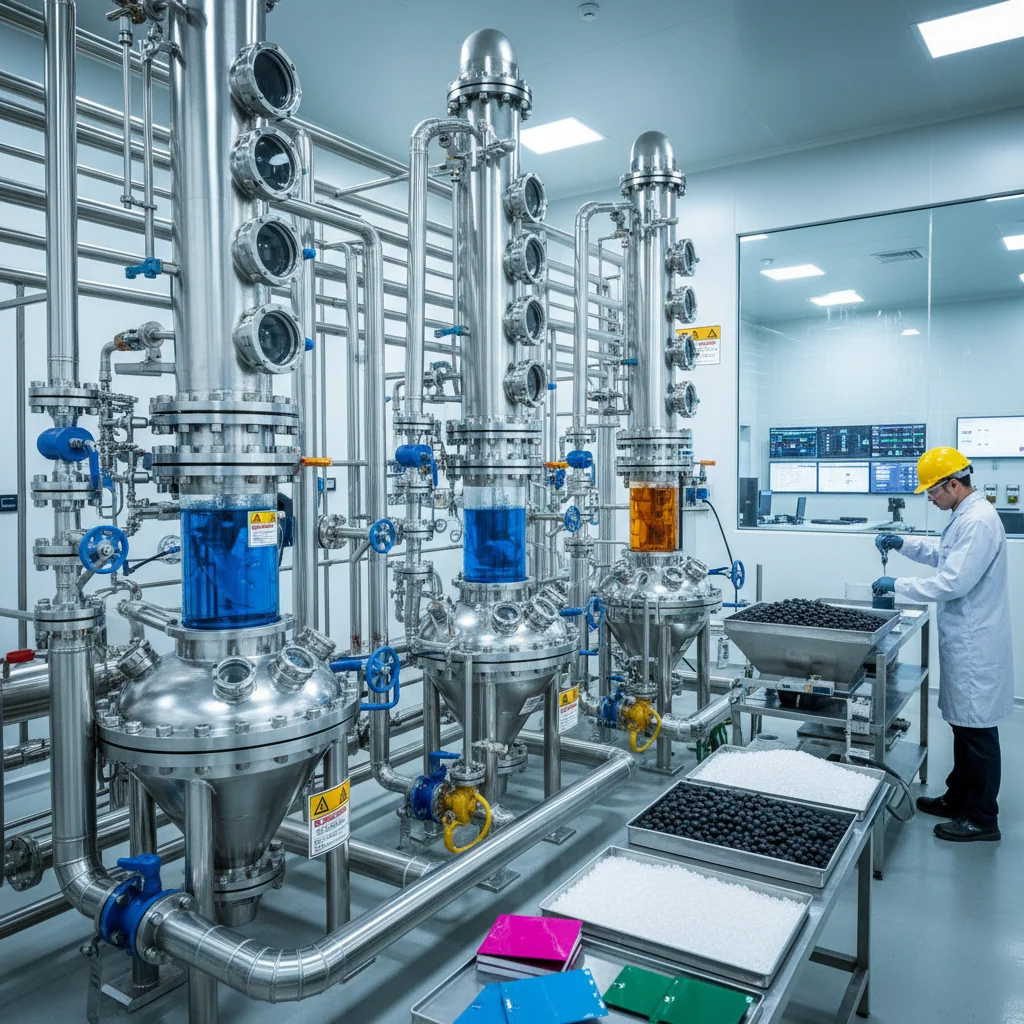
Industrial Guide to Liquid Sodium Cyanide for Gold Mining
Comprehensive Guide to Liquid Sodium Cyanide in Modern Mining
In the realm of precious metal extraction, the efficiency of the leaching process determines the economic viability of a mining operation. liquid sodium cyanide remains one of the most powerful and widely utilized chemical reagents for dissolving gold and silver from ore. By creating a soluble complex, it allows for the high-recovery extraction of metals that would otherwise remain trapped in the mineral matrix. Understanding its properties, application methods, and safety protocols is essential for industrial operators seeking to optimize their gold recovery rates while maintaining strict environmental compliance.

The Chemical Mechanism of Liquid Sodium Cyanide
The effectiveness of liquid sodium cyanide lies in its ability to form a stable water-soluble complex with gold. Through a process known as cyanidation, the cyanide ions react with gold in the presence of oxygen, converting the solid metal into a liquid solution. This process is highly selective, making it ideal for treating low-grade ores. To ensure the stability of the solution and prevent the release of toxic gases, the pH level of the slurry must be carefully maintained in the alkaline range, typically above 10.5. This chemical precision ensures maximum dissolution rates and operational safety.
Technical Insight: The dissolution rate is influenced by the particle size of the ore and the concentration of the reagent. Finer grinding typically leads to higher exposure of gold particles, enhancing the efficiency of the chemical reaction.
Industrial Applications of Liquid Sodium Cyanide
The versatility of liquid sodium cyanide extends across various sectors of the metallurgical industry. In gold mining, it is used in both heap leaching and carbon-in-pulp (CIP) systems. Beyond raw ore, it is instrumental in the recycling of electronic waste, where it recovers gold from circuit boards and CPU pins. Furthermore, it is utilized in the refining of gold-plated materials and industrial catalysts. By employing this high-efficiency reagent, manufacturers can achieve recovery rates exceeding 90%, significantly reducing waste and increasing the purity of the final precious metal product.
Comparing Liquid Sodium Cyanide with Alternative Extractants
While modern industry is exploring non-cyanide systems for environmental reasons, liquid sodium cyanide remains the industry benchmark due to its unmatched kinetics and cost-effectiveness. Non-cyanide alternatives, such as thiosulfate or iodide-based reagents, offer lower toxicity but often struggle with slower reaction times and higher reagent consumption. For large-scale industrial operations, the reliability and speed of cyanide-based leaching often outweigh the complexity of alternative systems, provided that strict detoxification and tailings management protocols are in place.
Safety and Handling of Liquid Sodium Cyanide
Due to its extreme toxicity, the handling of liquid sodium cyanide requires rigorous safety protocols. Storage must occur in sealed, corrosion-resistant containers within a cool, dry, and well-ventilated area, far from acids. Personnel must utilize complete Personal Protective Equipment (PPE), including chemical-resistant gloves, face shields, and respirators. In industrial settings, automatic dosing systems are recommended to minimize direct human contact. Furthermore, the implementation of an emergency response plan, including the availability of cyanide antidotes, is a non-negotiable requirement for any facility utilizing this reagent.

Technical Specifications for Liquid Sodium Cyanide
To ensure consistent results in precious metal recovery, it is vital to use a product that meets strict purity and concentration standards. High-grade liquid sodium cyanide should exhibit minimal impurities to prevent the interference of other metals in the leaching process. Below are the typical technical parameters required for industrial-grade leaching applications:
Conclusion: Optimizing Recovery with Liquid Sodium Cyanide
The use of liquid sodium cyanide remains a cornerstone of the gold extraction industry due to its efficiency and reliability. While the chemical requires stringent safety measures and environmental oversight, its ability to recover high percentages of precious metals from complex ores is unmatched. By adhering to precise pH controls and utilizing high-purity reagents, mining and recycling companies can maximize their output and profitability. For a professional supply of industrial chemicals, trust the expertise provided at our official portal.
Frequently Asked Questions (FAQs)
Why is pH control critical when using liquid sodium cyanide?
Maintaining a high pH (alkaline environment) is the most critical safety step when using liquid sodium cyanide. If the solution becomes acidic (pH below 9), the cyanide ions react with hydrogen to form hydrogen cyanide (HCN) gas, which is extremely lethal if inhaled. By keeping the pH above 10.5 using lime or caustic soda, the reagent remains stable in the liquid phase, ensuring both the safety of the workers and the efficiency of the gold dissolution process.
Can liquid sodium cyanide be used for electronic waste recycling?
Yes, it is highly effective for the recovery of gold and silver from e-waste. Electronic components often have gold plating on connectors and wires. Liquid sodium cyanide can dissolve these thin layers of precious metals quickly. However, e-waste often contains other metals like copper, which can consume the reagent. Therefore, a pre-treatment process to remove base metals is often employed to increase the efficiency and reduce the cost of the cyanide leaching stage.
How is the waste liquid treated after the extraction process?
Waste treatment is mandatory to prevent environmental contamination. Common methods include the INCO process (SO2/Air oxidation), which breaks down the cyanide complex into less toxic cyanate. Other methods include alkaline chlorination or the use of hydrogen peroxide. The goal is to ensure that the residual cyanide levels in the tailings are well below the legal safety limits before the waste is discharged or stored. Utilizing high-quality liquid sodium cyanide from a reputable source helps in calculating precise dosage, which in turn simplifies the wastewater treatment process.
What are the best storage conditions for this chemical?
Storage must be conducted in a dedicated, locked chemical warehouse. The environment should be cool, dry, and strictly separated from any acidic materials, oxidizers, or food products. Containers must be airtight to prevent evaporation and contamination. Regular inspections for leaks and the installation of gas detection sensors are highly recommended. Following these guidelines ensures that the potency of the liquid sodium cyanide is maintained throughout its shelf life and minimizes the risk of accidental release.